Government Types Comparison
A free social sciences worksheet ready for your classroom. Open in Kuraplan to grab the print-ready PDF, customize it for your students, or generate a fresh version in seconds.

Government Types Comparison
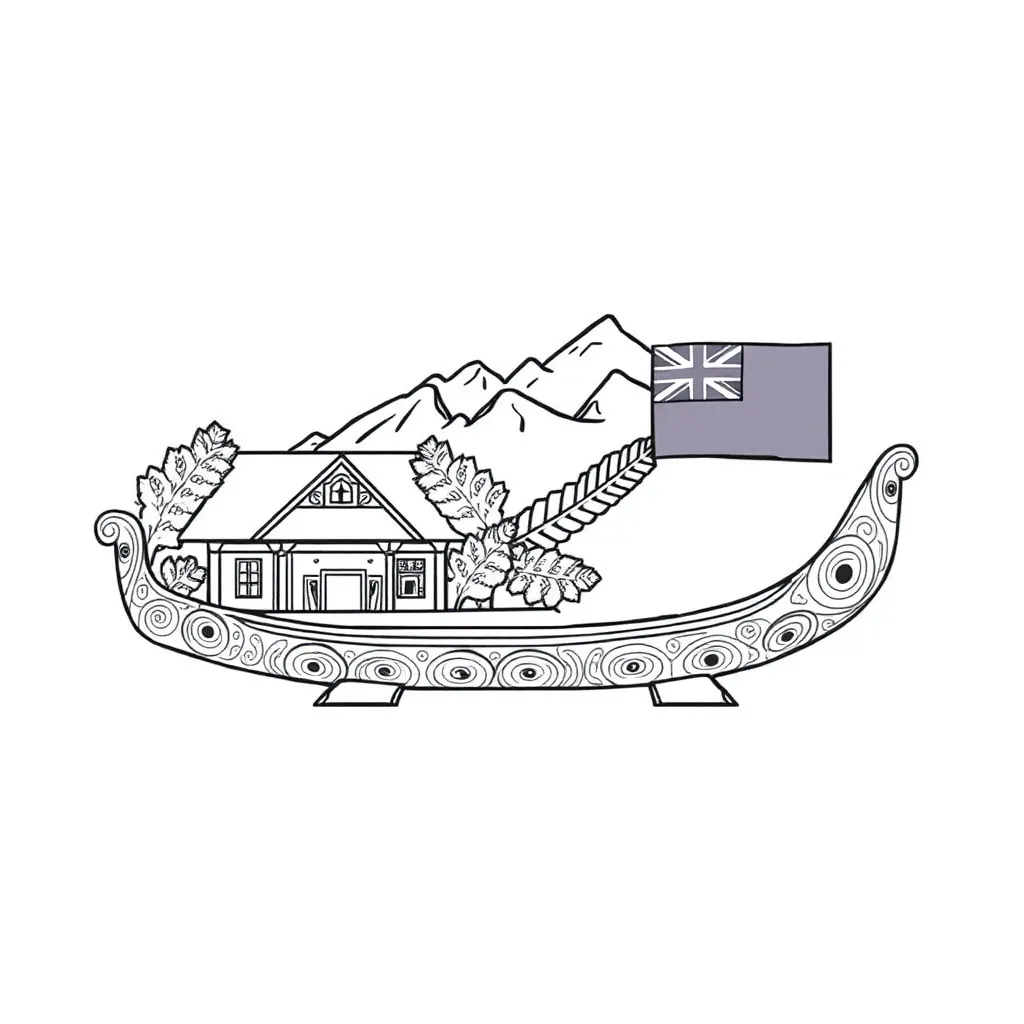
📊 Part 1: Government Types Knowledge Check
🔍 Part 2: Comparative Analysis Planning
Democracy:
Structure: Power is distributed among _____________ branches of government.
Authority: Leaders are chosen through _____________ elections.
Citizen Participation: Citizens can _____________, protest, and participate in government.
Rights Impact: Individual rights are generally _____________ and protected.
Monarchy:
Structure: Power is held by a _____________ or queen, sometimes with a parliament.
Authority: Leadership is usually _____________ through family lines.
Citizen Participation: Citizens may have _____________ or no say in government decisions.
Rights Impact: Rights depend on the _____________ of the monarch.
Authoritarianism:
Structure: Power is _____________ in one person or small group.
Authority: Leaders often gain power through _____________ or military control.
Citizen Participation: Citizens have _____________ political freedoms.
Rights Impact: Individual rights are often _____________ or ignored.
🎨 Part 3: Visual Representation Planning
🌏 Part 4: Real-World Connections
💭 Part 5: Critical Thinking and Reflection
📝 Part 6: Presentation Preparation
About This Worksheet
Free in Kuraplan
Sign up free, grab the PDF, and customize it for your class.
Print-Ready
Formatted for standard paper. Clean layout, easy to read.
AI-Generated
Created with Kuraplan's AI, designed for real classroom use.
For Teachers & Parents
Use in classrooms, for homework, tutoring, or homeschool.
Need a custom version of this worksheet?
Kuraplan's AI generates custom worksheets in seconds — differentiated for every learner, aligned to your curriculum.
Generate Custom Worksheets — FreeMore Social Sciences Worksheets
NZ Government: Left & Right
Free
Workplace Rights and Responsibilities
Free
Workplace Rights Basics
Free
Bicultural Integration in Practice
Free
Year 9 Mock Election
Free
Government Type Country Planner
Free
Government and Democracy in Action
Free