Night Sky Reading Comprehension
A free english worksheet ready for your classroom. Open in Kuraplan to grab the print-ready PDF, customize it for your students, or generate a fresh version in seconds.
Night Sky Reading Comprehension
📖 Reading Text: The Wonders of the Night Sky
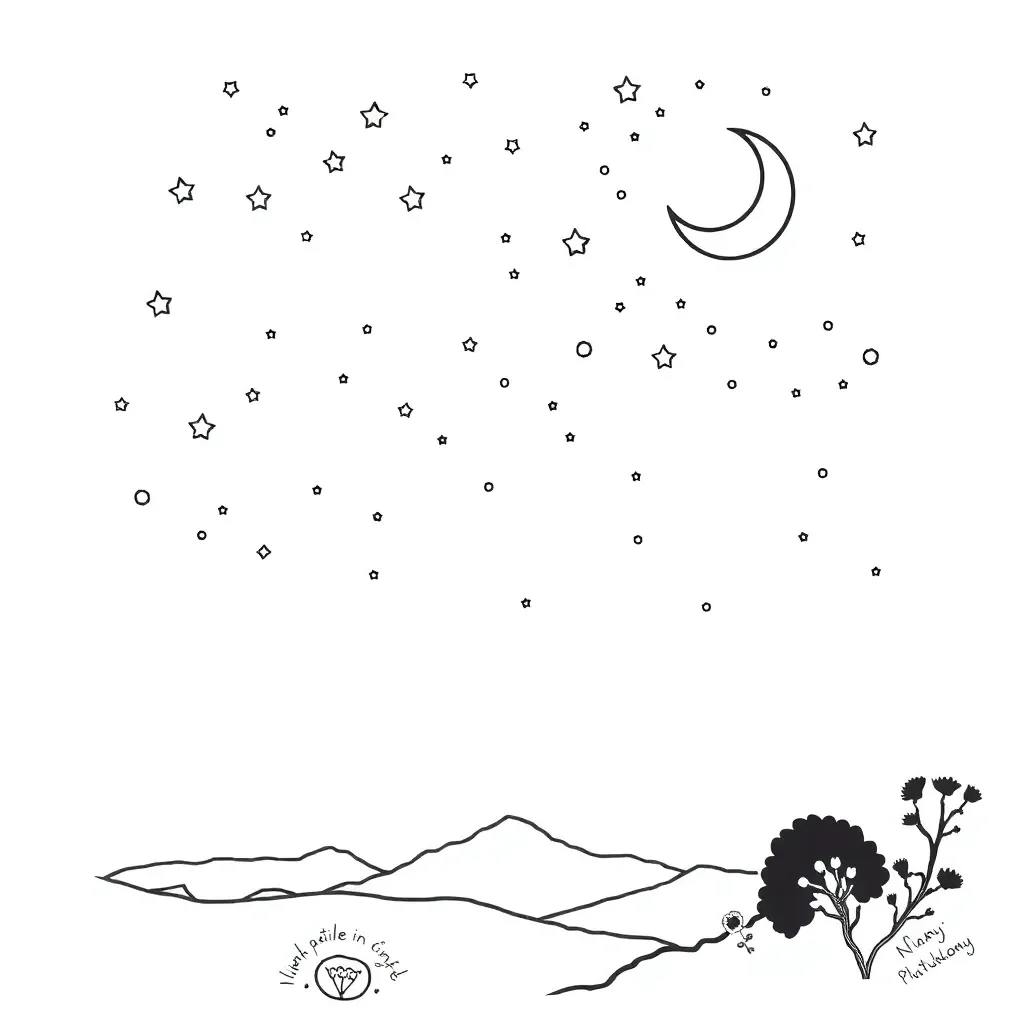
On a clear night in New Zealand, stepping outside reveals one of nature's most spectacular displays. Our night sky is a treasure trove of celestial wonders, from twinkling stars to mysterious planets and ancient constellations.
The stars we see are actually enormous balls of burning gas, located millions of kilometres away. Some appear brighter than others - not necessarily because they're larger, but often because they're closer to Earth. The brightest star in our night sky is Sirius, which can be easily spotted during winter months.
New Zealand's location in the Southern Hemisphere gives us a unique view of space. We can see the famous Southern Cross constellation, which has guided Māori navigators and early European explorers for centuries. This constellation appears on our national flag and holds deep cultural significance.
Planets are also visible to the naked eye, though they don't twinkle like stars. Venus, often called the "evening star," is frequently the brightest object in the sky after the sun and moon. Mars appears as a reddish dot, whilst Jupiter and Saturn can be spotted as steady, bright points of light.
Light pollution from cities can dim our view of the night sky, which is why New Zealand's Dark Sky Reserves, such as the one around Lake Tekapo, are so precious. These protected areas allow us to witness the full glory of the cosmos, including the magnificent Milky Way galaxy stretching across the heavens.
🌟 Part 1: Multiple Choice Questions
✏️ Part 2: Short Answer Questions
About This Worksheet
Free in Kuraplan
Sign up free, grab the PDF, and customize it for your class.
Print-Ready
Formatted for standard paper. Clean layout, easy to read.
AI-Generated
Created with Kuraplan's AI, designed for real classroom use.
For Teachers & Parents
Use in classrooms, for homework, tutoring, or homeschool.
Need a custom version of this worksheet?
Kuraplan's AI generates custom worksheets in seconds — differentiated for every learner, aligned to your curriculum.
Generate Custom Worksheets — FreeMore English Worksheets
Camp D Tent Reading Comprehension
Free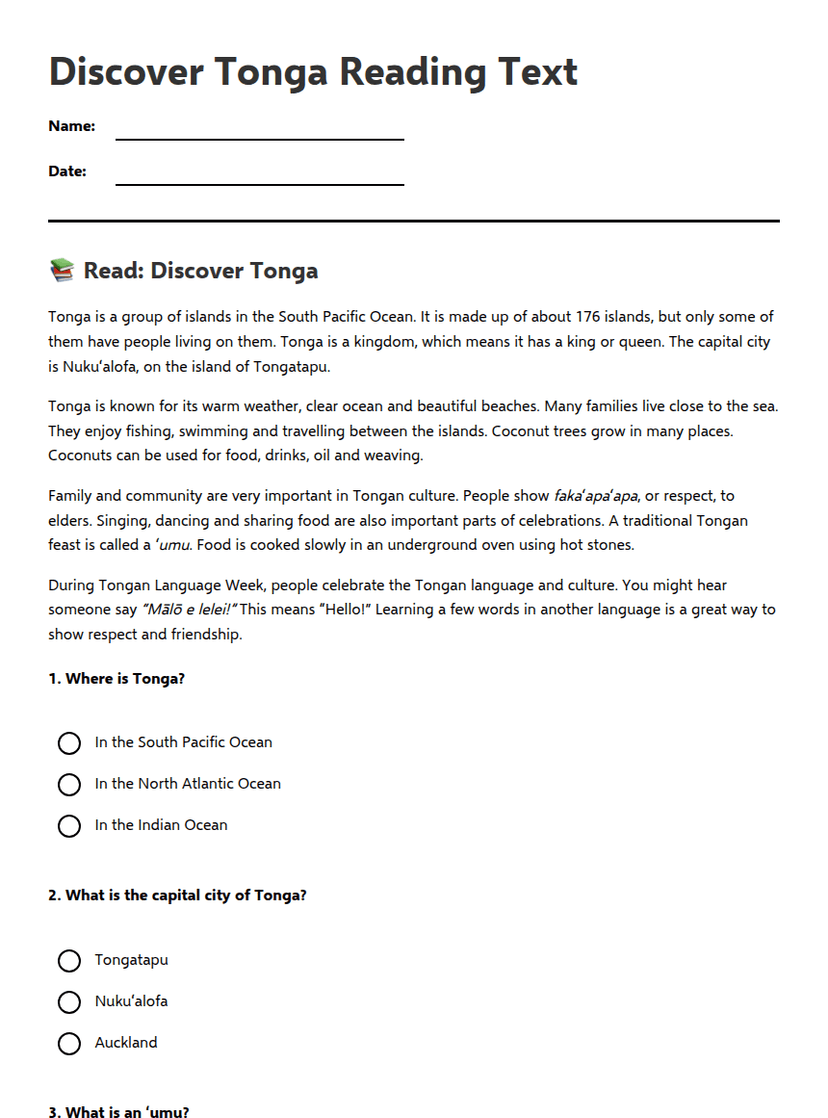
Discover Tonga Reading Text
Free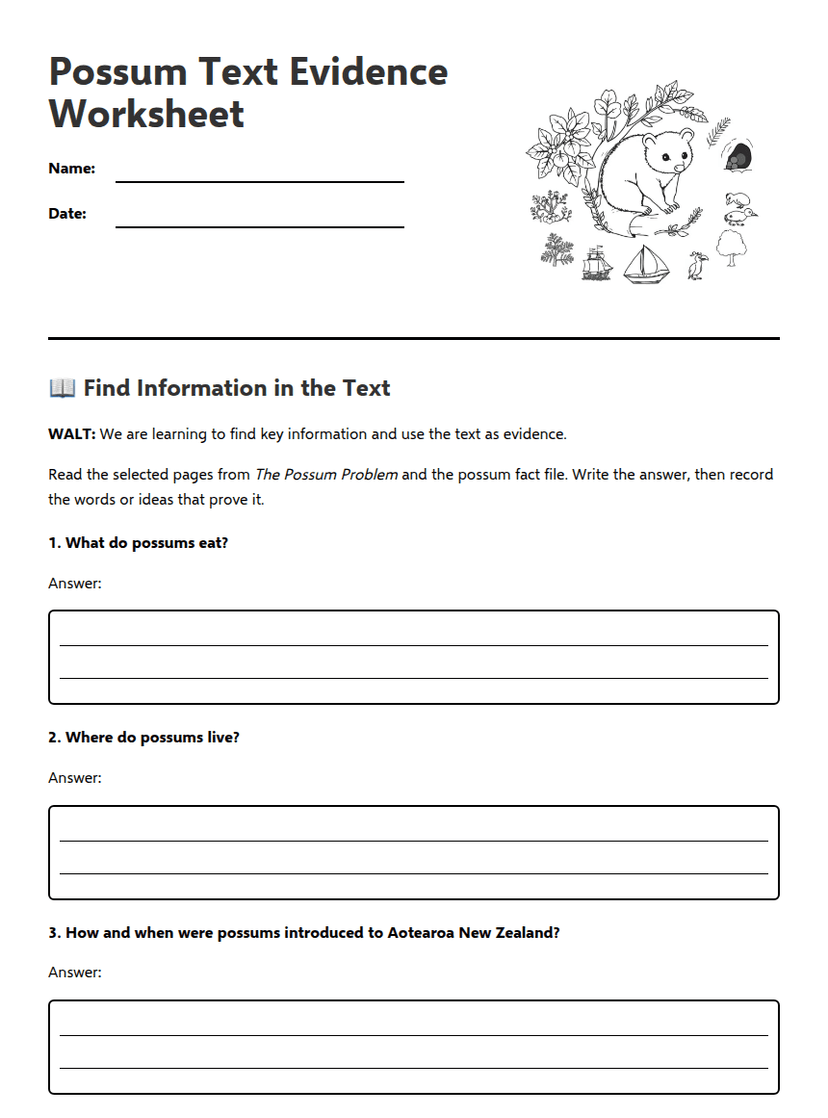
Possum Text Evidence Worksheet
Free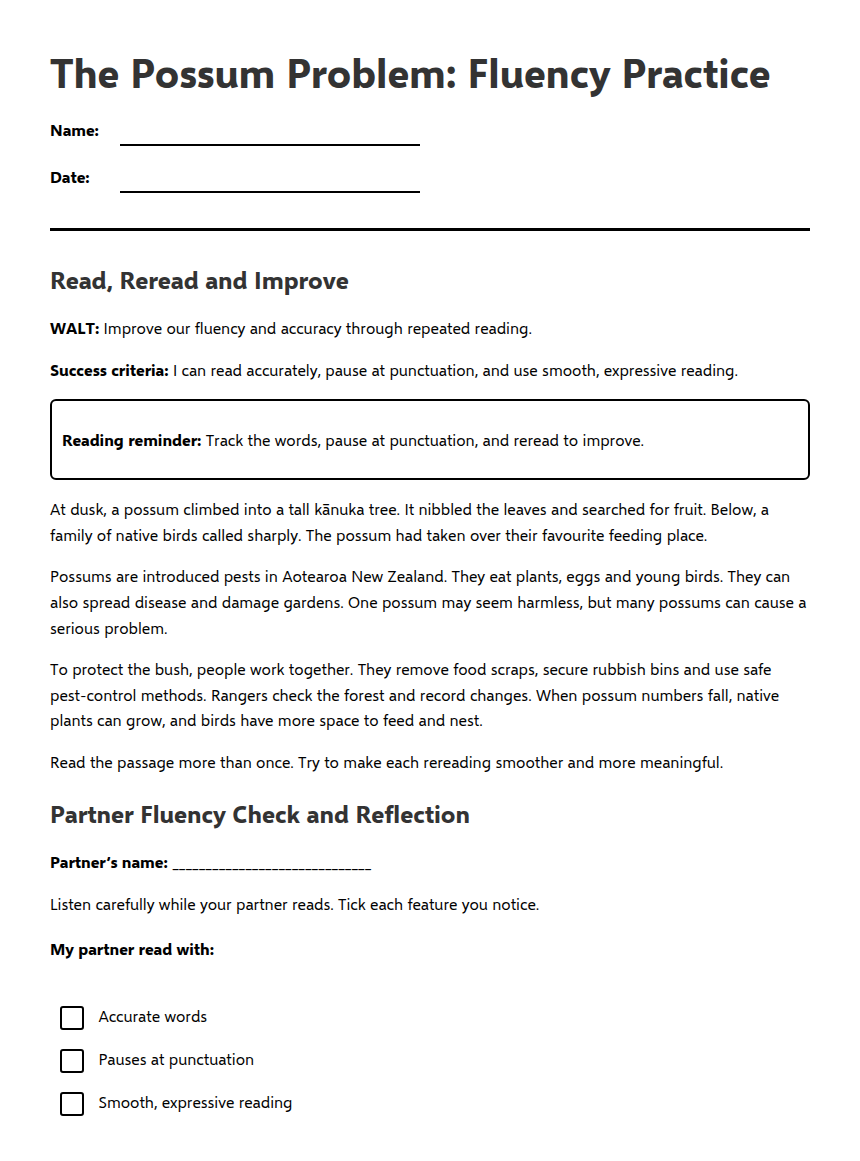
Possum Fluency Practice
Free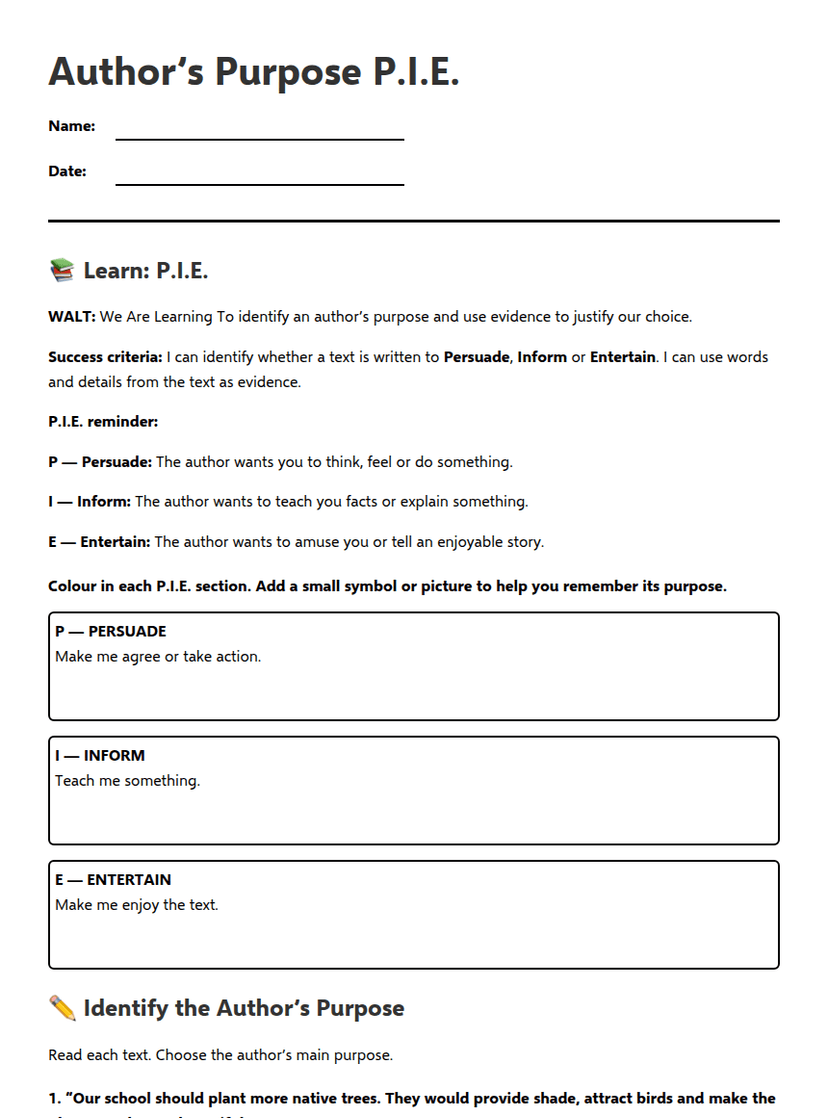
Author’s Purpose P.I.E.
Free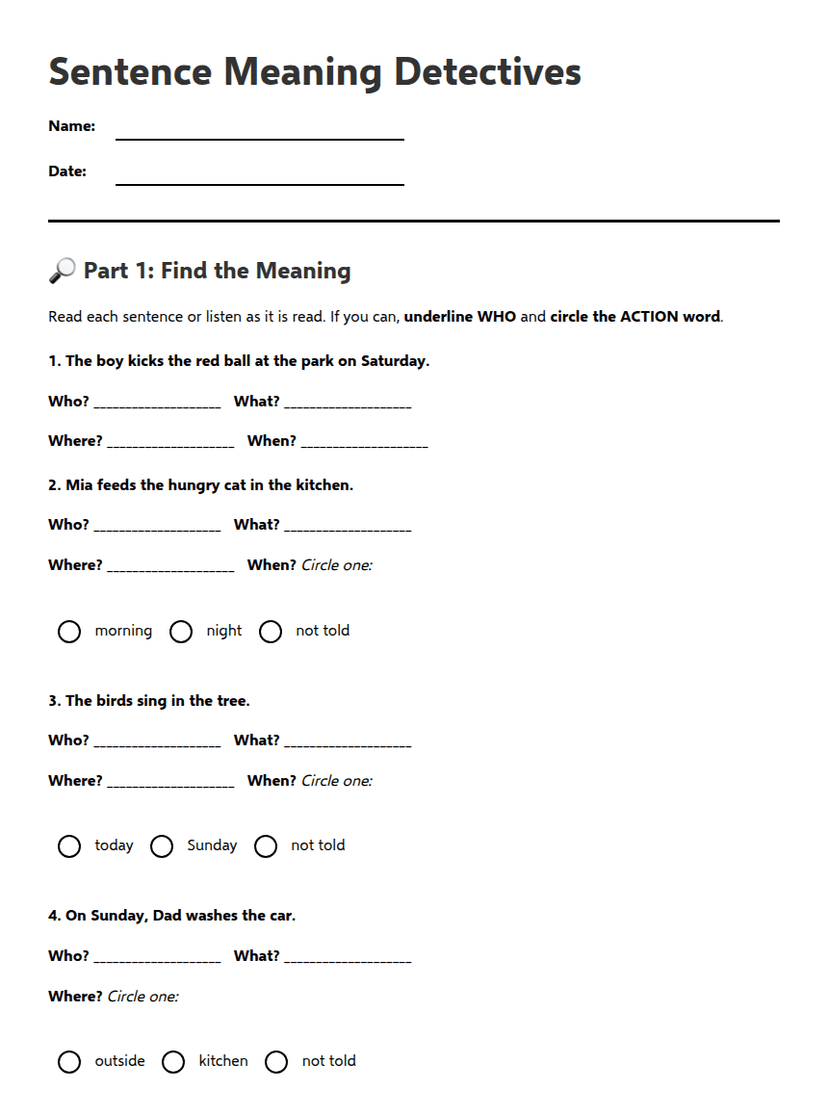
Sentence Meaning Detectives
Free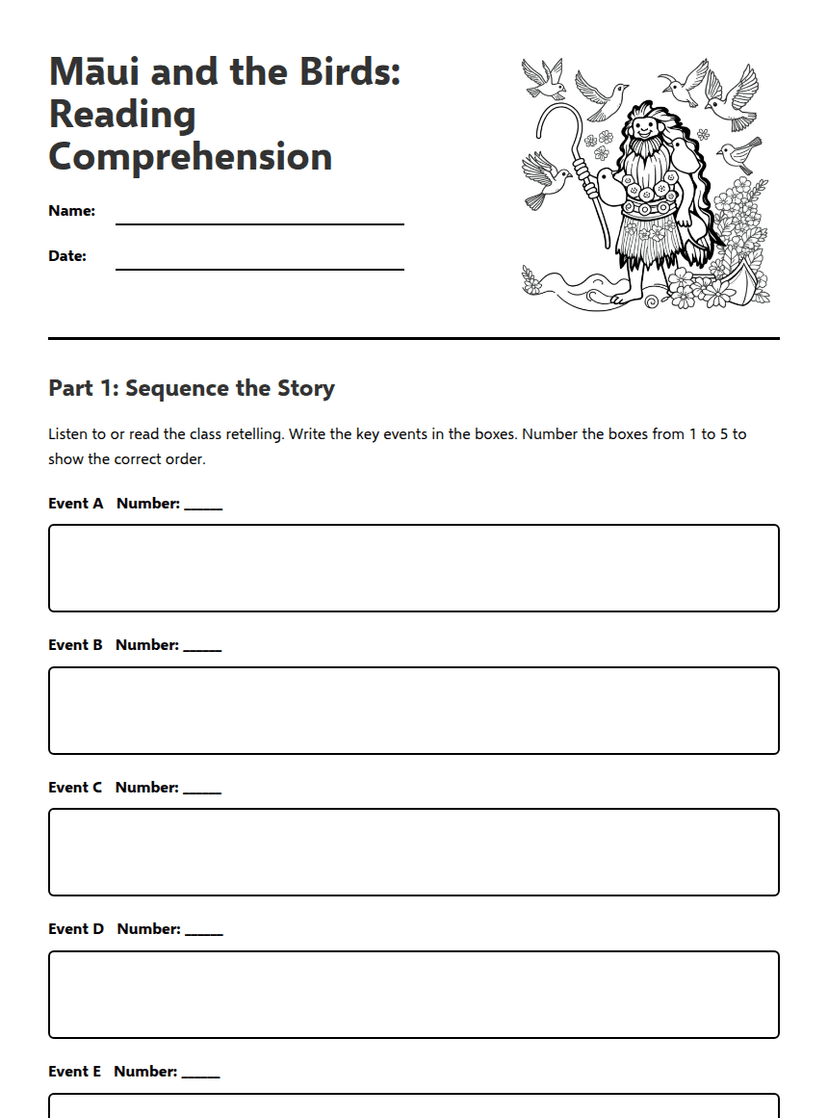
Māui and the Birds: Reading Comprehension
Free