Ōpōtiki Script Writing
A free english worksheet ready for your classroom. Open in Kuraplan to grab the print-ready PDF, customize it for your students, or generate a fresh version in seconds.
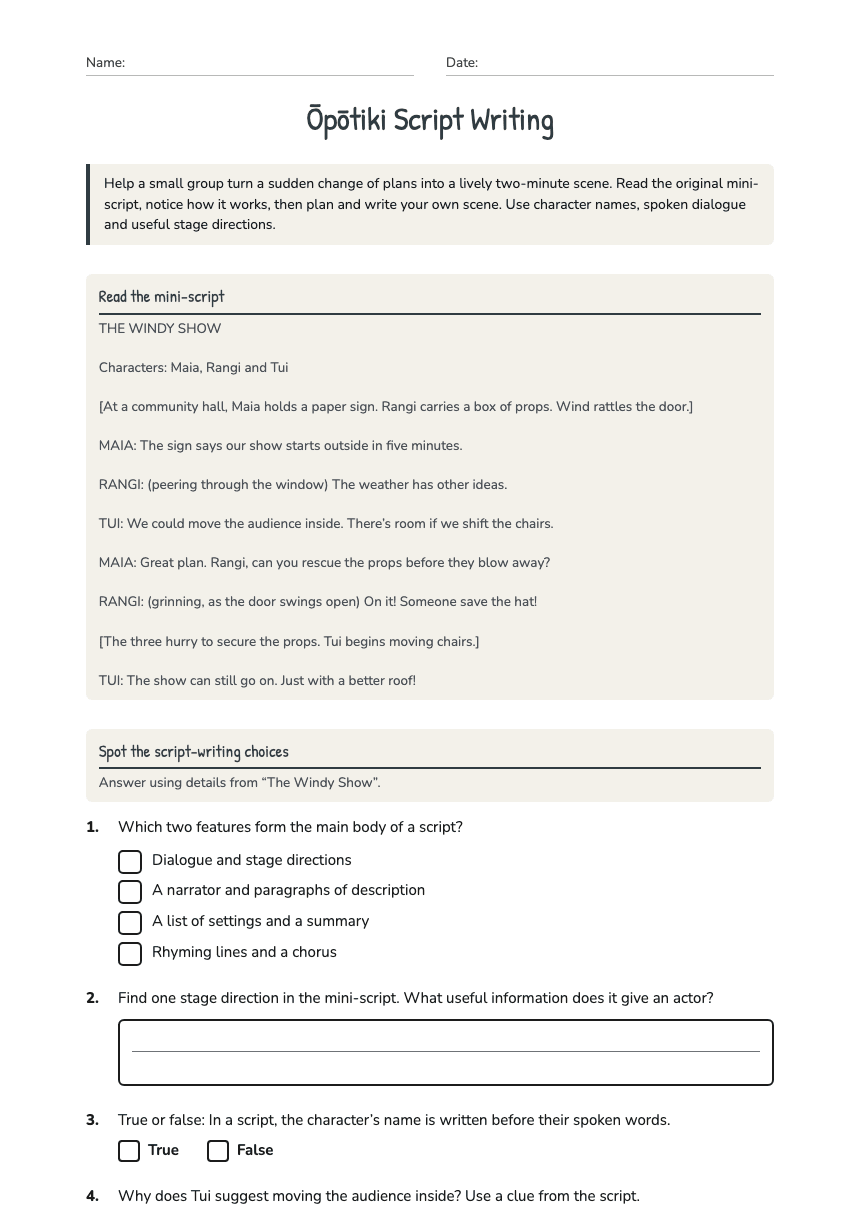
Ōpōtiki Script Writing
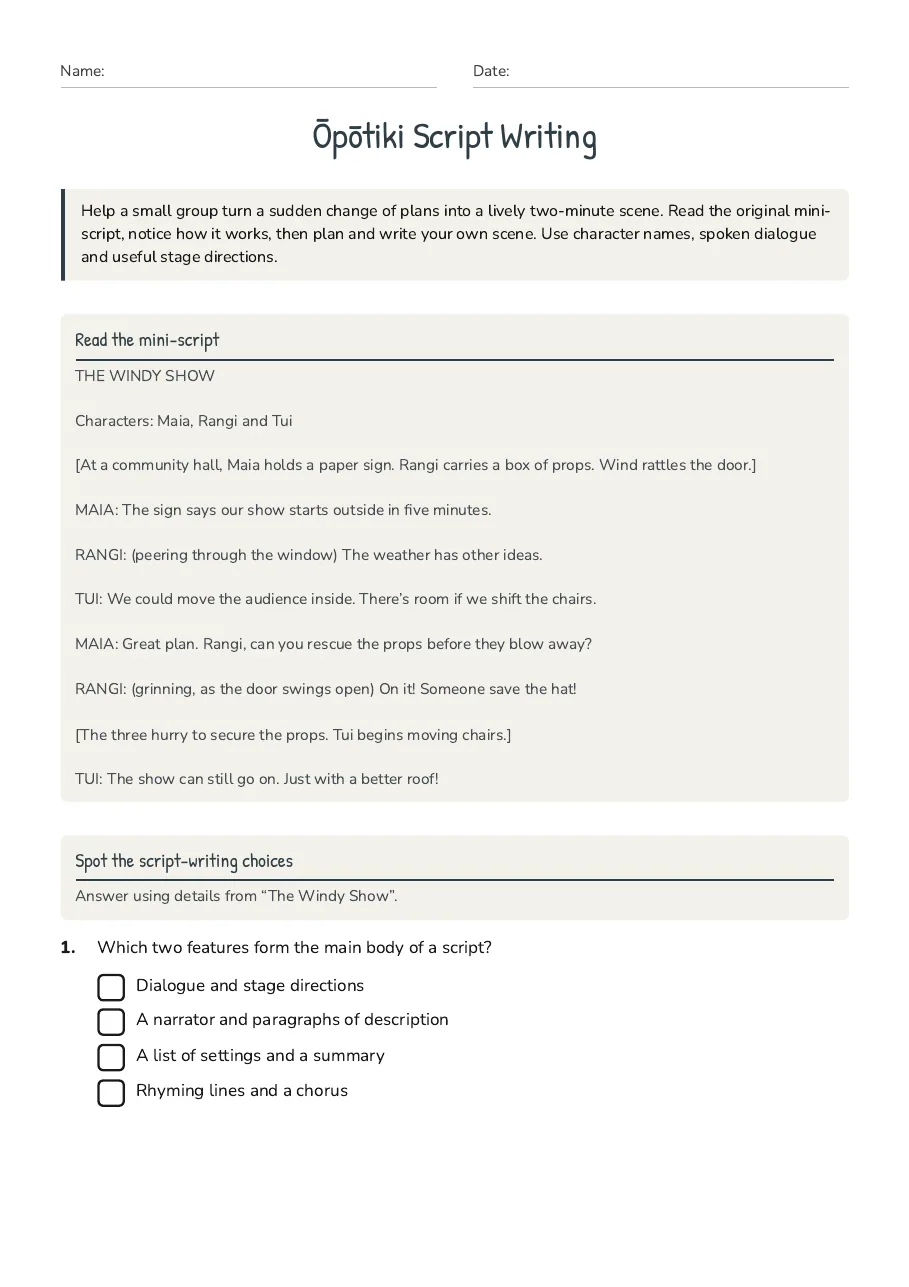
Read the mini-script
THE WINDY SHOW Characters: Maia, Rangi and Tui [At a community hall, Maia holds a paper sign. Rangi carries a box of props. Wind rattles the door.] MAIA: The sign says our show starts outside in five minutes. RANGI: (peering through the window) The weather has other ideas. TUI: We could move the audience inside. There’s room if we shift the chairs. MAIA: Great plan. Rangi, can you rescue the props before they blow away? RANGI: (grinning, as the door swings open) On it! Someone save the hat! [The three hurry to secure the props. Tui begins moving chairs.] TUI: The show can still go on. Just with a better roof!
Spot the script-writing choices
Answer using details from “The Windy Show”.
- Dialogue and stage directions
- A narrator and paragraphs of description
- A list of settings and a summary
- Rhyming lines and a chorus
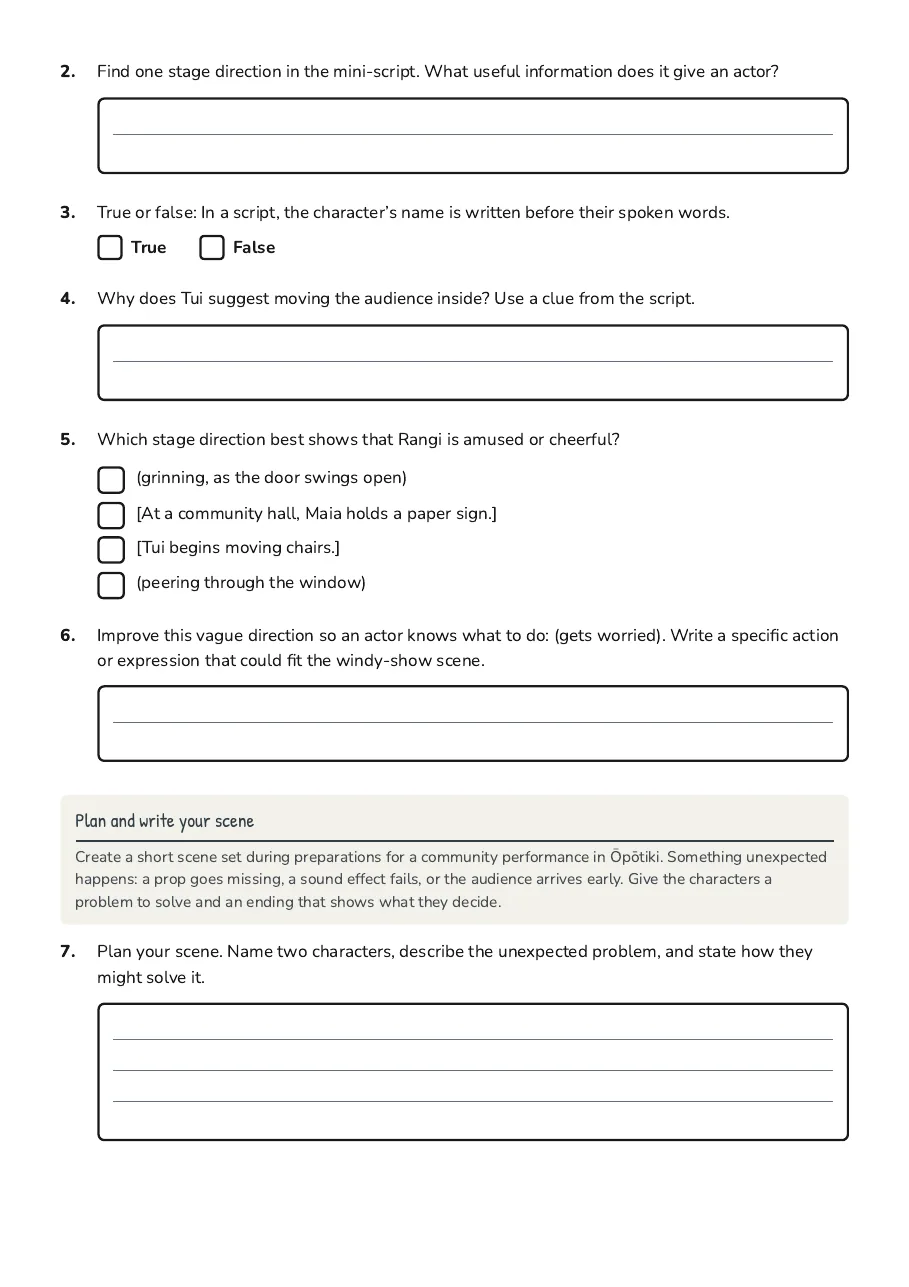
- (grinning, as the door swings open)
- [At a community hall, Maia holds a paper sign.]
- [Tui begins moving chairs.]
- (peering through the window)
Plan and write your scene
Create a short scene set during preparations for a community performance in Ōpōtiki. Something unexpected happens: a prop goes missing, a sound effect fails, or the audience arrives early. Give the characters a problem to solve and an ending that shows what they decide.
3 printable pages
Page 1
Page 2
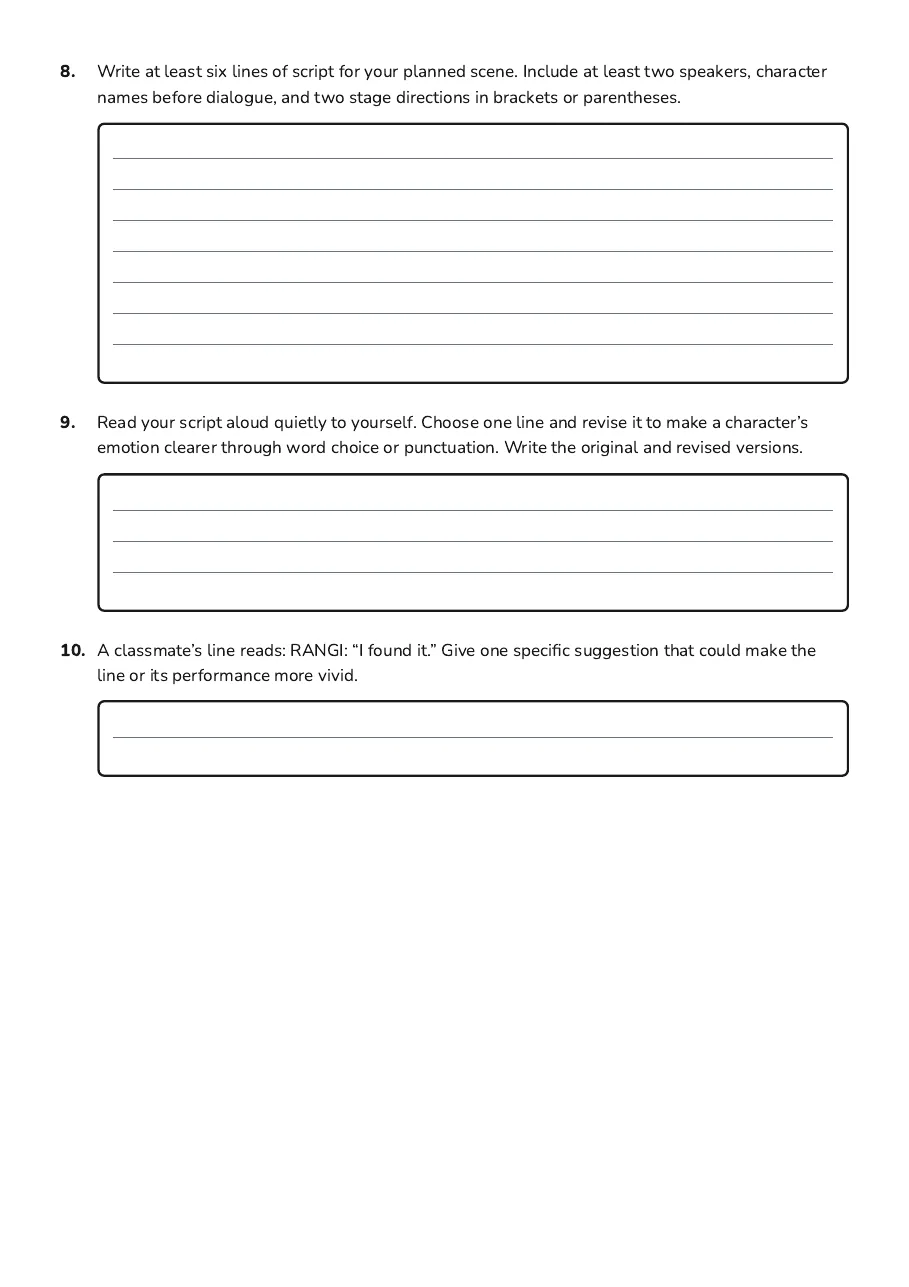
Page 3
About This Worksheet
Free in Kuraplan
Sign up free, grab the PDF, and customize it for your class.
Print-Ready
Formatted for standard paper. Clean layout, easy to read.
AI-Generated
Created with Kuraplan's AI, designed for real classroom use.
For Teachers & Parents
Use in classrooms, for homework, tutoring, or homeschool.
Need a custom version of this worksheet?
Kuraplan's AI generates custom worksheets in seconds — differentiated for every learner, aligned to your curriculum.
Generate Custom Worksheets — FreeMore English Worksheets
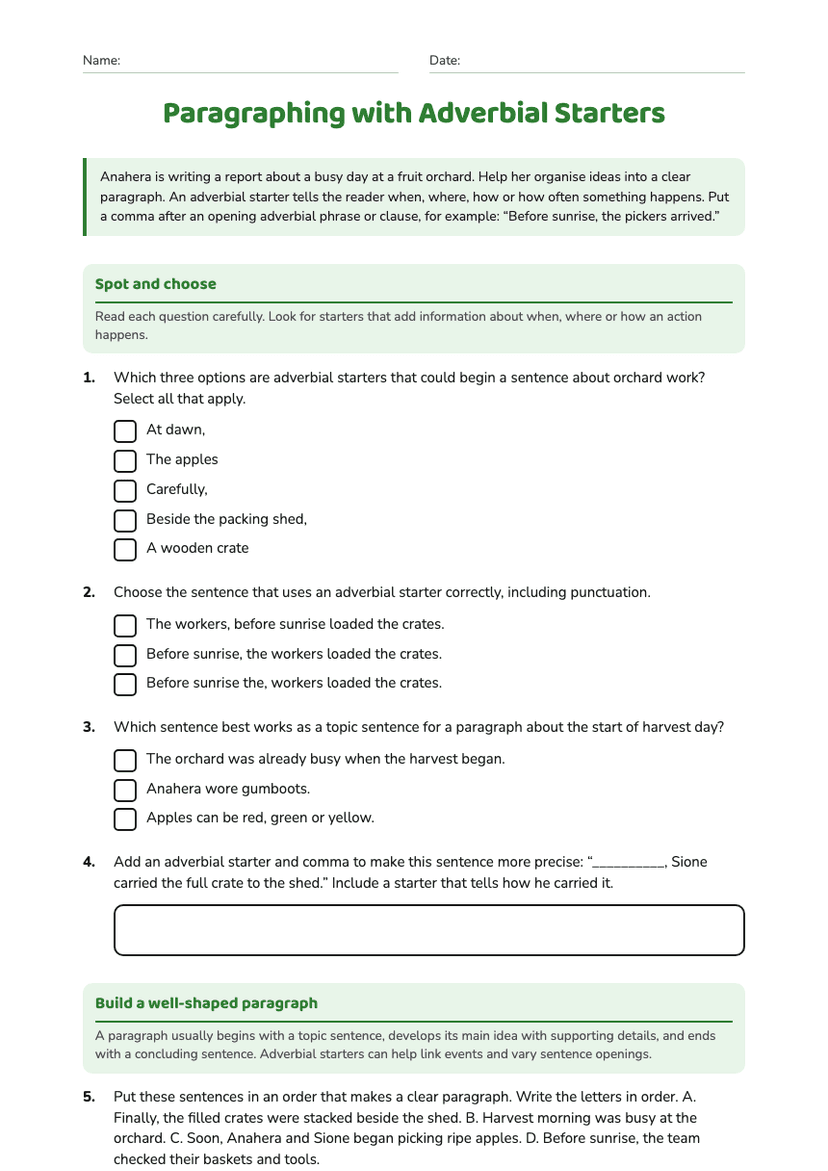
Paragraphing with Adverbial Starters
Free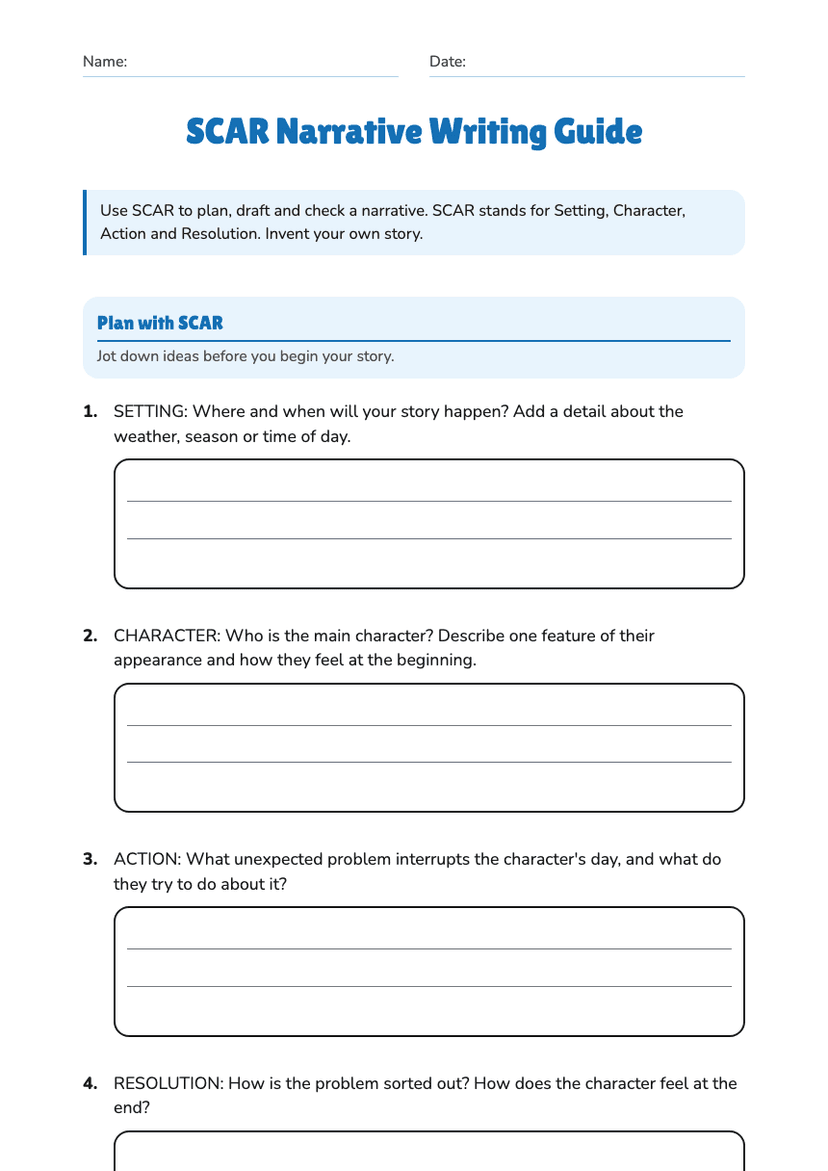
SCAR Narrative Writing Guide
Free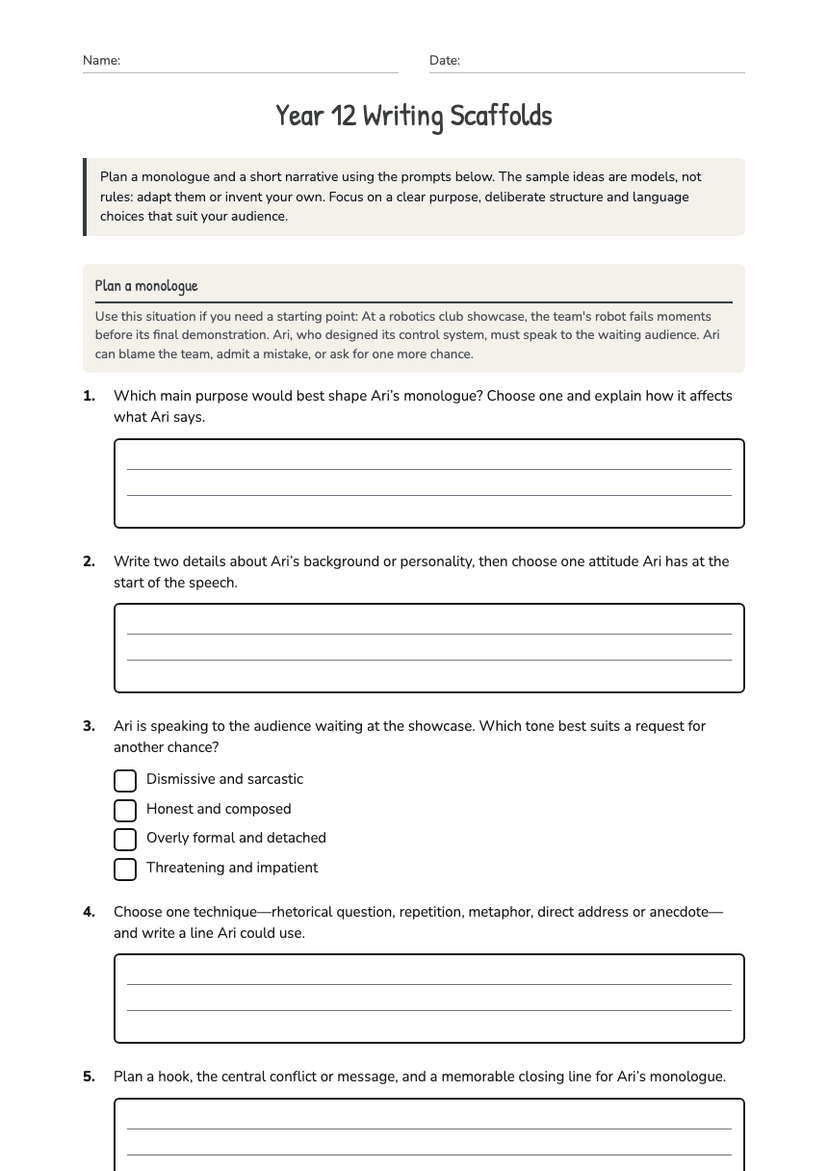
Year 12 Writing Scaffolds
Free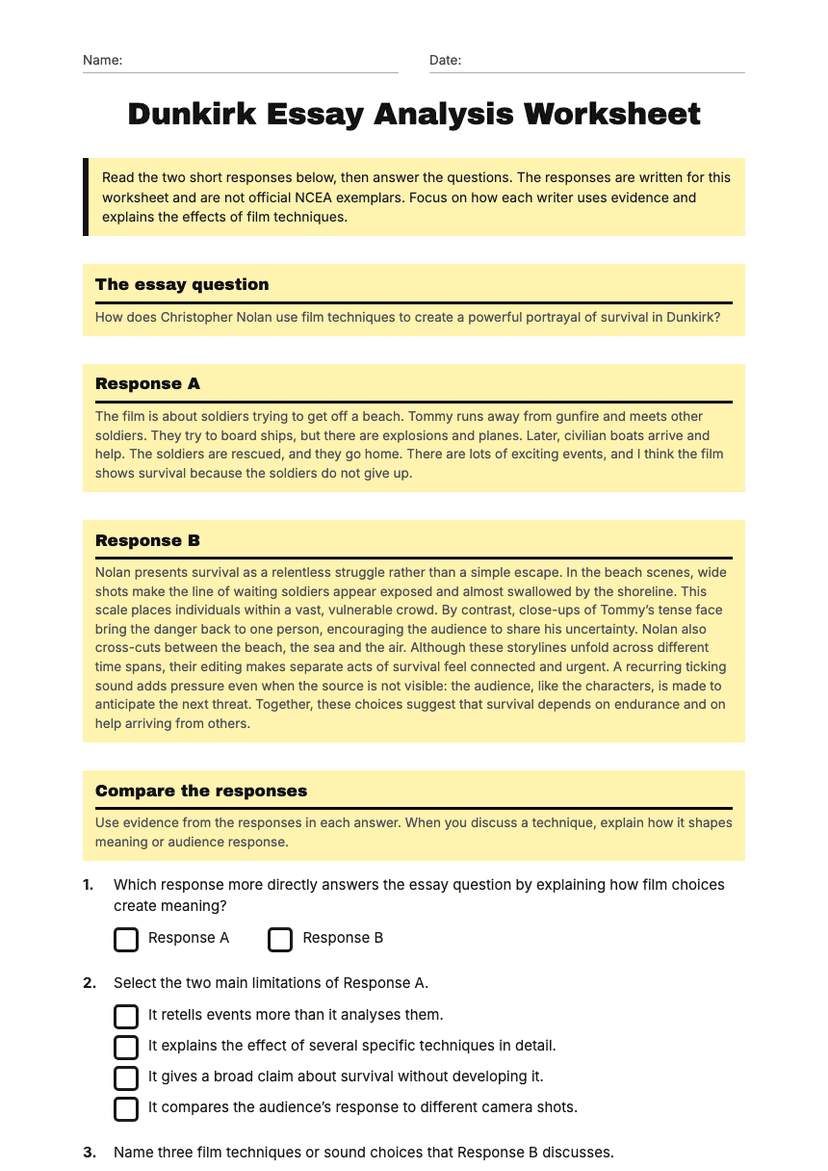
Dunkirk Essay Analysis Worksheet
Free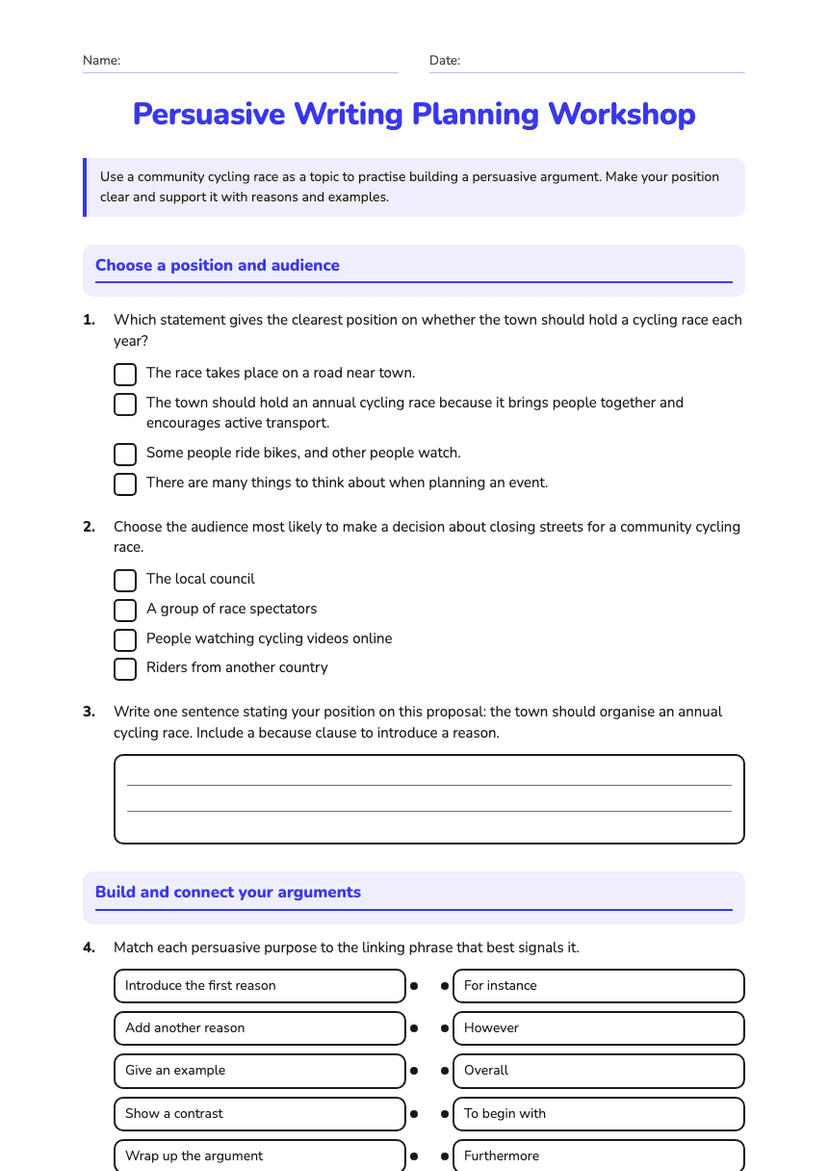
Persuasive Writing Planning Workshop
Free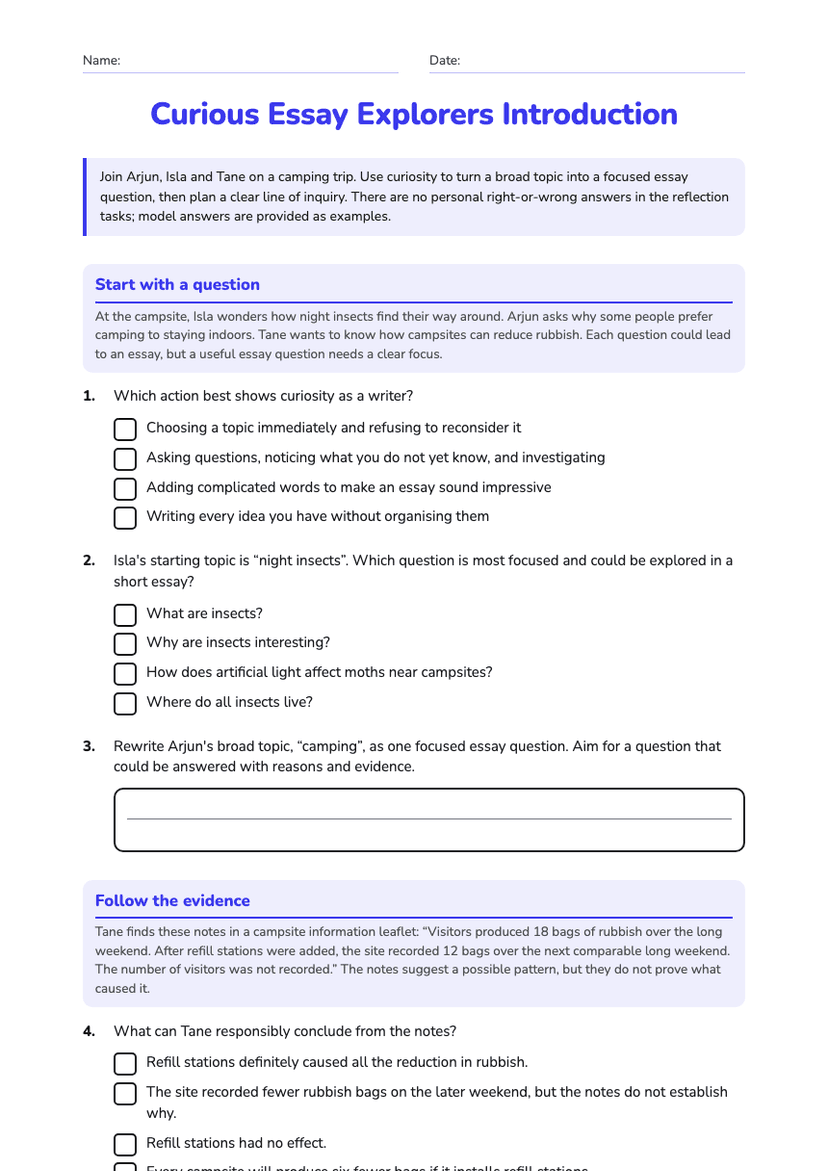
Curious Essay Explorers Introduction
Free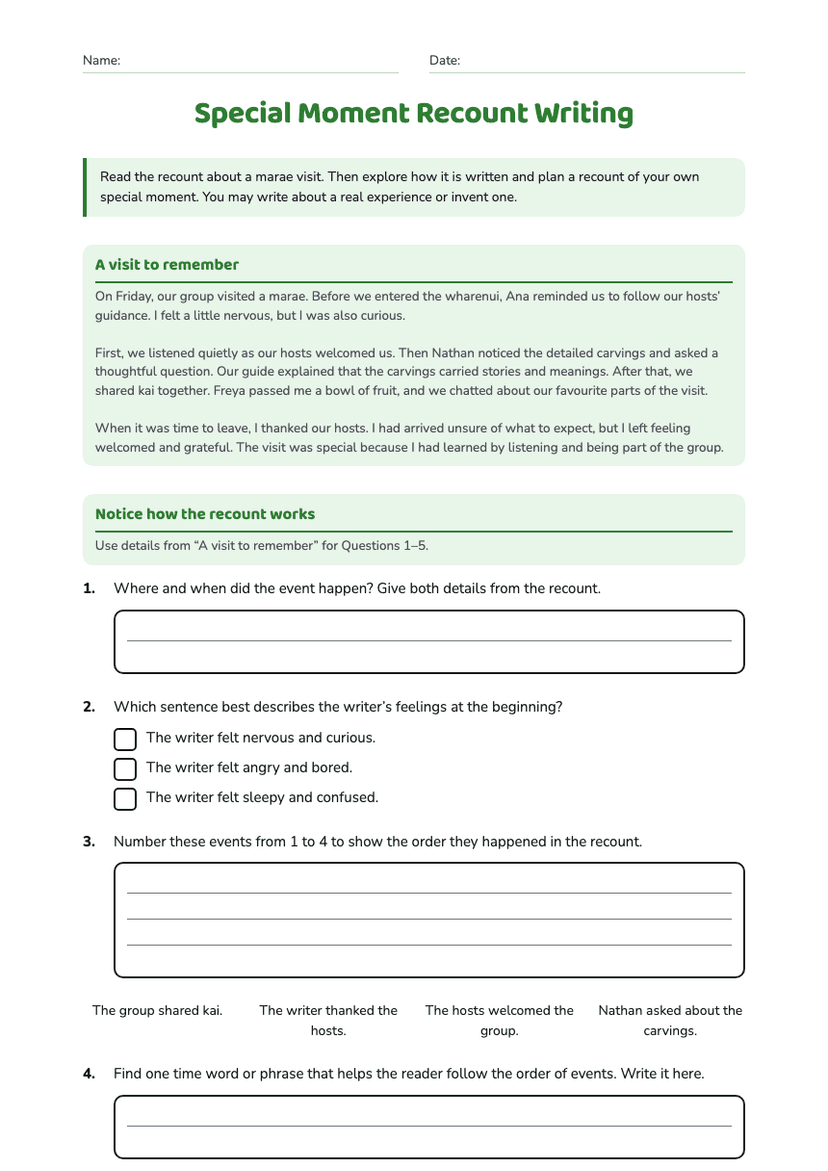
Special Moment Recount Writing
Free