Fractions Overview: Year 11 Maths
Open this deck in Kuraplan
Sign in to view all 10 slides, customise, present or download.
Slide preview
First 10 of 10 slides
Fractions Overview: Year 11 Maths
Understanding the fundamentals Building mathematical confidence 45-minute lesson
Learning Objectives
Understand what a fraction is and identify numerator and denominator Distinguish between proper fractions and whole numbers as fractions Create simple fractions from visual representations Use correct mathematical vocabulary with confidence
Key Mathematical Vocabulary
Numerator: The top number in a fraction Denominator: The bottom number in a fraction Proper Fraction: When numerator is less than denominator
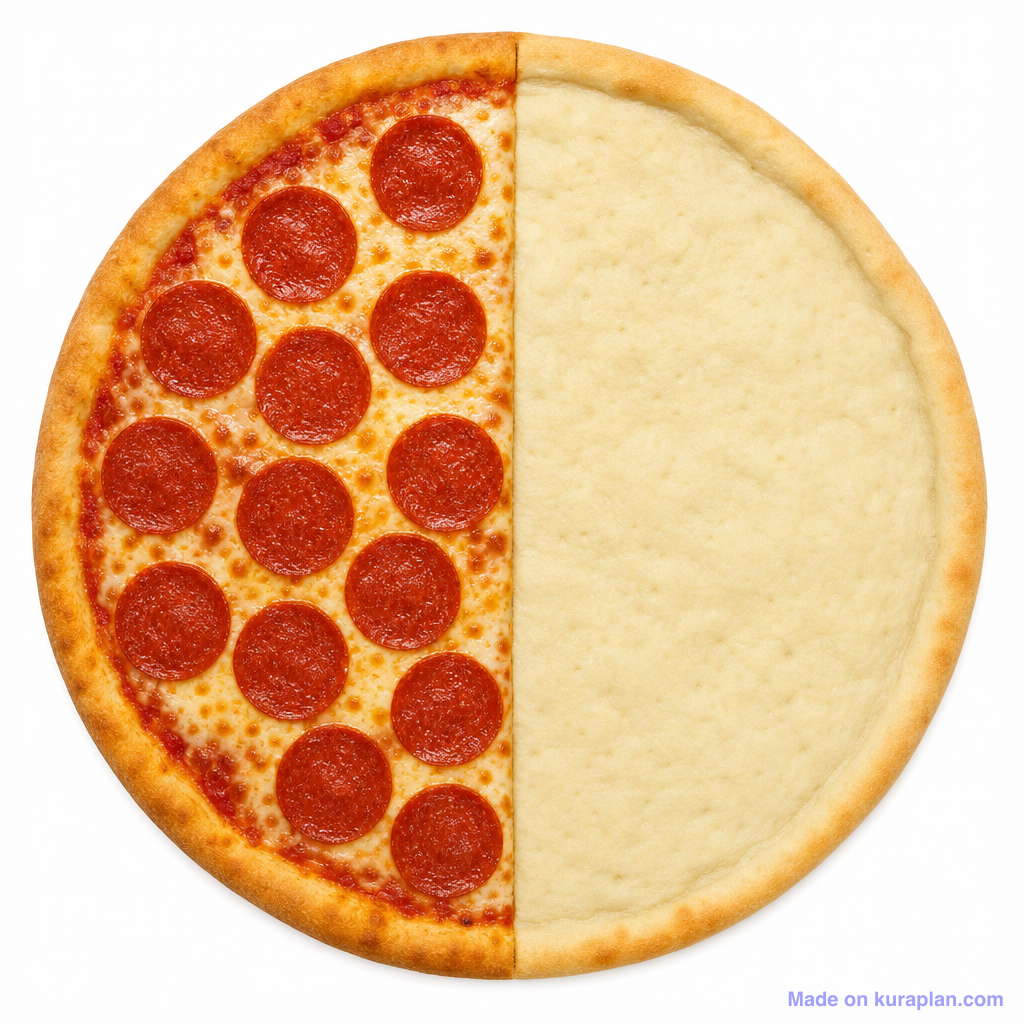
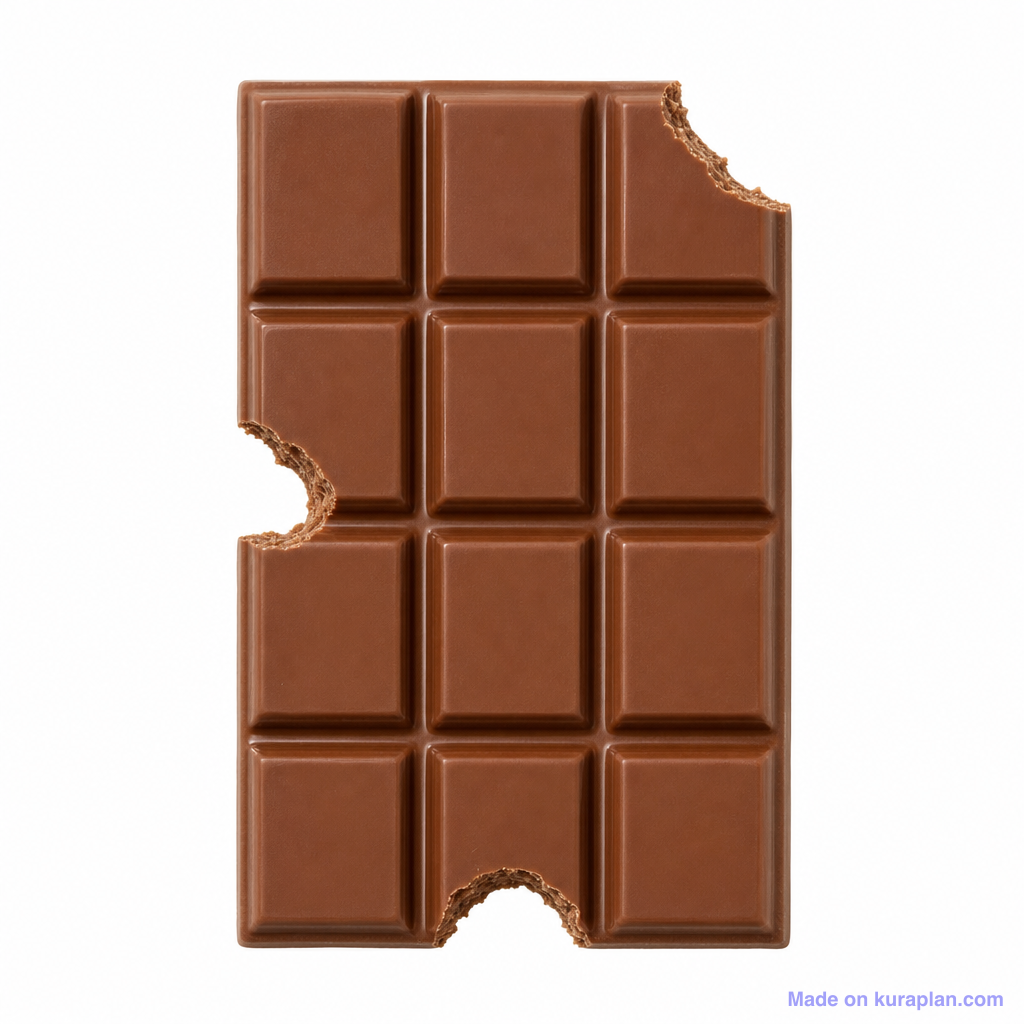
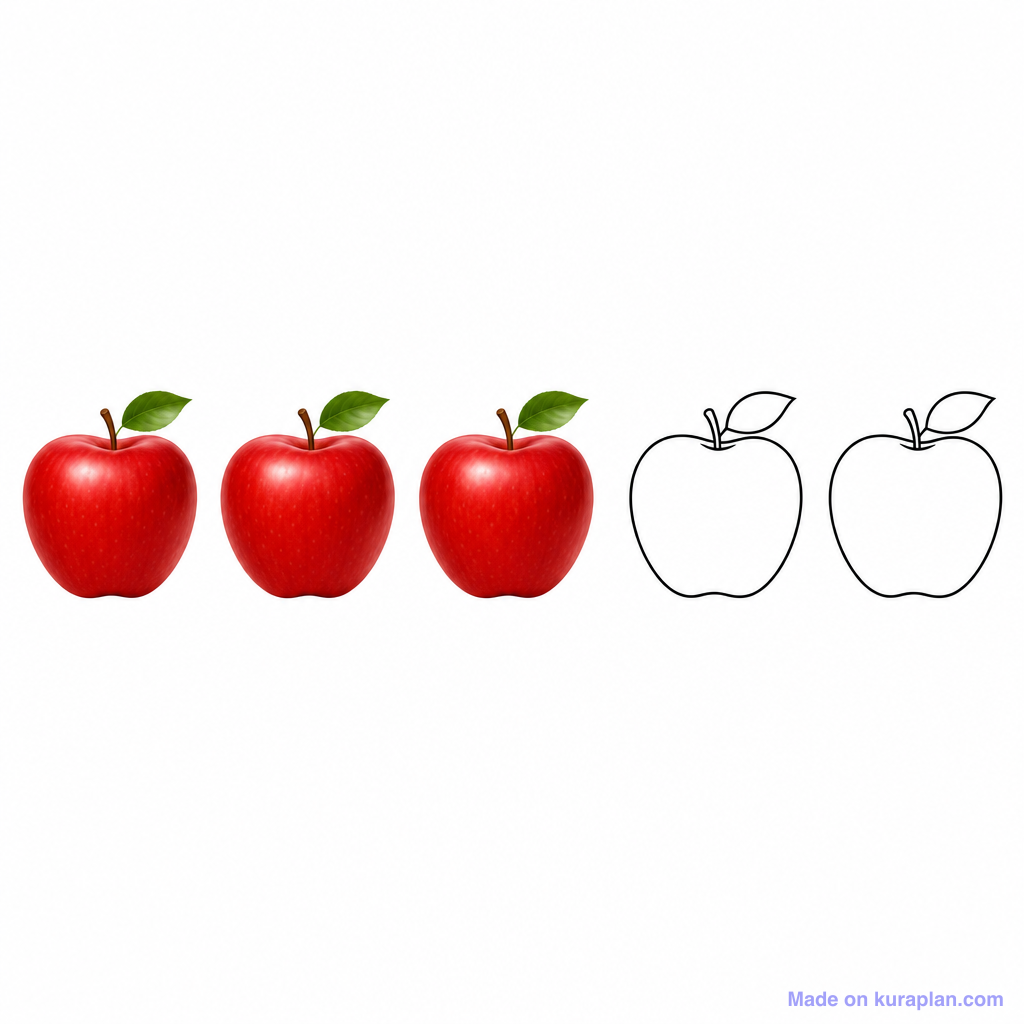
Visual Fraction Representations
Do Now: Quick Fraction Review
Look at the shapes on your mini whiteboard Identify what fraction is shaded Write your answer clearly Be ready to explain your thinking
Understanding Fractions with Visual Aids
{"left":"A fraction represents part of a whole\nThe numerator tells us how many parts we have","right":"The denominator tells us how many equal parts the whole is divided into\nProper fractions have numerators smaller than denominators"}
Main Task: Identify and Create Fractions
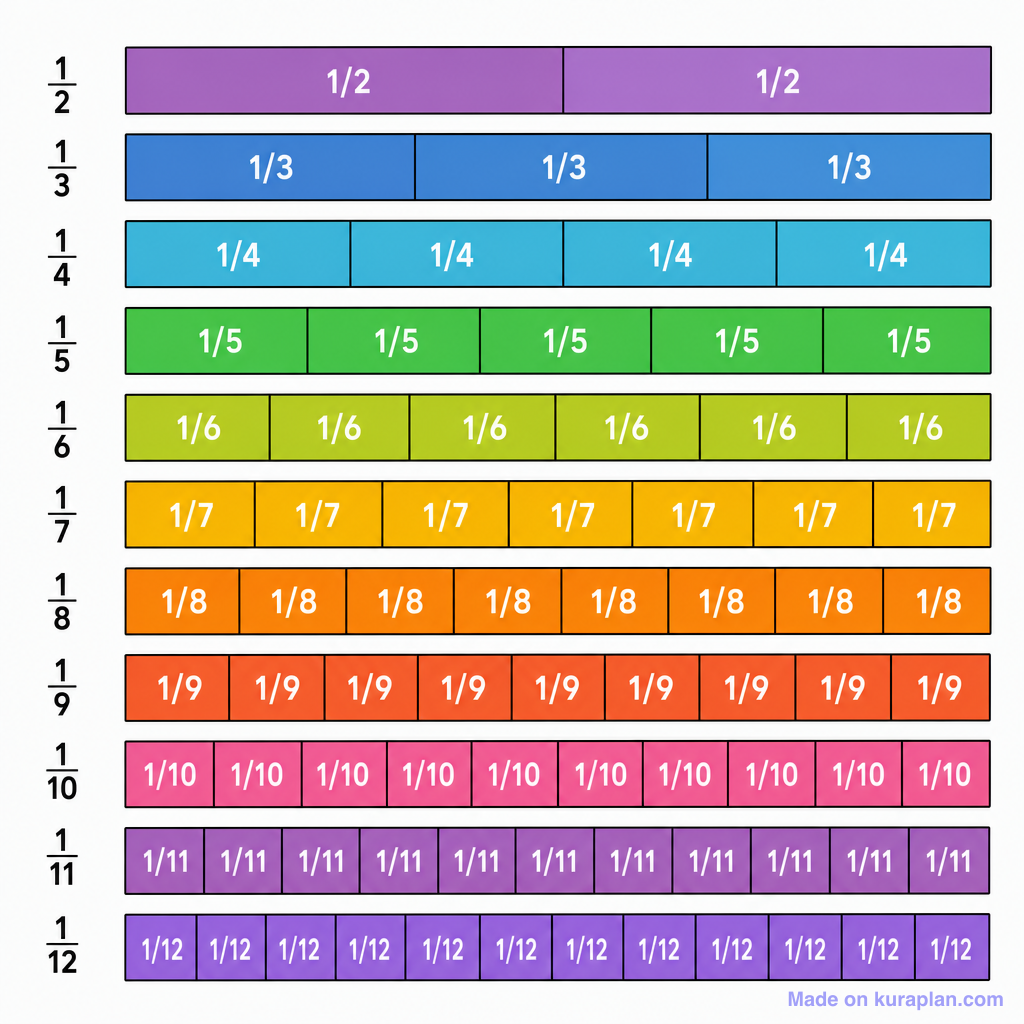
Activity 1: Identify fractions from diagrams (3 minutes) Activity 2: Use fraction bars to create specified fractions (10 minutes) Activity 3: Challenge - Write whole numbers as fractions (7 minutes) Work in pairs and explain your reasoning
Quick Check: Can You Solve These?
What is the numerator in the fraction 4/7? Is 5/3 a proper fraction? Why or why not? Write a fraction showing 3 parts out of 8 How do you write the whole number 6 as a fraction?
Differentiation Strategies
Support: Use simpler fraction diagrams and number lines Challenge: Explore improper fractions and mixed numbers All students: Explain reasoning to develop deeper understanding Visual, tactile, and verbal learning approaches
Lesson Summary & Next Steps
We've mastered fraction vocabulary and identification You can now create fractions from visual representations Next lesson: Equivalent fractions and simplification Homework: Create a fraction poster with five different fractions