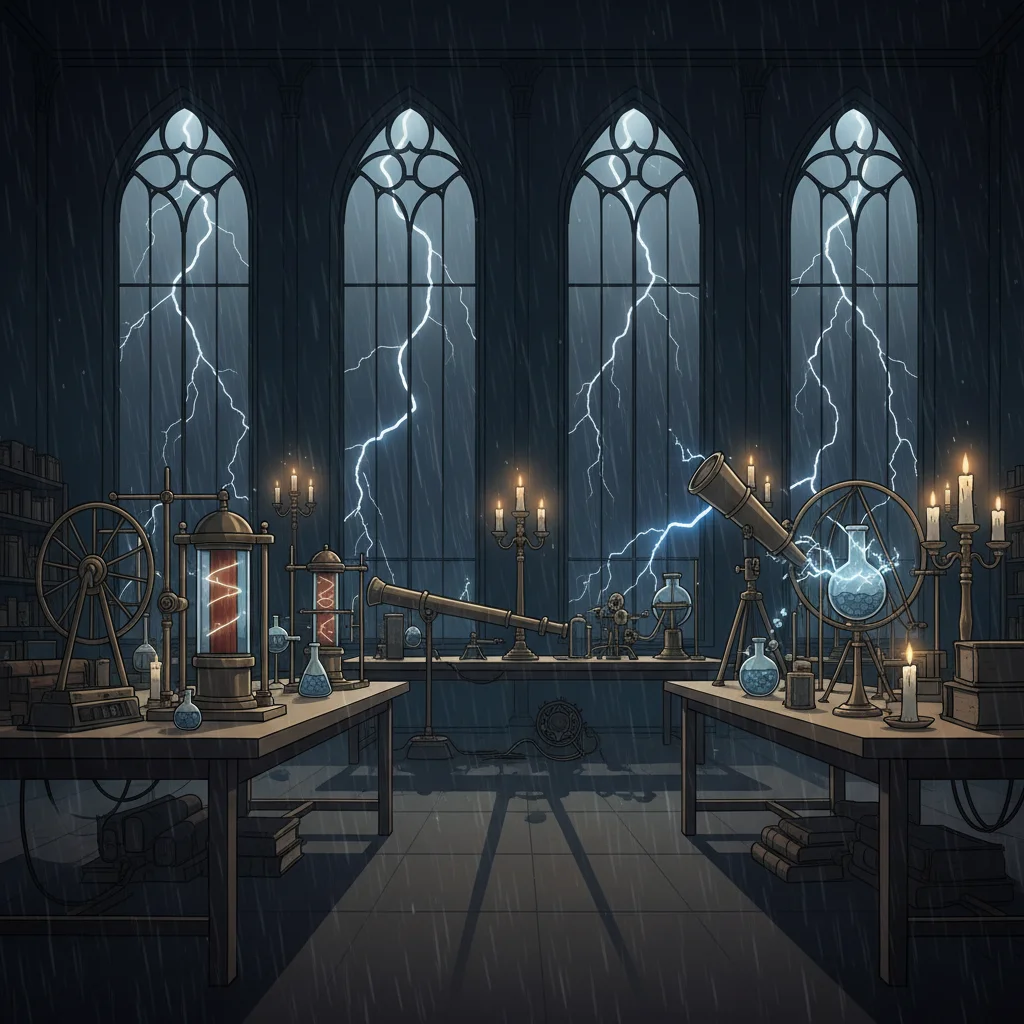
Frankenstein: Gothic Language and Literary Devices
Mary Shelley's Masterpiece Year 10 English Literature Exploring Gothic Elements and Language Techniques

Learning Objectives
Identify and analyze Gothic language features in Frankenstein Recognize literary devices and their effects on the reader Understand how Mary Shelley creates atmosphere and tension Develop skills in close textual analysis Practice different question types for assessment preparation
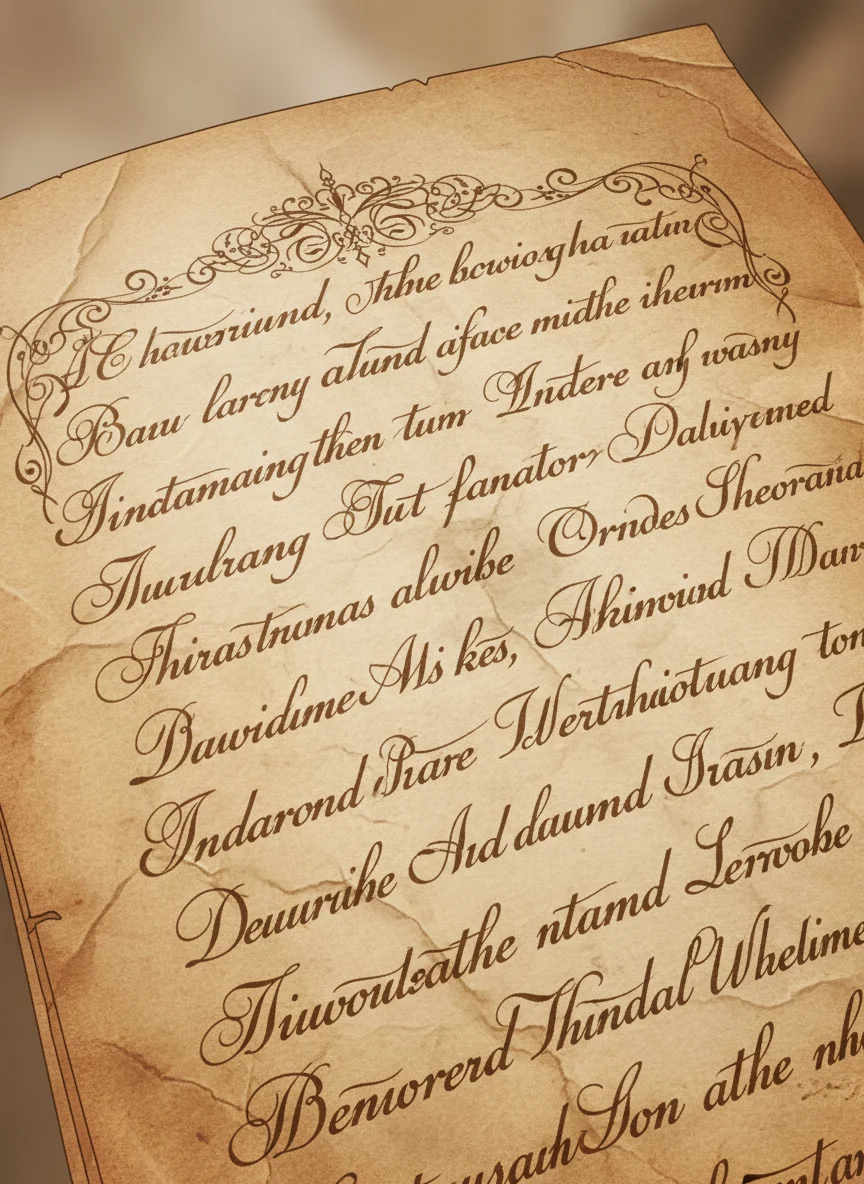
Extract Section 1: The Creation Scene
'It was on a dreary night of November that I beheld the accomplishment of my toils. With an anxiety that almost amounted to agony, I collected the instruments of life around me, that I might infuse a spark of being into the lifeless thing that lay at my feet.' Read this opening carefully Consider the atmosphere Shelley creates Notice the word choices and their effects
Questions: Creation Scene Analysis
MULTIPLE CHOICE: What effect does the phrase 'dreary night of November' create? A) Excitement and anticipation B) Ominous, dark atmosphere C) Romantic mood D) Scientific precision SHORT ANSWER: Explain how the phrase 'anxiety that almost amounted to agony' shows Victor's emotional state. (Type your answer below) ANALYSIS: What does 'lifeless thing' suggest about how Victor views his creation? Explain your thinking.

Model Answers: Creation Scene
MULTIPLE CHOICE: B) Ominous, dark atmosphere - 'dreary' and 'November' create foreboding SHORT ANSWER: Victor's emotional state is extremely tense and distressed. 'Anxiety that almost amounted to agony' uses hyperbole to show his overwhelming nervousness and fear about what he's doing. ANALYSIS: 'Lifeless thing' is dehumanizing language - Victor doesn't see his creation as a person but as an object. This cold, scientific terminology contrasts with the emotional intensity of the moment and foreshadows his later rejection of the creature.
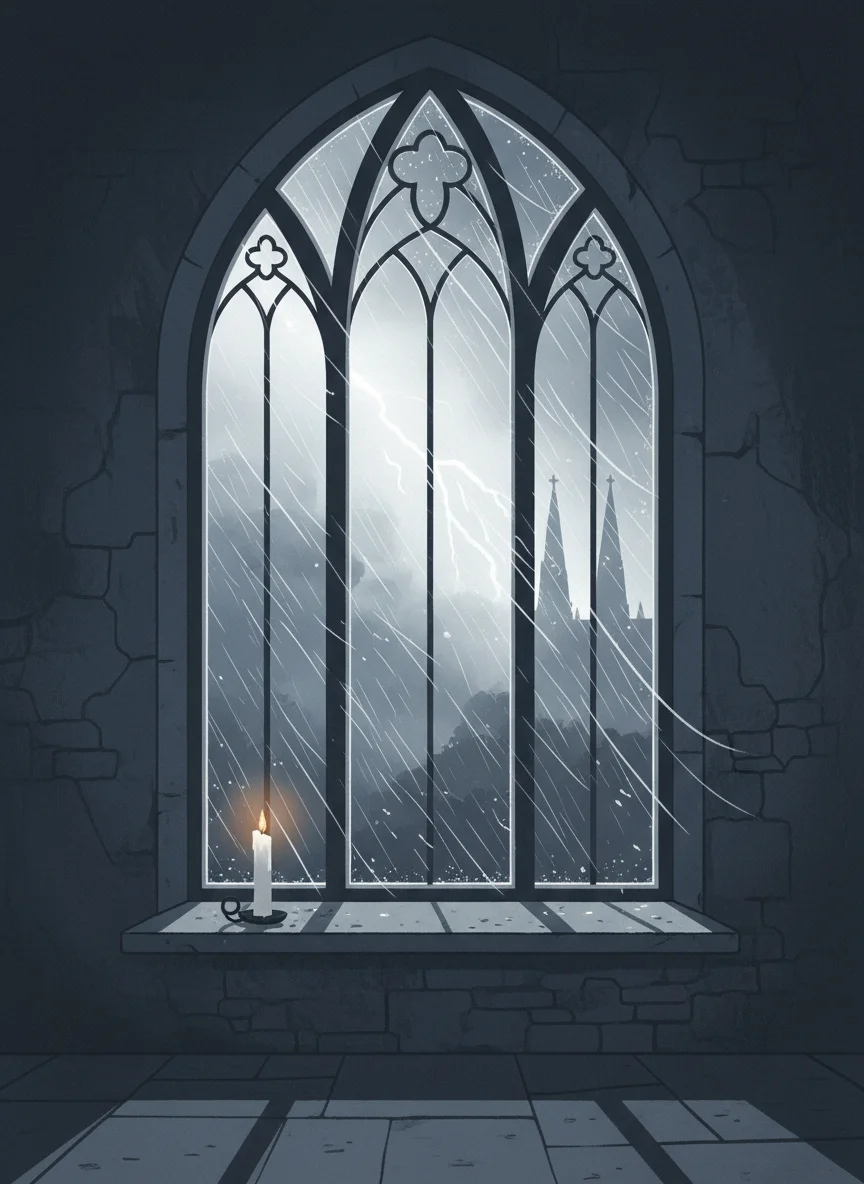
Extract Section 2: The Creature Awakens
'It was already one in the morning; the rain pattered dismally against the panes, and my candle was nearly burnt out, when, by the glimmer of the half-extinguished light, I saw the dull yellow eye of the creature open; it breathed hard, and a convulsive motion agitated its limbs.' Focus on the sensory details Notice how tension builds Consider the Gothic elements present
Language Analysis Activity
WORD MAPPING: Create a mind map of words/phrases that create Gothic atmosphere in Section 2 SENSORY ANALYSIS: List examples of sight, sound, and movement imagery EFFECT ANALYSIS: For each example, explain its effect on the reader DISCUSSION: Share your findings with a partner Use the text box areas to record your analysis
Extract Section 3: Victor's Horror
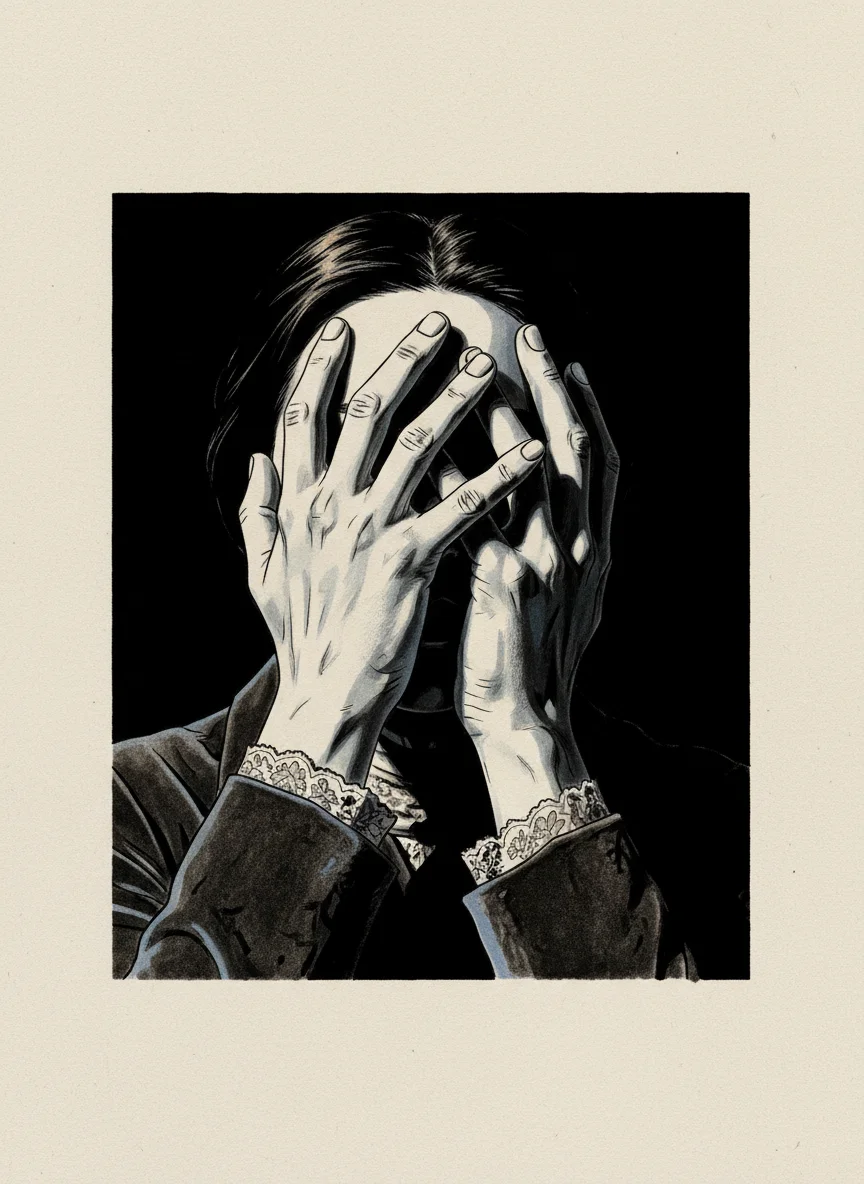
'How can I describe my emotions at this catastrophe, or how delineate the wretch whom with such infinite pains and care I had endeavoured to form? His limbs were in proportion, and I had selected his features as beautiful. Beautiful! Great God!' Notice Victor's changing perspective Observe the contrast between intention and reality Consider the emotional language used
Questions: Victor's Response
LANGUAGE TECHNIQUE: What is the effect of the rhetorical questions at the start of this section? CONTRAST ANALYSIS: How does Shelley contrast Victor's intentions with reality? Give specific examples. RELIGIOUS LANGUAGE: Find an example of religious language and explain why Shelley includes it. IRONY: Explain the irony in Victor calling his creation 'beautiful' then expressing horror.
Model Answers: Victor's Response
RHETORICAL QUESTIONS: They show Victor's inability to express his horror - he's overwhelmed. They also draw readers in, making them share his shock. CONTRAST: Victor intended 'beautiful' features but created a 'wretch.' He used 'infinite pains and care' but the result is 'catastrophe.' RELIGIOUS LANGUAGE: 'Great God!' shows Victor's shock and suggests he's transgressed against divine order - a key Gothic theme. IRONY: Victor calls it 'Beautiful!' but immediately recoils in horror, showing the gap between his scientific ambition and the reality of what he's created.
Summary: Gothic Language Mastery
Gothic atmosphere through weather and setting imagery Emotional language showing psychological states Religious references highlighting moral themes Contrast and irony revealing character conflicts Sensory details creating vivid, unsettling scenes Rhetorical devices engaging reader emotions
More English Literature slide decks
Other ready-to-teach english literature decks for UK classrooms.

Maya Angelou: Poetry and Resilience

Macbeth GCSE Mastery: Grades 7-8
Macbeth GCSE Mastery: Grades 7-8

Romeo & Juliet: Prologue to Passion
Romeo & Juliet: Prologue to Passion