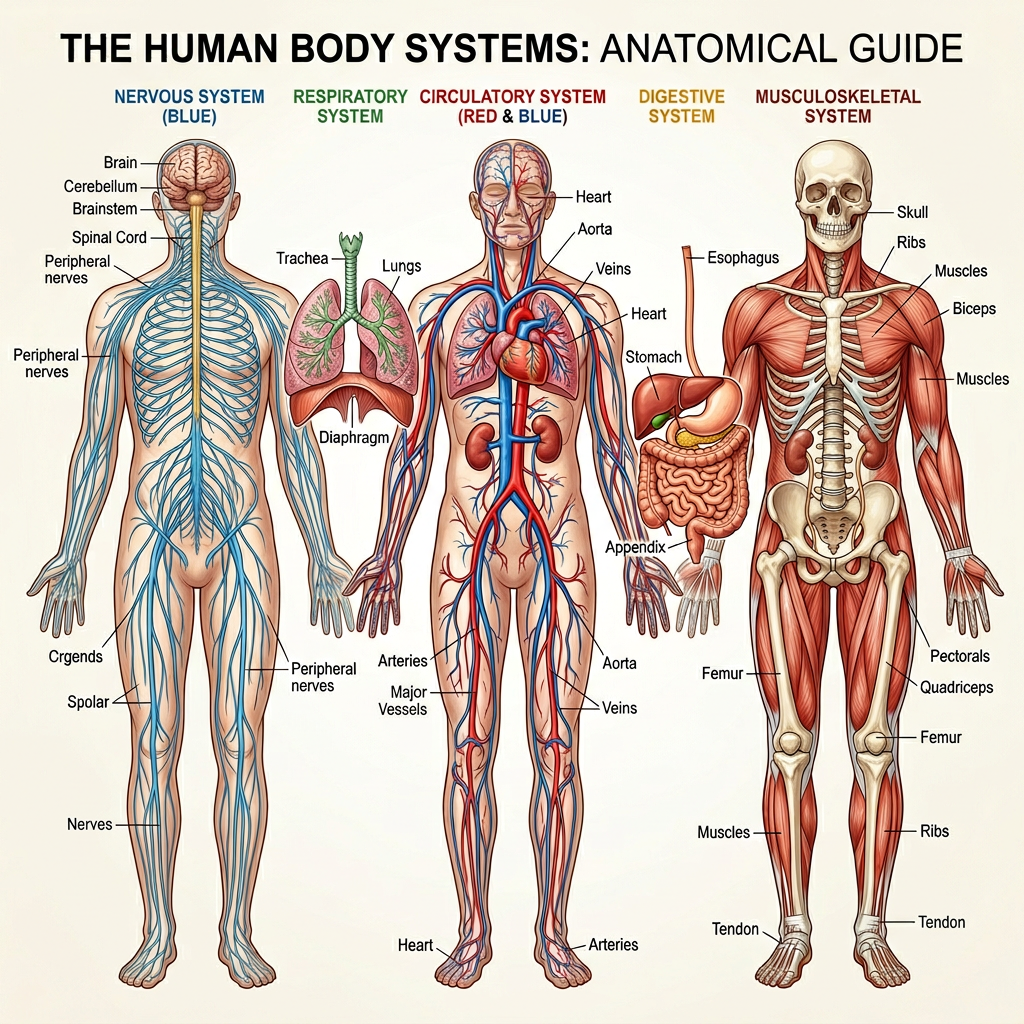
Anatomy & Physiology: Hands-On Exploration
Grade 10 Science 60-Minute Interactive Journey Discovering Human Body Systems
Learning Objectives
Describe structure and function of key body systems Understand homeostasis and its importance Engage in student-led exploration activities Collaborate effectively in small groups Use scientific vocabulary accurately Develop critical thinking through real-world connections
Standards Alignment
NGSS HS-LS1-3: Investigate feedback mechanisms in homeostasis CCSS RST.9-10.3: Follow complex procedures in experiments CCSS SL.9-10.1: Participate in collaborative discussions CCSS RST.9-10.2: Determine central ideas in scientific texts
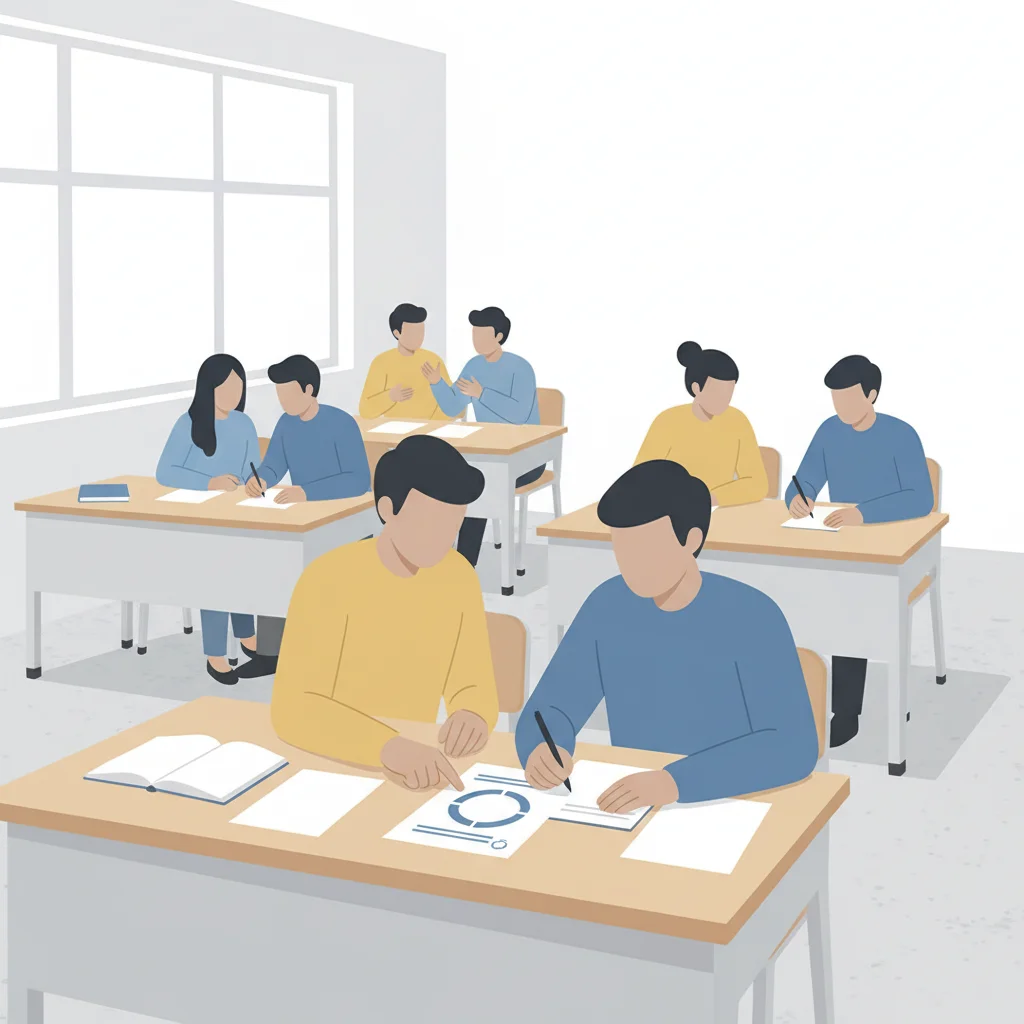
Warm-Up Quiz & Hypothesis Generation
Take the 5-question quiz to activate prior knowledge Before answers are revealed, discuss with your partner Generate hypotheses about how body systems work together Ask questions about homeostasis and body functions
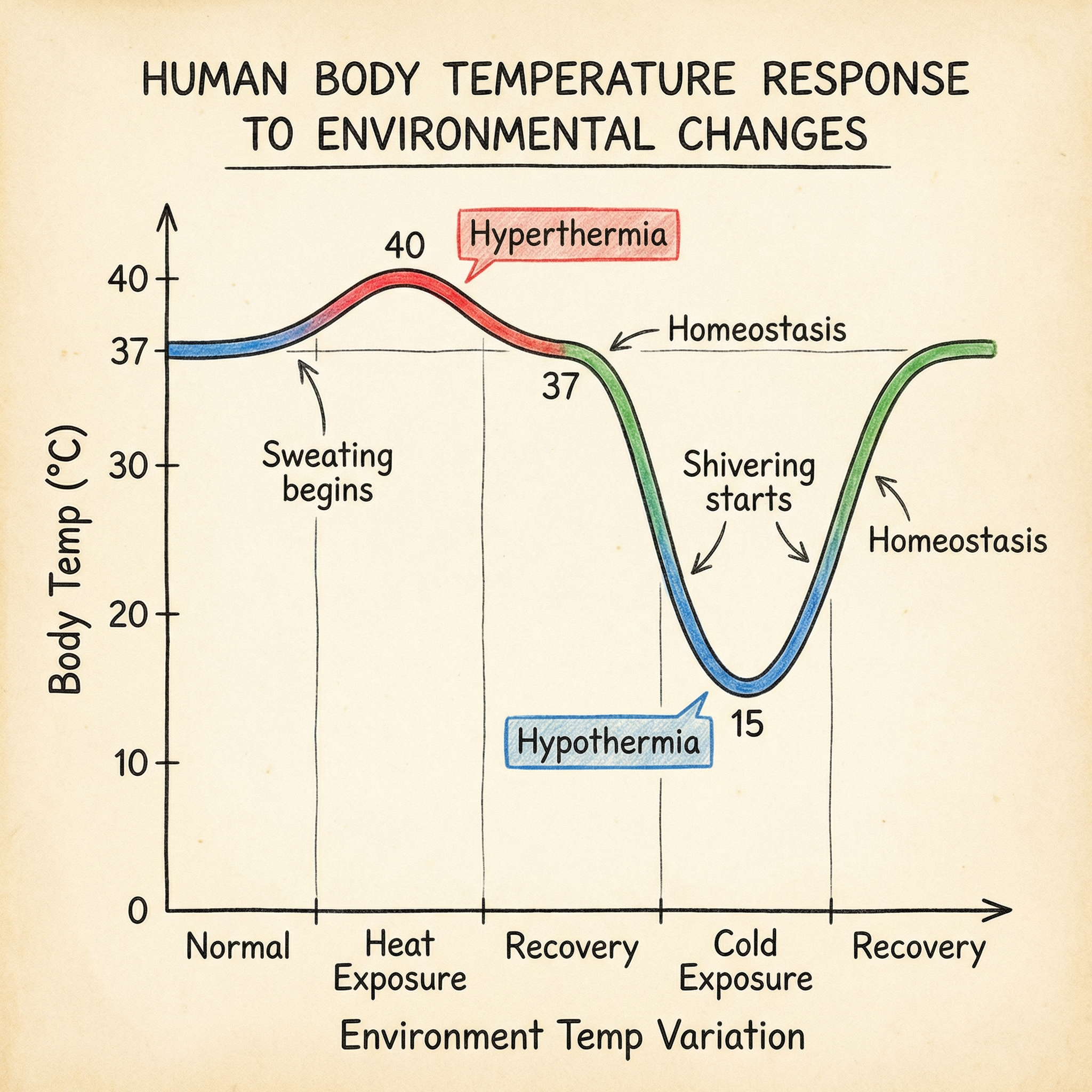
What is Homeostasis?
The tendency of living organisms to maintain stable internal conditions despite changes in the external environment
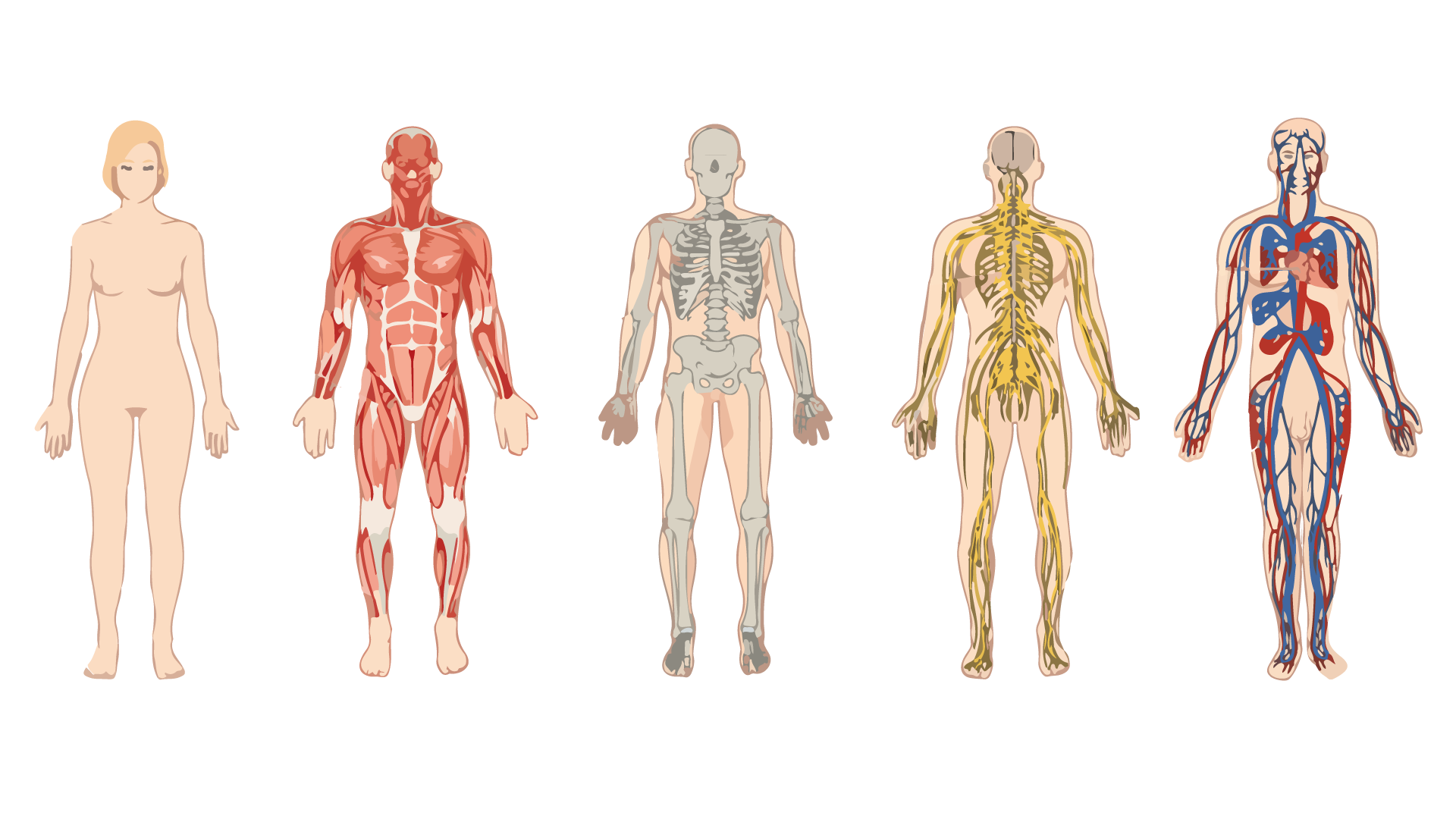
Four Body Systems Exploration Stations
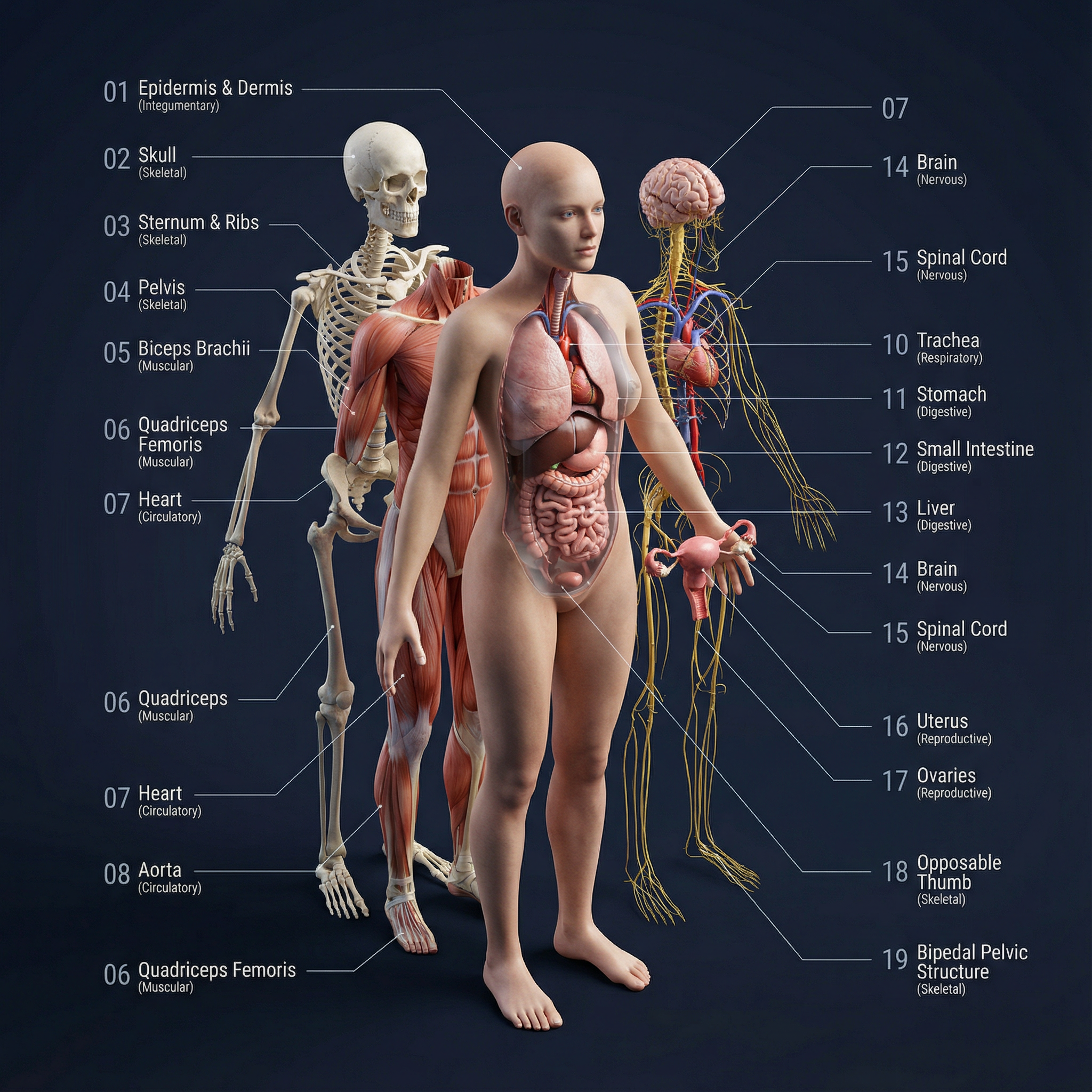
Station Activities Overview
{"left":"Skeletal System: Bone puzzles and structure analysis\nMuscular System: Muscle band sets and movement models\nCirculatory System: Heart pump models and blood flow\nNervous System: Brain models and neuron kits","right":"Complete guided worksheets at each station\nParticipate in cooperative group challenges\nDocument observations and questions in notebooks\nEngage in sensory exploration of all models"}
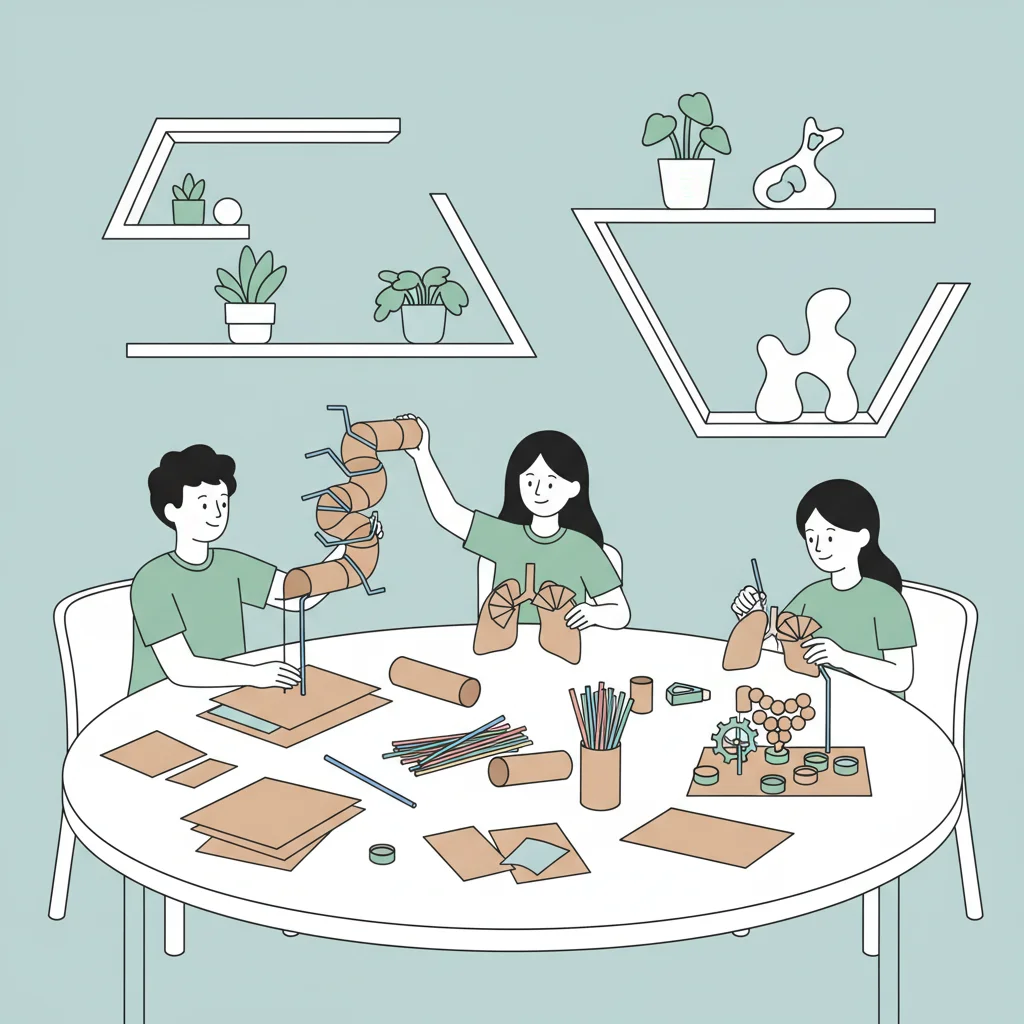
Design Challenge: Build a Homeostasis Model
After visiting all stations, work in groups to design a model Use recycled materials: cardboard, straws, rubber bands, bottles Demonstrate one principle of homeostasis Examples: temperature regulation, blood flow, muscle movement Be creative and explain how your model shows balance
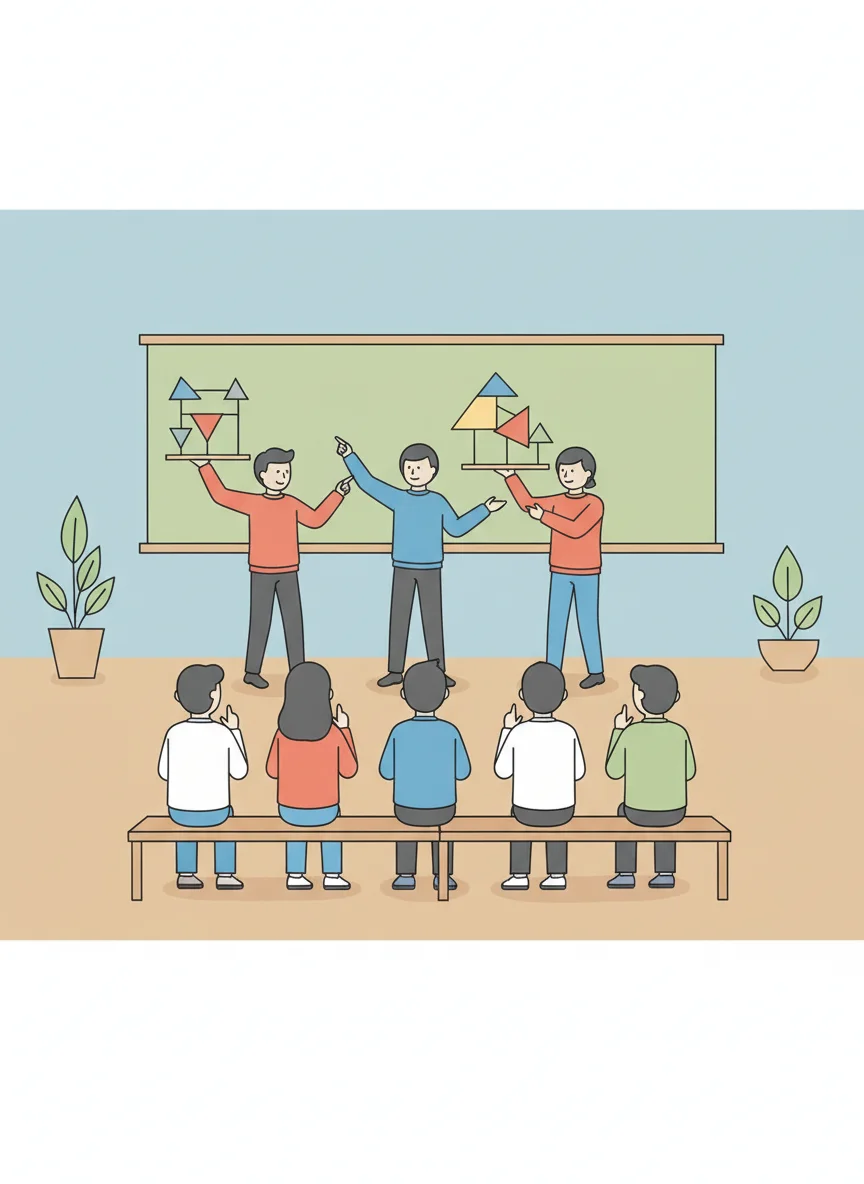
Group Discussion & Model Presentations
Each group shares one key discovery from stations Present and explain your homeostasis model Use specific scientific vocabulary Discuss how systems work together Connect to real-world applications and STEM careers
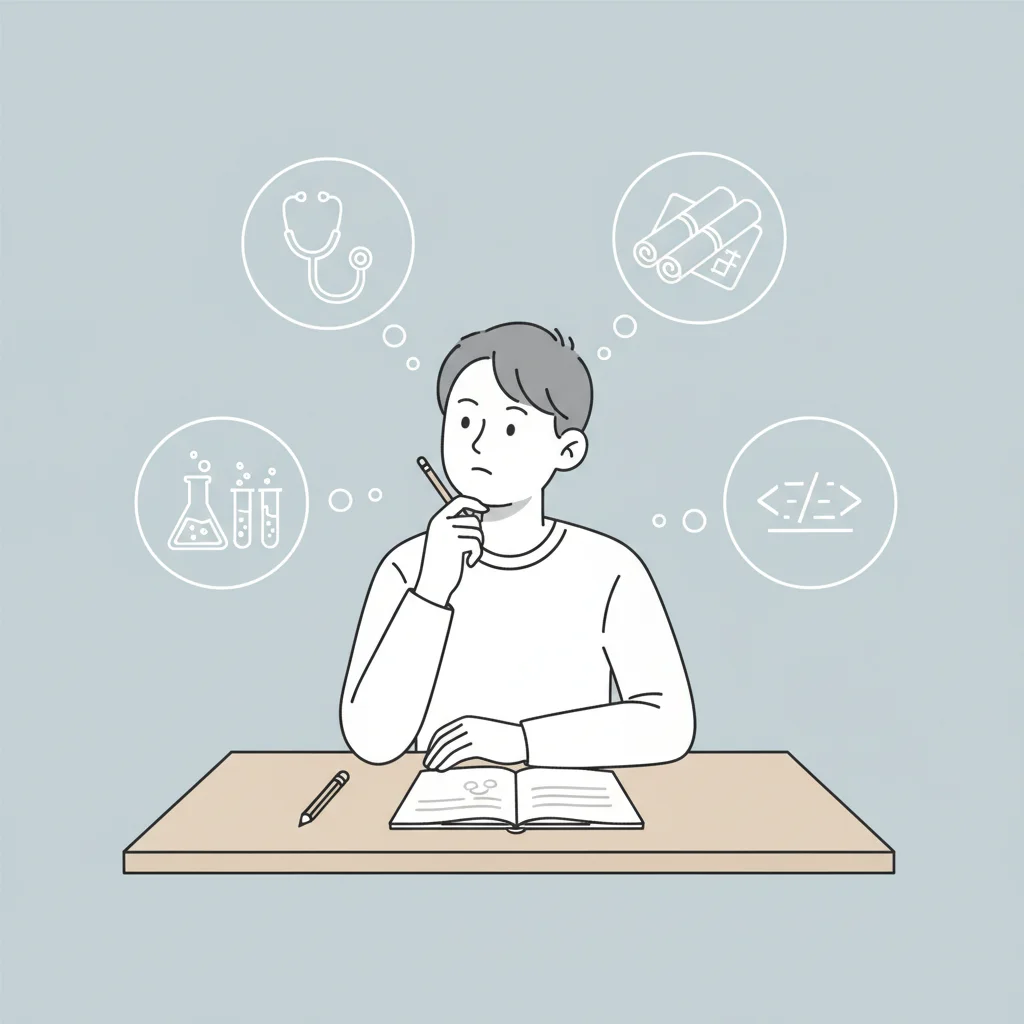
Critical Thinking Reflection
Why is understanding homeostasis important for healthcare professionals? How can the skills you used today apply to STEM careers? What questions do you still have about how body systems work together?
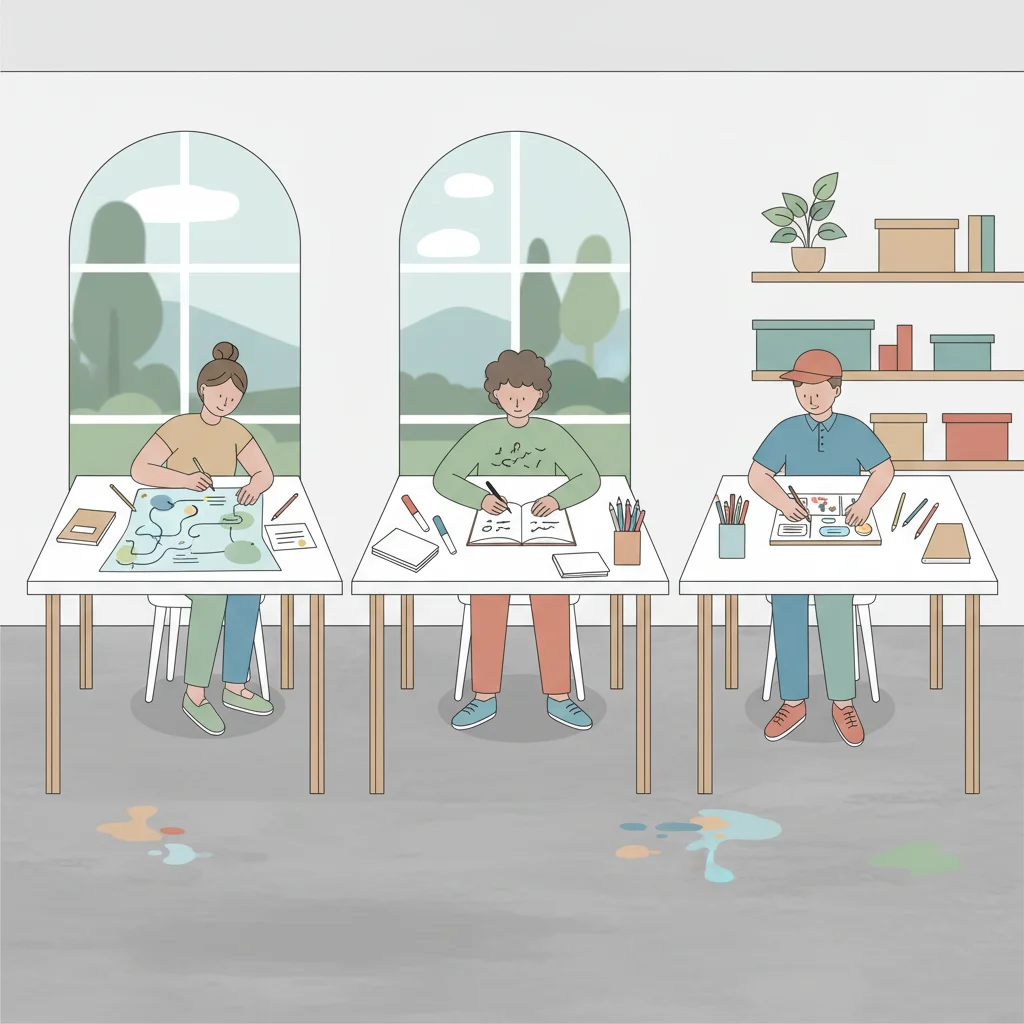
Creative Reflection Task
Create a visual or written representation Show how two or more body systems interact Include your own questions or hypotheses Options: concept map, comic strip, short poem, diagram Focus on homeostasis connections
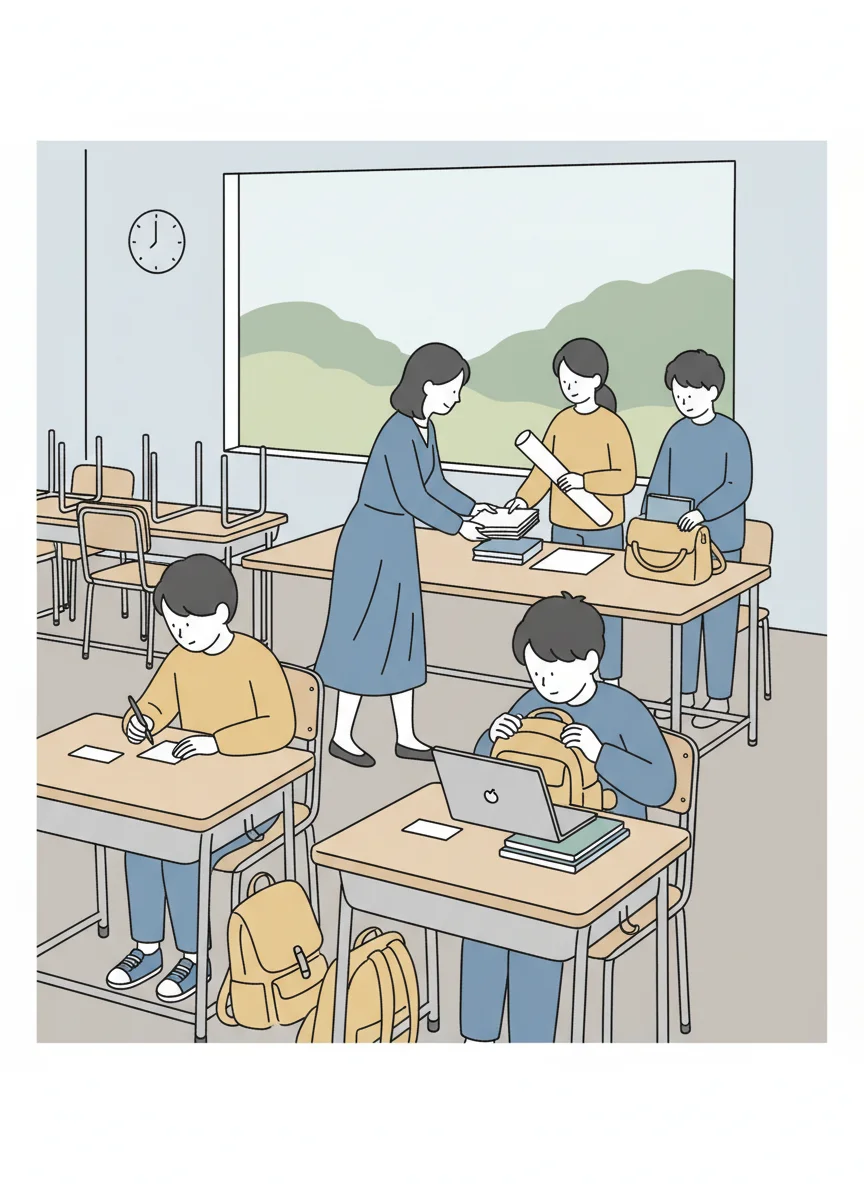
Assessment & Looking Ahead
Exit ticket: Explain how two body systems work together for homeostasis Submit notebooks and worksheets for review Next lesson: Advanced system interactions Continue exploring your questions about the human body Preview upcoming STEM connections and career explorations