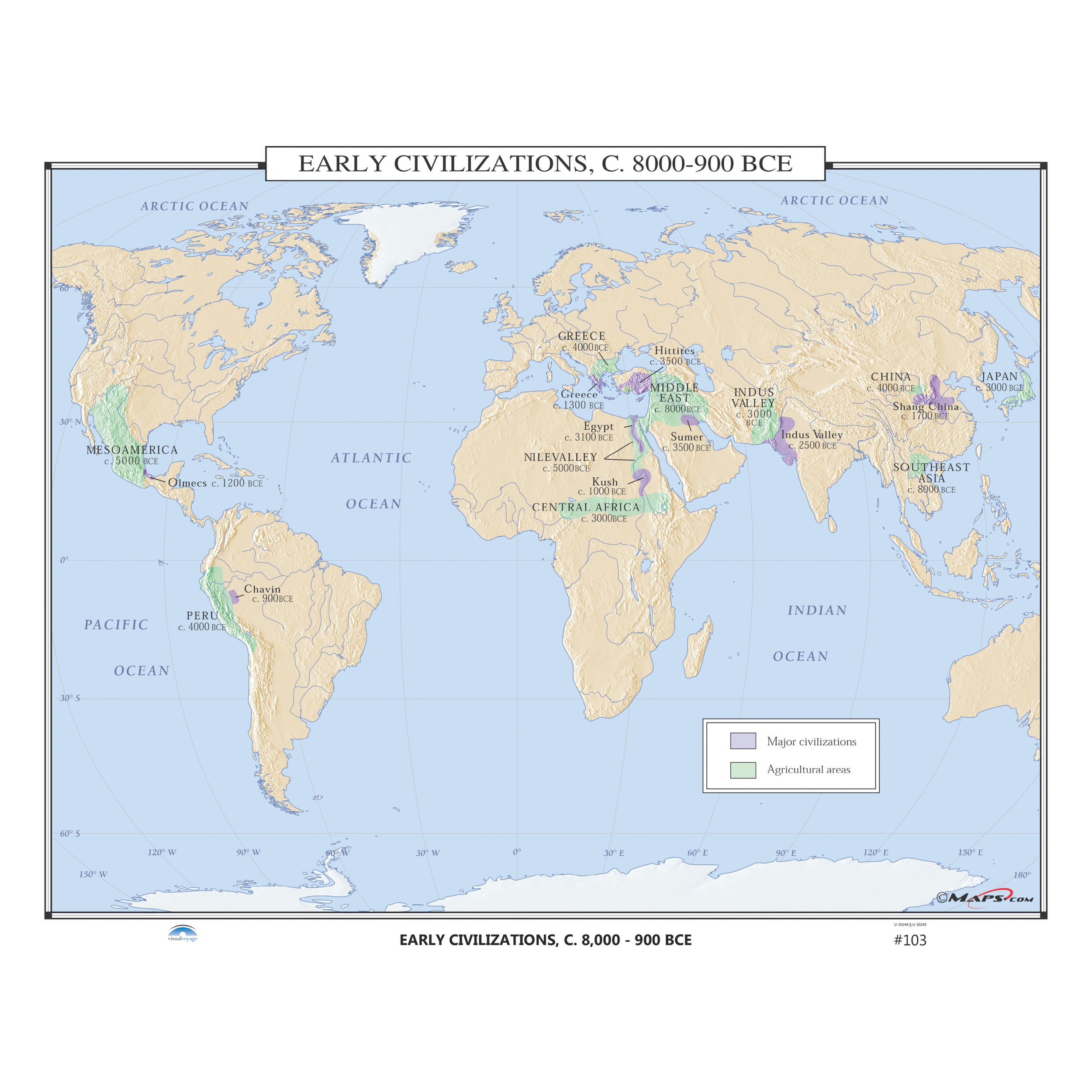
Ancient Civilizations: Geography Shapes History
Exploring How Location Influenced Early Societies Grade 6-8 Social Studies/History
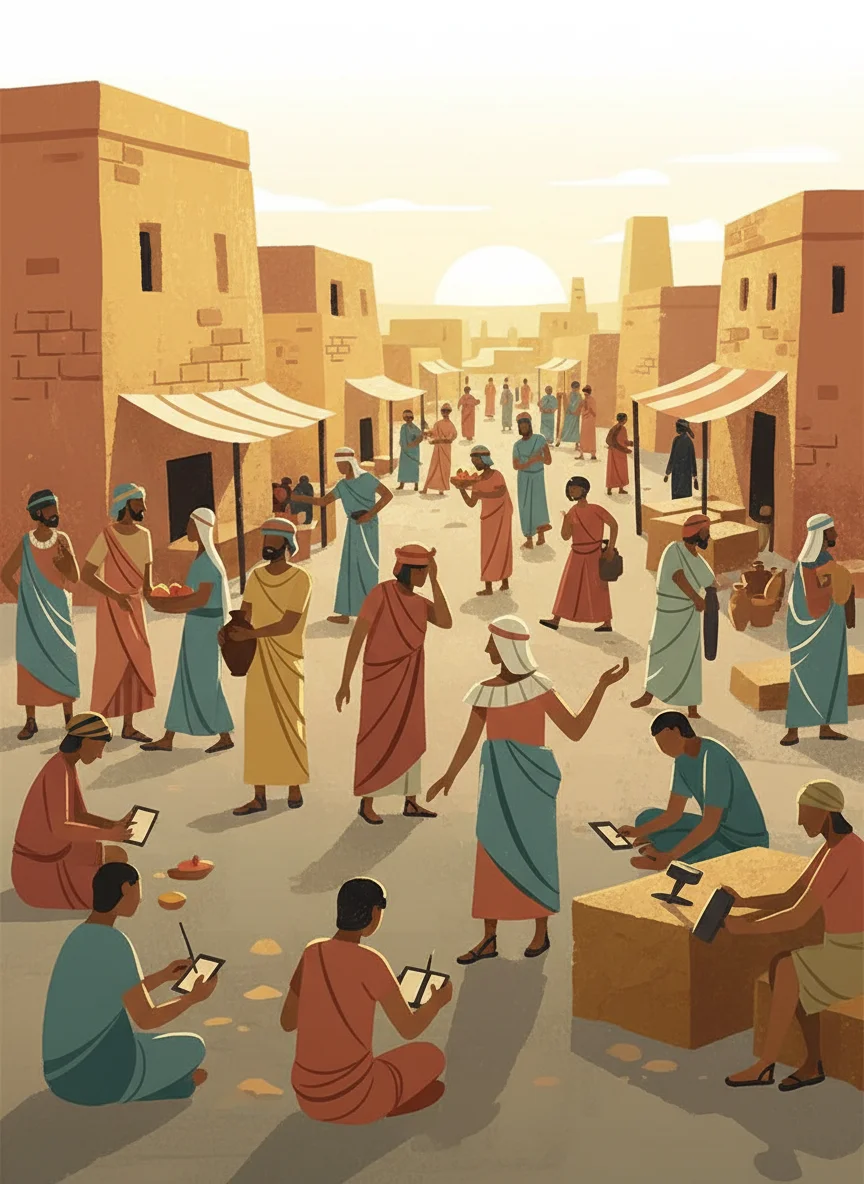
What Makes a Civilization?
Organized government and laws Complex social structure Written language system Advanced technology and tools Permanent settlements and cities Specialized jobs and trade
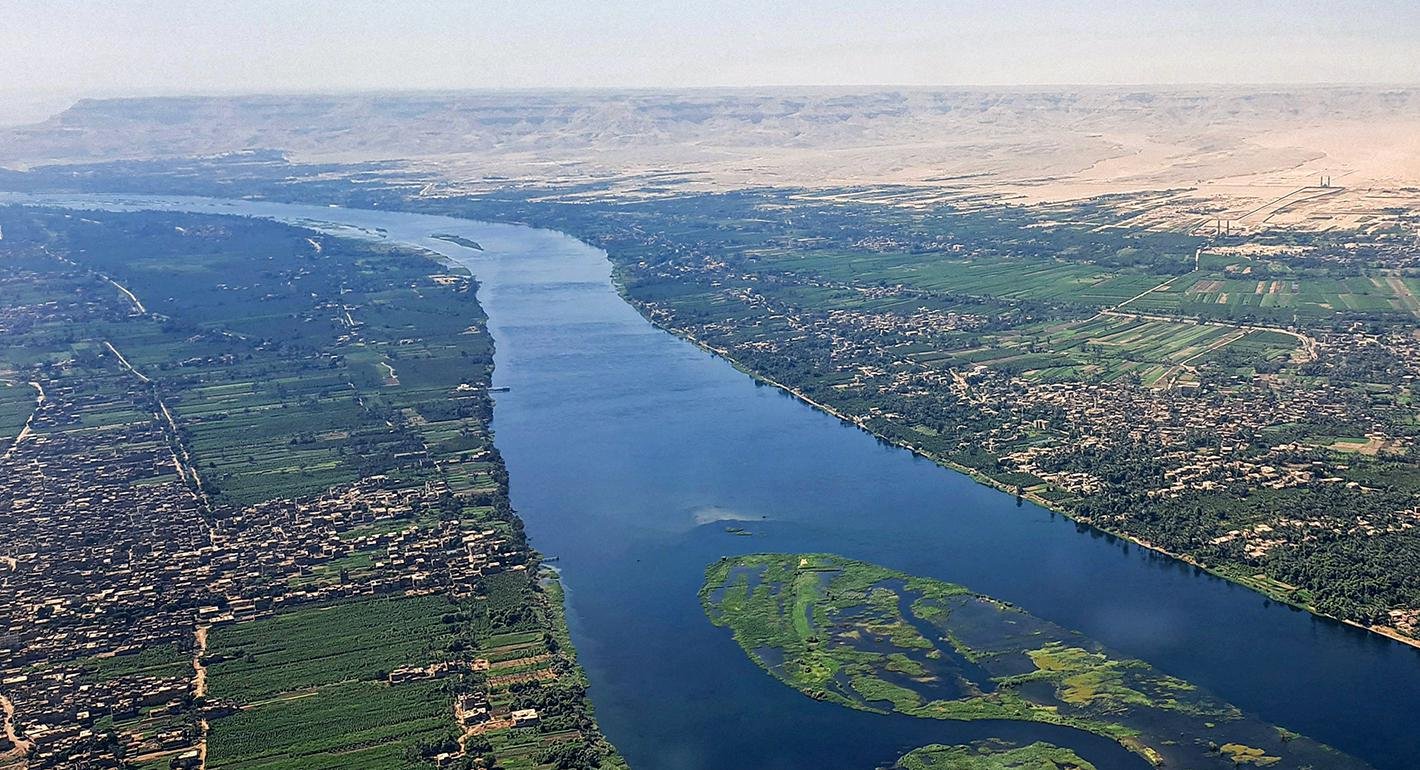
Rivers: The Cradles of Civilization
How Geography Shaped Civilizations
{"left":"Rivers provided fresh water for drinking and farming\nMountains offered protection from invaders\nAnnual flooding created fertile soil for crops","right":"Deserts served as natural barriers\nCoastal areas enabled trade and fishing\nClimate determined what crops could grow"}

Civilization Mapping Challenge
Work in groups of 2-3 students Choose one ancient civilization to research Locate your civilization on the world map Identify 3 geographic features that helped it develop Create a poster showing your findings Prepare a 3-minute presentation for the class
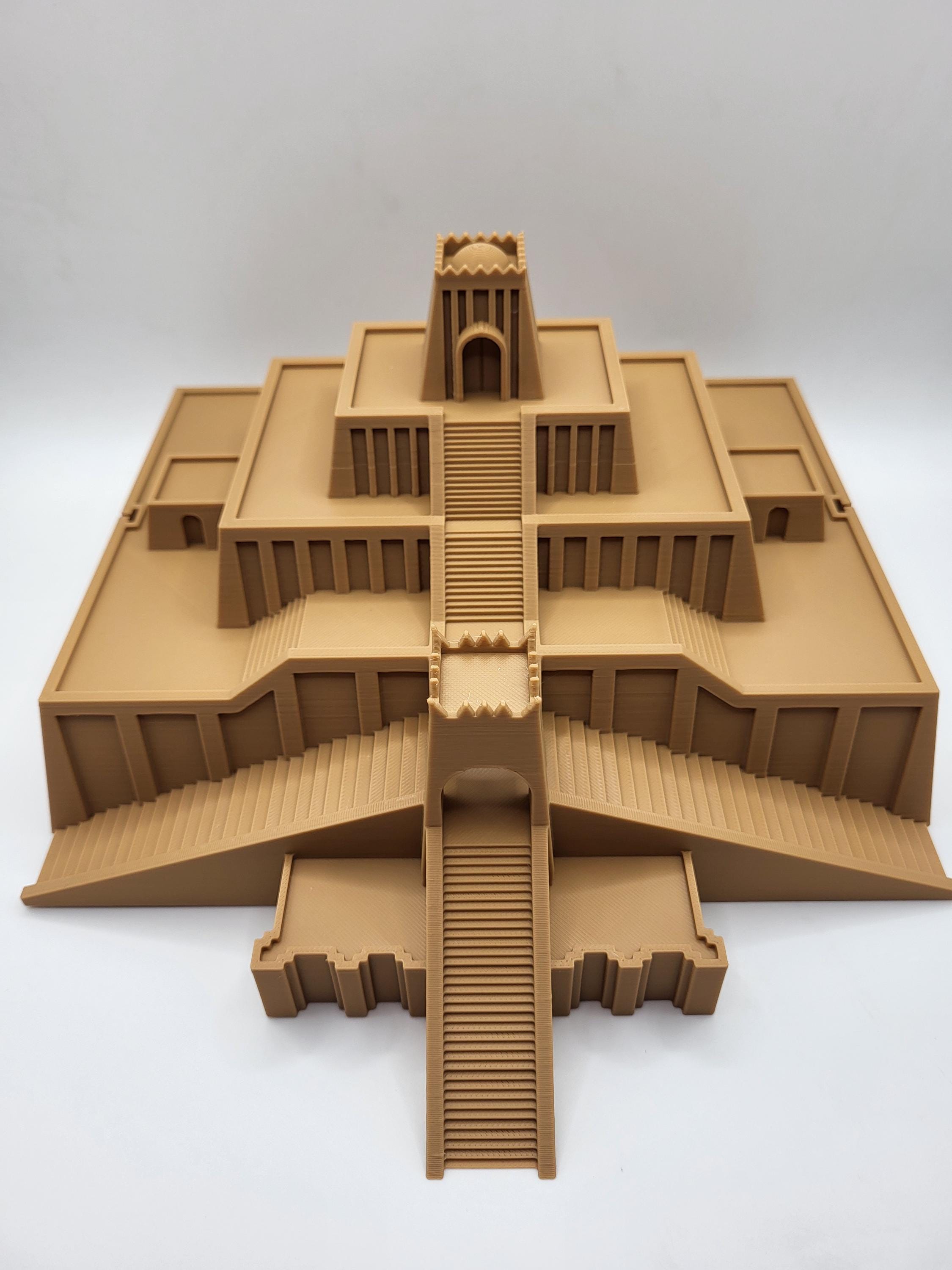
Mesopotamia: Between Two Rivers
Located between Tigris and Euphrates rivers Modern-day Iraq region Fertile Crescent - rich soil for farming Invented writing (cuneiform) Built first cities like Ur and Babylon Created the wheel and sailboat
Think and Discuss
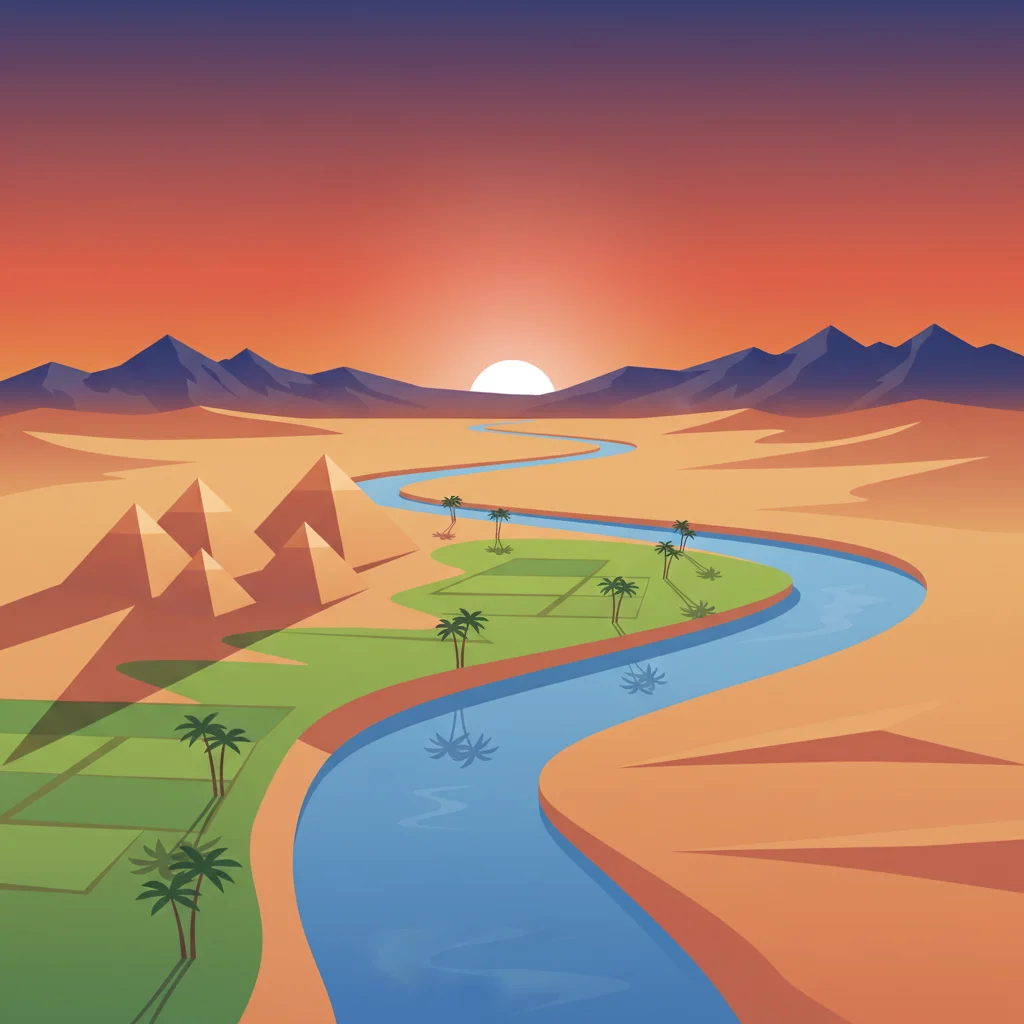
How might the development of ancient Egypt have been different if the Nile River flowed east-west instead of north-south? What geographic challenges did mountain civilizations face that river valley civilizations did not?
Geography's Lasting Impact
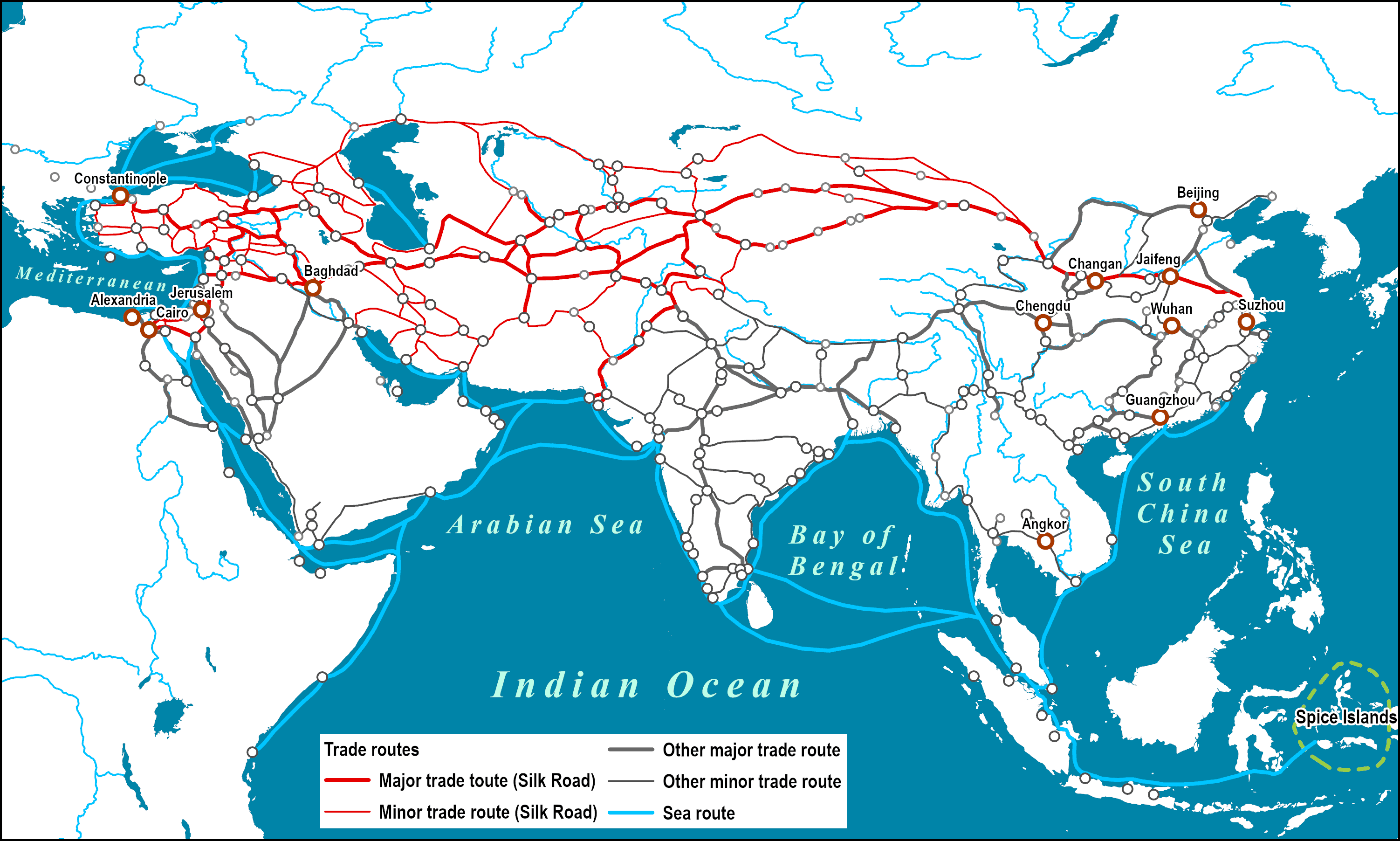
Rivers enabled the first farms and cities Mountains and deserts shaped trade routes Climate determined available resources Geography influenced government systems Natural barriers affected cultural exchange These patterns still influence our world today