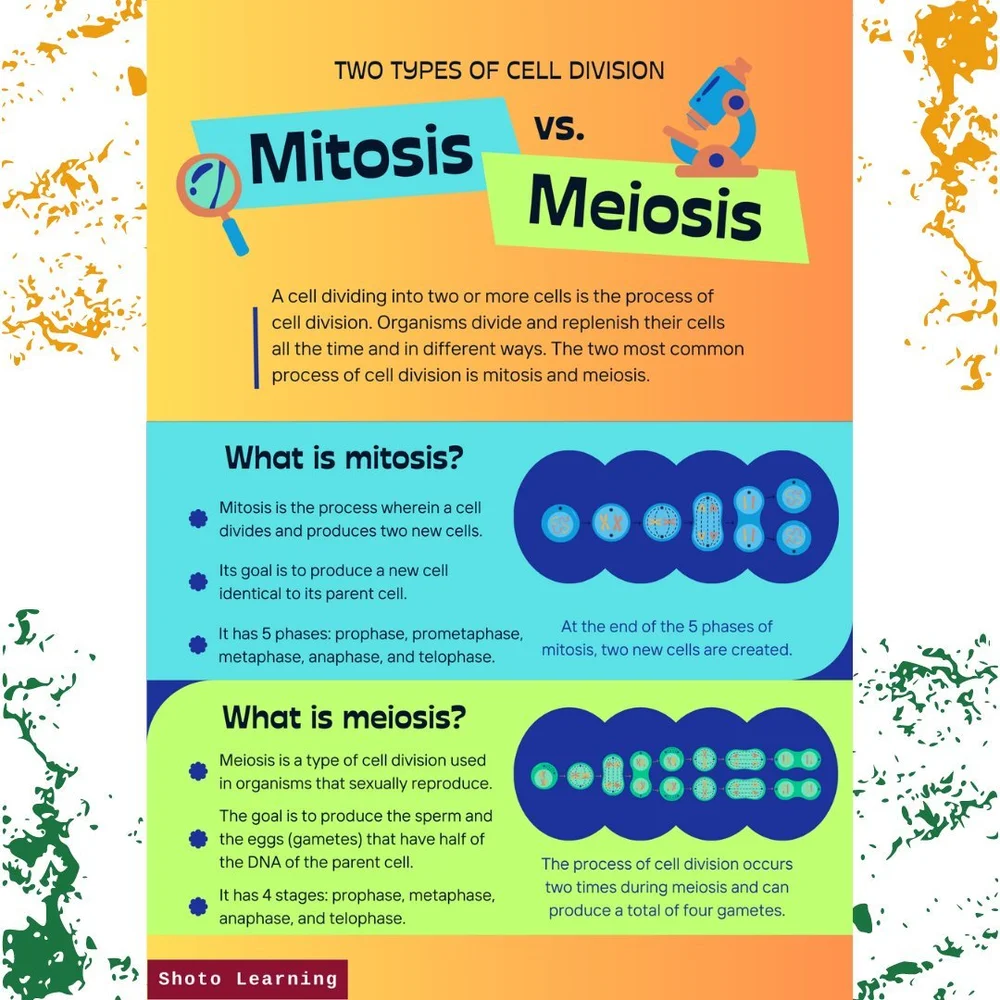
Asexual vs Sexual Reproduction Comparison
Understanding how organisms reproduce Exploring DNA inheritance patterns Year 9 Science
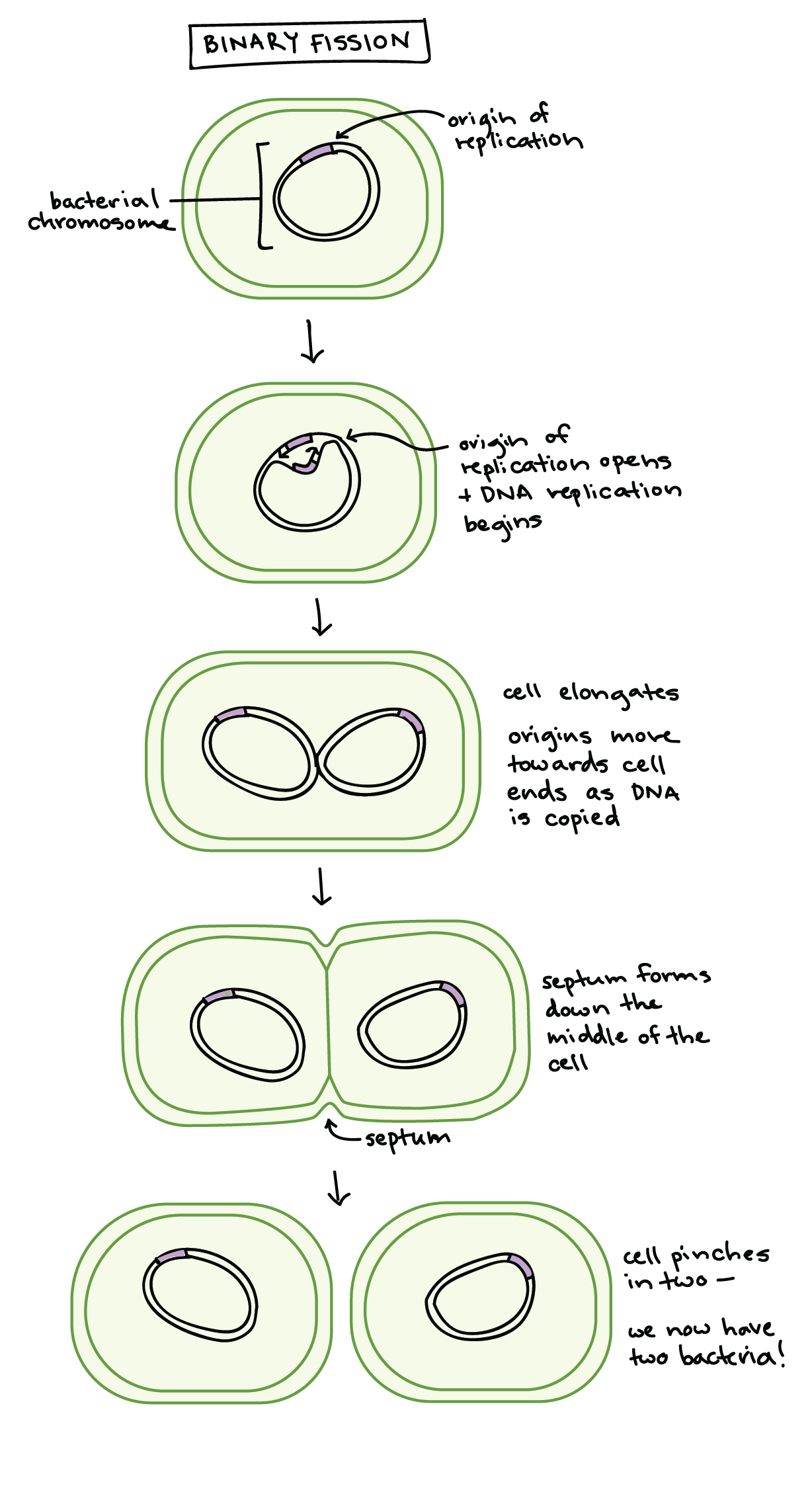
What is Asexual Reproduction?
Involves only ONE parent organism Offspring are genetically IDENTICAL to parent No fusion of gametes (sex cells) Common in bacteria, some plants, and simple animals
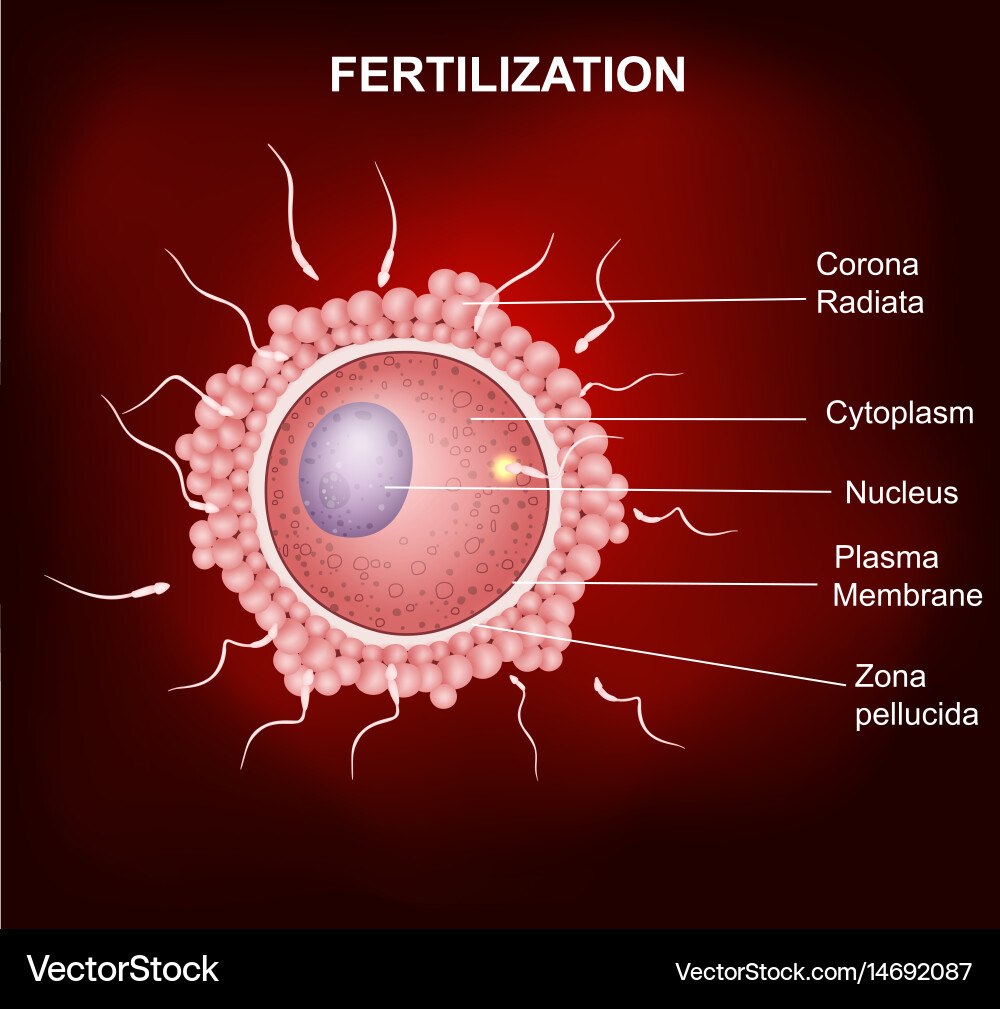
What is Sexual Reproduction?
Involves TWO parent organisms Offspring are genetically DIFFERENT from parents Requires fusion of gametes (sperm and egg) Common in most animals and many plants
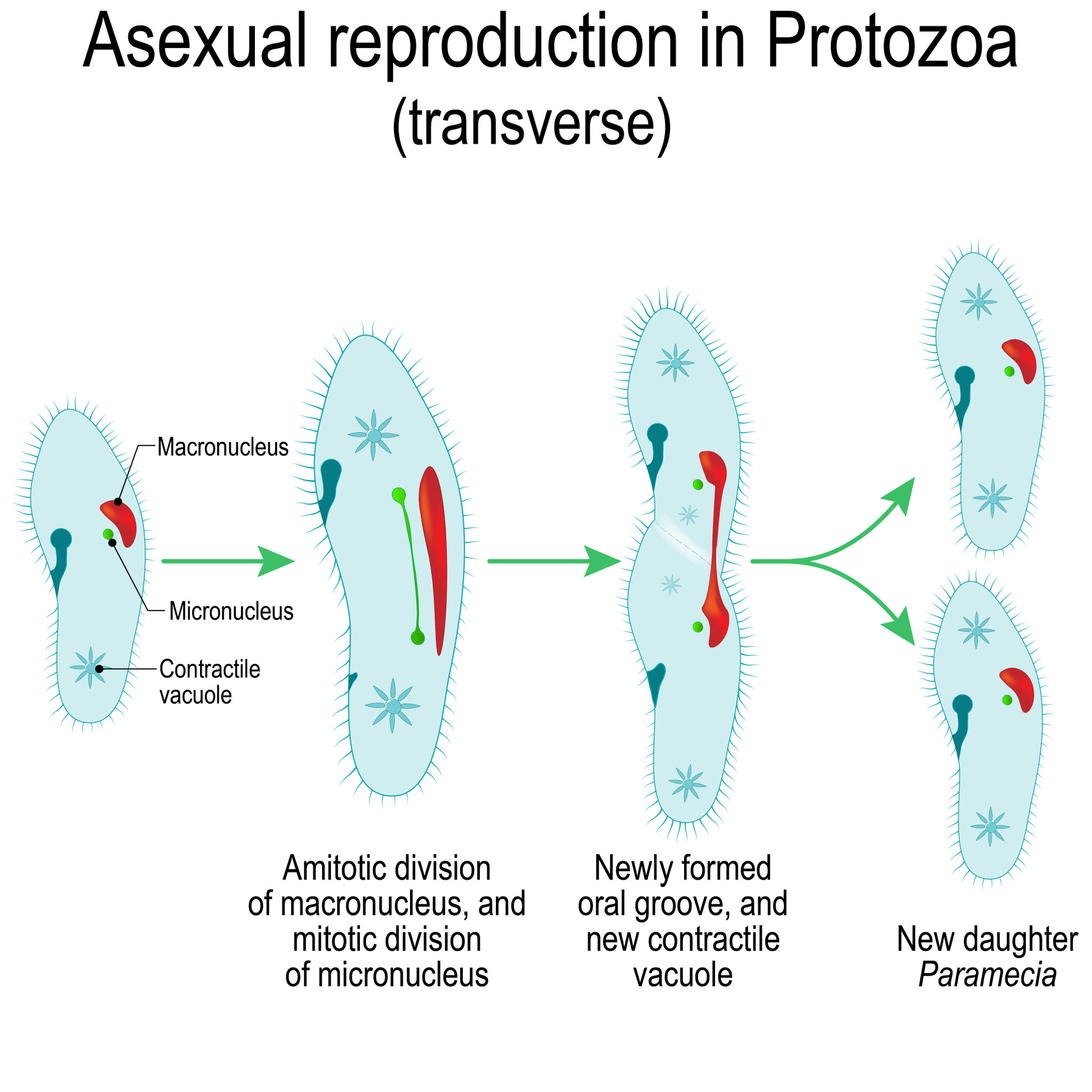
Key Differences at a Glance
{"left":"Number of parents: ONE\nGenetic outcome: IDENTICAL offspring (clones)\nSpeed: FAST reproduction\nEnergy cost: LOW","right":"Number of parents: TWO\nGenetic outcome: VARIED offspring\nSpeed: SLOWER reproduction\nEnergy cost: HIGH"}
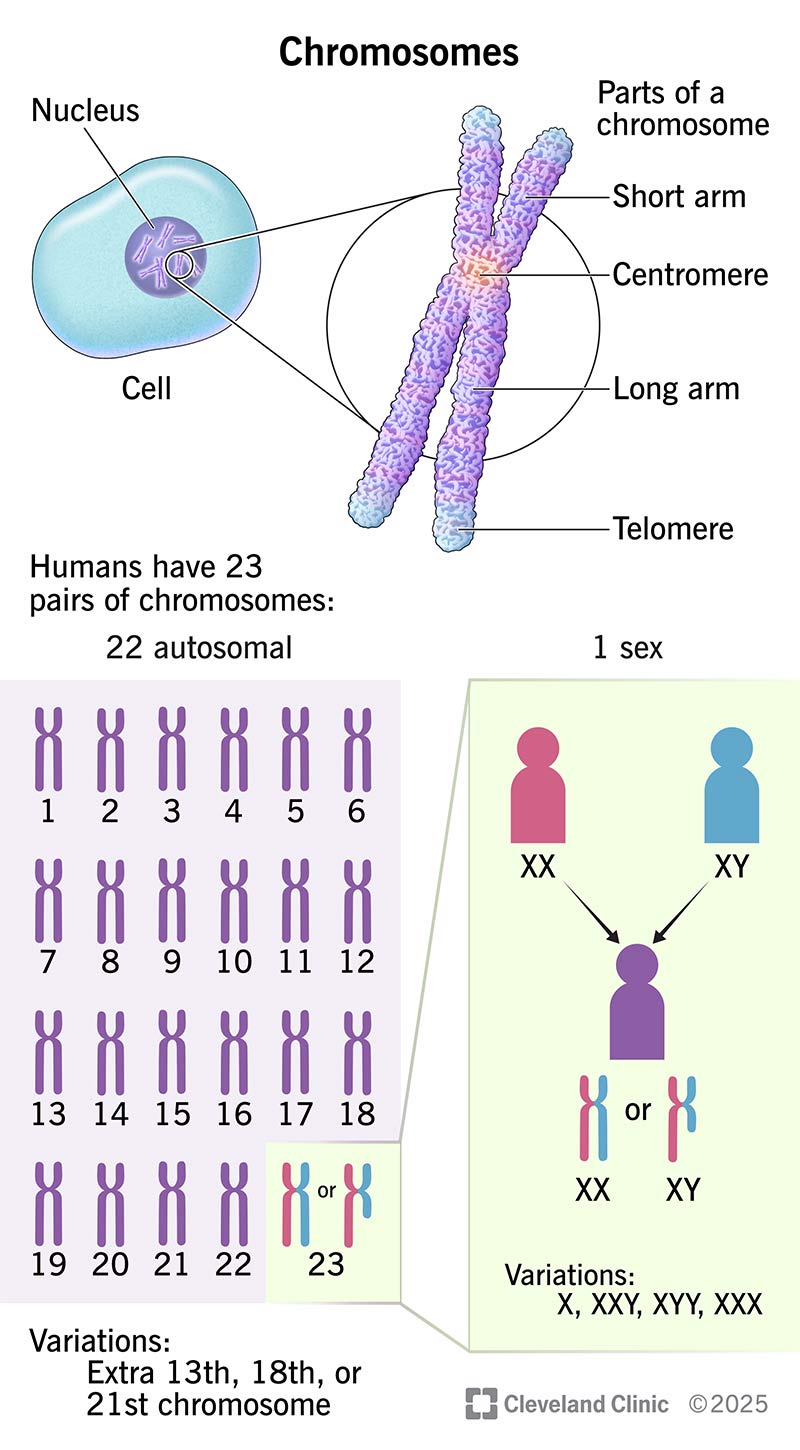
Chromosomes: The DNA Package
Chromosomes contain DNA instructions Humans have 23 pairs (46 total chromosomes) Each parent contributes half the chromosomes Chromosomes determine inherited traits

Inheritance Investigation
Work with a partner Compare your traits (eye color, hair texture, height) Discuss: Could you be a clone of one parent? Record similarities and differences
.png)
Genetic Inheritance Patterns
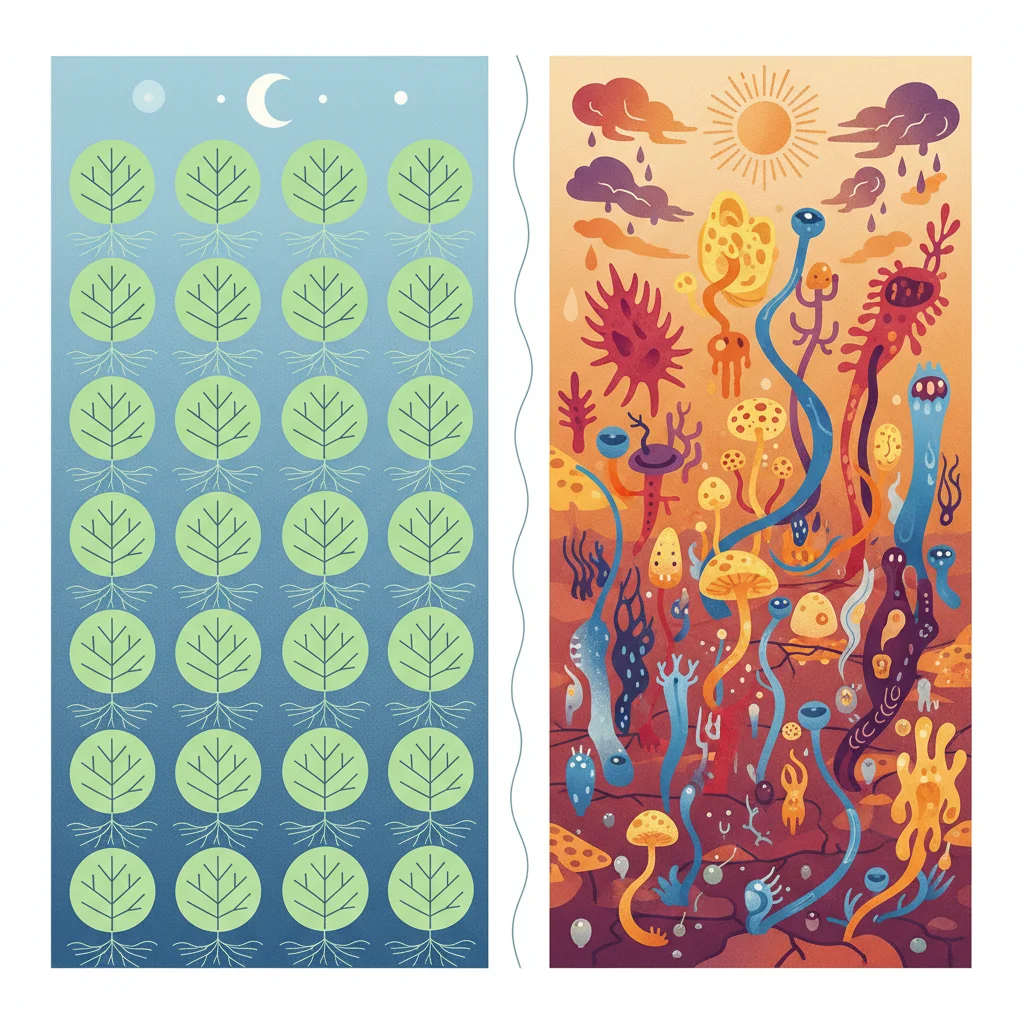
Critical Thinking Question
If a species could choose between asexual and sexual reproduction, when might each method be most beneficial? Consider: environmental changes, disease, population growth

Real-World Examples
Asexual: Bacteria, strawberry plants, sea stars Sexual: Humans, dogs, oak trees, birds Some organisms can do BOTH (aphids, some plants) Strategy depends on environmental conditions
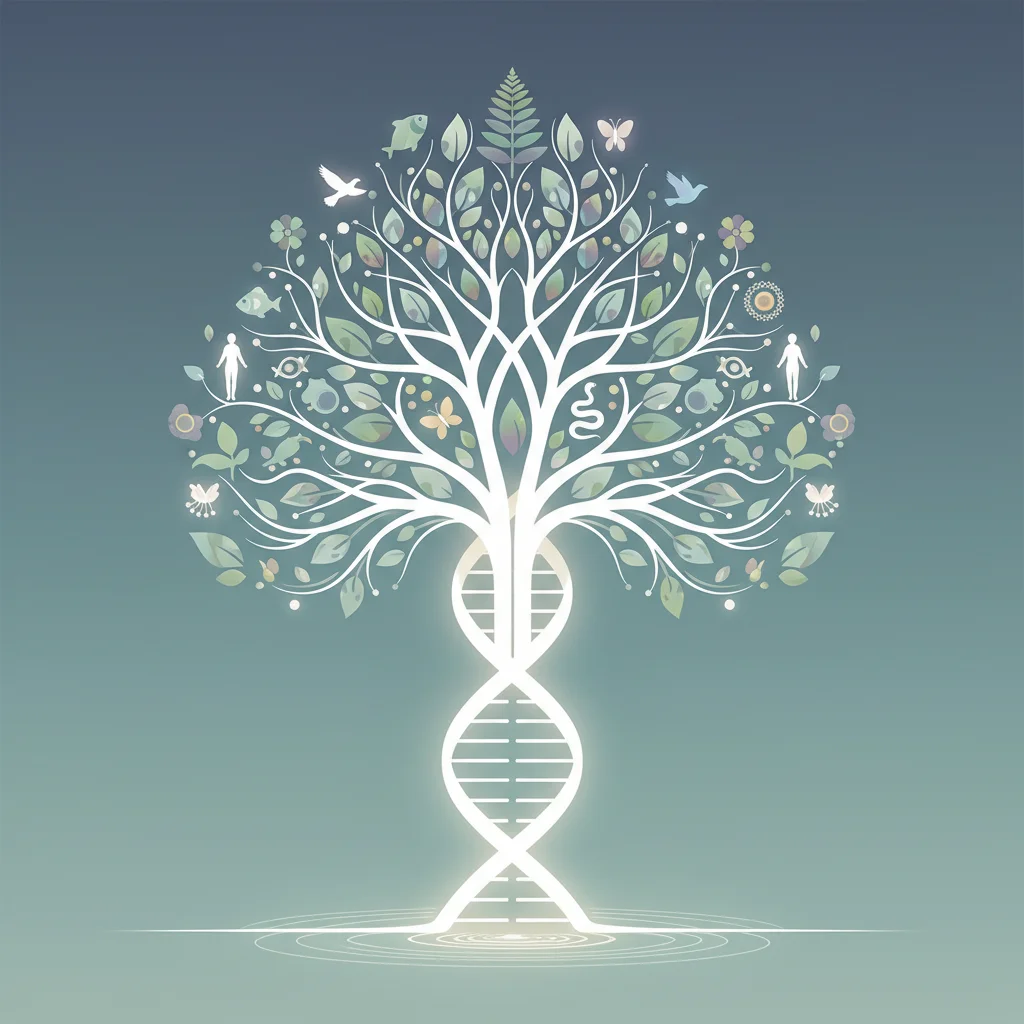
Key Takeaway
"Sexual reproduction creates the genetic diversity that helps species survive in changing environments, while asexual reproduction allows for rapid population growth in stable conditions."