Avoiding Common Budgeting Mistakes
A Guide for 9th Grade Students Building Smart Financial Habits

Quick Poll: Have You Ever Made a Budgeting Mistake?
Raise your hand if you or your family have ever made a budgeting mistake What kinds of money mistakes have you noticed?

Learning Objectives
Analyze and identify common errors in personal budgets Evaluate consequences of budgeting mistakes Propose strategies to avoid financial pitfalls Communicate findings clearly in discussions

A budget is telling your money where to go instead of wondering where it went.
- Dave Ramsey, Financial Expert
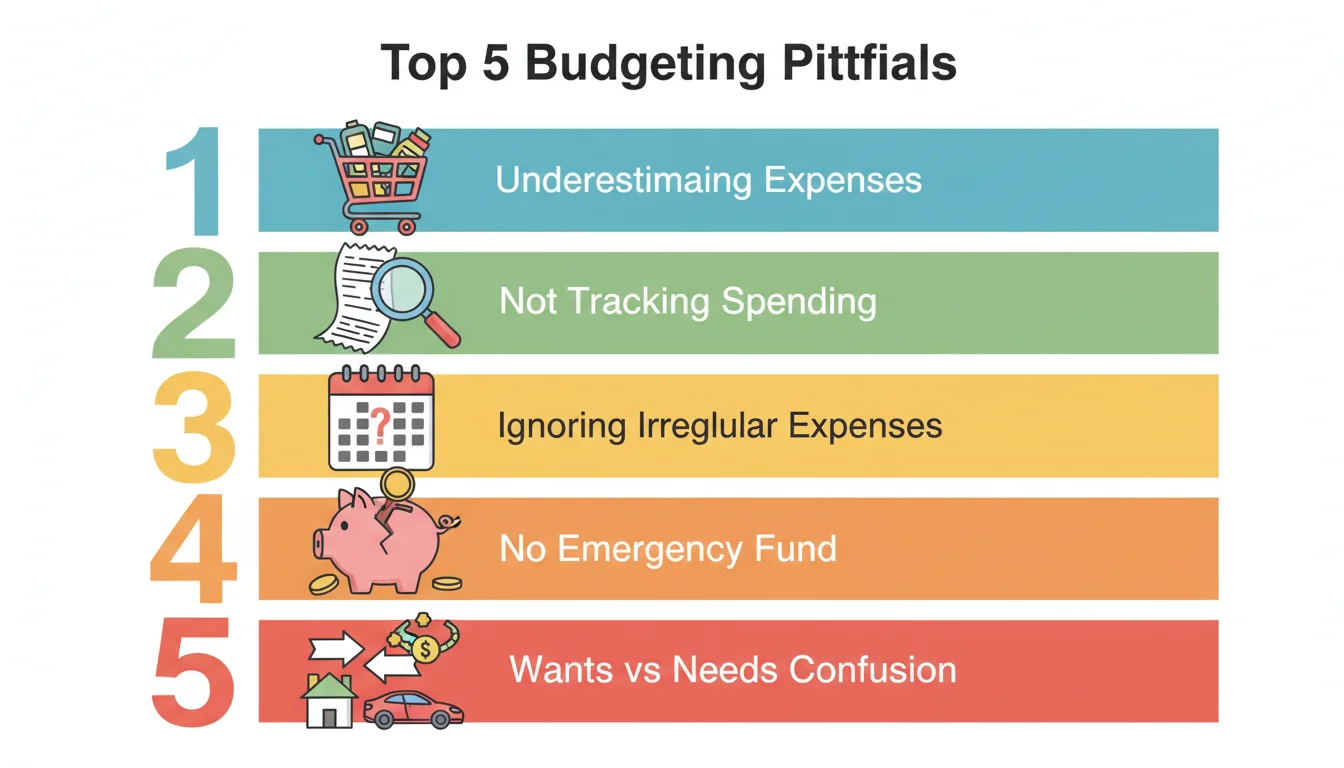
The 5 Most Common Budgeting Pitfalls

Pitfall #1: Underestimating Expenses
Forgetting about small daily purchases Not accounting for price increases Overlooking subscription services Example: Budgeting $50 for food but spending $75

Pitfall #2: Not Tracking Spending
Money disappears without knowing where Difficulty identifying spending patterns Can't adjust budget without data Example: Wondering why you're always broke by month's end
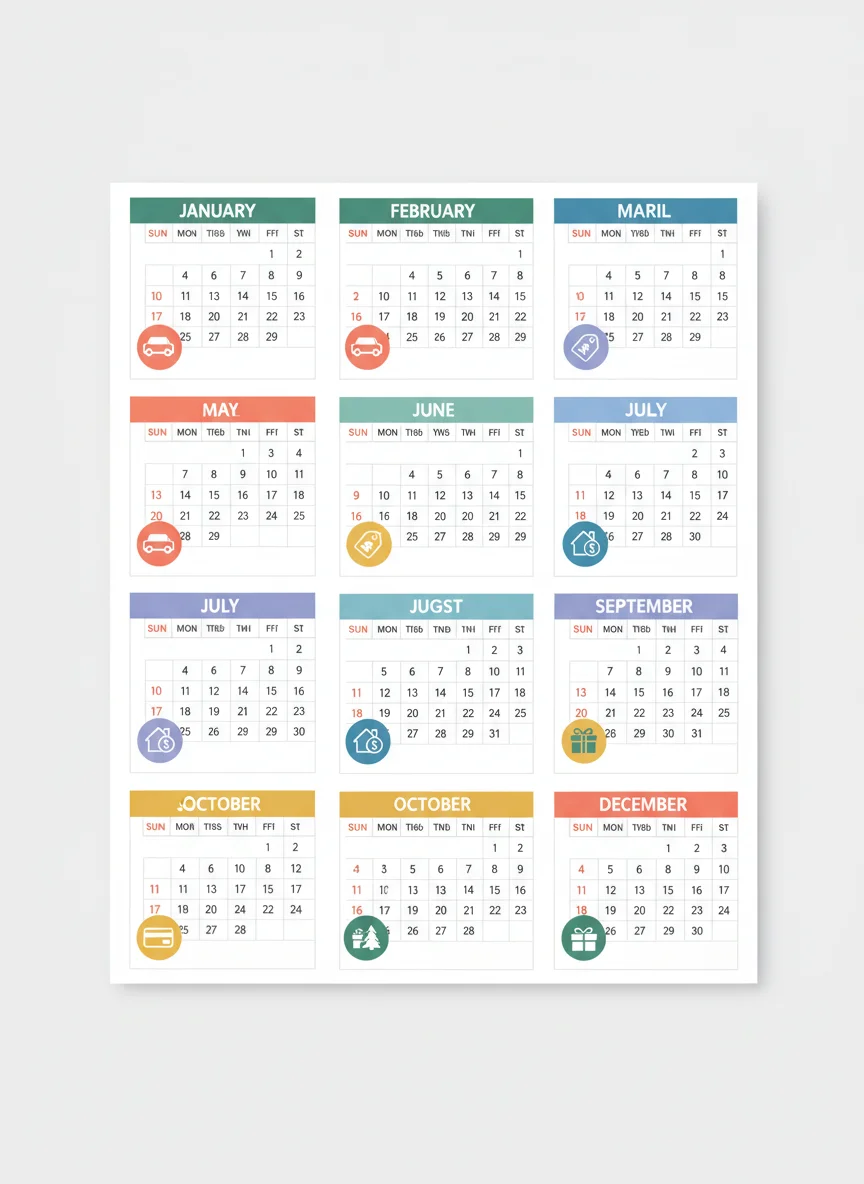
Pitfall #3: Ignoring Irregular Expenses
Seasonal costs like holiday gifts Annual fees and renewals Car maintenance and repairs Back-to-school shopping

Pitfall #4: No Emergency Fund
Unexpected expenses can derail budgets Medical bills, car repairs, job loss Recommended: 3-6 months of expenses Start small: even $25 helps

Pitfall #5: Wants vs. Needs Confusion
{"left":"Housing, food, transportation, healthcare\nEntertainment, designer clothes, latest gadgets","right":"Ask: 'Do I need this to survive and function?'\nBudget for wants AFTER needs are covered"}

Case Study Analysis
Work with a partner to analyze budget scenarios Identify the mistakes in each case Discuss causes and consequences Suggest improvement strategies

Personal Reflection
Write in your journal: Which budgeting pitfall surprised you most? How might it affect your future? What's one strategy you'll use to avoid it?
1 more slide available after you open the deck.
Download all 13 slidesMore Business slide decks
Other ready-to-teach business decks for US classrooms.

Comparing Multiple Budget Methods
Comparing Multiple Budget Methods

Pay-Yourself-First: Smart Budgeting Strategy
Pay-Yourself-First: Smart Budgeting Strategy

Exploring Four Essential Budgeting Methods
Exploring Four Essential Budgeting Methods