Balancing Chemical Equations Made Simple
Grade 10 Chemistry Understanding Conservation of Mass Step-by-Step Approach

What is a Chemical Equation?
Shows what happens in a chemical reaction Reactants → Products Uses chemical formulas and symbols Must follow the Law of Conservation of Mass
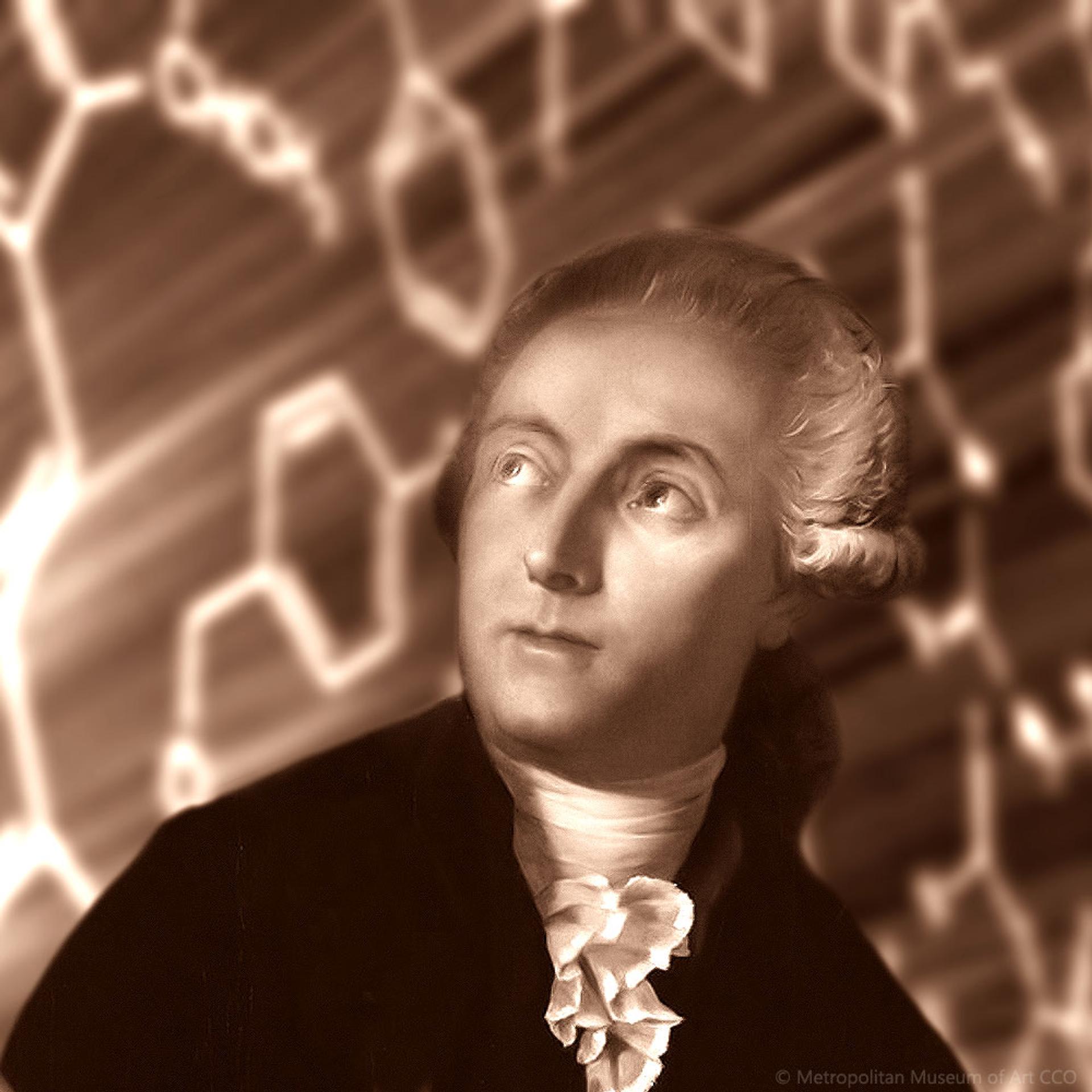
The Law of Conservation of Mass
"Matter cannot be created or destroyed in a chemical reaction" - Antoine Lavoisier This means: atoms in = atoms out

Why Do We Need to Balance Equations?
Atoms cannot be created or destroyed there must be the Same number of each atom type on both sides of a chemical rection Shows the correct proportions of reactants Helps predict how much product we'll get
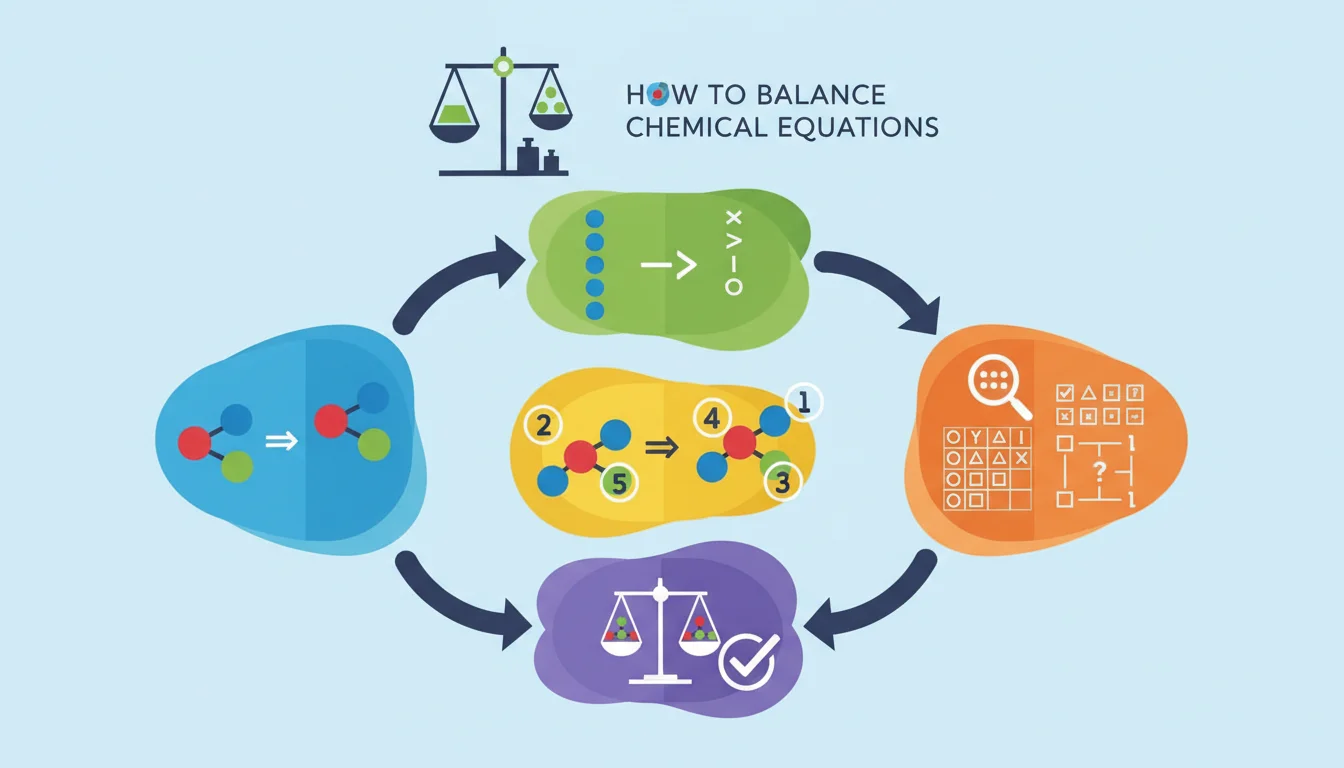
Step-by-Step Balancing Process

Practice Example: Hydrogen + Oxygen → Water
Unbalanced: H₂ + O₂ → H₂O Count atoms: H=2, O=2 → H=2, O=1 Balance oxygen: H₂ + O₂ → 2H₂O Now we have: H=2, O=2 → H=4, O=2 Balance hydrogen: 2H₂ + O₂ → 2H₂O
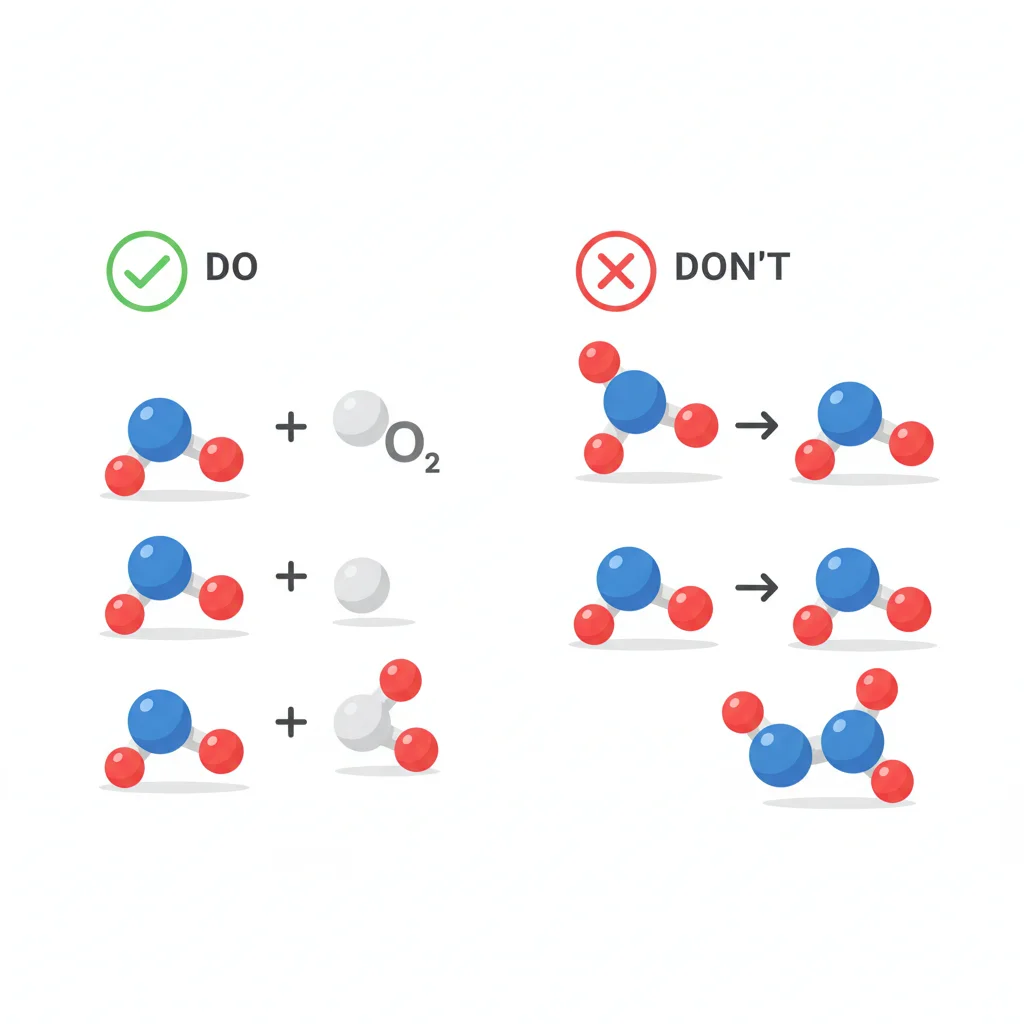
Balancing Tips and Tricks
{"left":"Start with the most complex molecule\nBalance metals first, then nonmetals\nSave hydrogen and oxygen for last\nUse fractions if needed, then multiply","right":"Never change subscripts in formulas\nOnly change coefficients (big numbers)\nCheck your work by counting atoms\nPractice makes perfect!"}

Let's Practice Together!
Can you balance this equation? Na + Cl₂ → NaCl Think about: How many Na atoms on each side? How many Cl atoms on each side?

Real-World Applications
Calculating medication dosages Industrial chemical production Environmental chemistry Food processing and preservation Fuel combustion in cars Photosynthesis in plants
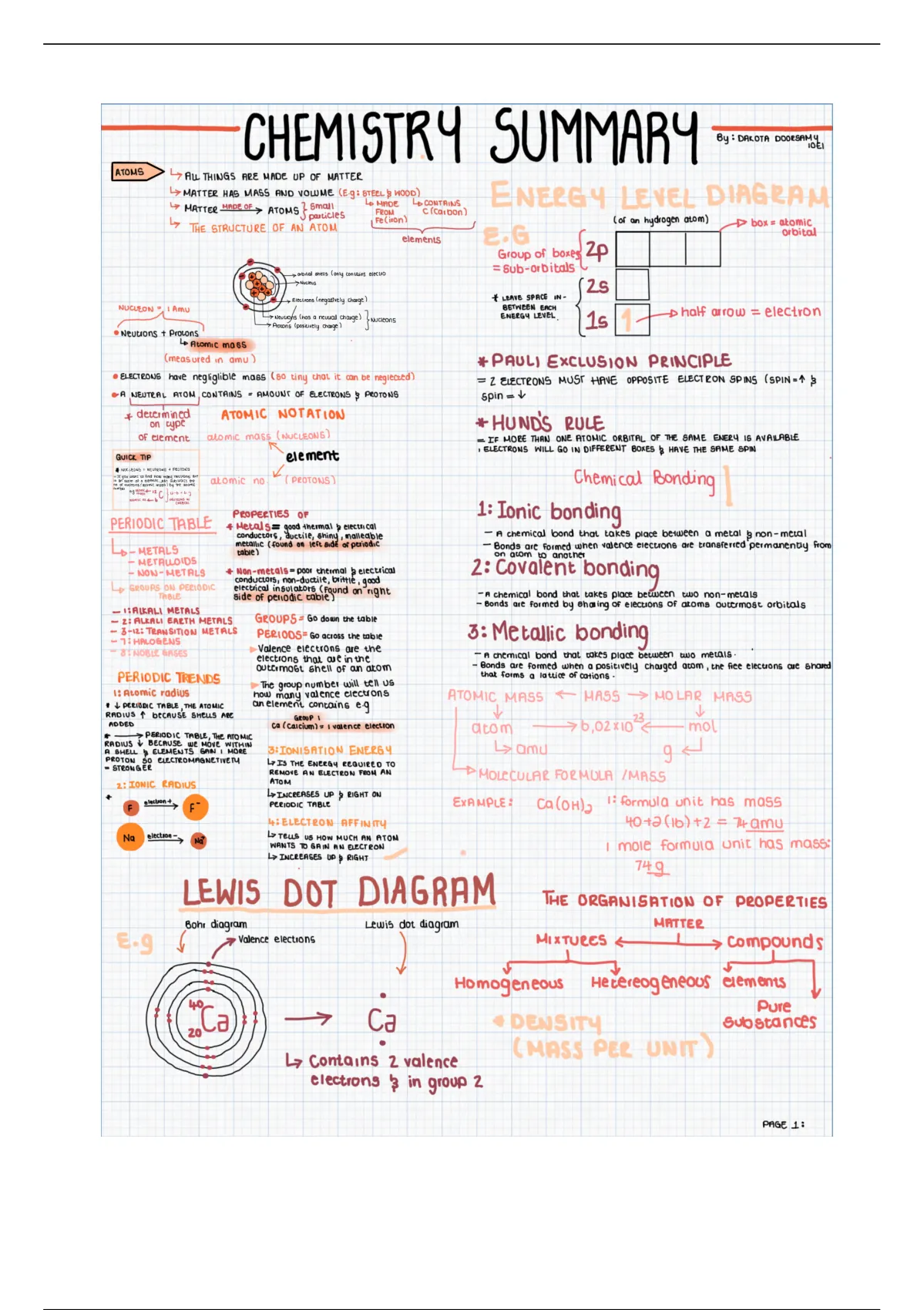
Summary: Key Takeaways
Chemical equations must be balanced Atoms are conserved in reactions Only change coefficients, never subscripts Follow the step-by-step process Practice with simple examples first Real-world applications are everywhere