
Balancing Chemical Equations Made Simple
Master the fundamentals of chemical equation balancing Grade 11 Chemistry

What is a Chemical Equation?
A symbolic representation of a chemical reaction Shows reactants transforming into products Uses chemical formulas and symbols Example: H₂ + O₂ → H₂O

Why Do We Need to Balance Equations?
Think about the Law of Conservation of Mass What happens to atoms during a chemical reaction?
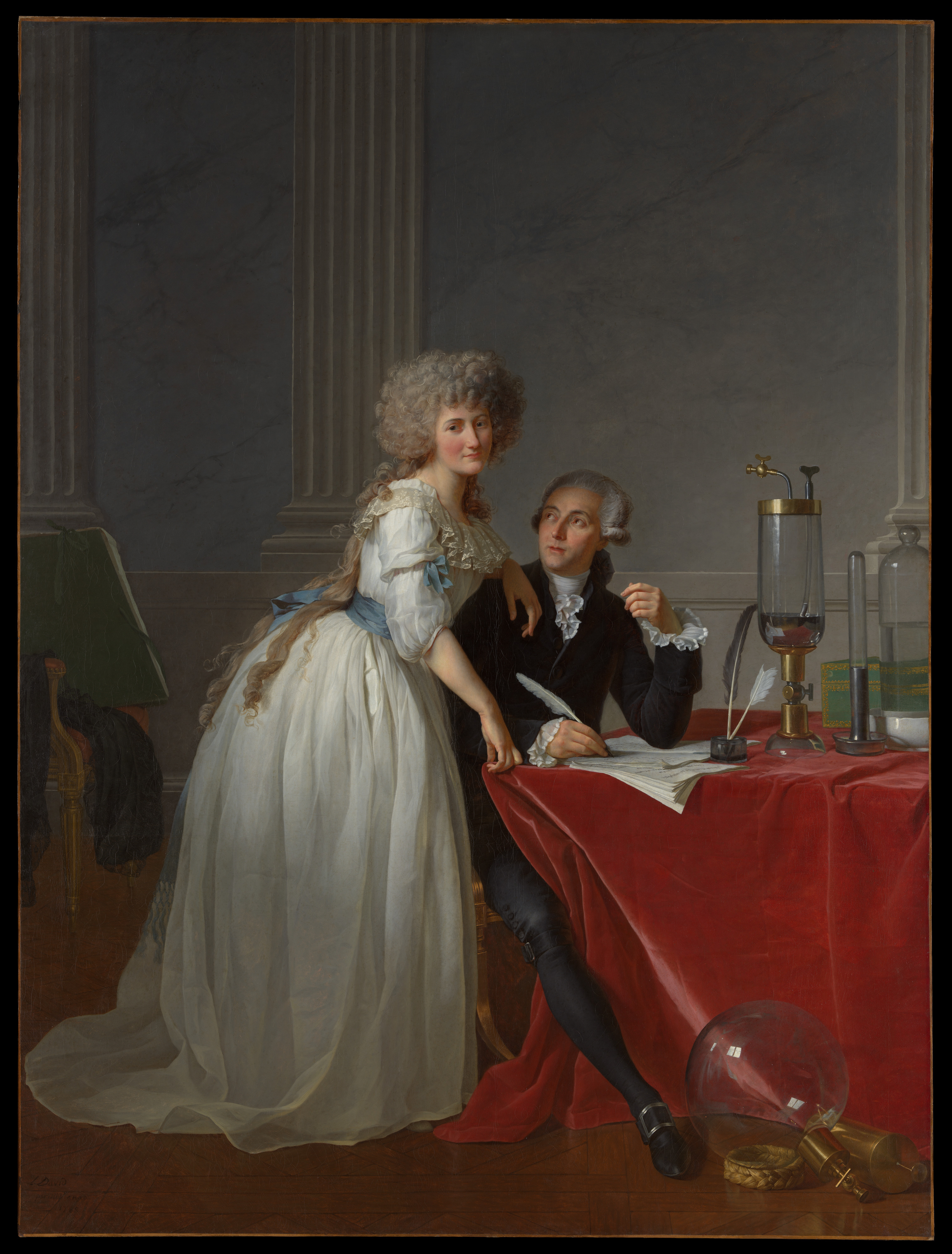
The Law of Conservation of Mass
Matter cannot be created or destroyed in chemical reactions Total mass of reactants = Total mass of products Same number of each type of atom on both sides Discovered by Antoine Lavoisier (1789)

Balanced vs. Unbalanced Equations
{"left":"H₂ + O₂ → H₂O\n2 H atoms, 2 O atoms → 2 H atoms, 1 O atom\nUNBALANCED!","right":"2H₂ + O₂ → 2H₂O\n4 H atoms, 2 O atoms → 4 H atoms, 2 O atoms\nBALANCED!"}
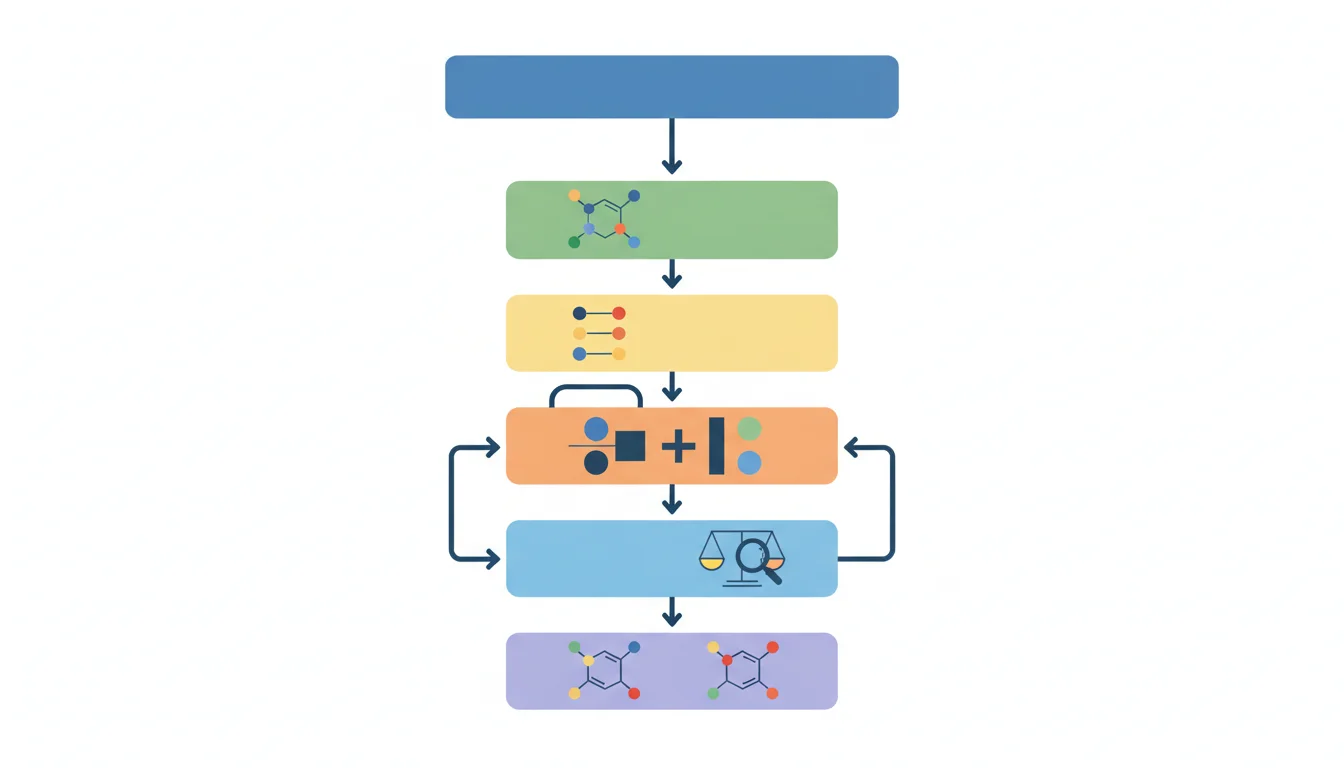
Step-by-Step Balancing Process

Practice Time: Balance This Equation
CH₄ + O₂ → CO₂ + H₂O Work with a partner Count atoms on each side Add coefficients to balance
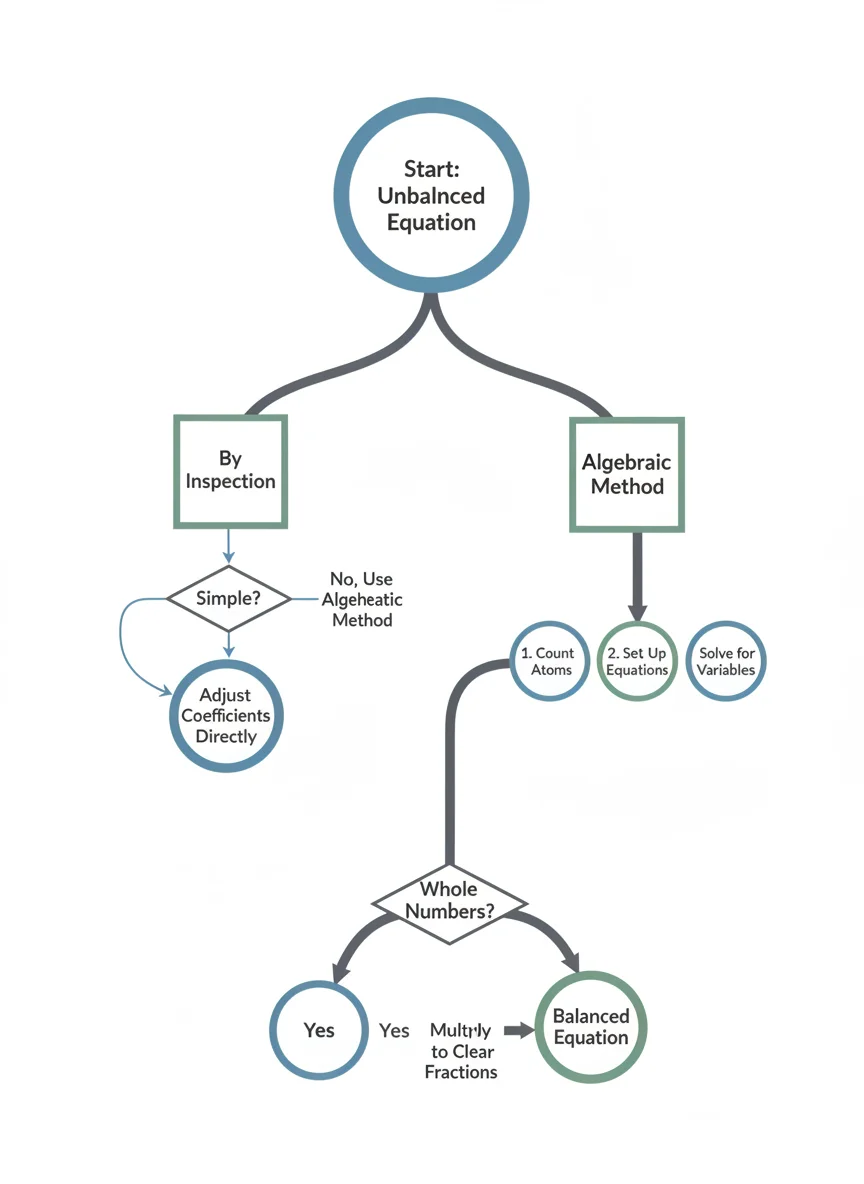
Common Balancing Strategies
Start with the most complex molecule Balance metals first, then non-metals Leave hydrogen and oxygen for last Use fractions if needed, then multiply to get whole numbers Always check your final answer
Challenge Round: Complex Equations
Al + CuSO₄ → Al₂(SO₄)₃ + Cu C₂H₆ + O₂ → CO₂ + H₂O Try these more challenging examples Apply the strategies we just learned

Key Takeaways
Chemical equations must be balanced to follow conservation of mass Use systematic steps: count, balance, check Start with complex molecules, end with simple ones Practice makes perfect - the more you do, the easier it gets Balanced equations are essential for calculating quantities in reactions