
Body's Fight-or-Flight Stress Response
Understanding How Your Body Responds to Stress Grade 9 Health - Lesson 3 of 5

What Is the Fight-or-Flight Response?
Your body's automatic reaction to perceived danger Activates the sympathetic nervous system Prepares you to either face the threat or escape Happens in seconds without conscious thought
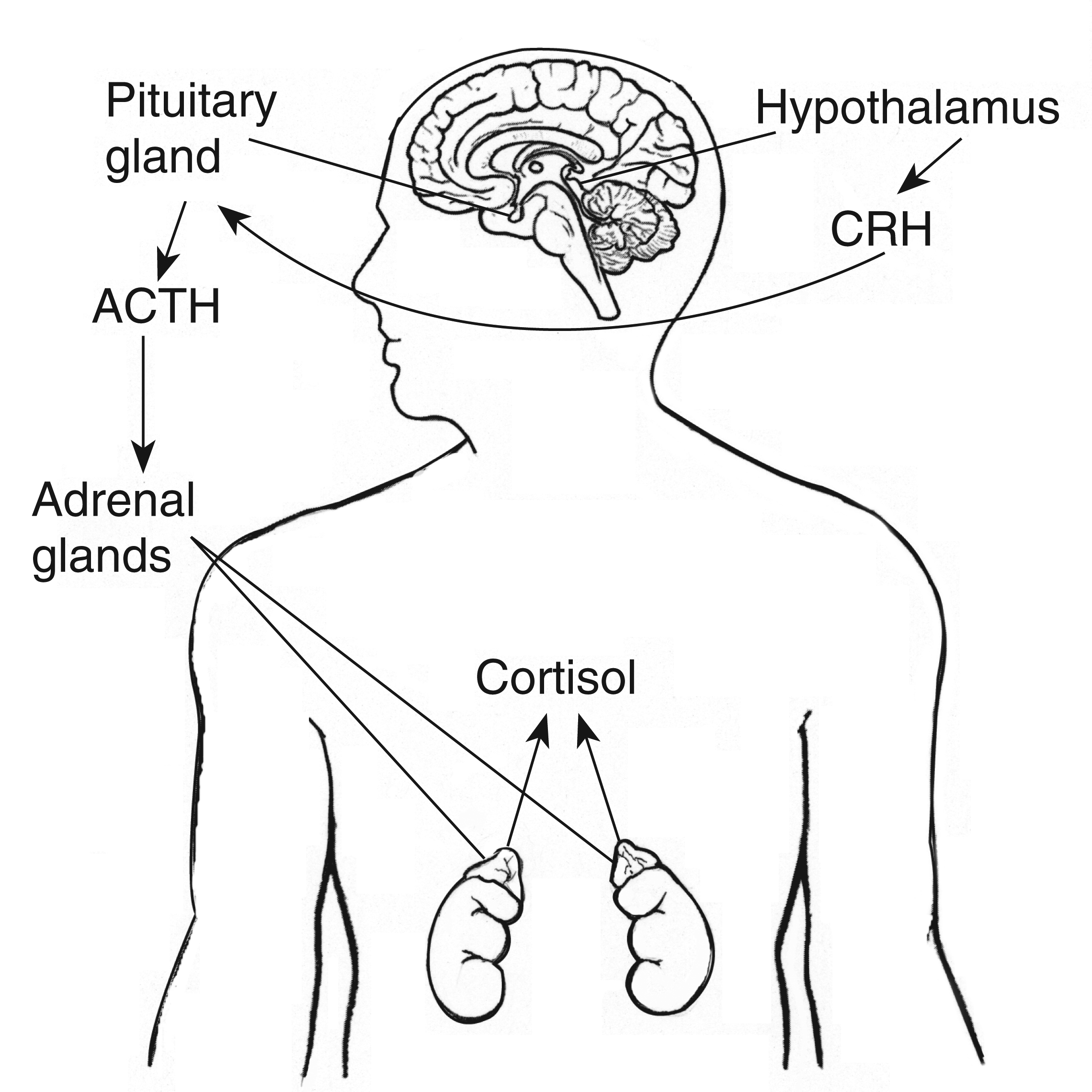
Meet Your Stress Hormones
{"left":"Adrenaline (Epinephrine): Your body's natural energy drink - gives instant energy and alertness\nCortisol: The stress manager - helps maintain energy and focus during longer stress periods","right":"Released by adrenal glands above your kidneys\nWork together to prepare your body for action"}
How Stress Hormones Affect Your Body
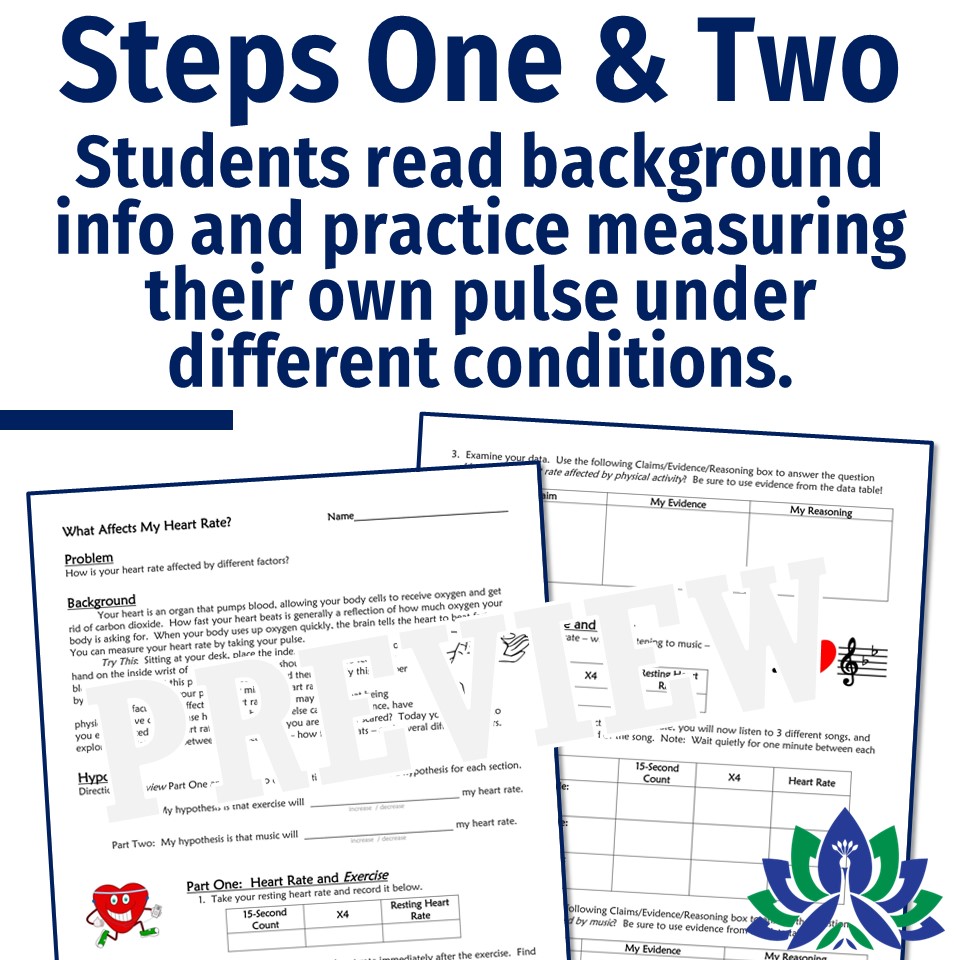
Hands-On: Measuring Your Fight-or-Flight Response
Step 1: Measure your resting heart rate Step 2: Do jumping jacks for 1 minute Step 3: Immediately measure heart rate again Step 4: Record and compare your results

Think About It
How might feeling this stress response during a test or presentation actually help you perform better? What could happen if your body stayed in this high-alert state all the time?

Short-Term vs. Long-Term Stress Effects
Short-term: Helpful for performance and survival Gives energy, focus, and quick reactions Long-term: Can damage your health May lead to anxiety, high blood pressure, and weakened immunity Understanding this helps you manage stress better
Key Takeaway
Understanding your body's stress response gives you the power to manage it better. When you know what's happening inside, you can take control of your health and well-being.