
Budgeting Basics Uncovered: Grade 9
Mastering Personal Finance Unit 1: Introduction to Budgeting 60-Minute Individualized Lesson

Learning Objectives
Define budgeting and explain its importance in personal finance Identify and debunk at least three common budgeting myths Construct a simple budget model using income and expenses Communicate the importance of budgeting through written explanations

Materials Needed
Notebook or digital document for notes Calculator (physical or digital) Whiteboard or digital note space Timer or clock Pre-prepared financial scenarios

Warm-Up Question
What do you think budgeting means and why might it be useful?
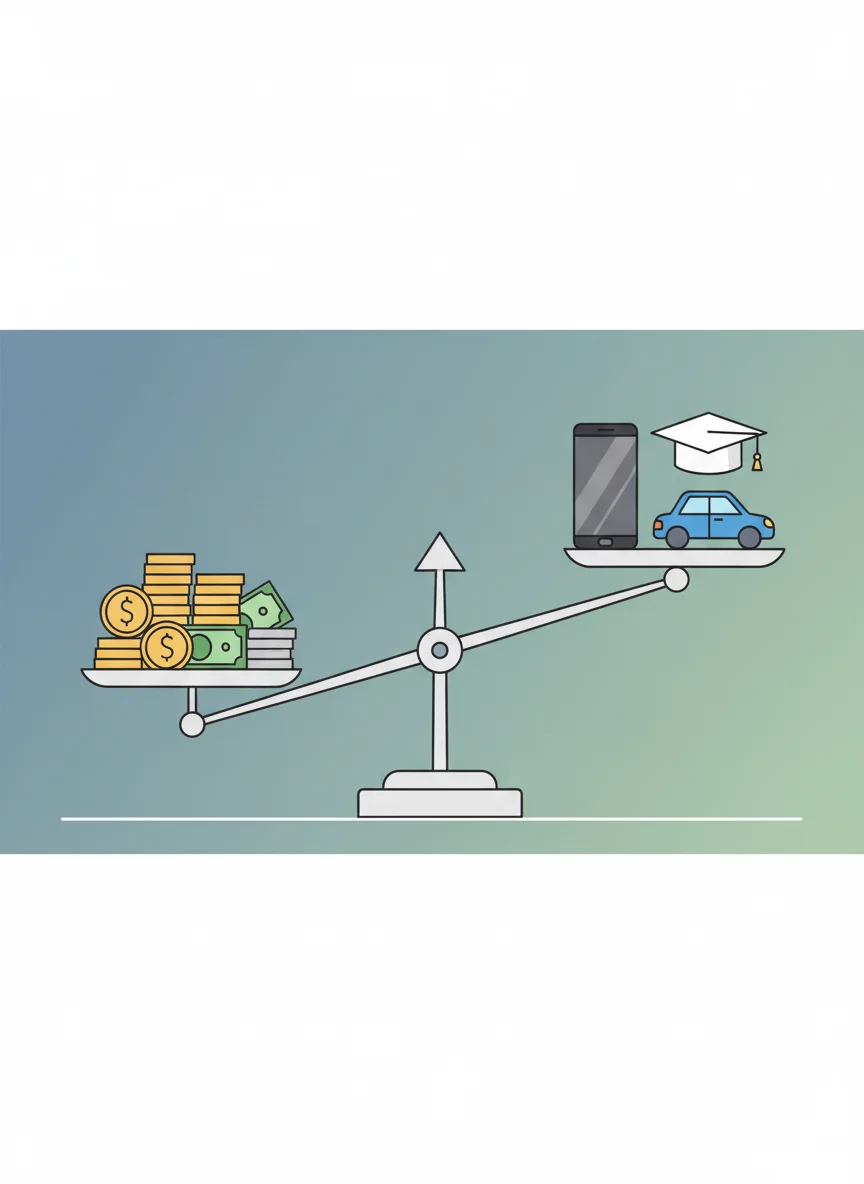
What is Budgeting?
Definition: A plan for how to spend and save your money Why it's critical: Managing finances effectively Avoiding unnecessary debt Building savings for future goals Real-world example: Saving for a phone, car, or college

Debunking Budget Myths
Myth 1: 'Budgeting is only for people who don't make much money' Myth 2: 'Budgeting means you can't have fun' Myth 3: 'Budgeting is too complicated' Activity: Write a paragraph explaining why one myth is false
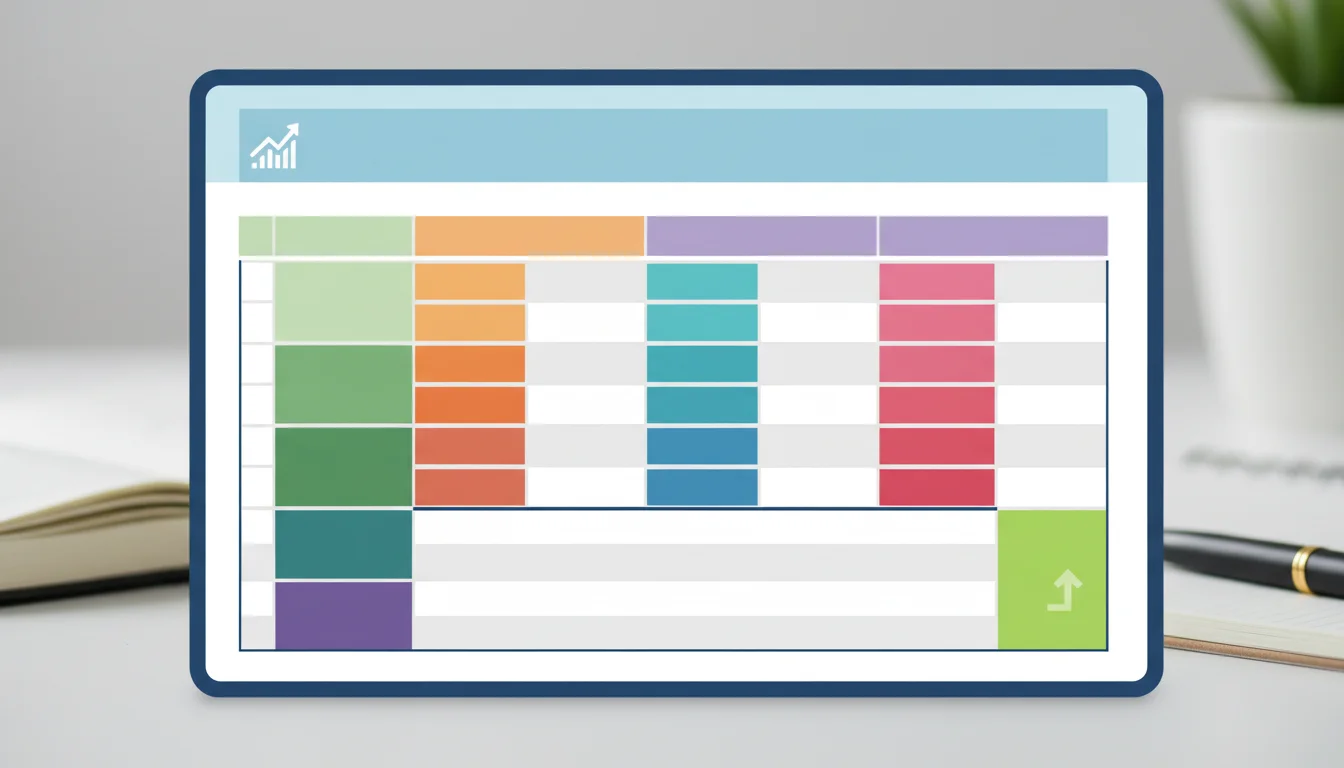
Sample Budget Construction

Budget Categories Explained
{"left":"Fixed Expenses: Rent, insurance, loan payments\nVariable Expenses: Food, entertainment, clothing","right":"Savings: Emergency fund, future goals\nIncome: Salary, allowance, part-time work"}

Key Insight
'A budget is telling your money where to go instead of wondering where it went.' - Dave Ramsey

Reflection & Assessment
Verbal summary: Explain budgeting in your own words Written summary: 3-4 sentences covering: • What budgeting means • Why it's important • How myths affect budgeting decisions
More Business slide decks
Other ready-to-teach business decks for US classrooms.

Comparing Multiple Budget Methods
Comparing Multiple Budget Methods

Pay-Yourself-First: Smart Budgeting Strategy
Pay-Yourself-First: Smart Budgeting Strategy

Exploring Four Essential Budgeting Methods
Exploring Four Essential Budgeting Methods