
Building Trust: Beef Industry Advocacy
From Pasture to Plate How Does the Beef Industry Earn Consumer Trust?
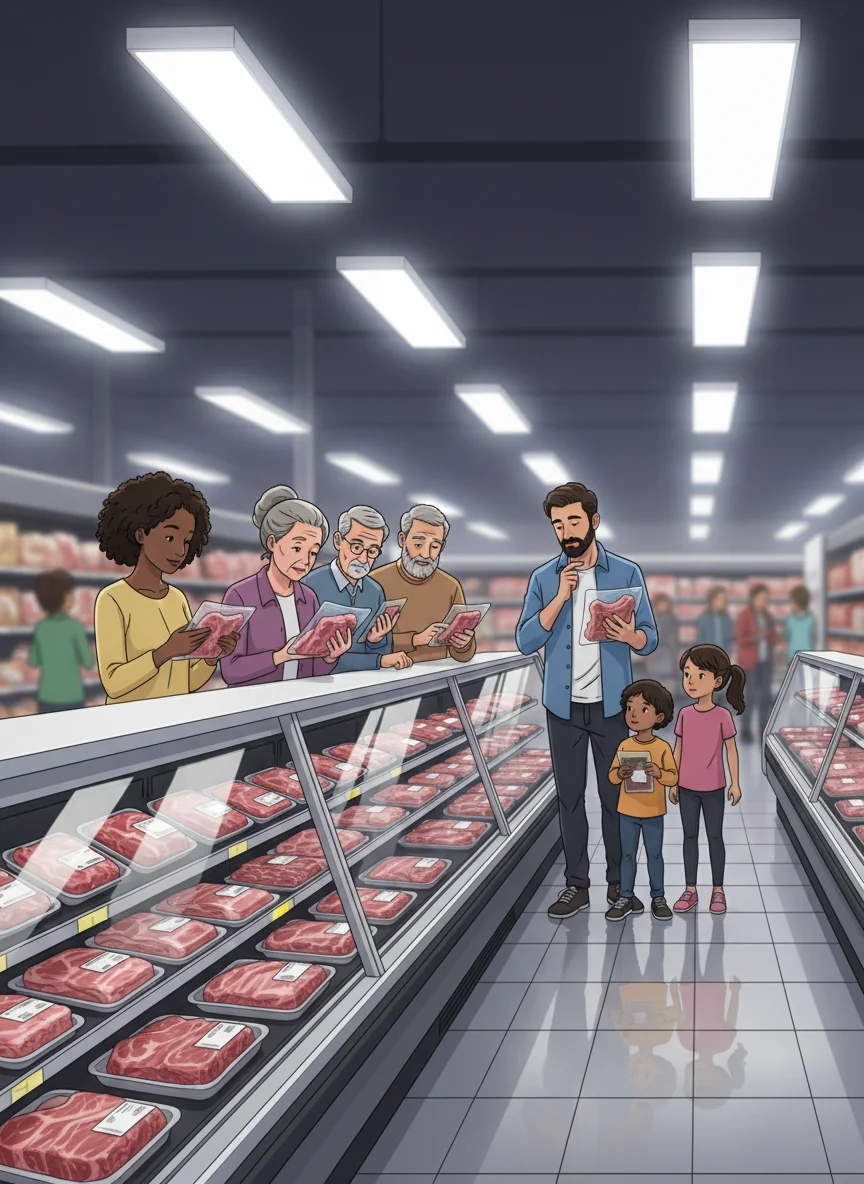
Why This Matters
Most consumers are disconnected from agriculture Questions about food safety, animal care, and sustainability Beef advocates help build trust through transparency
Lesson Objectives
Understand how beef is produced Identify how cattle are cared for Explain how beef remains safe and sustainable Practice responding to consumer questions
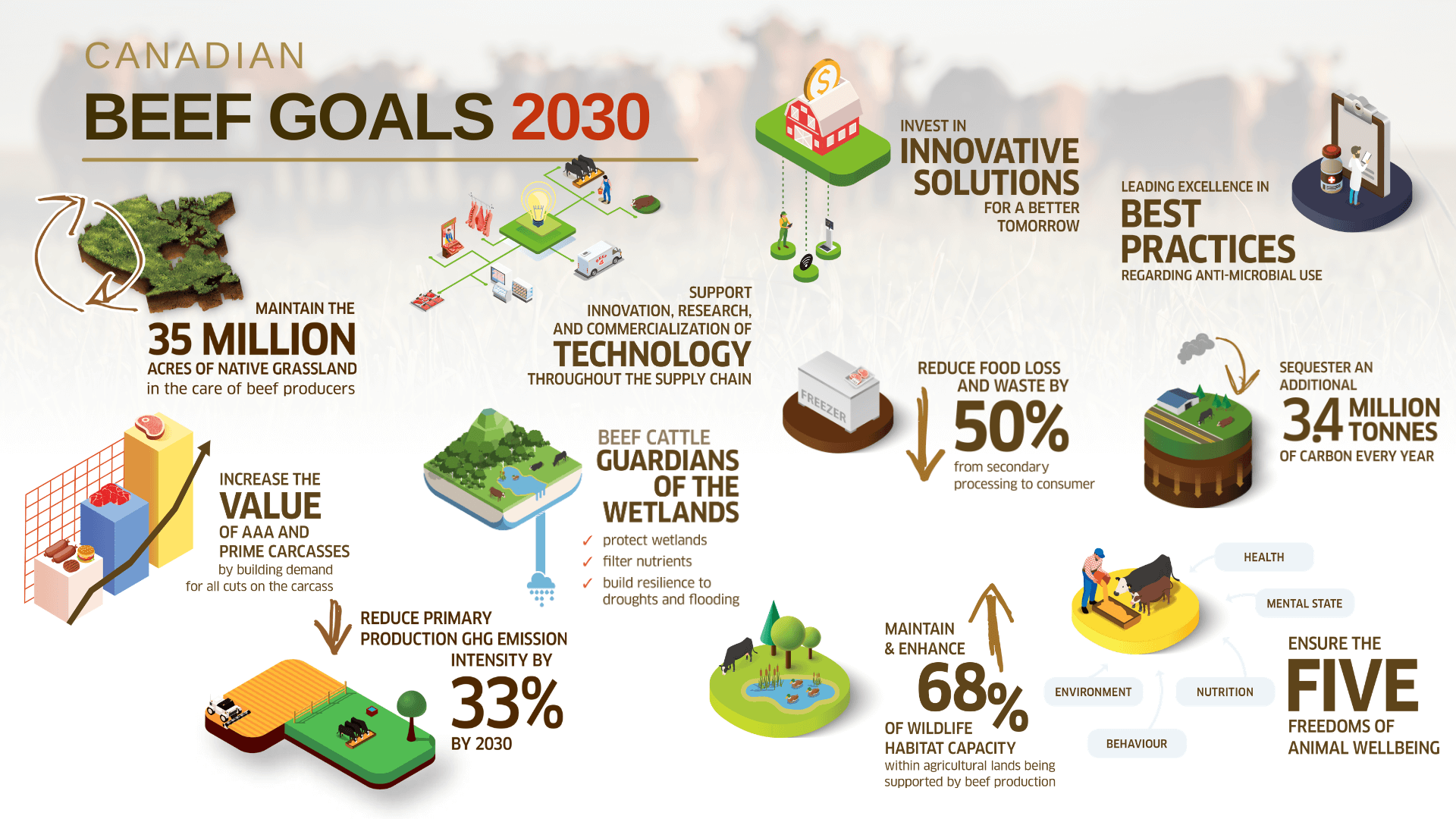
Beef Production Lifecycle
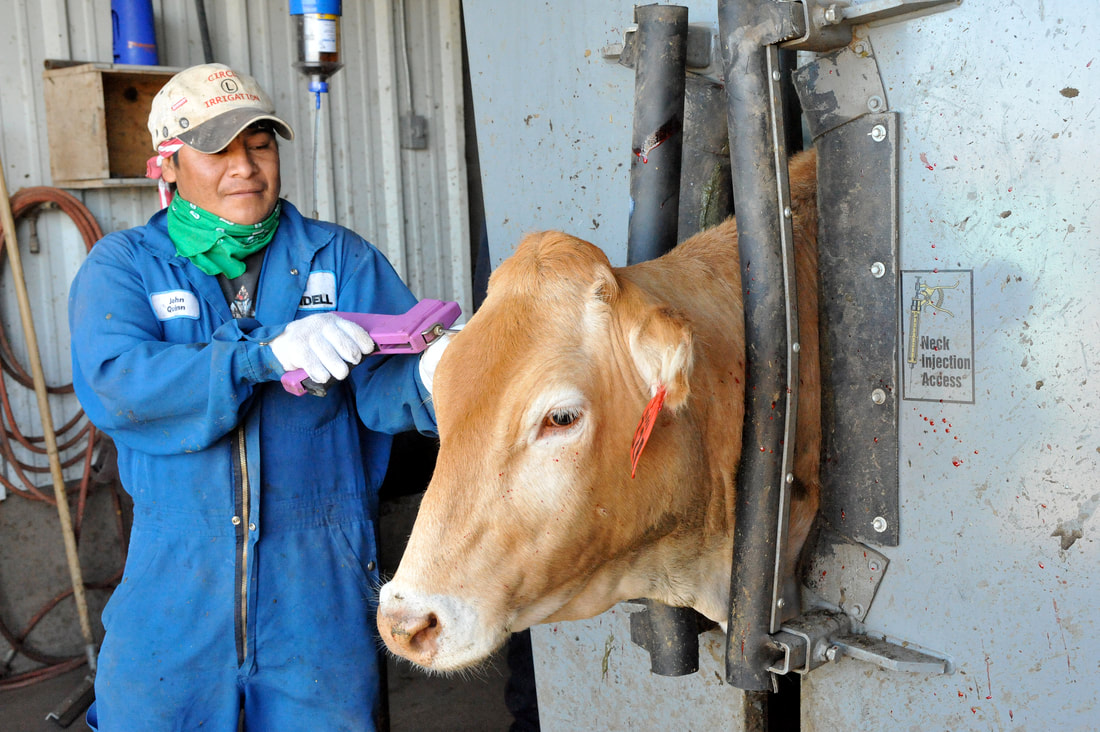
Animal Care Standards
Daily care by trained producers Veterinary oversight and health monitoring Beef Quality Assurance (BQA) standards Clean water, proper nutrition, safe handling
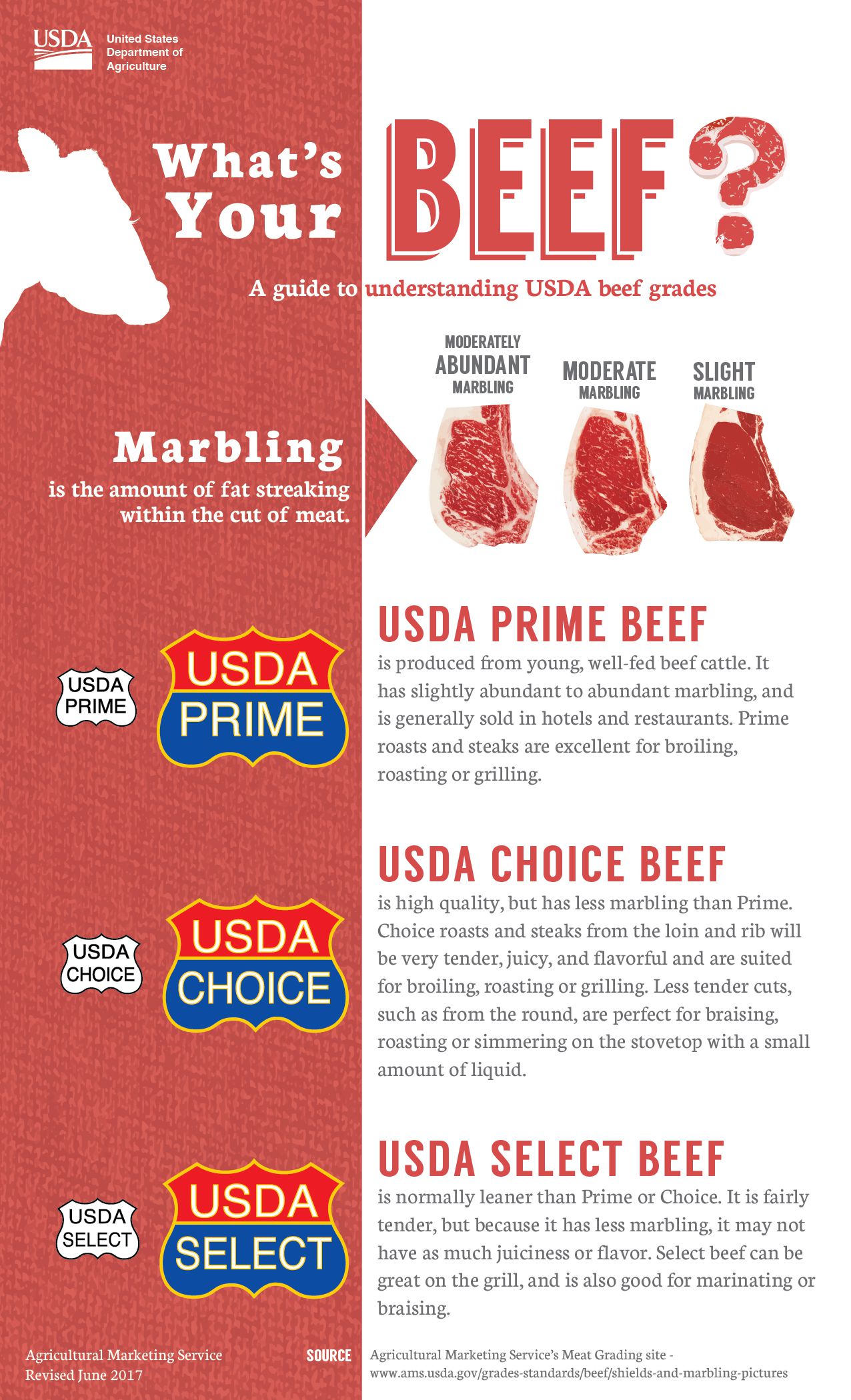
Beef Safety Measures
USDA inspection at processing facilities Strict food safety regulations and protocols Antibiotic withdrawal times before harvest Multiple safety checks before reaching consumers
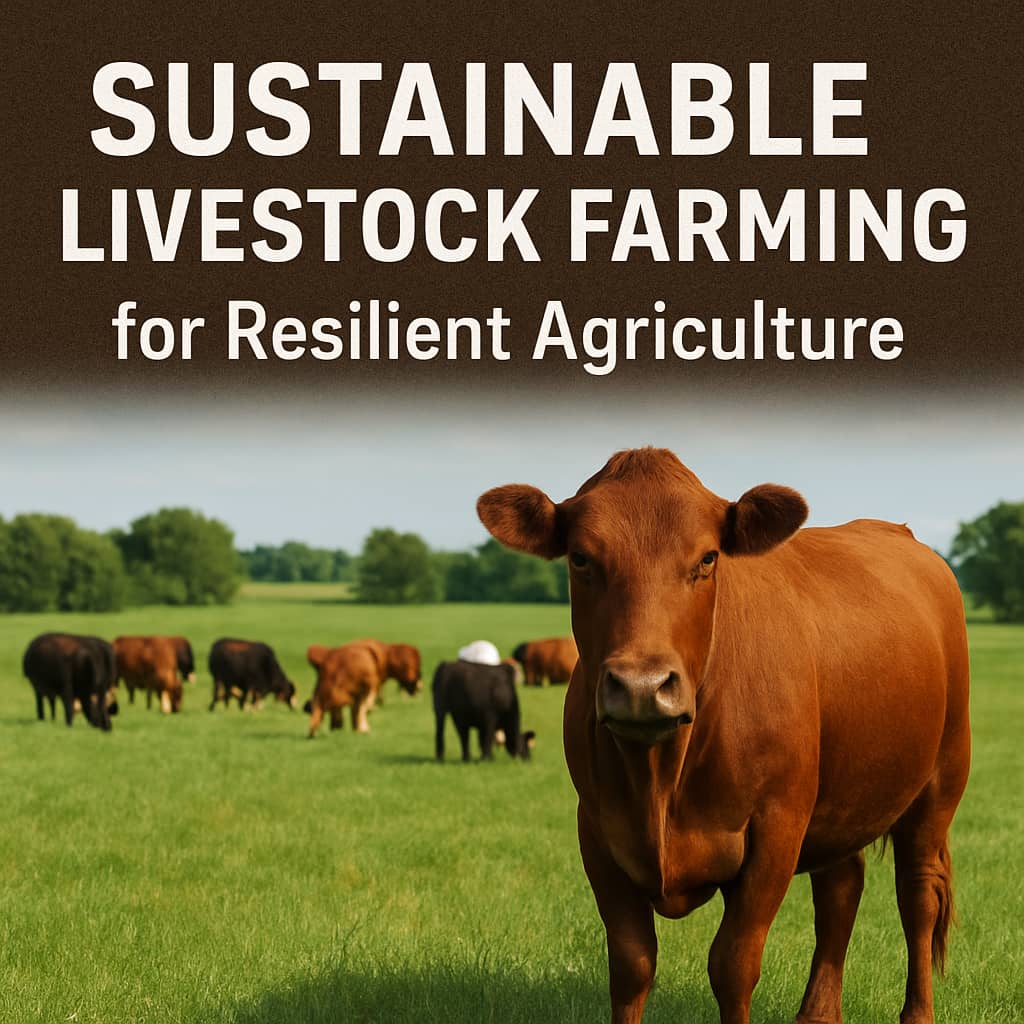
Sustainability Practices
{"left":"Protecting land and water resources\nEfficient feed conversion and land use","right":"Reducing environmental impact through technology\nFocus on long-term sustainable production"}

Common Consumer Concerns
How would you address questions about: Antibiotic use in cattle Hormone treatments Animal welfare practices Environmental impact of beef production

Beef Advocacy Practice
Scenario Discussion Activity Work in pairs to practice responding to: 'Is beef safe to eat?' 'Are cattle treated humanely?' 'Is beef production sustainable?' Use facts learned today and speak with empathy
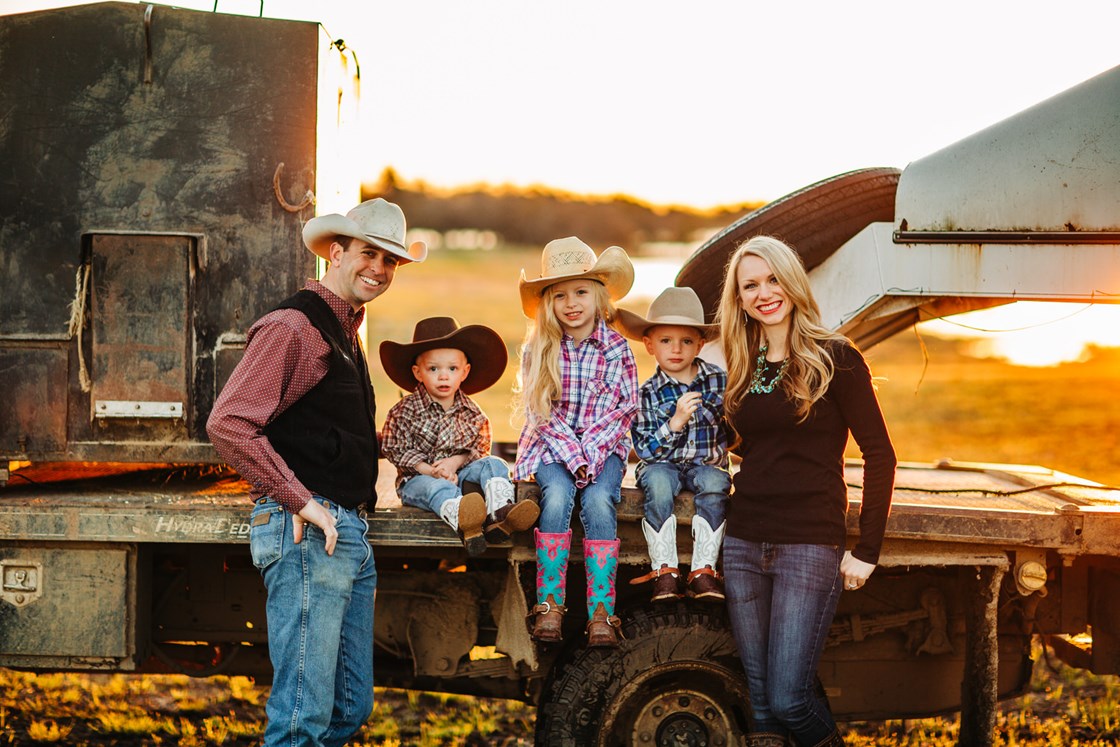
Building Trust Through Advocacy
Beef producers care deeply about their animals and land Modern beef production is safe and responsibly managed Transparency and education build consumer understanding Advocates help bridge the gap between farm and table