Cells, DNA, and Inherited Traits
Grade 7 Science Understanding the Building Blocks of Life
What Makes You, You?
Think of one trait you have (eye color, hair type) Think of something you learned to do (riding a bike, playing an instrument) How are these different? Inherited traits come from your parents through DNA, while learned traits develop through practice and experience. Turn to a partner and share your examples! Which traits run in your family?
From Cells to Genes: The Hierarchy of Life
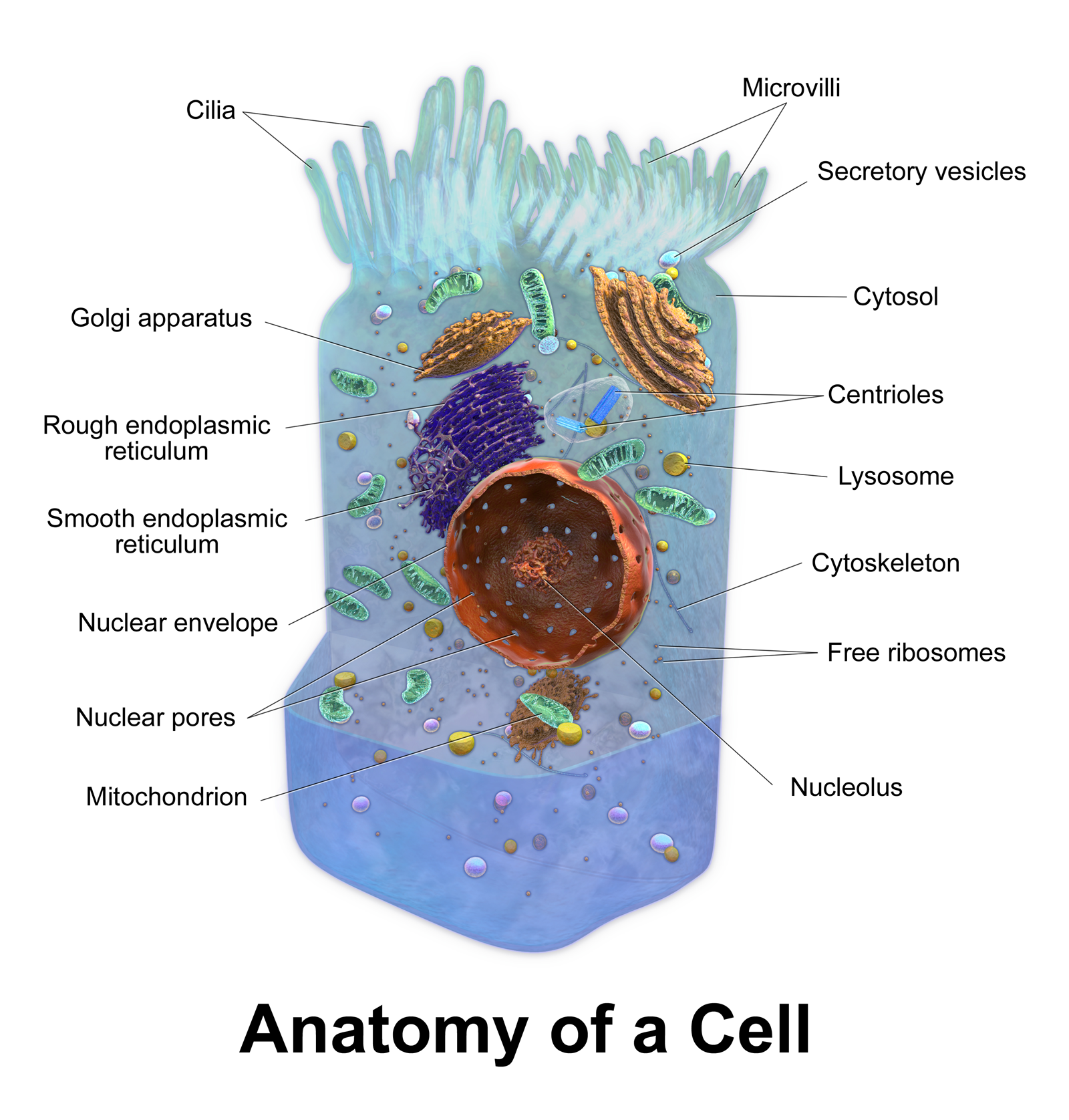
Cell contains the nucleus Nucleus contains DNA DNA contains genes Genes carry traits
DNA: The Instruction Manual of Life
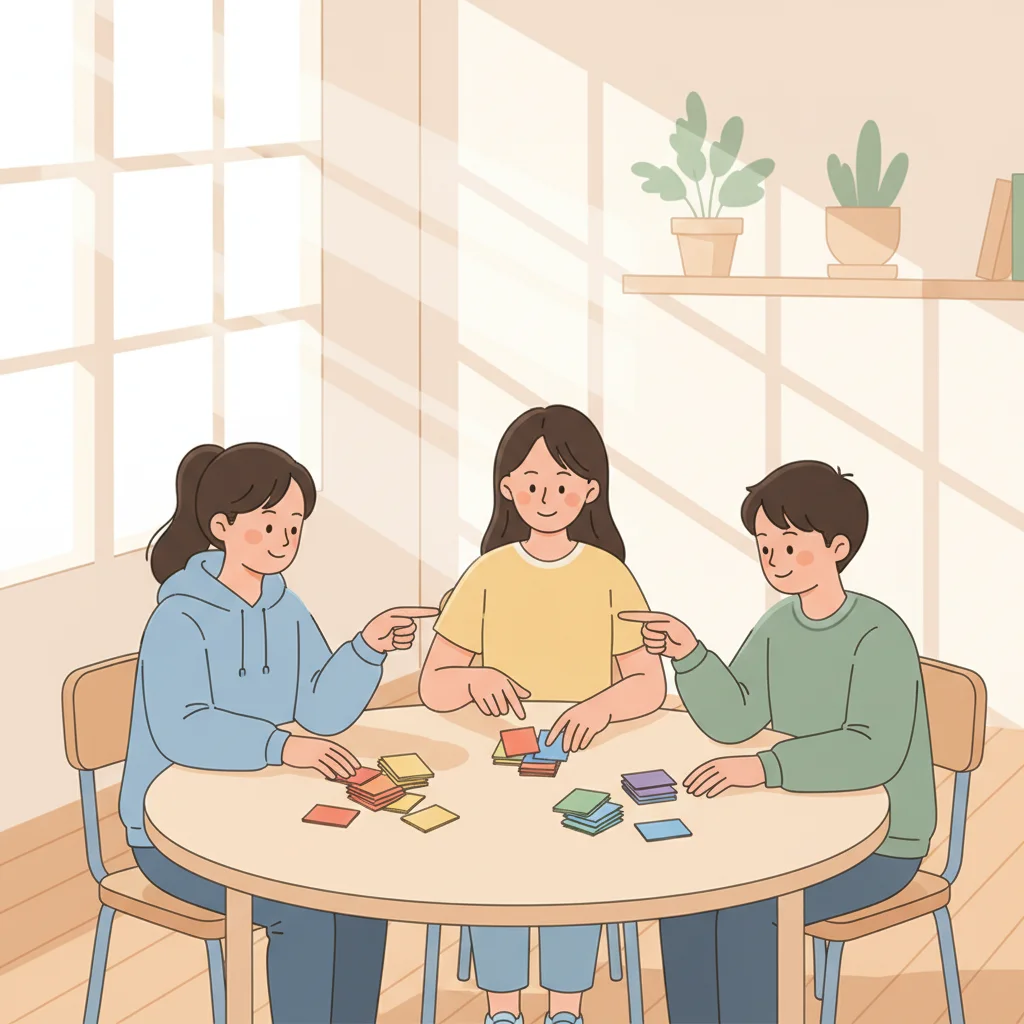
Sorting Activity: Inherited vs. Learned
Work in groups of 3-4 Sort trait cards into two piles Inherited traits vs. Learned behaviors Be ready to explain your reasoning!

Inherited Traits vs. Learned Behaviors
{"left":"Eye color\nHeight\nBlood type\nAttached/detached earlobes\nNatural hair color","right":"Reading\nPlaying piano\nRiding a bicycle\nSpeaking a language\nCooking skills"}
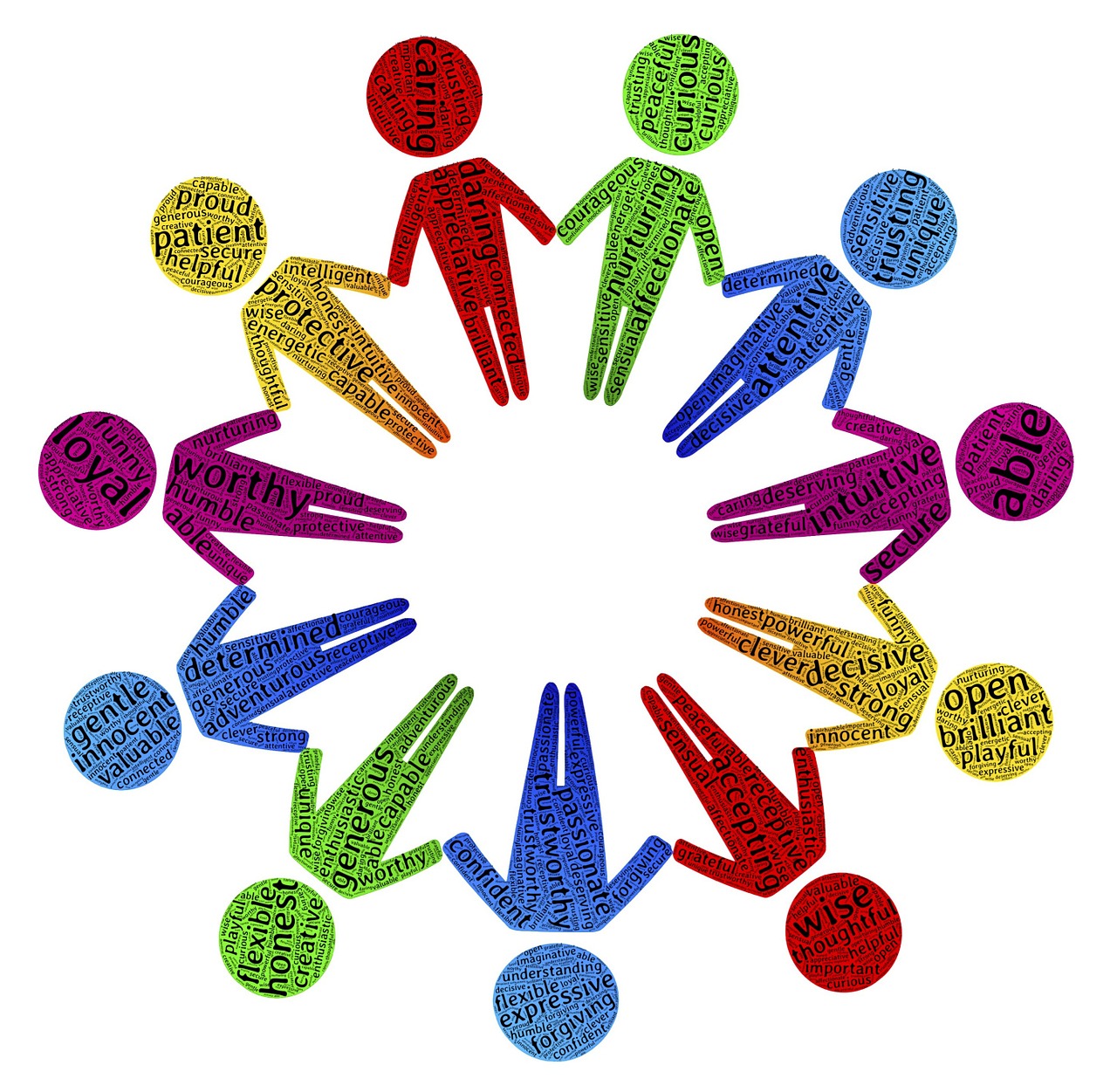
Variation in Populations
No two people are exactly alike (except identical twins) Genetic variation helps species survive Examples: different heights, eye colors, disease resistance This variation comes from combining genes from both parents

Model It: Punnett Square Practice
Partner up for this activity Use the tongue-rolling trait example Fill in your Punnett square worksheet Use colored pencils to show gene combinations Predict the possible outcomes for offspring
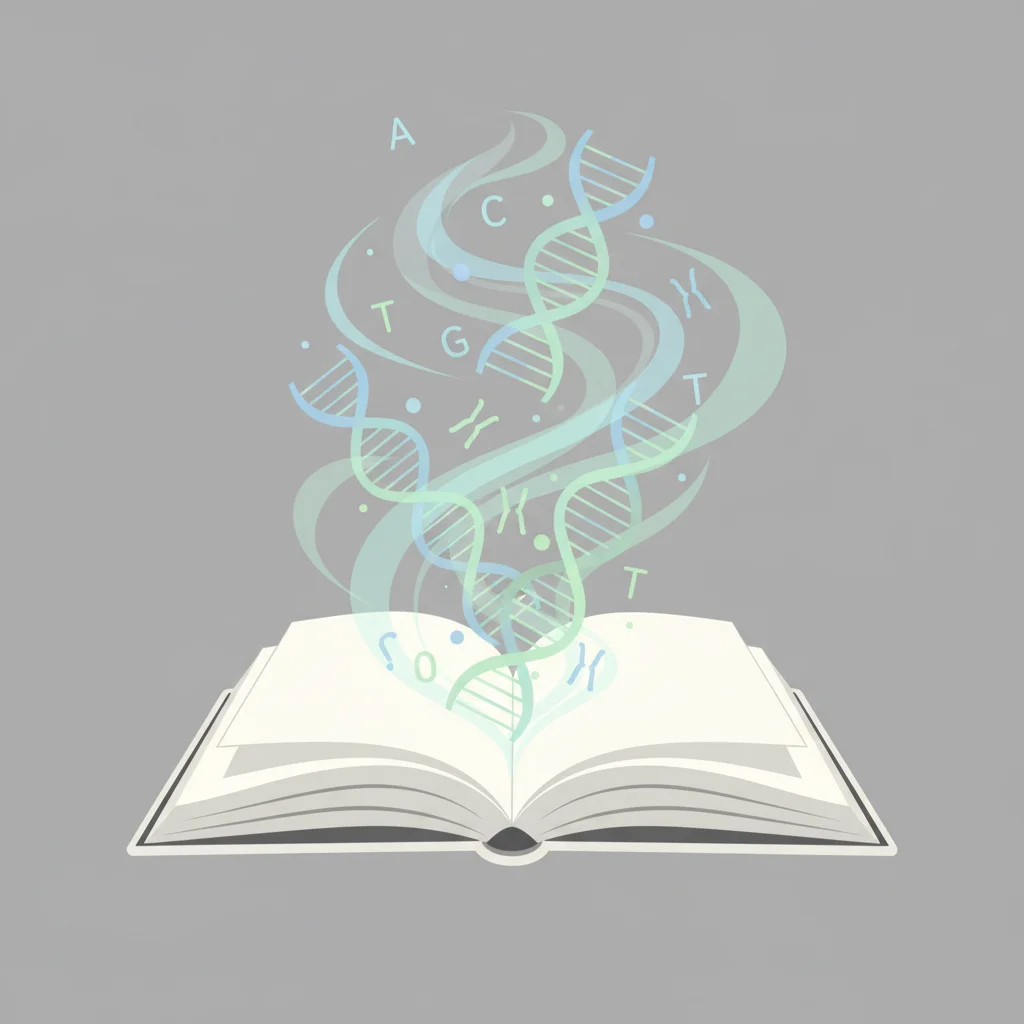
Understanding Inheritance
"Genes are like recipes in a cookbook - they contain the instructions for making you who you are, but the environment determines how those recipes turn out."

Wrap-Up: Key Connections
Cells contain nuclei, which contain DNA, which contains genes Genes determine inherited traits passed from parents to children Learned behaviors come from experience and practice Genetic variation in populations helps species survive and adapt Models like Punnett squares help us predict inheritance patterns