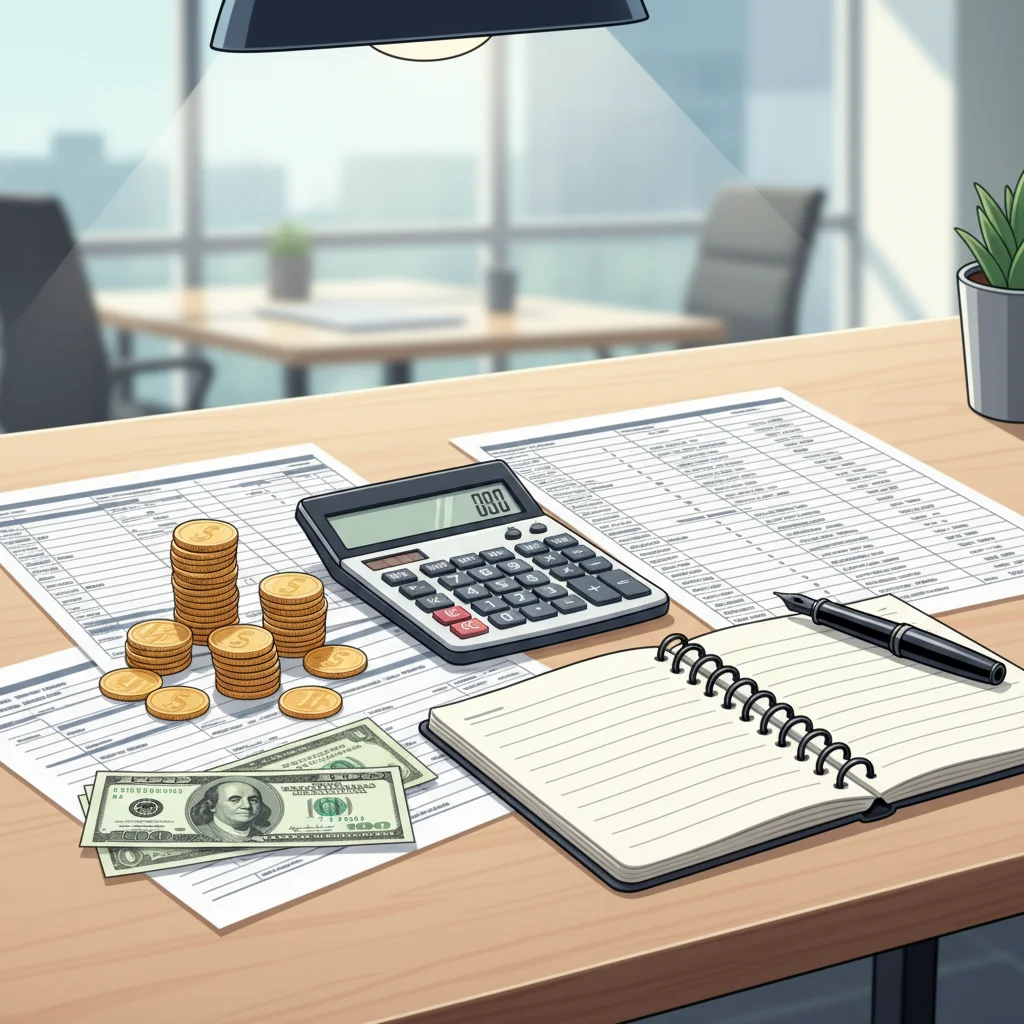
Creating Your Personal Budget
9th Grade Business Financial Literacy & Life Skills 60-Minute Interactive Workshop

Why Create a Budget?
Track where your money goes Reach your financial goals faster Avoid overspending and debt Build healthy money habits early Prepare for unexpected expenses
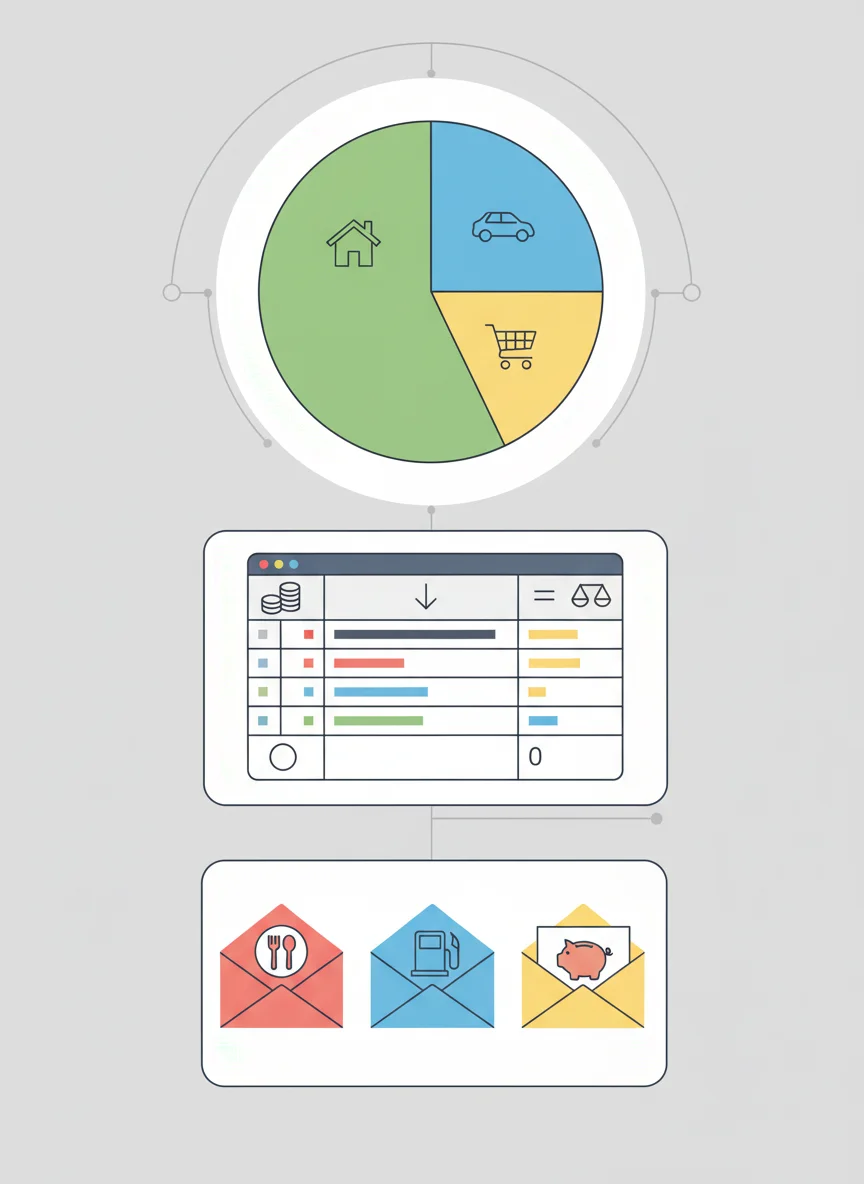
Review: Budgeting Methods
50/30/20 Rule: 50% needs, 30% wants, 20% savings Zero-Based Budgeting: Every dollar has a purpose Envelope Method: Cash allocated to categories Choose the method that works for YOUR lifestyle
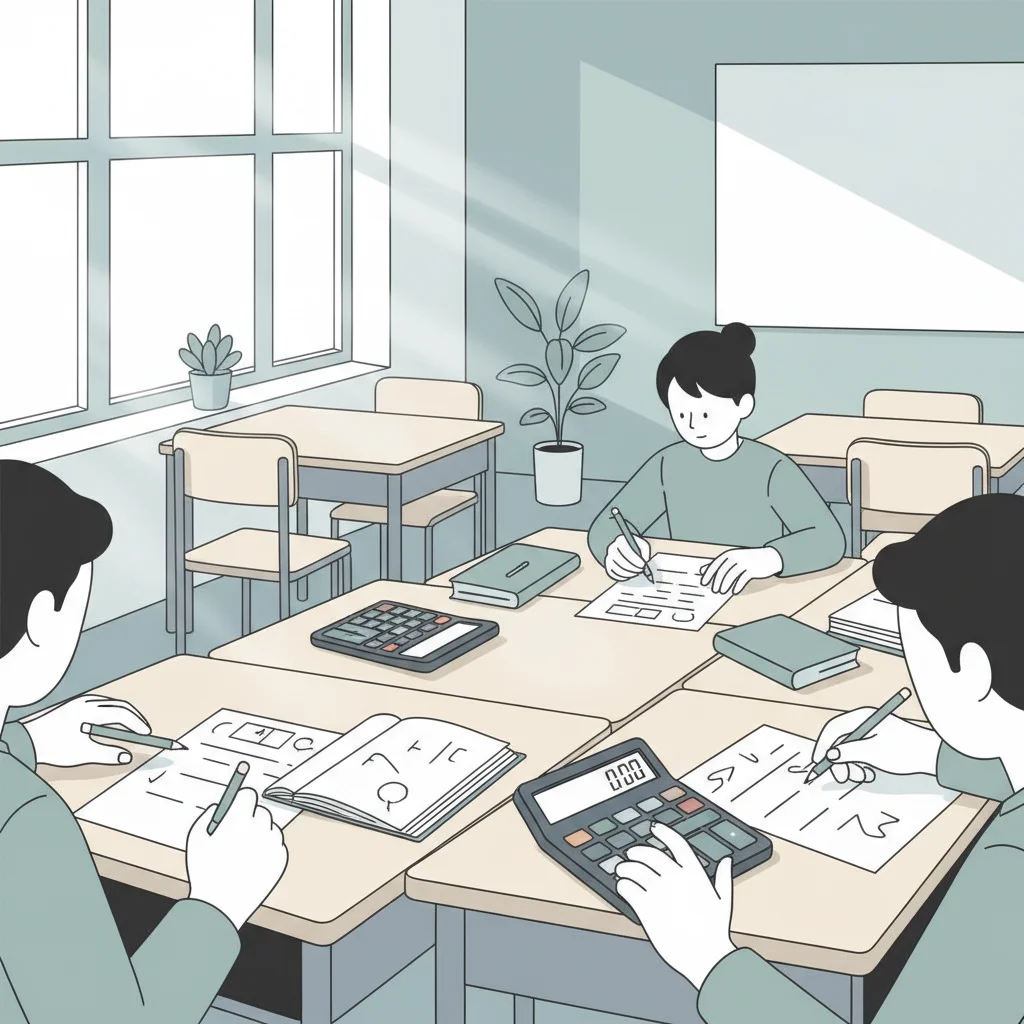
Activity 1: Income & Expense Inventory
List ALL your income sources Identify monthly expenses (fixed & variable) Categorize: Needs vs. Wants Be realistic about your spending habits
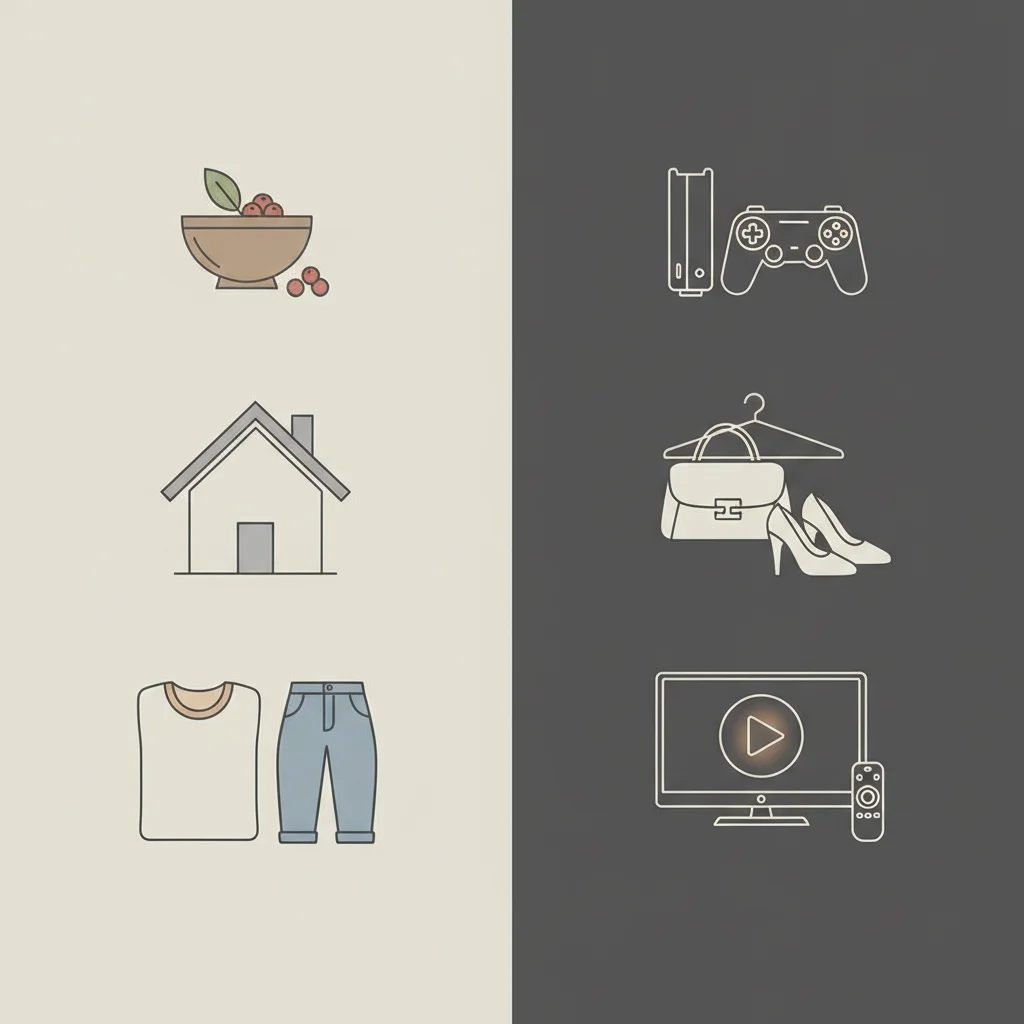
Think About It
What's the difference between a NEED and a WANT? Can you give examples of each from your expense list?
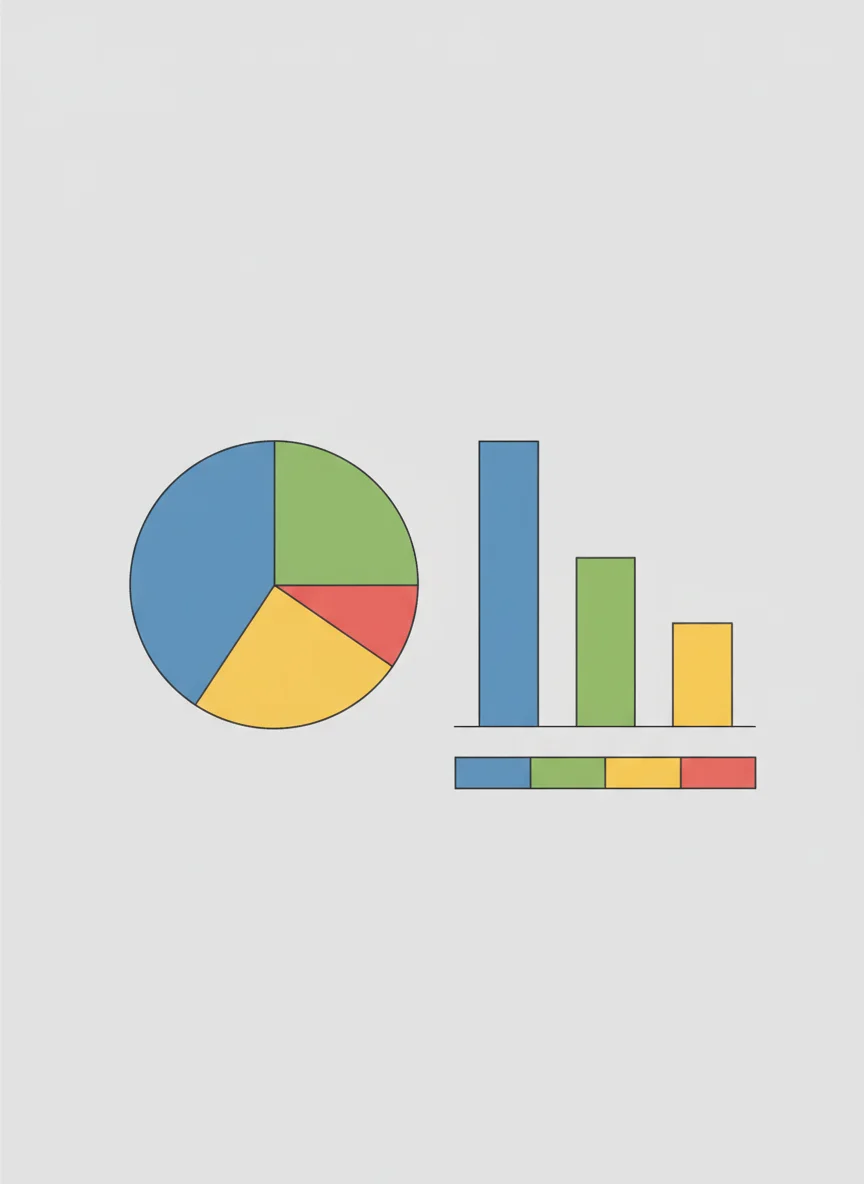
Sample Teen Budget Breakdown
Income: $400/month (part-time job + allowance) Fixed Expenses: $150 (phone, transportation) Variable Expenses: $180 (food, entertainment, clothes) Savings Goal: $70 (17.5% of income) Always aim to save at least 10-20% of income
Activity 2: Create Your Personal Budget
Choose your budgeting method Fill in your budget template Use calculations to balance income and expenses Make adjustments until everything adds up Ask for help if you need it!
Budget Balancing Tips
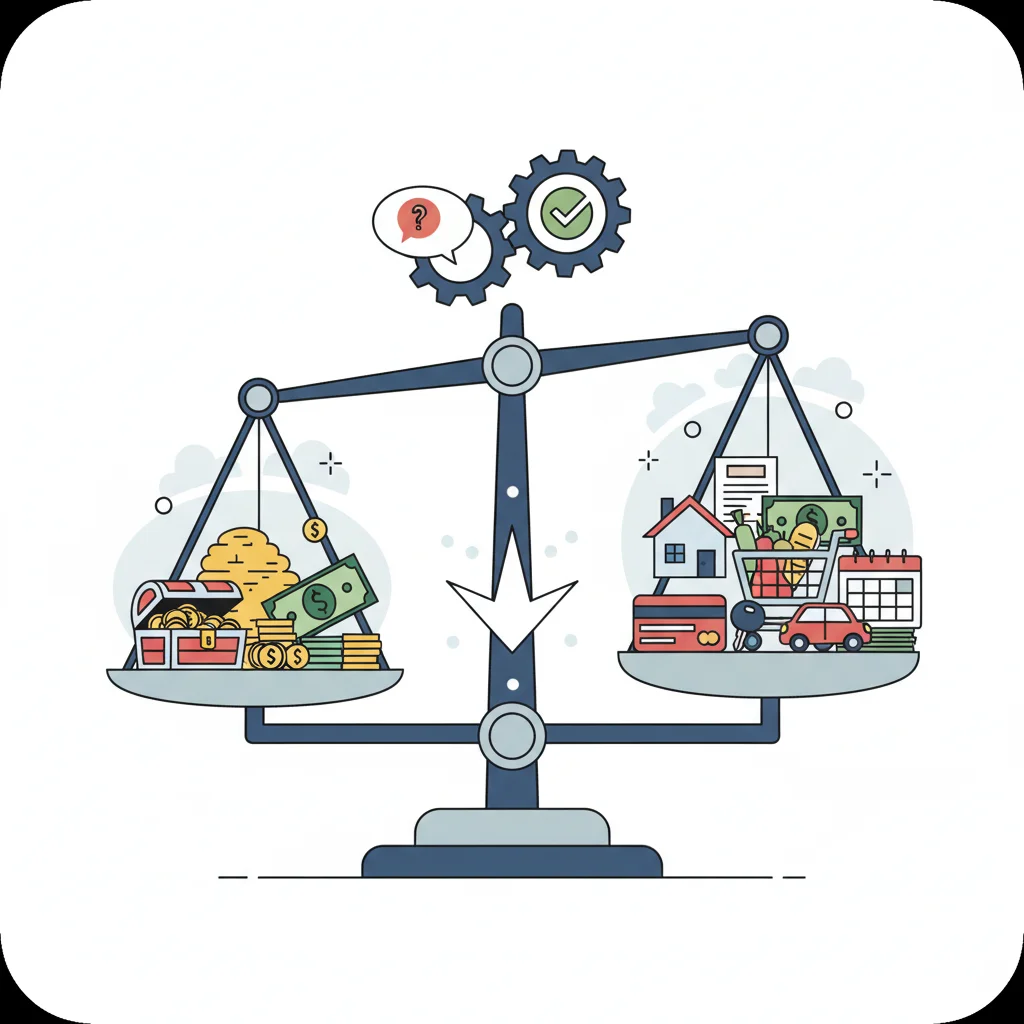
{"left":"If expenses exceed income:\nCut variable expenses first\nLook for ways to increase income\nPrioritize needs over wants","right":"If you have money left over:\nIncrease your savings rate\nSet aside money for emergencies\nConsider investing for the future"}

Activity 3: Reflect & Share
Write a short paragraph about your budget choices What financial goals does your budget support? What was challenging about creating this budget? Volunteers will share with the class

Key Takeaways & Next Steps
Every dollar should have a purpose in your budget Start with small, realistic goals you can achieve Review and adjust your budget monthly Track your actual spending vs. your budget Building good money habits now sets you up for life
More Business slide decks
Other ready-to-teach business decks for US classrooms.

Comparing Multiple Budget Methods
Comparing Multiple Budget Methods

Pay-Yourself-First: Smart Budgeting Strategy
Pay-Yourself-First: Smart Budgeting Strategy

Exploring Four Essential Budgeting Methods
Exploring Four Essential Budgeting Methods