
Critical Thinking Through Text Evidence
Grade 6 English Language Arts Building Scientific Reasoning Skills 60-Minute Interactive Workshop

Warm-Up: Problem Solving Reflection
Think: Recall a time you solved a tricky problem Pair: Share your strategy with a partner Share: What problem-solving methods did you use? Connect: How might these skills help with reading?

What is Critical Thinking?
Analyzing information carefully and objectively Asking questions about what we read Looking for evidence to support ideas Making connections between different pieces of information Evaluating the strength of arguments

The Power of Text Evidence
Evidence = proof from the text that supports your ideas Strong evidence comes from specific quotes and examples Multiple pieces of evidence make stronger arguments Evidence helps us move from opinions to facts Scientists and detectives both rely on evidence!
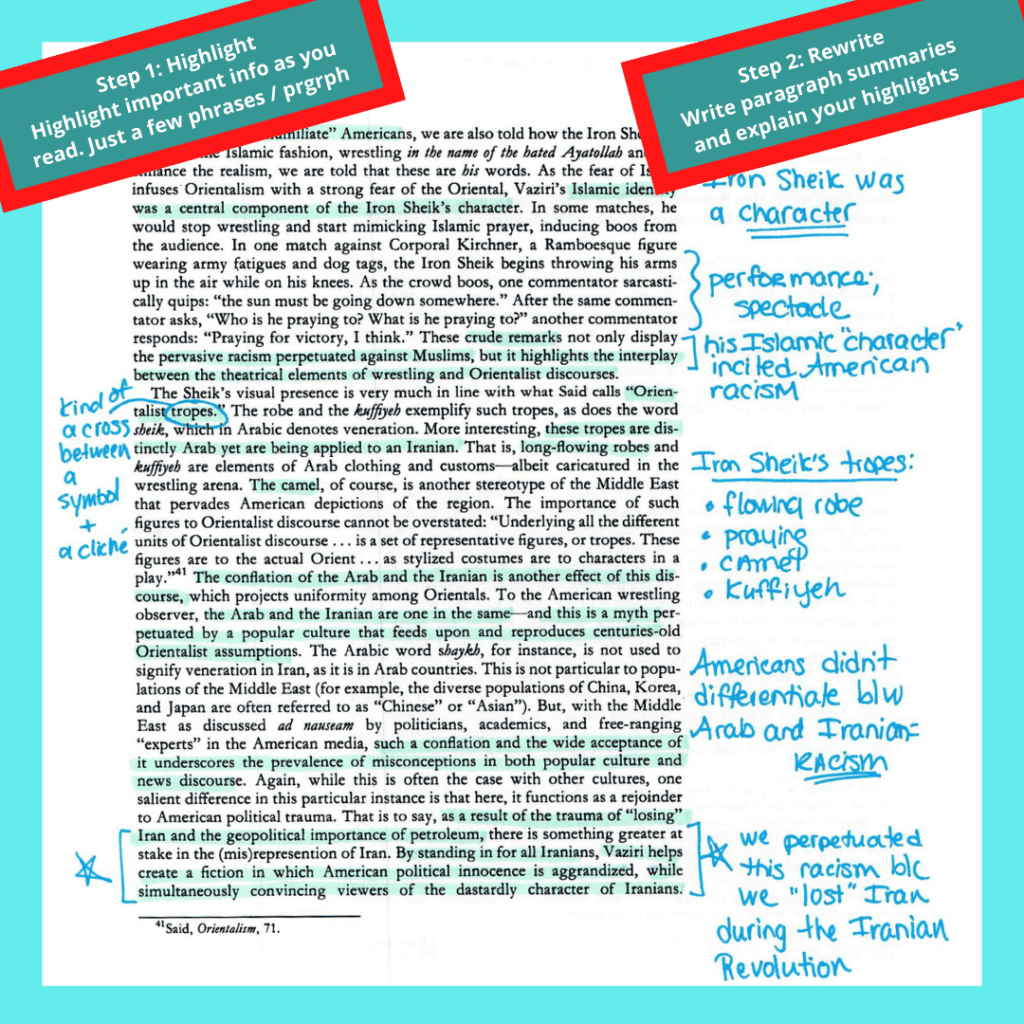
Annotation Station: Close Reading Practice
Read your assigned passage carefully Highlight important ideas in yellow Mark strong evidence in blue Use sticky notes for questions or connections Circle key vocabulary words

Collaborative Analysis: Building Understanding Together
{"left":"Main Ideas: What are the key points the author is making?\nSupporting Evidence: Which specific quotes or examples back up these ideas?","right":"Questions & Confusion: What parts need more investigation?\nReal-World Connections: How does this relate to science or everyday life?"}

Making Connections: From Text to Real World
How does the evidence in your text help solve a bigger problem? What convinced you most and why? How might this information connect to scientific thinking? What patterns do you notice in the evidence?

Reflection & Next Steps
Critical thinking skills transfer across subjects Evidence-based reasoning helps in science and everyday life Practice makes these skills stronger Continue using annotation strategies in future reading Apply these detective skills to solve real-world problems