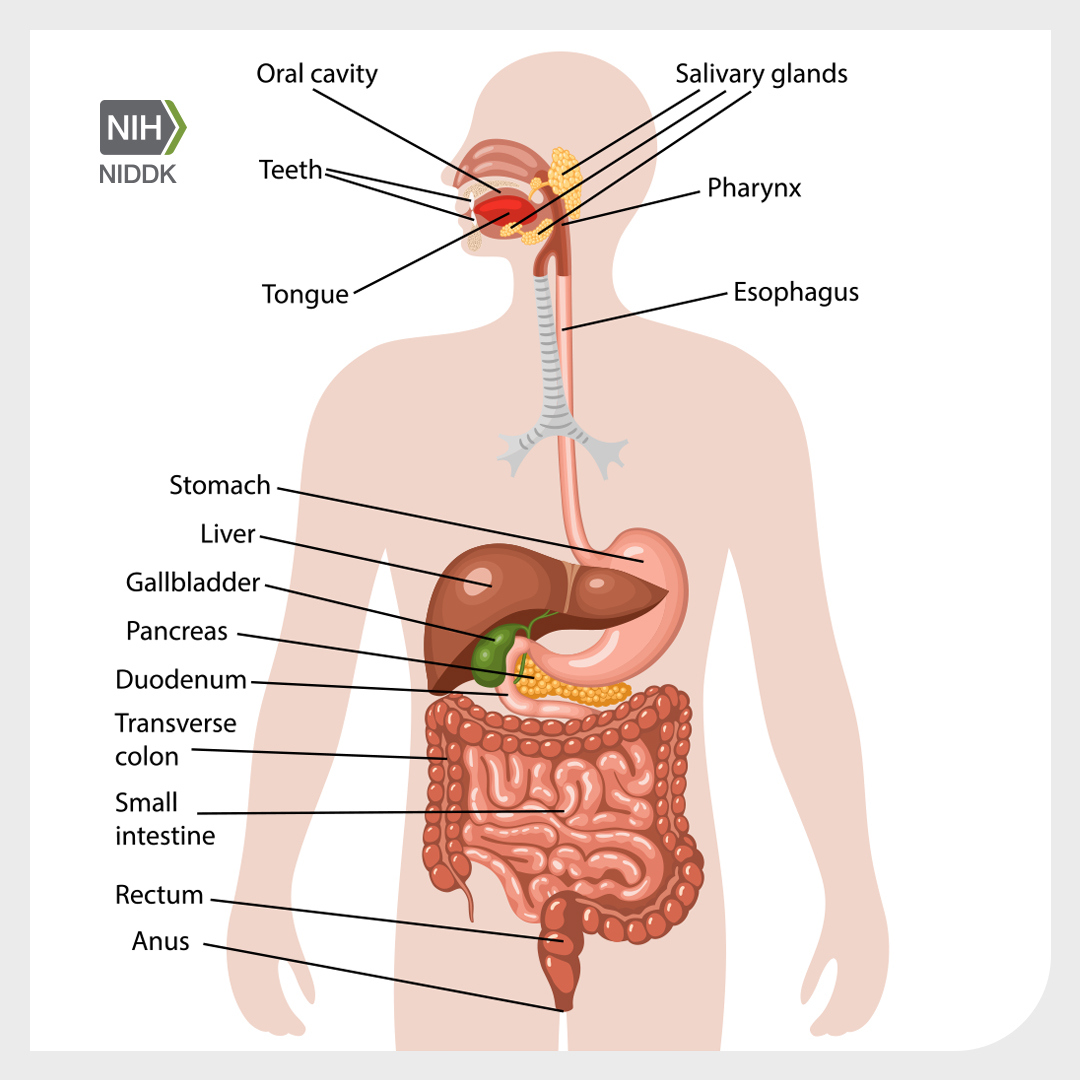
Digestive System Basics for Seniors
Grade 12 Science Lesson 1: Introduction to Major Organs 30 Minutes
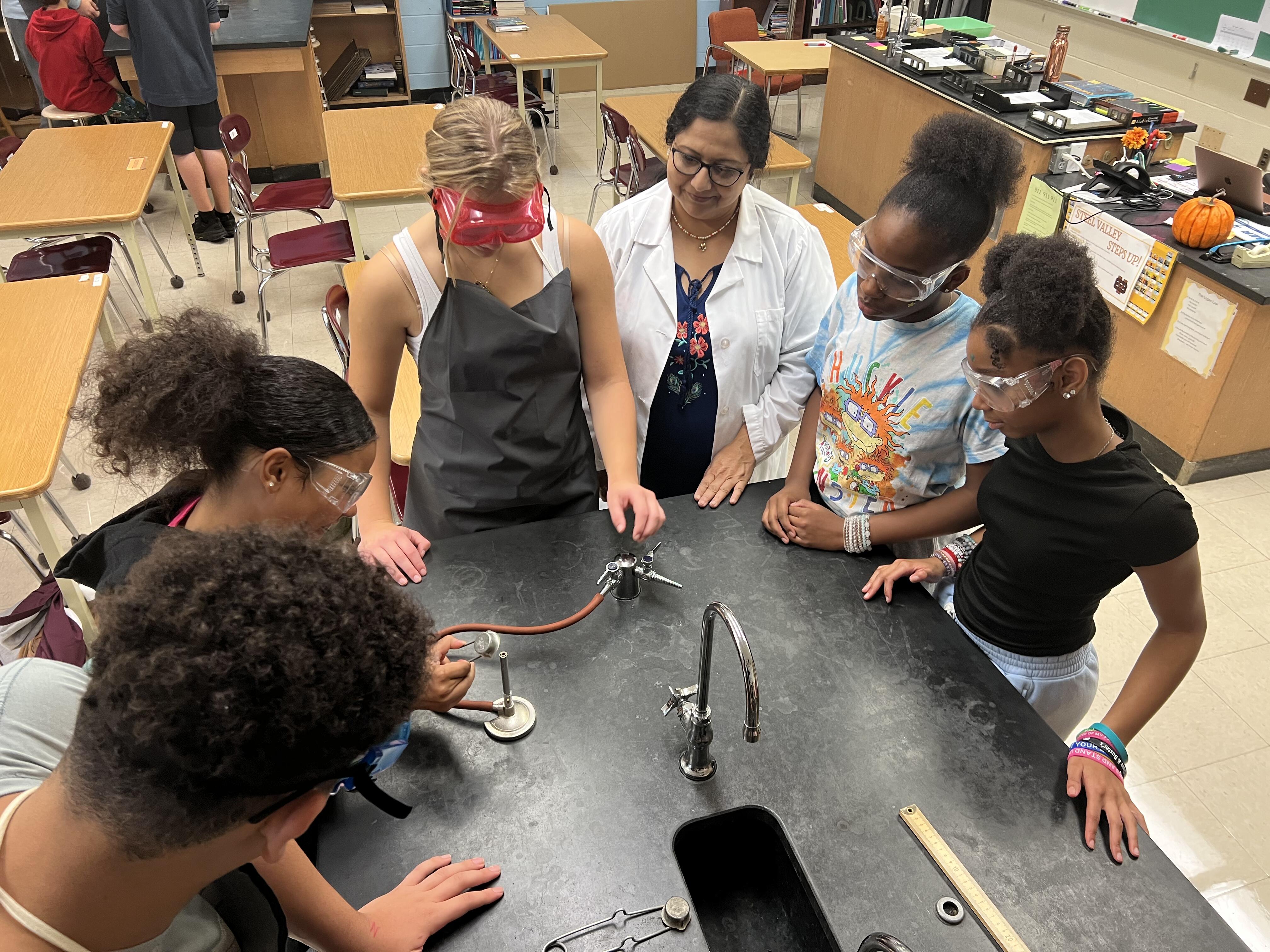
Learning Objectives: What You'll Master Today
I can identify the major organs of the digestive system and describe their physical structure I can explain the primary function of each digestive organ in the overall digestion process I can use scientific models (diagrams) to visually represent digestive system components
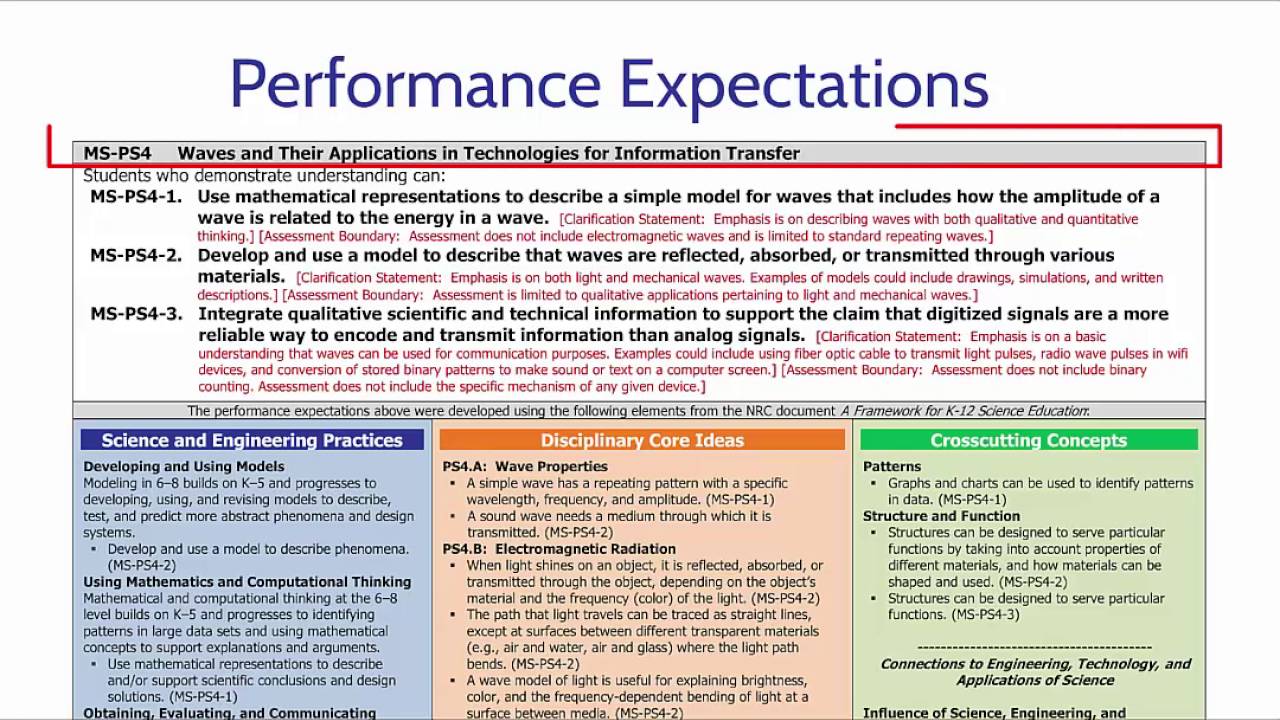
NGSS Standards We're Addressing
HS-LS1-3: Plan and conduct investigations about feedback mechanisms that maintain homeostasis HS-LS1-2: Develop and use models showing hierarchical organization of interacting systems Science Practice: Developing and Using Models to represent biological processes
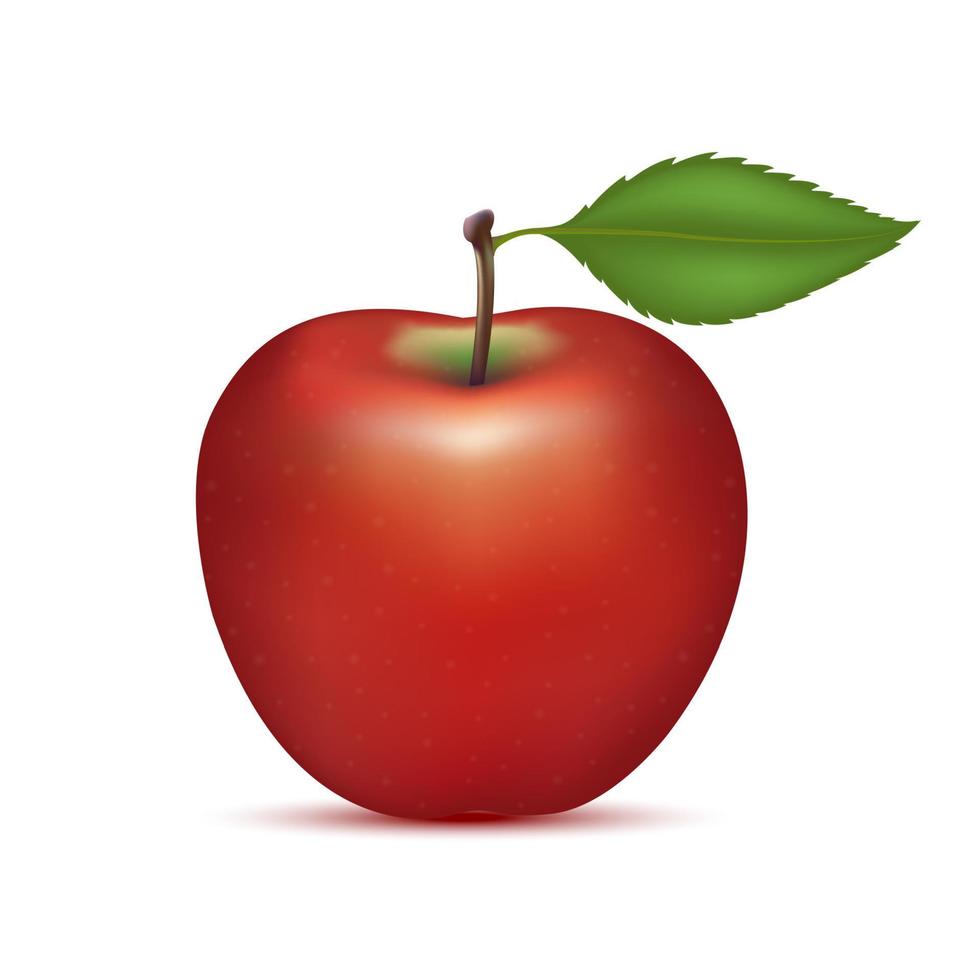
Opening Question: Let's Think Together
What happens inside your body when you eat an apple? Think about the journey from bite to... well, you know! Share your thoughts with a partner
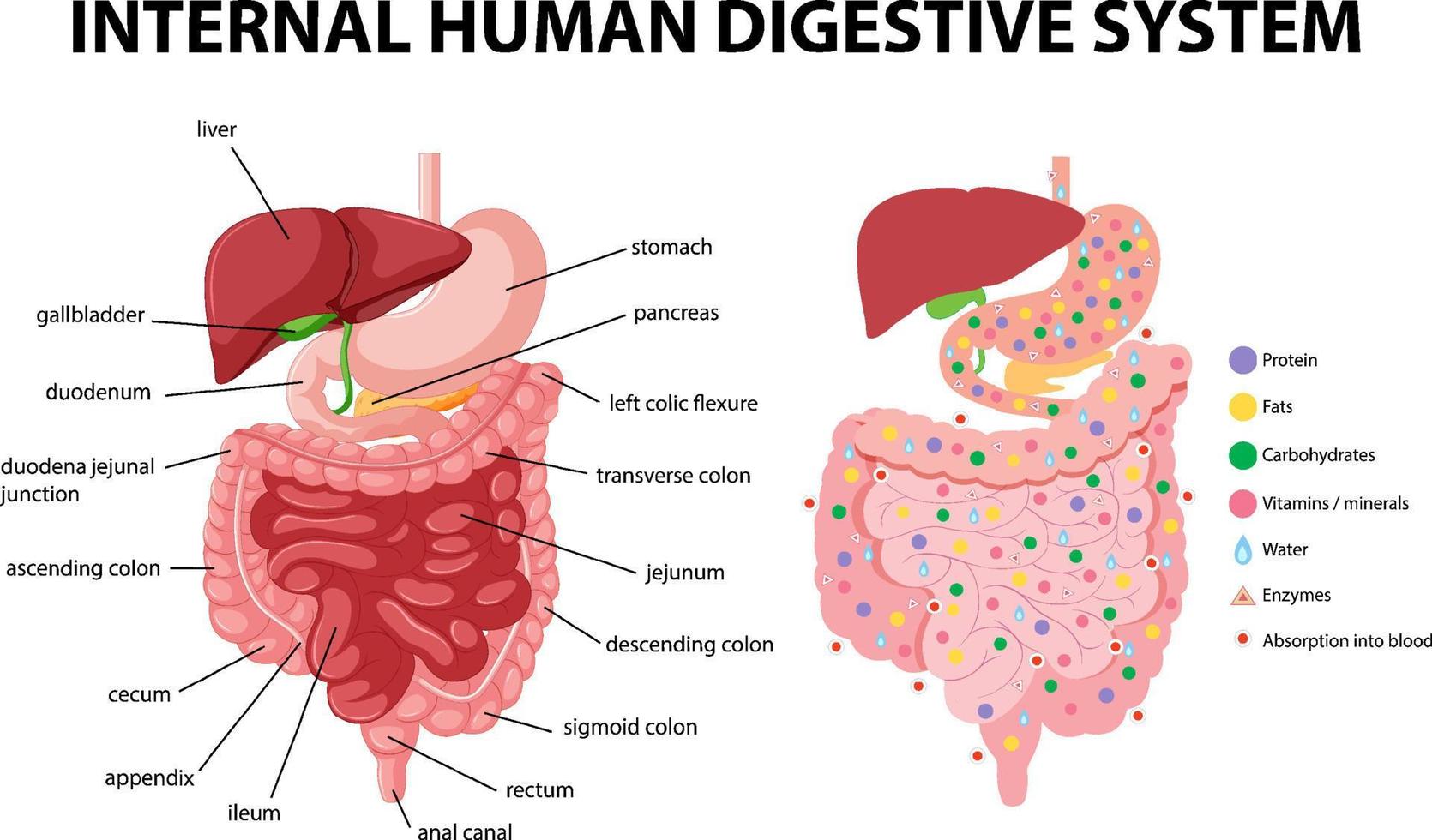
Major Digestive System Organs

Mouth & Esophagus: The Journey Begins
Mouth: Mechanical breakdown with teeth, chemical breakdown with saliva Saliva contains enzymes that start breaking down starches Esophagus: 10-inch muscular tube that moves food to stomach Peristalsis: wave-like muscle contractions push food downward

Stomach: The Acid Bath
J-shaped muscular sac that stores and churns food Produces hydrochloric acid (pH around 1.5-2.0) Acid kills bacteria and breaks down proteins Muscular walls contract to mix food into chyme

Liver & Pancreas: The Chemical Factories
{"left":"Liver: Largest internal organ, produces bile to break down fats\nBile stored in gallbladder, released when needed\nLiver also detoxifies blood and stores nutrients","right":"Pancreas: Produces digestive enzymes and insulin\nEnzymes break down proteins, carbs, and fats\nInsulin regulates blood sugar levels"}

Interactive Diagram Challenge
Receive your blank digestive system diagram Label all major organs using colored pencils Write 1-2 sentences describing each organ's main function Use colors to group organs by similar functions Partner share: Explain one organ's function to your neighbor
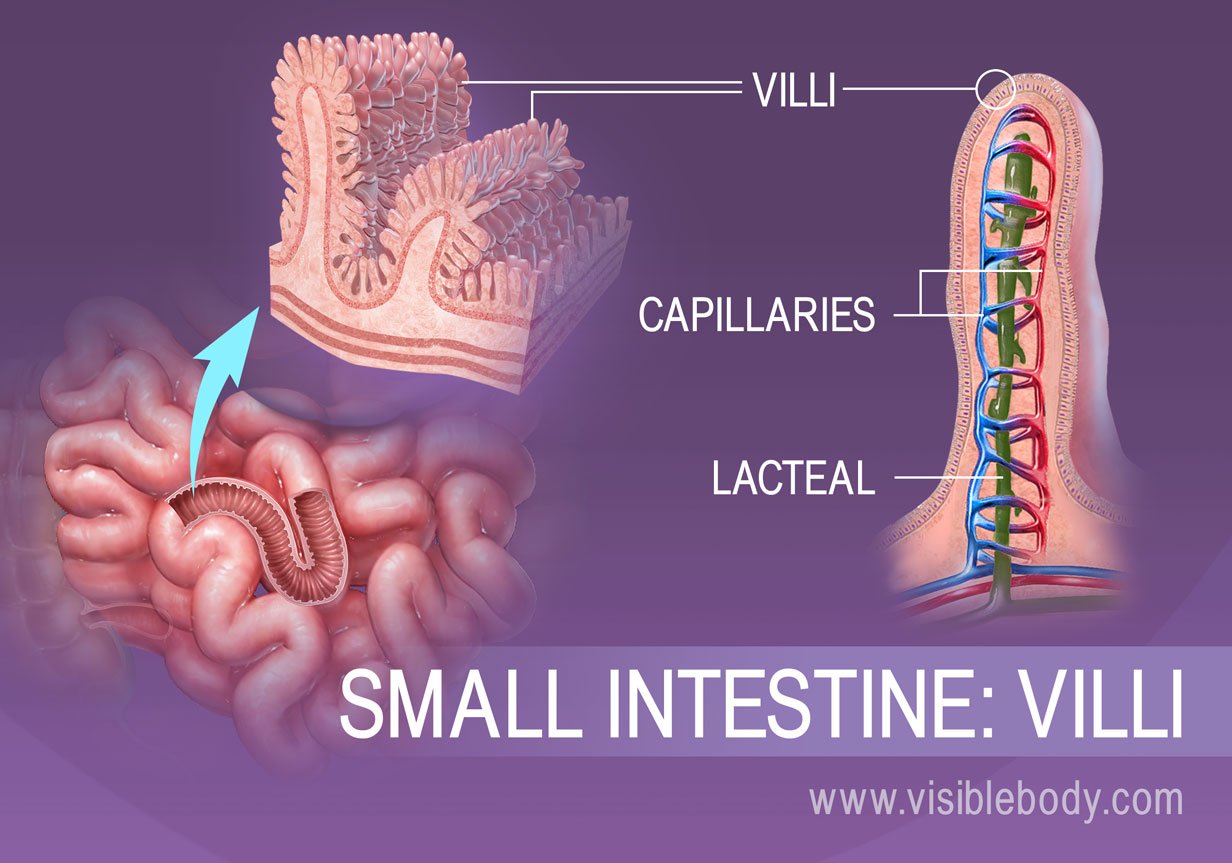
Small & Large Intestine: Absorption & Elimination
Small Intestine: 20 feet long, absorbs most nutrients into bloodstream Villi increase surface area for maximum absorption Large Intestine: Absorbs water, forms solid waste Beneficial bacteria help with final digestion and vitamin production