
DNA Structure and Replication Models
Grade 10 Biology International Baccalaureate Program Understanding the Blueprint of Life

What is DNA and why is it important?
Think about what you already know Consider its role in living organisms Share your ideas with a partner

DNA Structure: The Double Helix
Sugar-phosphate backbone forms the sides Four nitrogenous bases: A, T, G, C Complementary base pairing: A-T and G-C Antiparallel strands run in opposite directions Hydrogen bonds hold base pairs together

Structure Meets Function
{"left":"Double helix provides structural stability\nComplementary base pairing ensures accuracy\nAntiparallel design enables replication","right":"Hydrogen bonds allow strand separation\nSugar-phosphate backbone protects bases\nSpecific pairing prevents errors"}

Build Your DNA Model
Work in groups of 4-5 students Use model kits or craft materials Create accurate base pairing Show antiparallel strand orientation Label major components Prepare to explain structure-function relationships
DNA Replication Process
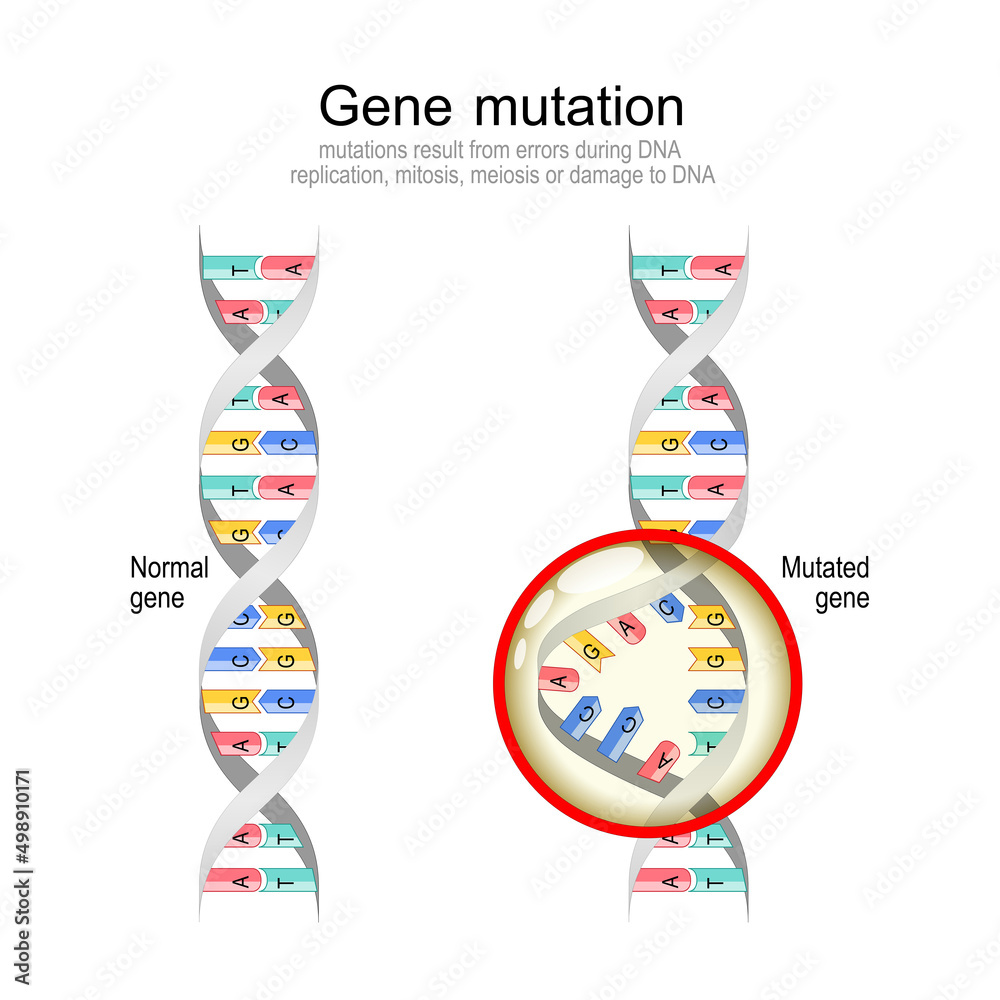
Why is accurate DNA replication crucial?
Consider what happens if mistakes occur Think about inheritance and heredity Discuss with your group Prepare to share insights

Key Takeaways
DNA's double helix structure enables stable information storage Complementary base pairing ensures accurate replication Structure and function are intimately connected DNA replication is fundamental to life and heredity Understanding DNA structure opens doors to biotechnology