
Electric Current and Ohm's Law
Grade 9 Physical Science East Baton Rouge Tara High School Understanding the Flow of Electricity

Bell Ringer: Electric Mysteries
What makes a phone charger work? Why don't we get shocked touching plastic? Which materials conduct electricity best? Pair-share your ideas for 3 minutes!

I Can Describe Electric Current
Electric current = flow of electric charge (electrons) Measured in Amperes (Amps) Two types: Direct Current (DC) and Alternating Current (AC) DC: electrons flow one direction (batteries) AC: electrons change direction regularly (wall outlets)
I Can Classify Conductors and Insulators
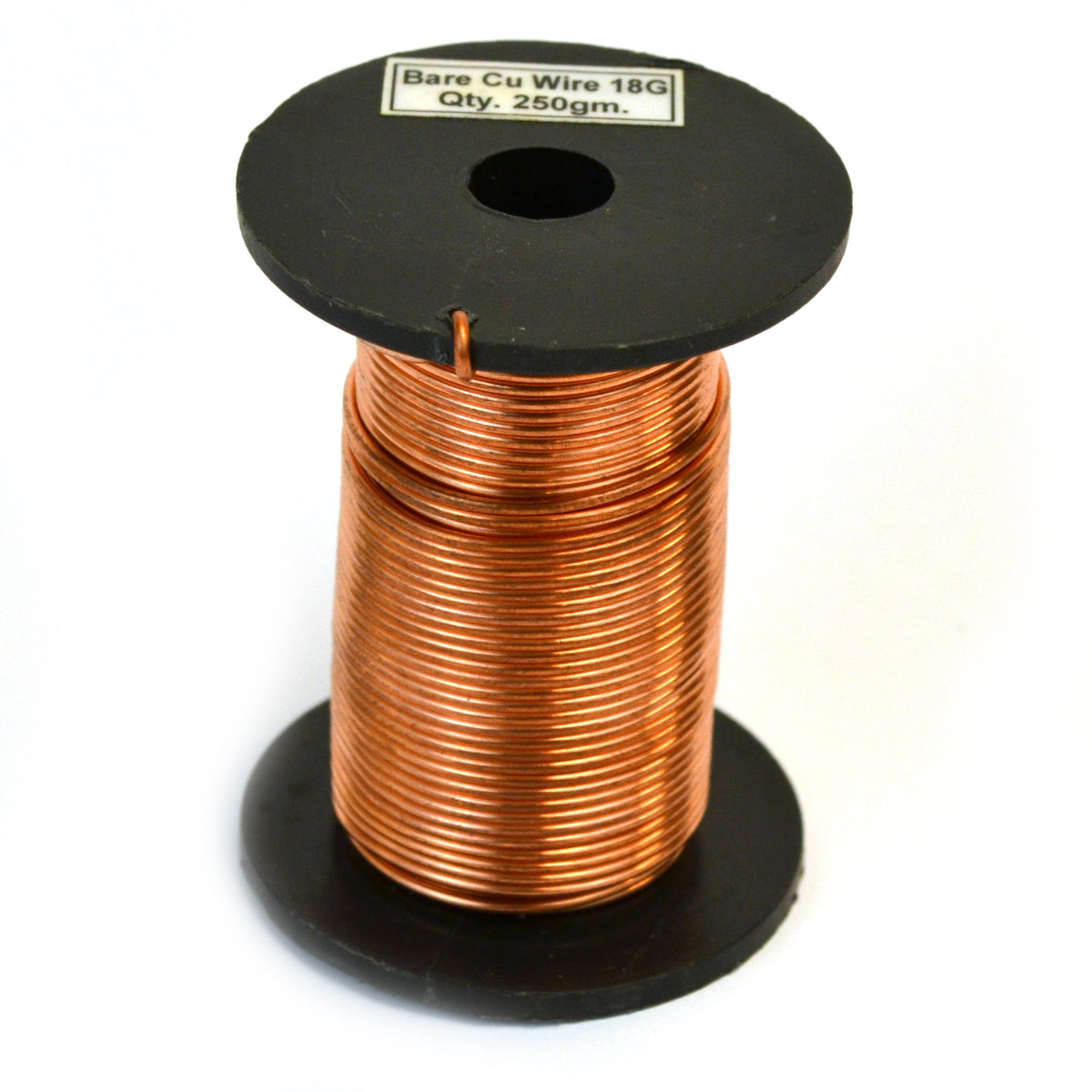
{"left":"CONDUCTORS: Allow electric charge to flow easily\nMetals (copper, aluminum, gold)\nSalt water\nHuman body\nINSULATORS: Block electric charge flow","right":"Rubber\nPlastic\nGlass\nAir (usually)"}

I Can Explain Factors Affecting Resistance
Resistance opposes electric current flow Measured in Ohms (Ω) Length: Longer wires = MORE resistance Thickness: Thicker wires = LESS resistance Material: Some materials resist more than others Temperature: Higher temperature = MORE resistance
Voltage: The Electrical Push
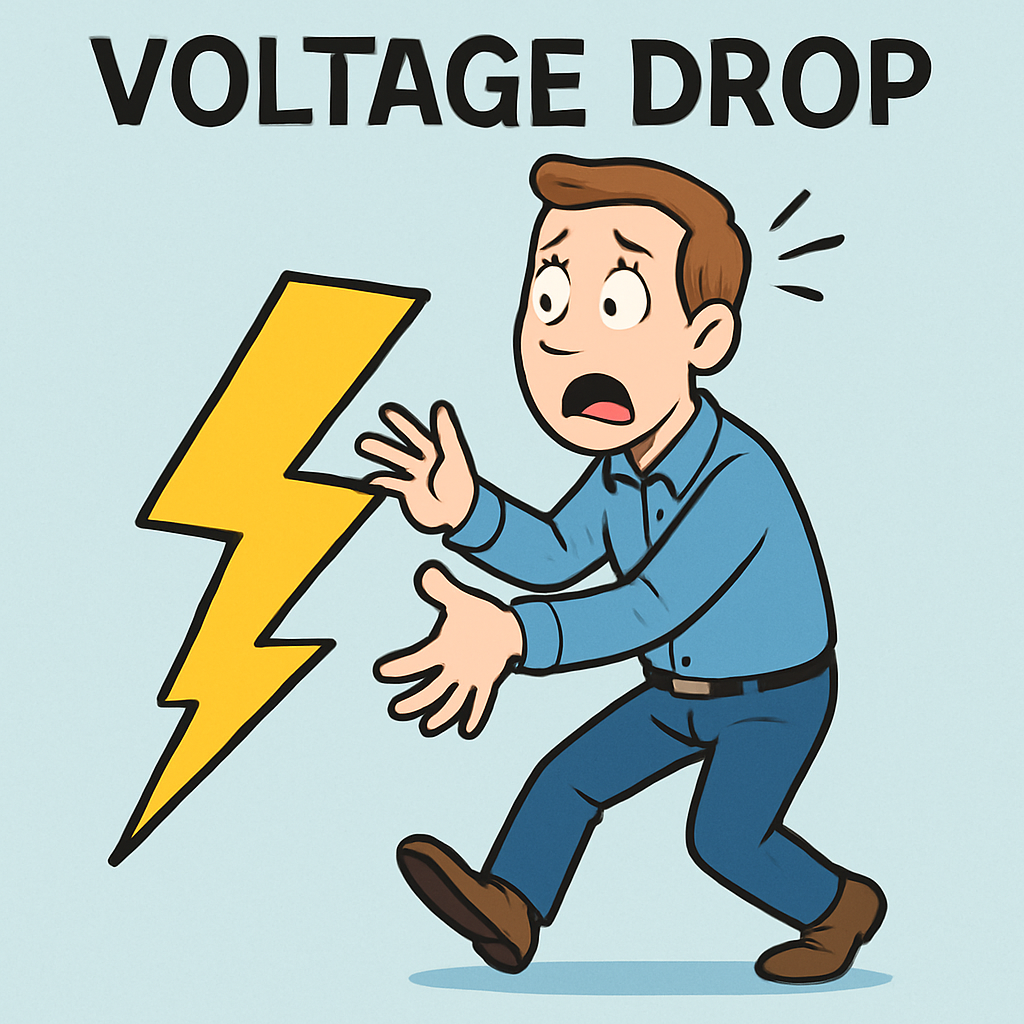
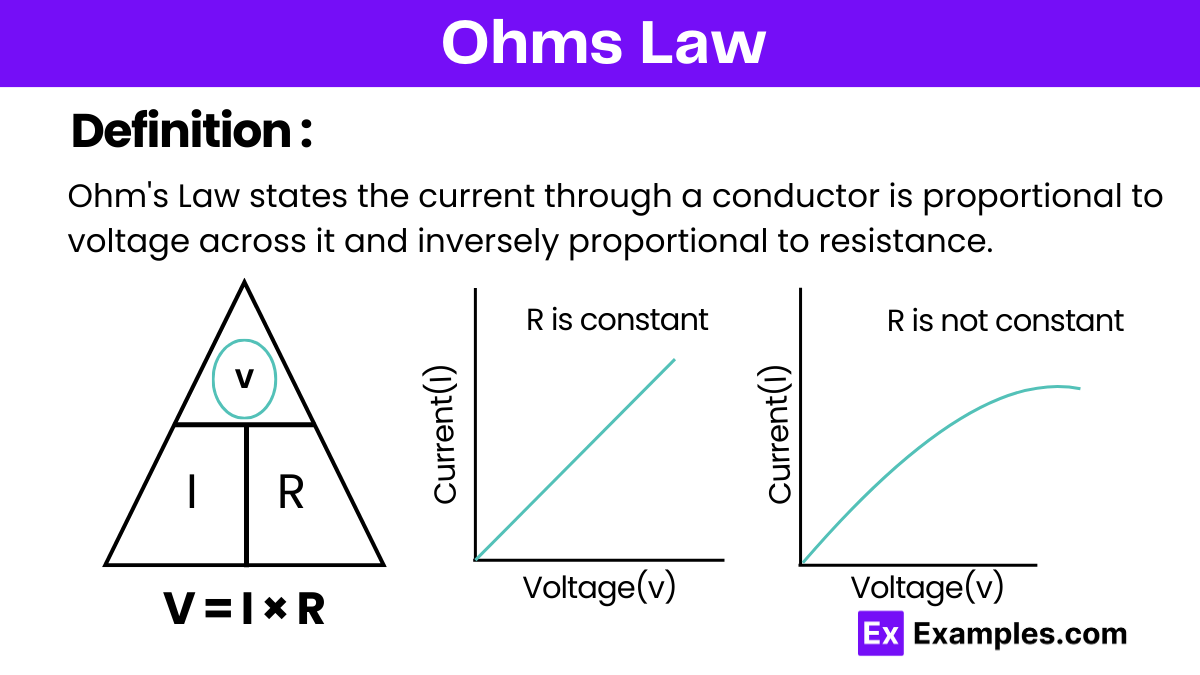
Voltage is like electrical pressure that pushes electrons through a conductor Higher voltage = stronger push = more current Measured in Volts (V) Think of it as the 'electrical pressure' in a circuit
Ohm's Law Triangle

Real-World Problem Solving
Groups of 3-4 students Each group gets a scenario card Calculate voltage, current, or resistance Examples: LED light circuits, phone chargers, car batteries Present your solution and explain your thinking! Success criteria: Show your work and use correct units