
Electric Current and Ohm's Law
Grade 9 Physical Science Understanding Electricity Fundamentals

Learning Objectives - I Can Statements
I can describe electric current and identify AC and DC current types I can classify materials as electrical conductors or insulators I can explain the factors that affect electrical resistance I can describe how voltage produces electric current I can calculate voltage, current, and resistance using Ohm's Law

Bell Ringer: Activate Your Thinking!
What makes a phone charger work? Why don't we get shocked touching plastic? Which materials conduct electricity best? Discuss with a partner for 5 minutes!

What is Electric Current?
Electric current = flow of electric charge Measured in Amperes (Amps) Think of it like water flowing through a pipe Symbol: I (from the French 'intensité')
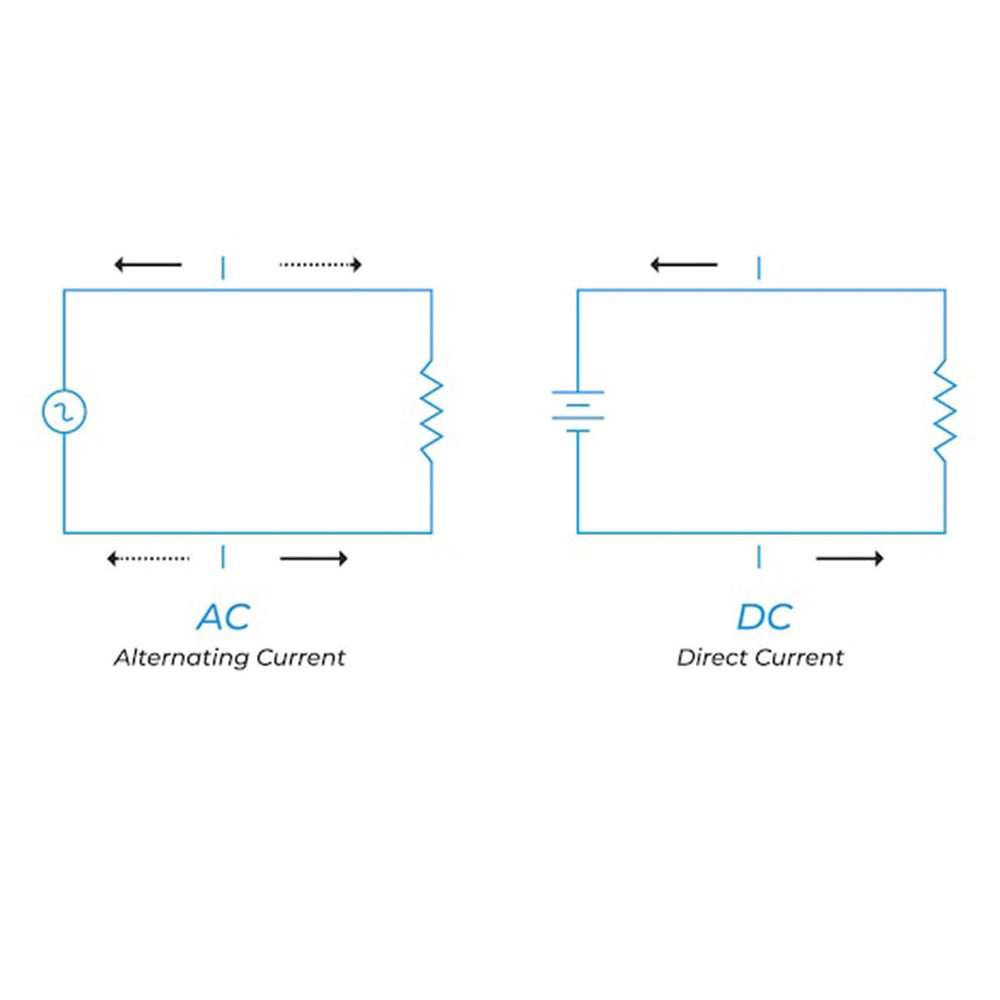
Two Types of Electric Current
{"left":"Direct Current (DC)\nFlows in one direction only\nFound in batteries, phones, laptops\nSteady, constant flow","right":"Alternating Current (AC)\nChanges direction periodically\nFound in wall outlets, homes\nOscillates back and forth"}
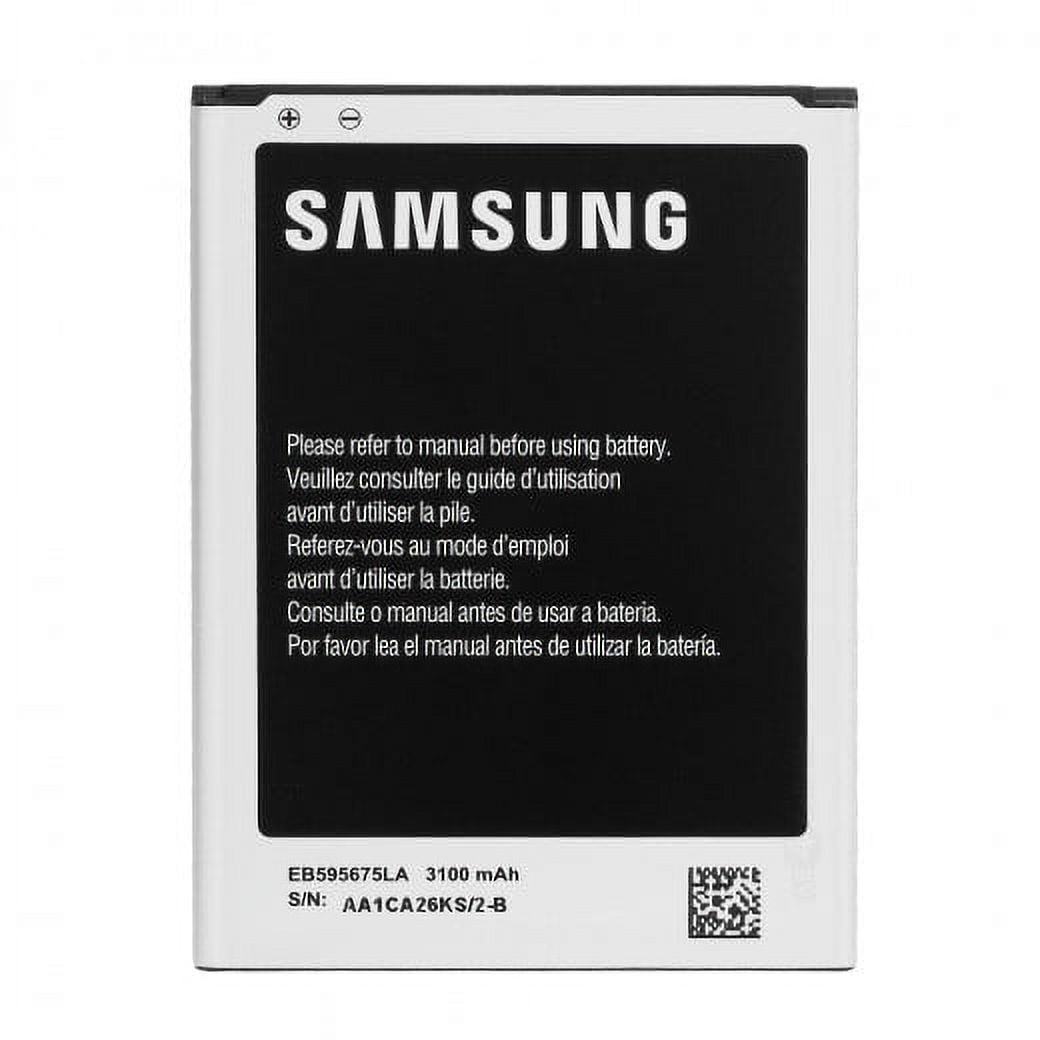
Quick Check: Current Types
Which type of current flows through your smartphone battery? A) AC (Alternating Current) B) DC (Direct Current) C) Both Discuss your answer with your neighbor!
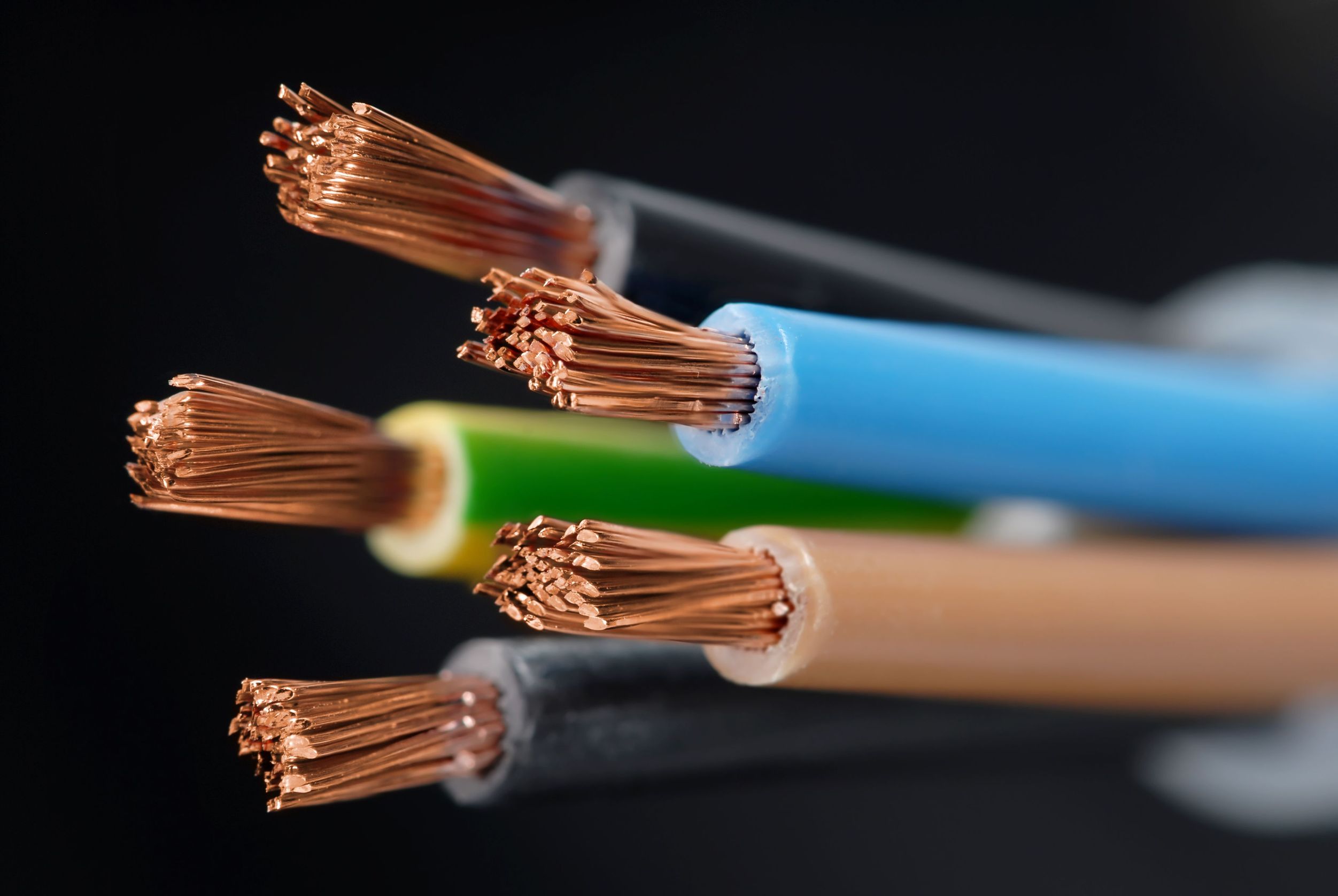
Conductors vs Insulators
Conductor: allows electric current to flow easily Examples: copper, aluminum, gold, silver Insulator: blocks or resists electric current Examples: rubber, plastic, glass, wood

Material Classification Challenge
Work with your table group Classify each material as conductor or insulator: Paper clip, rubber band, aluminum foil, plastic bottle, coin, wooden ruler Be ready to explain your reasoning!

Understanding Resistance
Resistance = opposition to electric current flow Measured in Ohms (Ω) Like friction for electricity Higher resistance = less current can flow
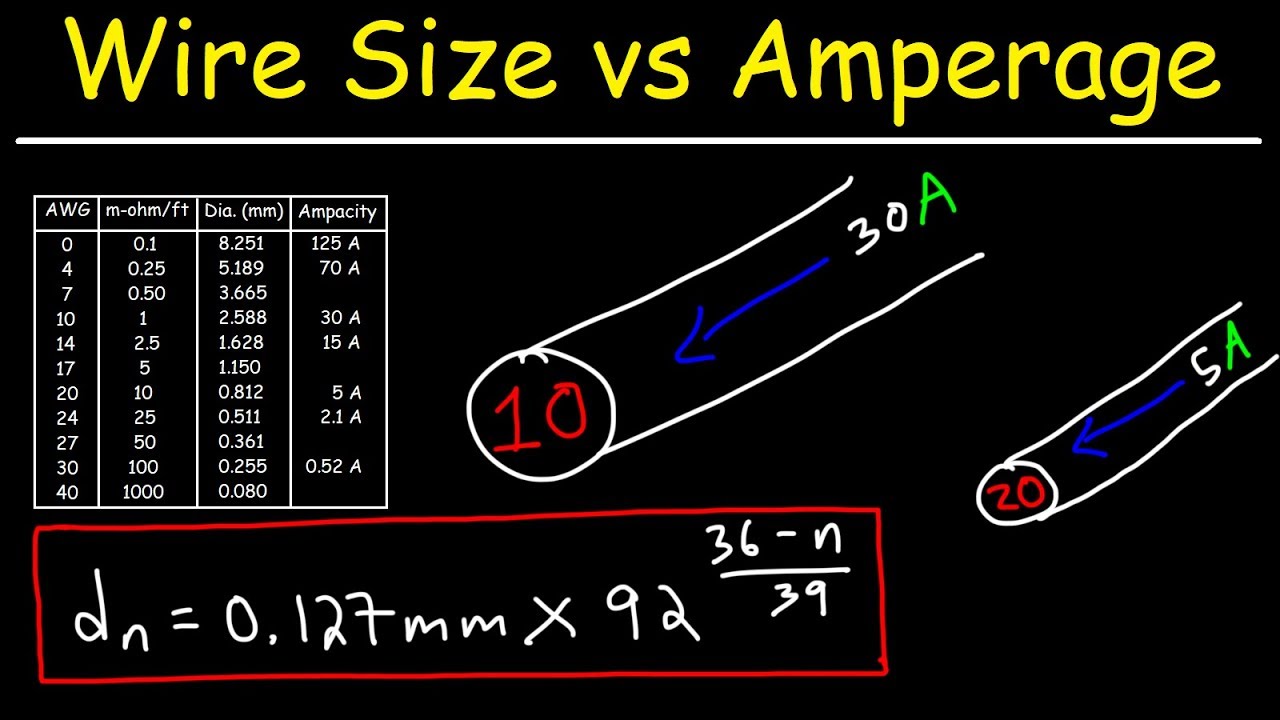
Factors Affecting Resistance
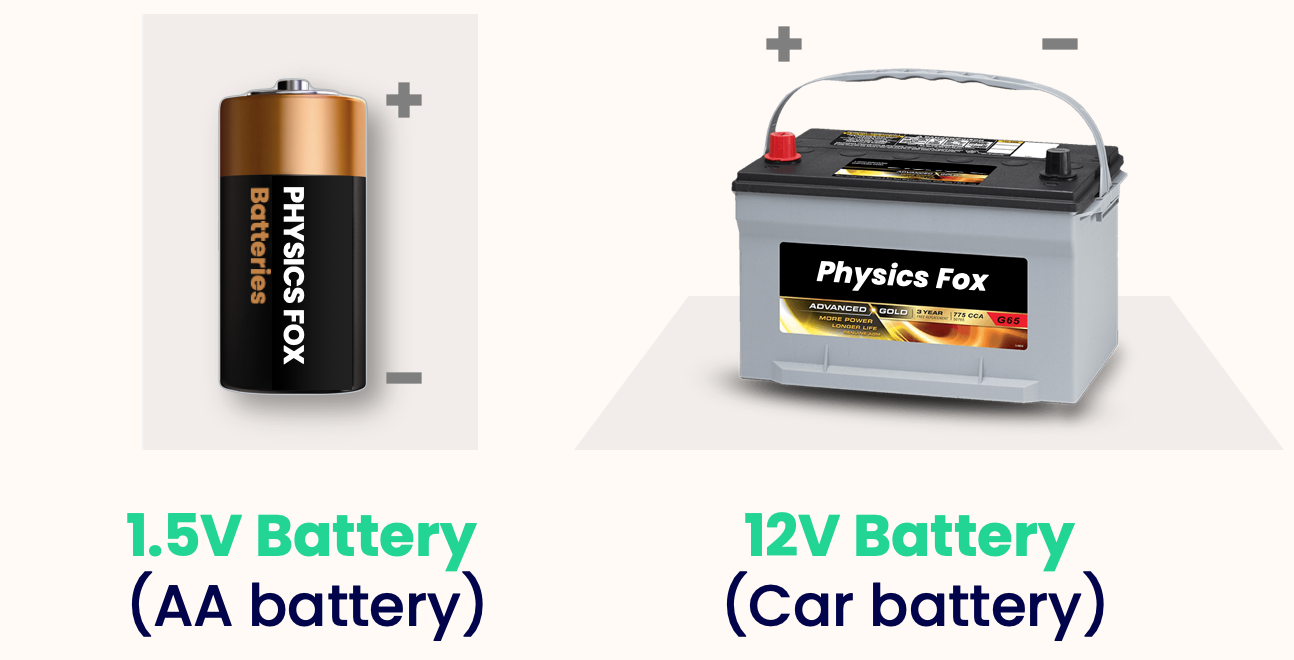
Voltage: The Electrical Push
Voltage = electrical pressure or 'push' Measured in Volts (V) Higher voltage = stronger push = more current Like water pressure in pipes
The Relationship
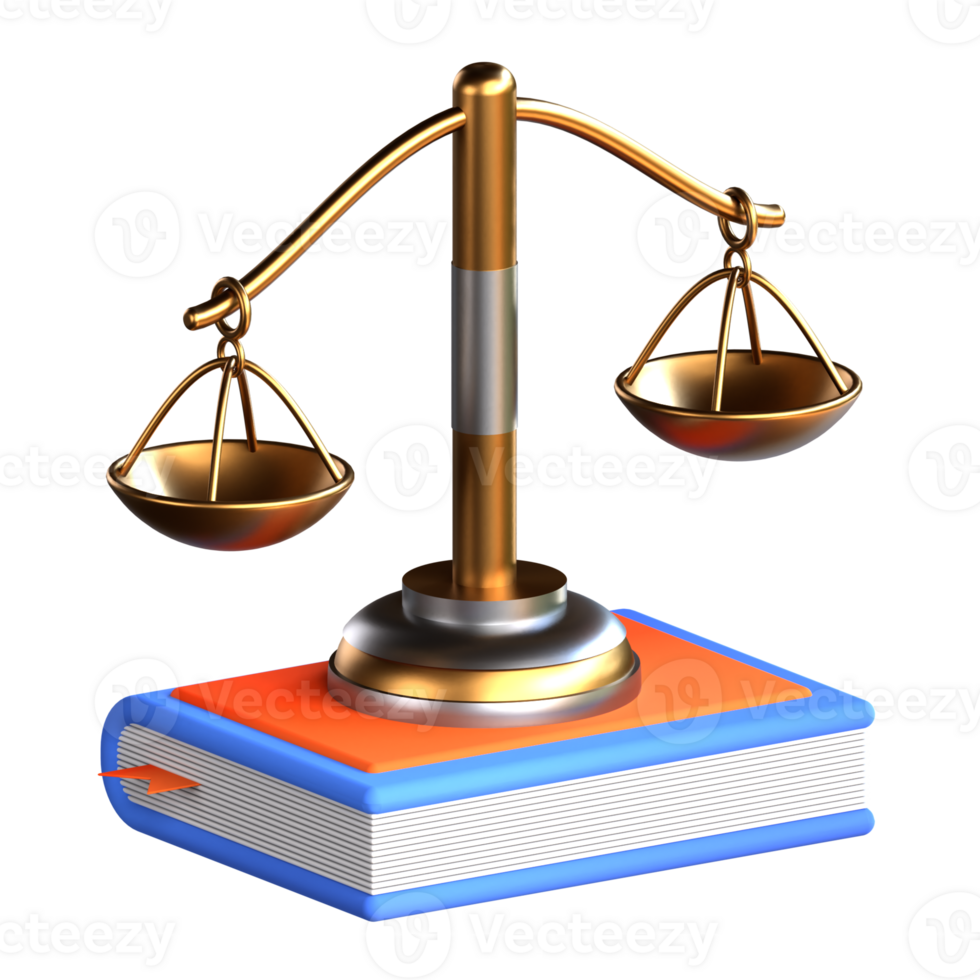
Higher Voltage → Higher Current Higher Resistance → Lower Current These relationships led to Ohm's Law!
5 more slides available after you open the deck.
Download all 17 slides