
Electric Current & Ohm's Law
Grade 9 Physics East Baton Rouge Tara High School 90-minute Interactive Lesson

Learning Objectives - I Can Statements
I can describe electric current and identify DC and AC types I can explain conduction and classify materials as conductors or insulators I can describe factors affecting resistance in materials I can explain how voltage causes electric current I can calculate voltage, current, and resistance using Ohm's Law

Types of Electric Current
{"left":"Direct Current (DC): Electrons flow in one direction only\nExamples: Batteries, solar panels, car electrical systems","right":"Alternating Current (AC): Electrons change direction periodically\nExamples: Wall outlets, household appliances, power grid"}
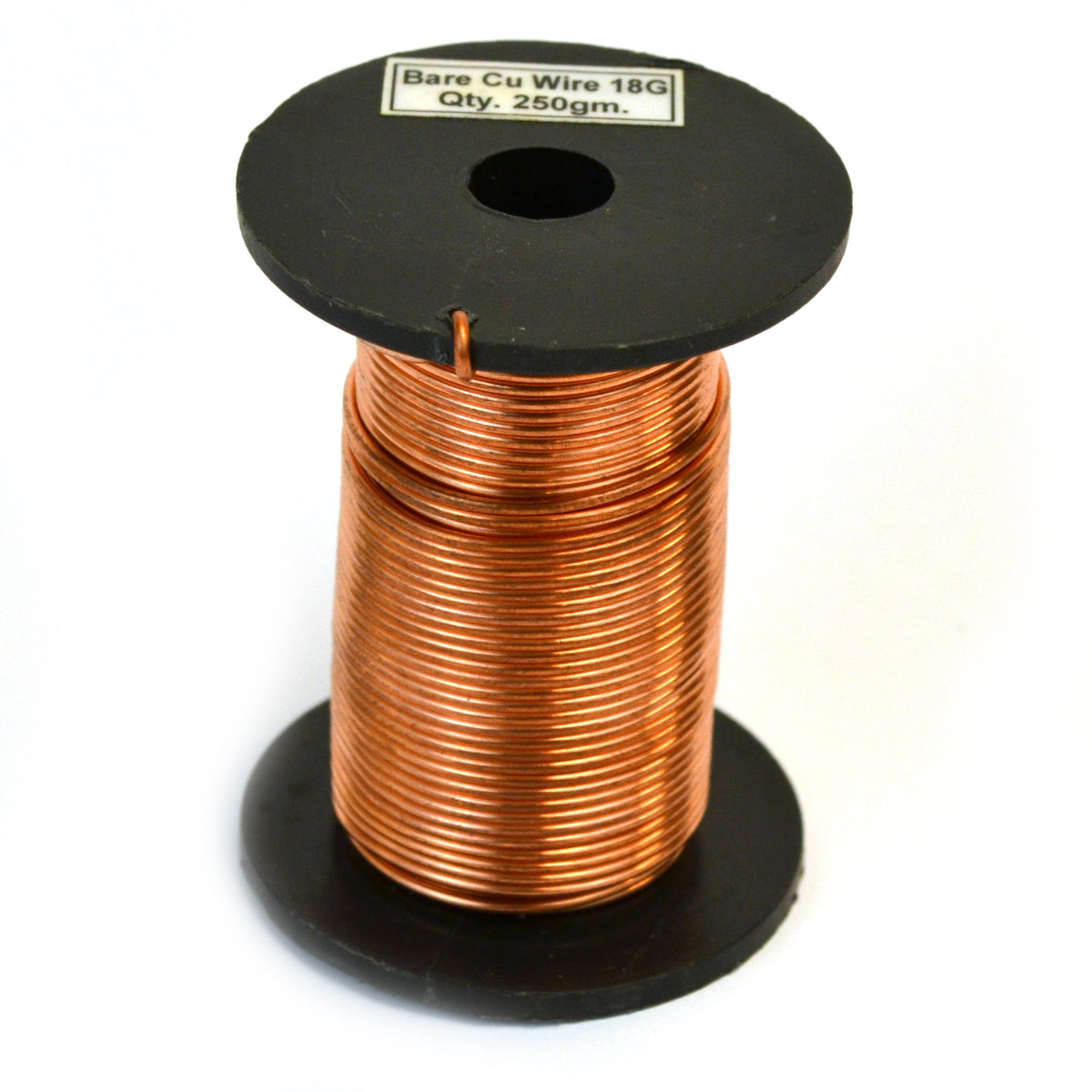
Conductor vs Insulator Investigation
Test materials with circuit kit Classify each material as conductor or insulator Record observations on whiteboard Discuss why certain materials conduct electricity
:max_bytes(150000):strip_icc()/electrical-wire-sizes-1152851-final-f9b6499b4a564c5e9f644b241a7e619f.png)
Factors Affecting Resistance
Length: Longer wires have MORE resistance Thickness: Thicker wires have LESS resistance Material: Different materials have different resistance levels Temperature: Higher temperature usually increases resistance
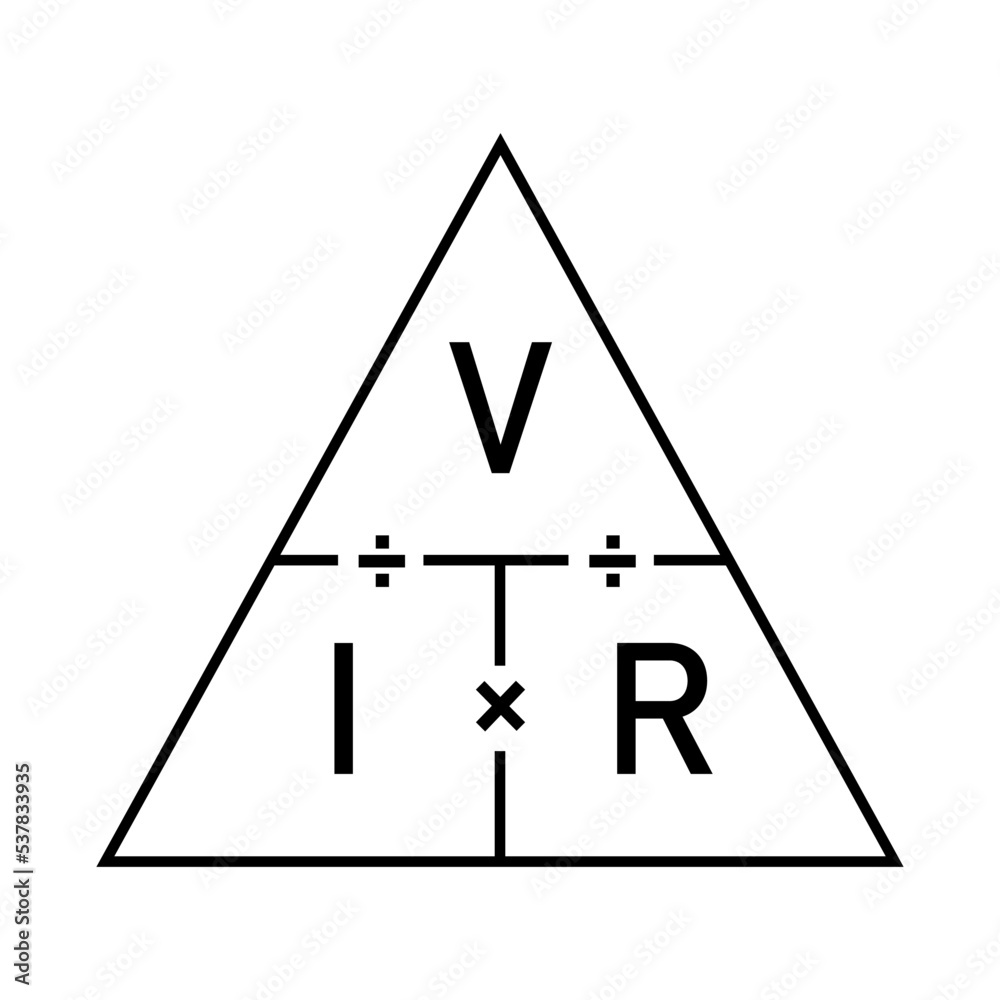
Ohm's Law
V = I × R Voltage = Current × Resistance The foundation of electrical calculations
Ohm's Law Triangle Problem Solving
Use triangle method to rearrange formulas Work through guided examples as a class Practice with partner on word problems Check answers using circuit measurements

Exit Ticket Challenge
List two factors that affect resistance Calculate: If voltage = 12V and resistance = 3Ω, what is the current? Is copper a conductor or insulator? Explain why.