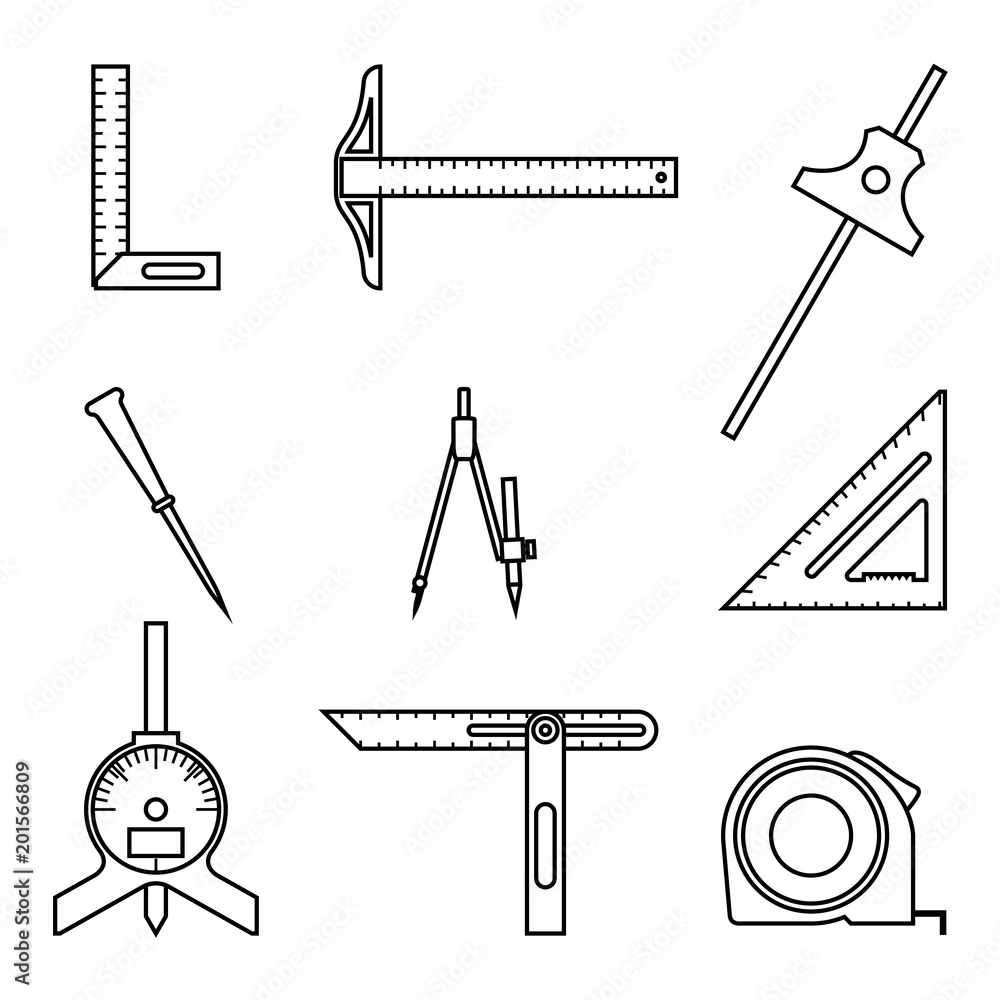
Estimating Lengths: Metric vs Customary
Grade 4 Mathematics Developing Measurement Skills

Why Do We Estimate Lengths?
Shopping for furniture that fits in your room Playing sports and knowing distances Crafting and art projects Everyday problem solving

Two Measurement Systems
{"left":"Metric System\nCentimeters (cm)\nMeters (m)\nUsed worldwide","right":"Customary System\nInches (in)\nFeet (ft)\nUsed in the United States"}

Understanding Unit Sizes
1 inch ≈ 2.5 centimeters 1 foot = 12 inches 1 meter ≈ 100 centimeters A paperclip is about 1 inch long A pencil is about 7 inches or 18 cm

Estimation Strategy Practice
Look at the object carefully Compare it to something you know Use your fingers or hand as a guide Make your best guess Remember: estimates don't need to be perfect!
Let's Practice Together!
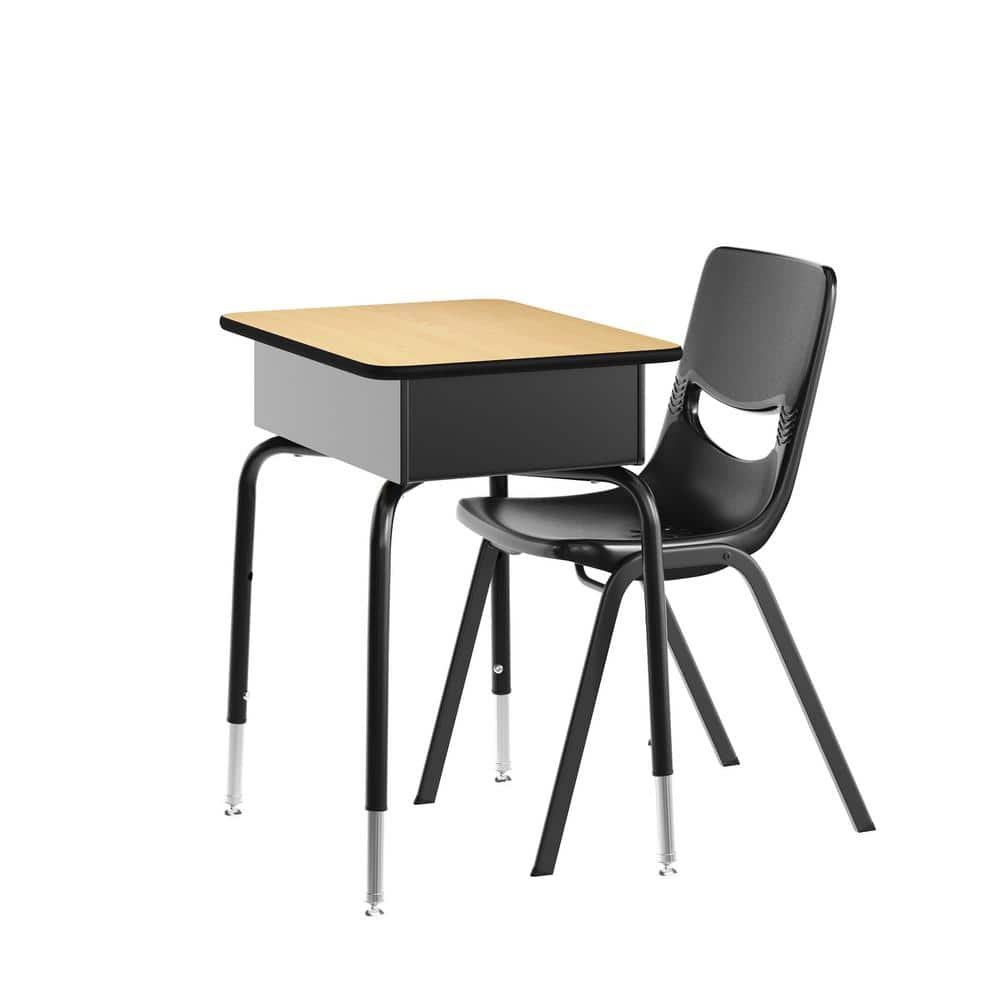
Look at your desk. How long do you think it is? First estimate in inches, then in centimeters. Share your estimates with a partner.

Measurement Challenge Time!
Work with your partner Choose 4 classroom objects Estimate length in BOTH systems Measure to check your estimates Record everything on your sheet

What Did We Learn?
Good estimates help us solve problems Both metric and customary units are useful Comparing to known objects helps us estimate Practice makes our estimates better Estimation is a valuable life skill