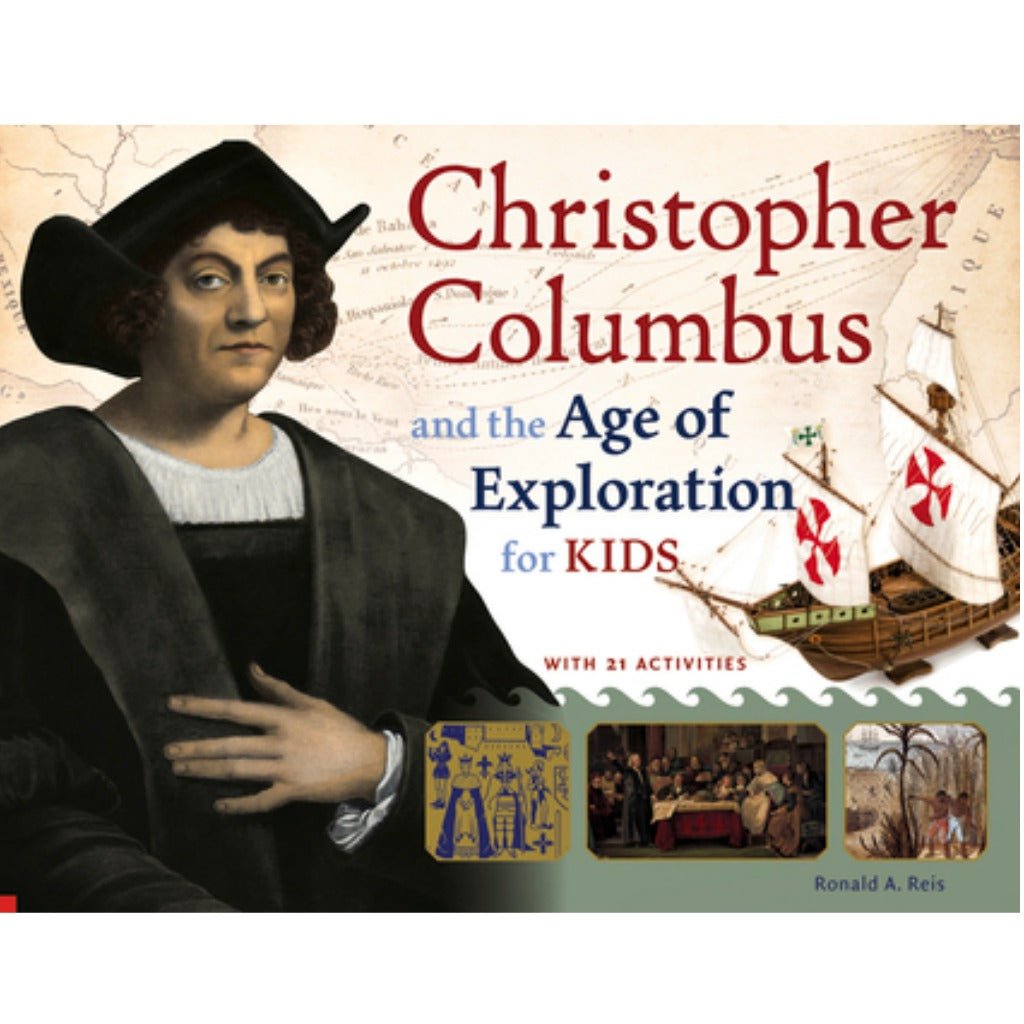
European Explorers Discover the New World
The Age of Exploration 1400s-1600s Grade 5 History
Why Did Europeans Want to Explore?
Find new trade routes to Asia for spices and silk Spread Christianity to new lands Find gold, silver, and other treasures Gain fame and glory for their country
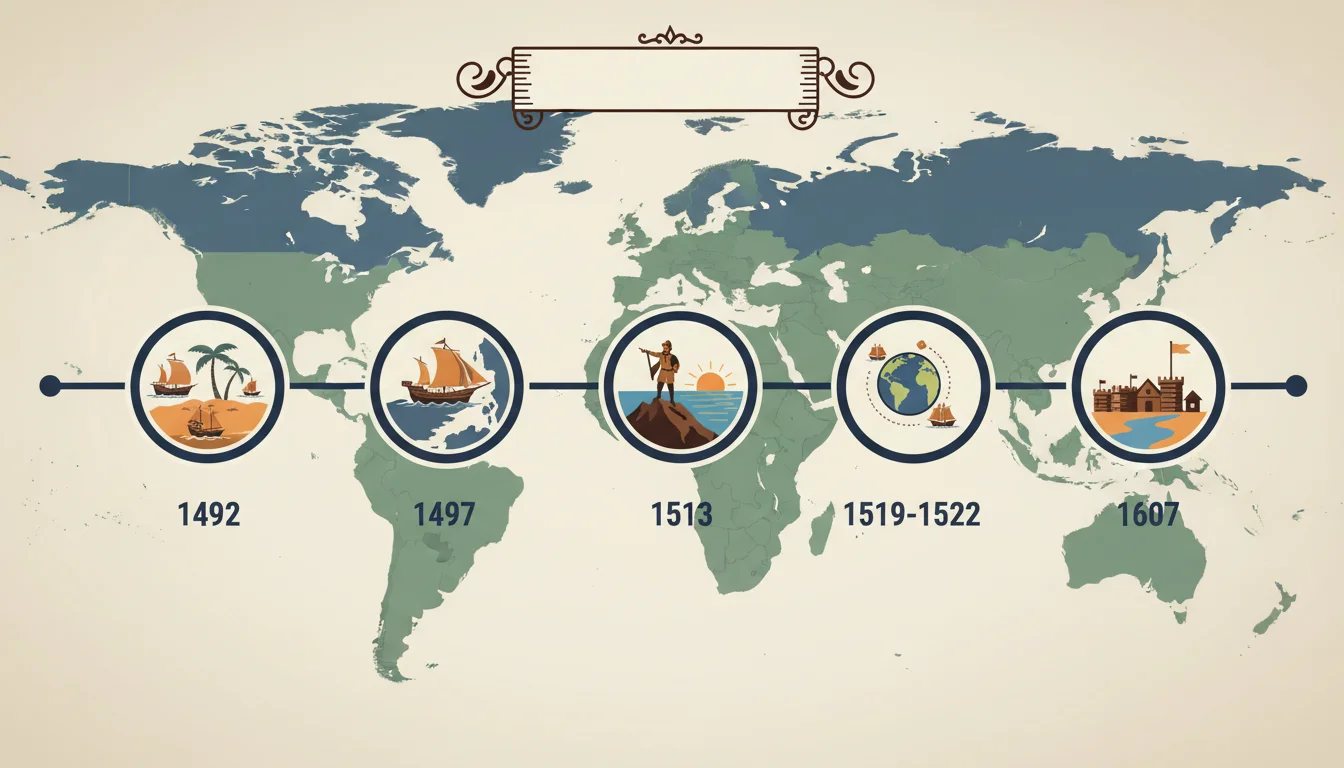
Timeline of Major Explorations
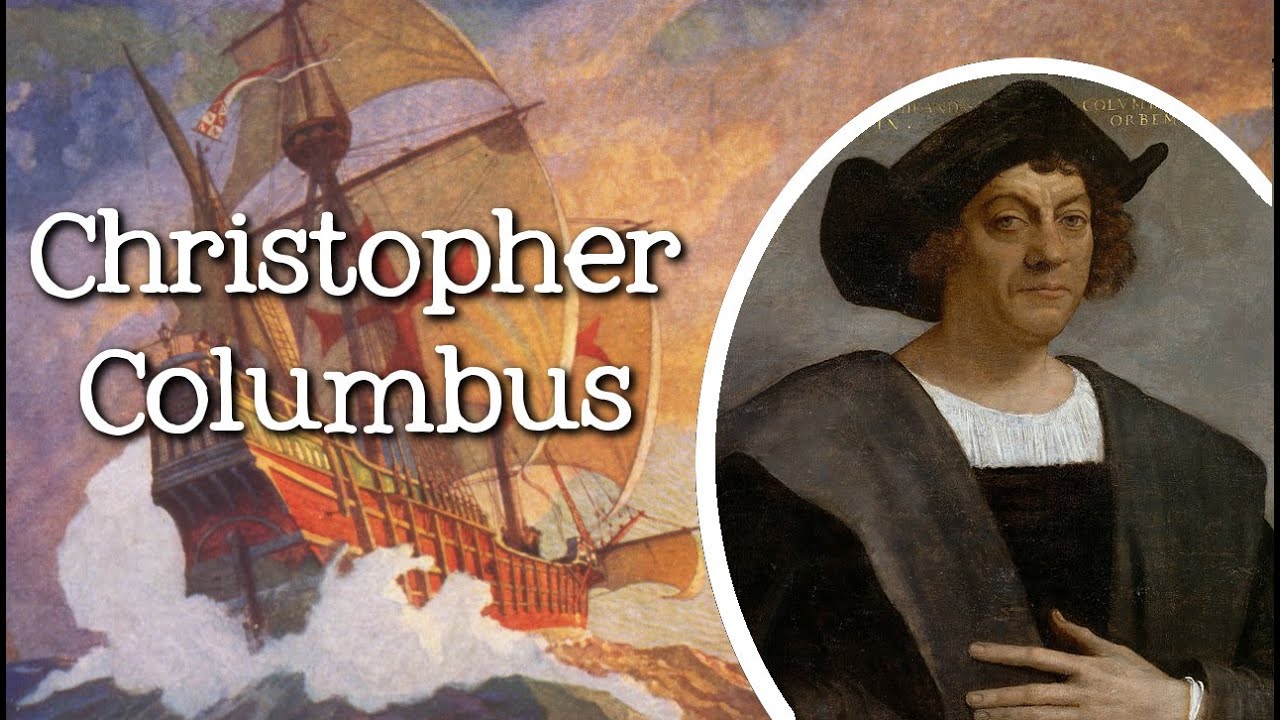
Christopher Columbus: The Famous Explorer
Sailed from Spain in 1492 with three ships Thought he could reach Asia by sailing west Actually reached the Caribbean islands Made four trips to the 'New World'
Tools That Made Exploration Possible
{"left":"Compass - showed direction even on cloudy days\nAstrolabe - helped sailors find their location using stars","right":"Better maps - more accurate than ever before\nImproved ships - faster and could sail longer distances"}

Explorer Matching Game
Match the explorer to their discovery! Work with a partner Use your explorer fact cards 3 minutes to complete
:max_bytes(150000):strip_icc()/three-sisters-garden-162279914-579520005f9b58173bcd050a.jpg)
What Did Explorers Find in the New World?
New foods: corn, potatoes, tomatoes, chocolate Different animals: turkeys, llamas, iguanas Native American peoples with rich cultures Vast lands perfect for farming and settlements
Think and Discuss
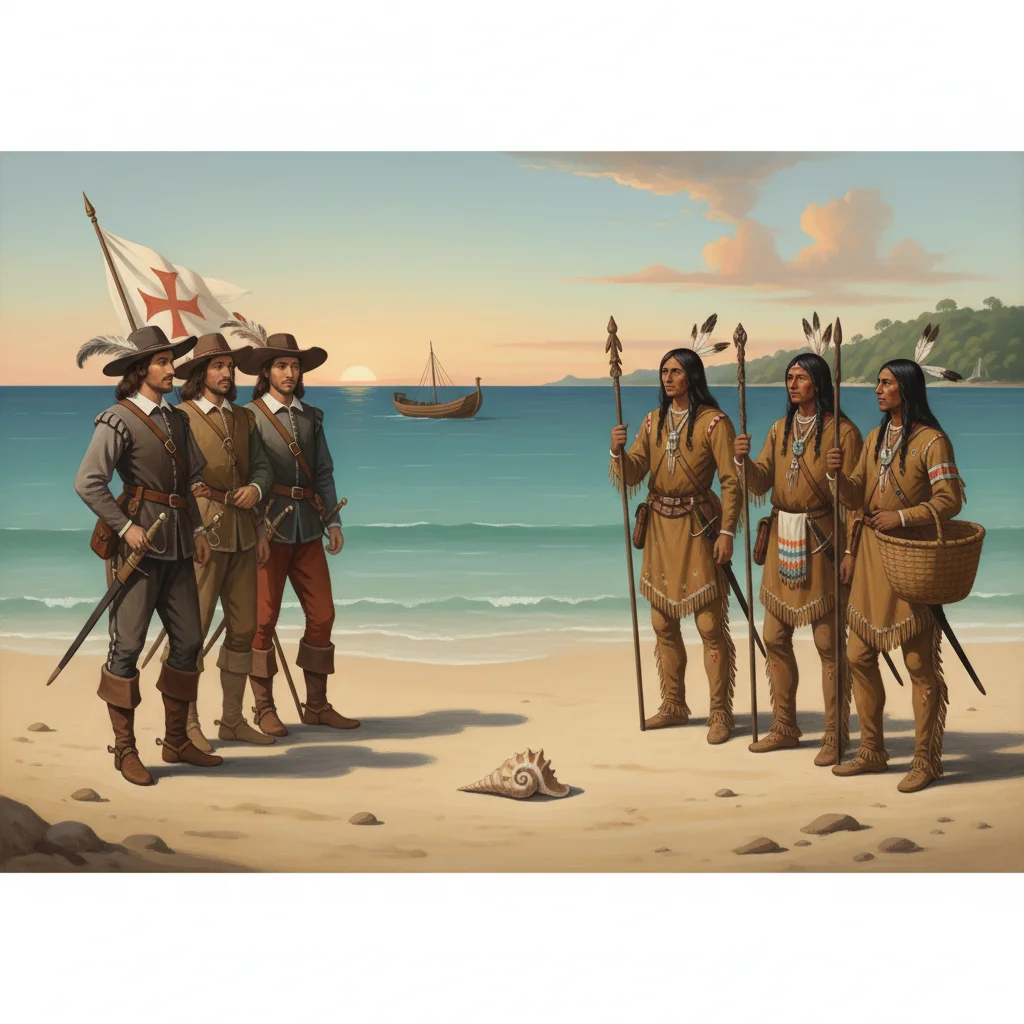
How do you think Native Americans felt when European explorers arrived? What might have been exciting about meeting new people? What might have been scary or concerning?
The Impact of Exploration
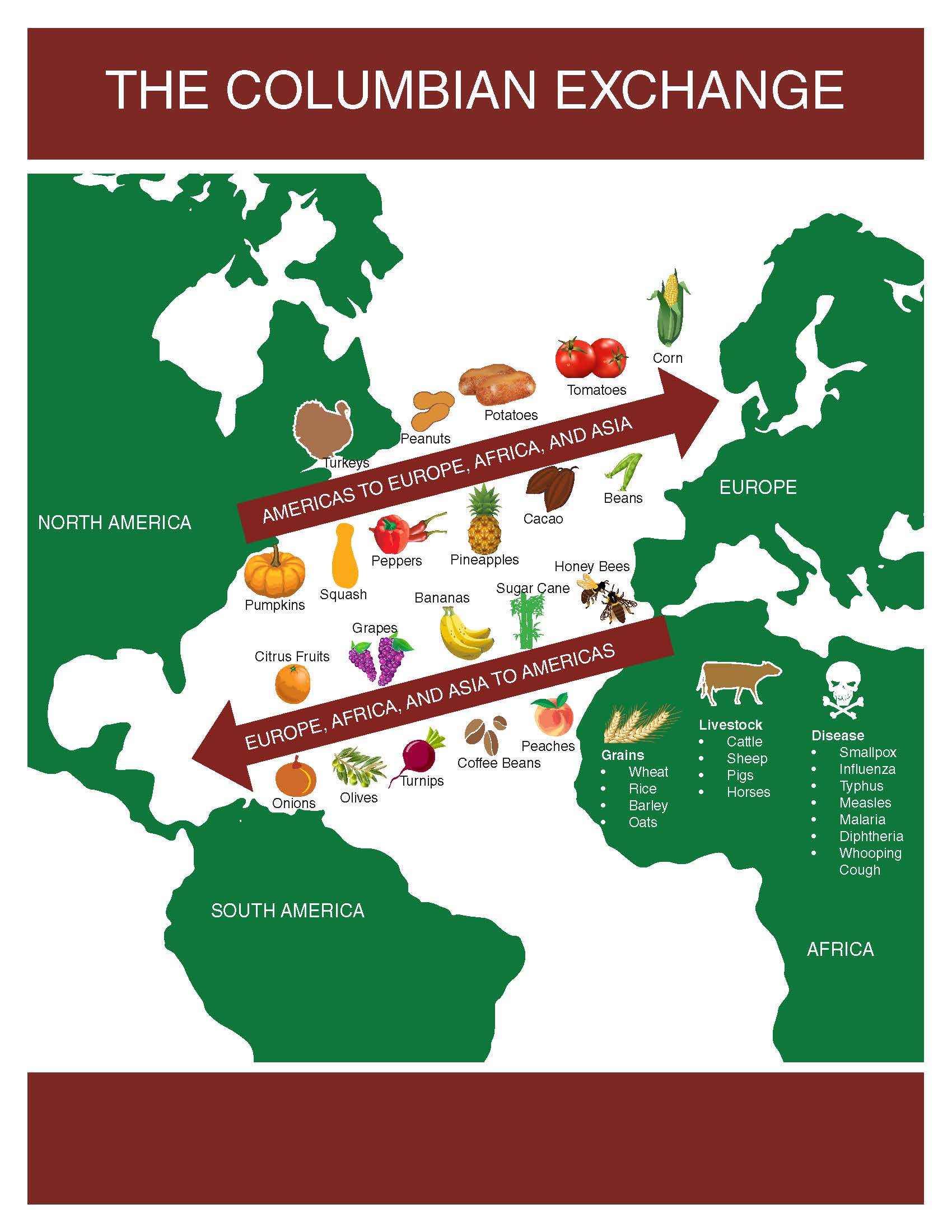
Europe learned about new continents Trade between continents increased Plants and animals were exchanged Unfortunately, many Native Americans became sick from European diseases

What We Learned Today
Europeans explored to find new trade routes and riches Brave explorers like Columbus opened new worlds Exploration connected different parts of our planet These discoveries changed history forever