
Exploring Angles: Acute, Right, and Obtuse
Understanding Different Types of Angles Grade 4 Mathematics
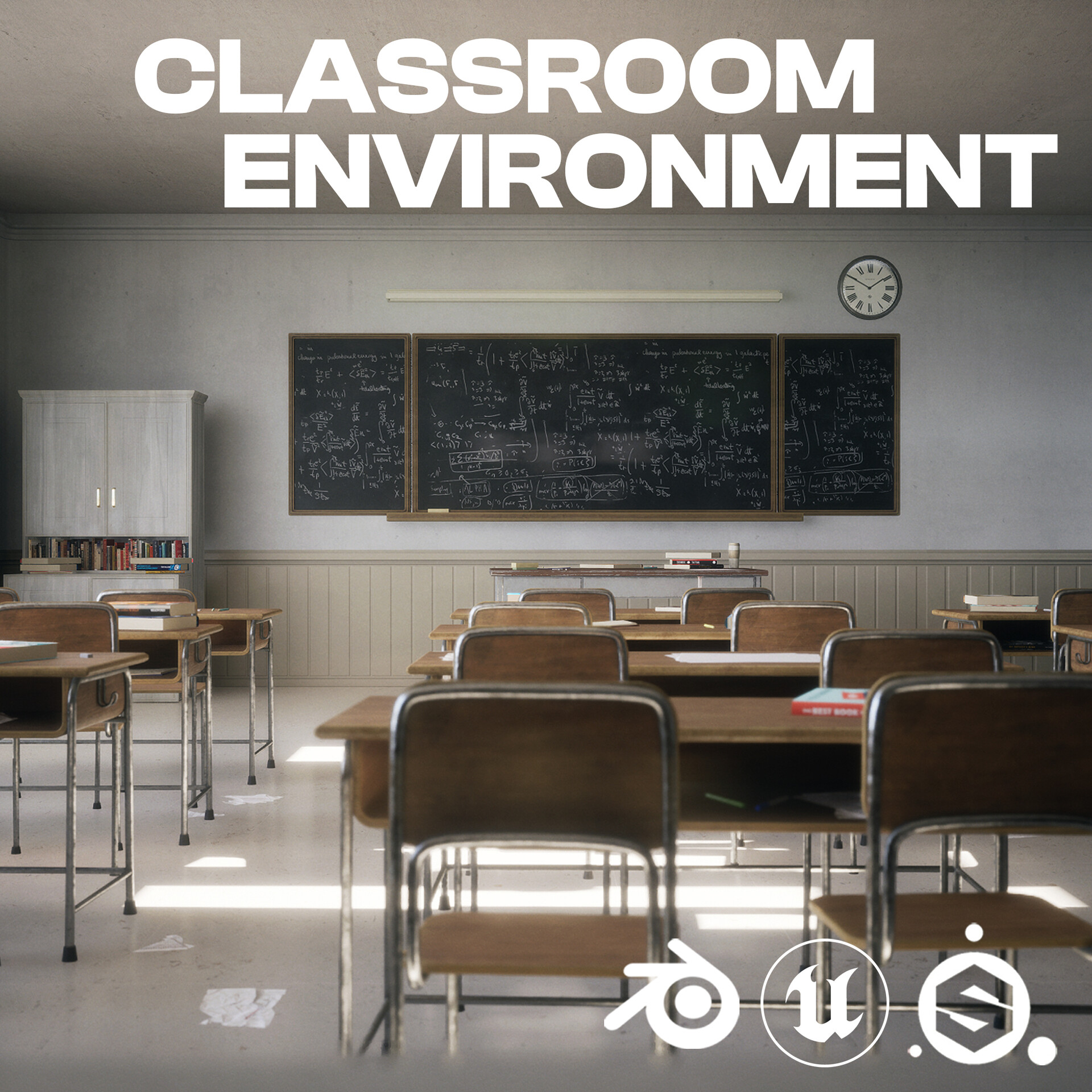
What Do You Already Know About Angles?
Look around the classroom What shapes do you see? Can you spot any corners or points where lines meet?

What is an Angle?
An angle is formed where two lines meet The point where they meet is called a vertex We measure angles in degrees (°) Angles help us describe shapes and directions
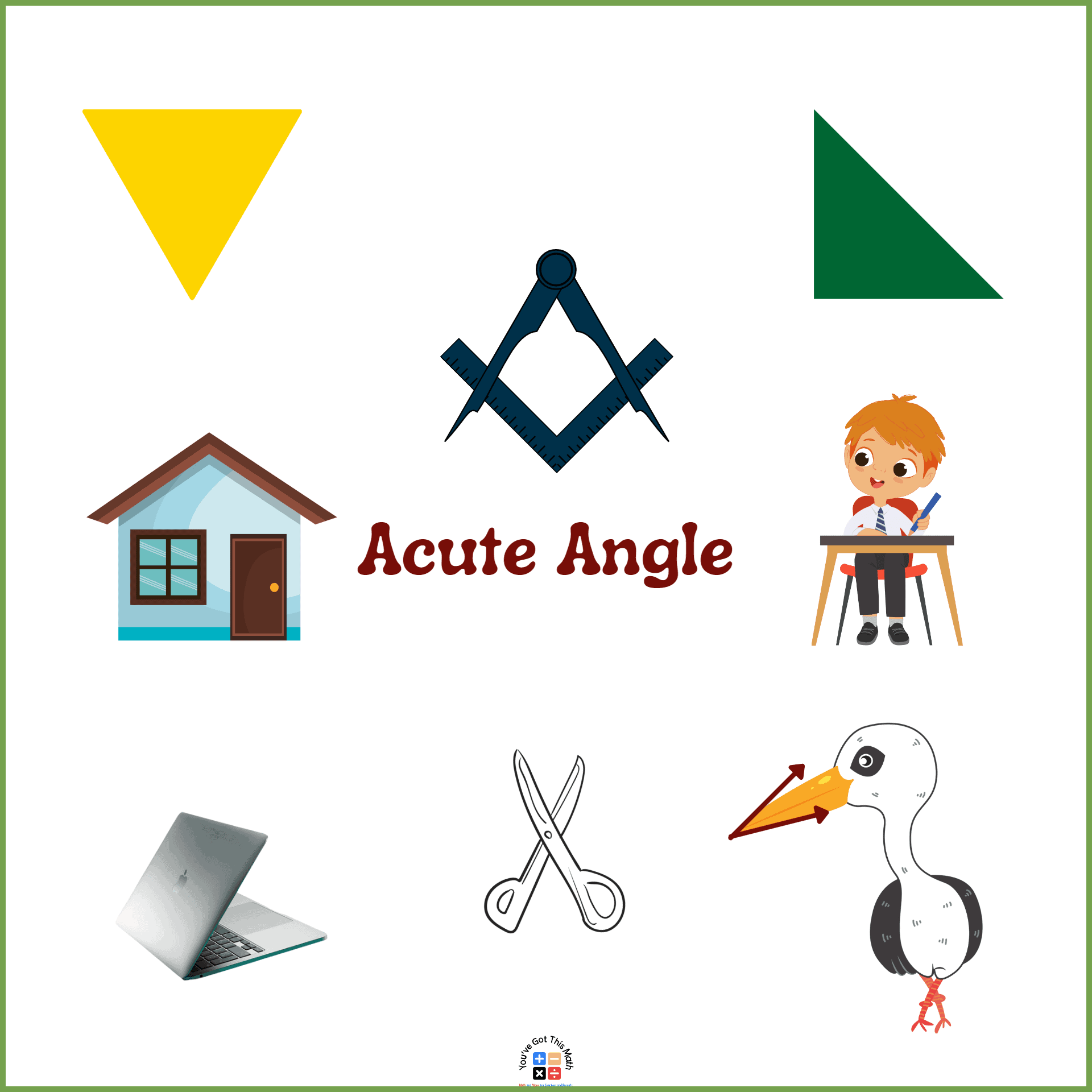
Acute Angles: The Smallest Angles
Acute angles are less than 90 degrees They look sharp and pointed Think of them as 'cute' little angles Examples: slice of pizza, bird's beak
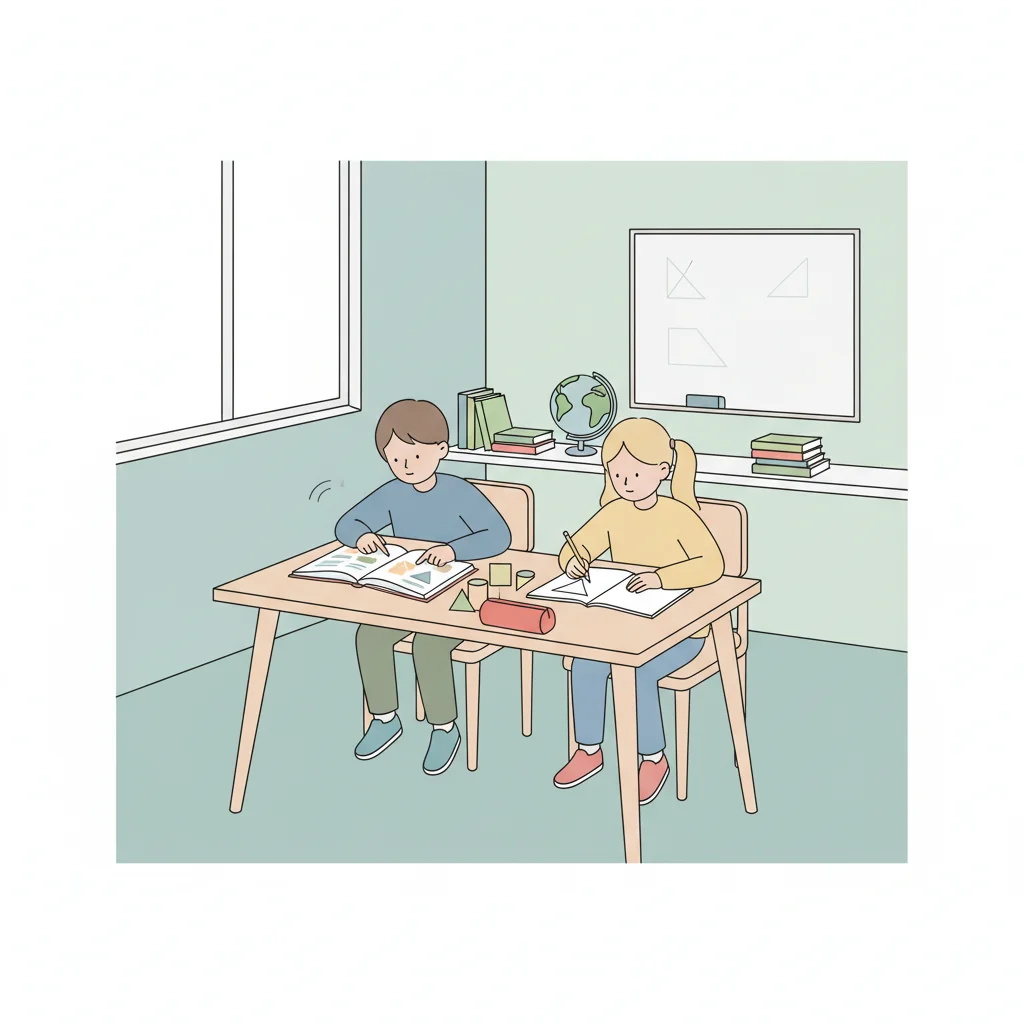
Acute Angle Hunt
Work with a partner Find 3 acute angles in the classroom Draw them in your notebook Share your findings with the class

Right Angles: Perfect Corners
Right angles measure exactly 90 degrees They form perfect square corners Look like the corner of a piece of paper We often see them in buildings and furniture
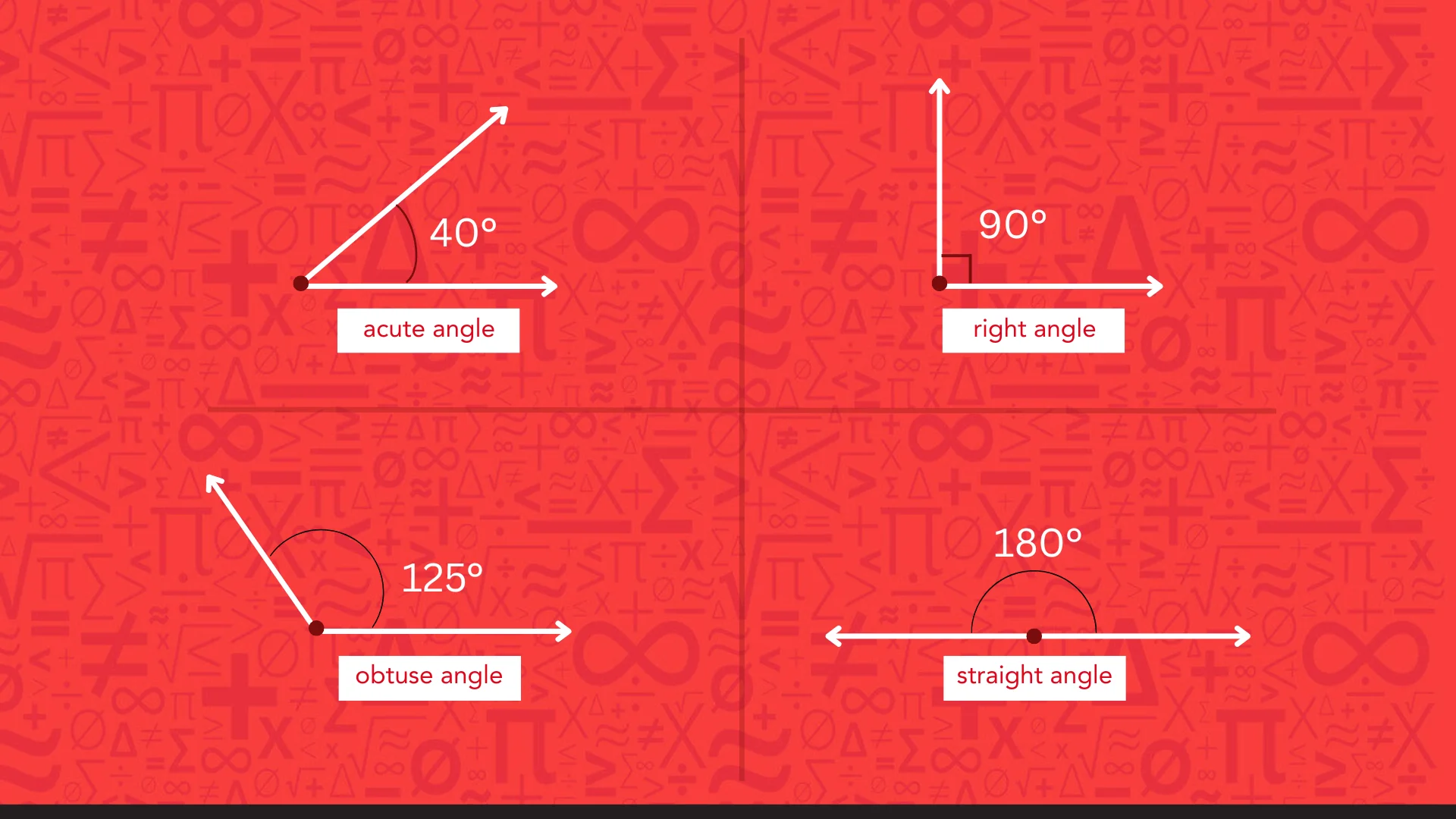
Obtuse Angles: The Wide Angles
Obtuse angles are greater than 90 degrees They are wider and more open Think of them as 'obtuse' or blunt Examples: open laptop, reclining chair
Comparing the Three Types of Angles
{"left":"Acute: Less than 90°\nRight: Exactly 90°\nObtuse: Greater than 90°","right":"Sharp and pointed\nPerfect square corner\nWide and open"}

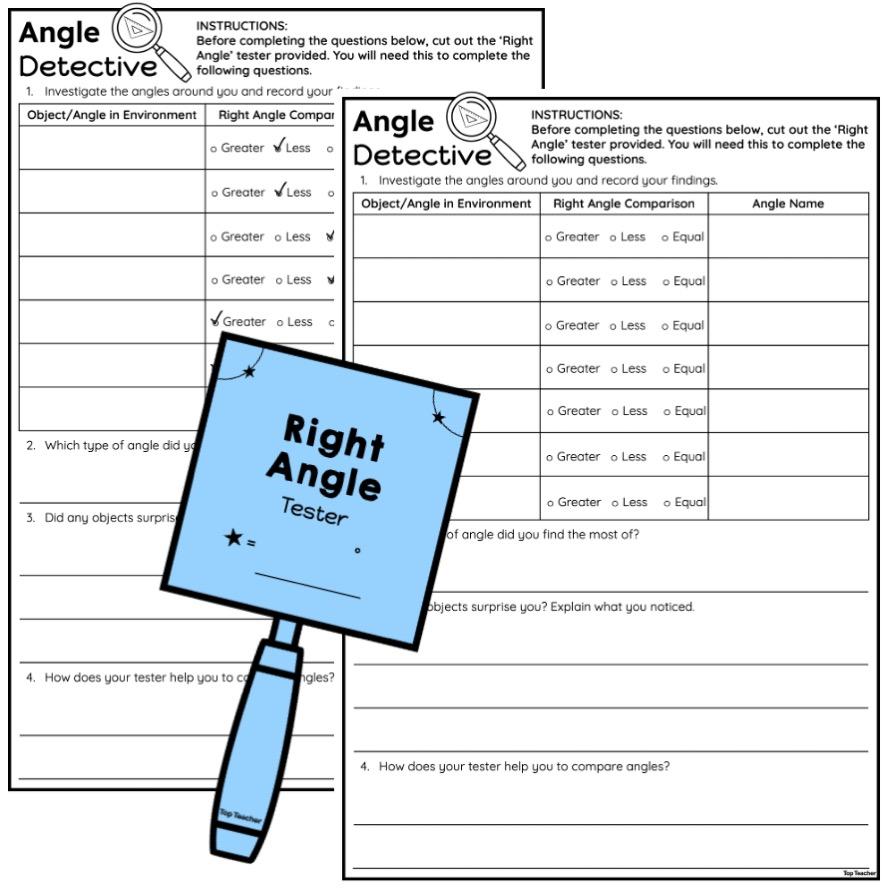
Angle Detective Game
I'll show you an angle Raise your hand to guess the type Explain your reasoning Let's see who can identify them correctly!
Review: Mastering Angles
Acute angles: less than 90° (sharp) Right angles: exactly 90° (square corners) Obtuse angles: greater than 90° (wide) Practice identifying angles in everyday life!