Exploring Mood in Literature
Grade 8 English Language Arts Understanding How Authors Create Atmosphere
What's the Mood?
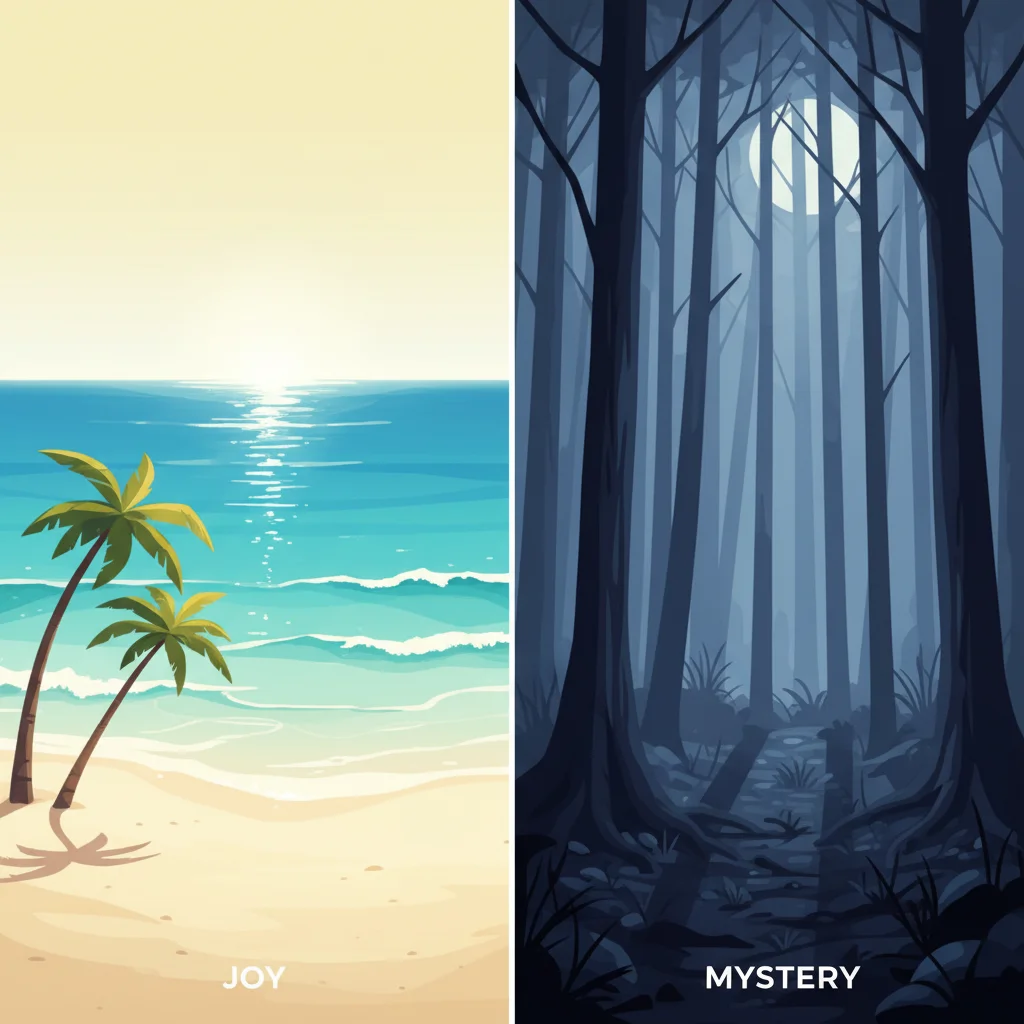
Think about these settings: A sunny beach with gentle waves A dark forest at midnight A bustling carnival with bright lights How do each of these places make you feel?
What is Mood in Literature?
Mood is the feeling or atmosphere a text creates for the reader It's the emotional response YOU have while reading Authors create mood through word choice, setting, and imagery Mood affects how we experience and understand the story
Mood vs. Tone: What's the Difference?
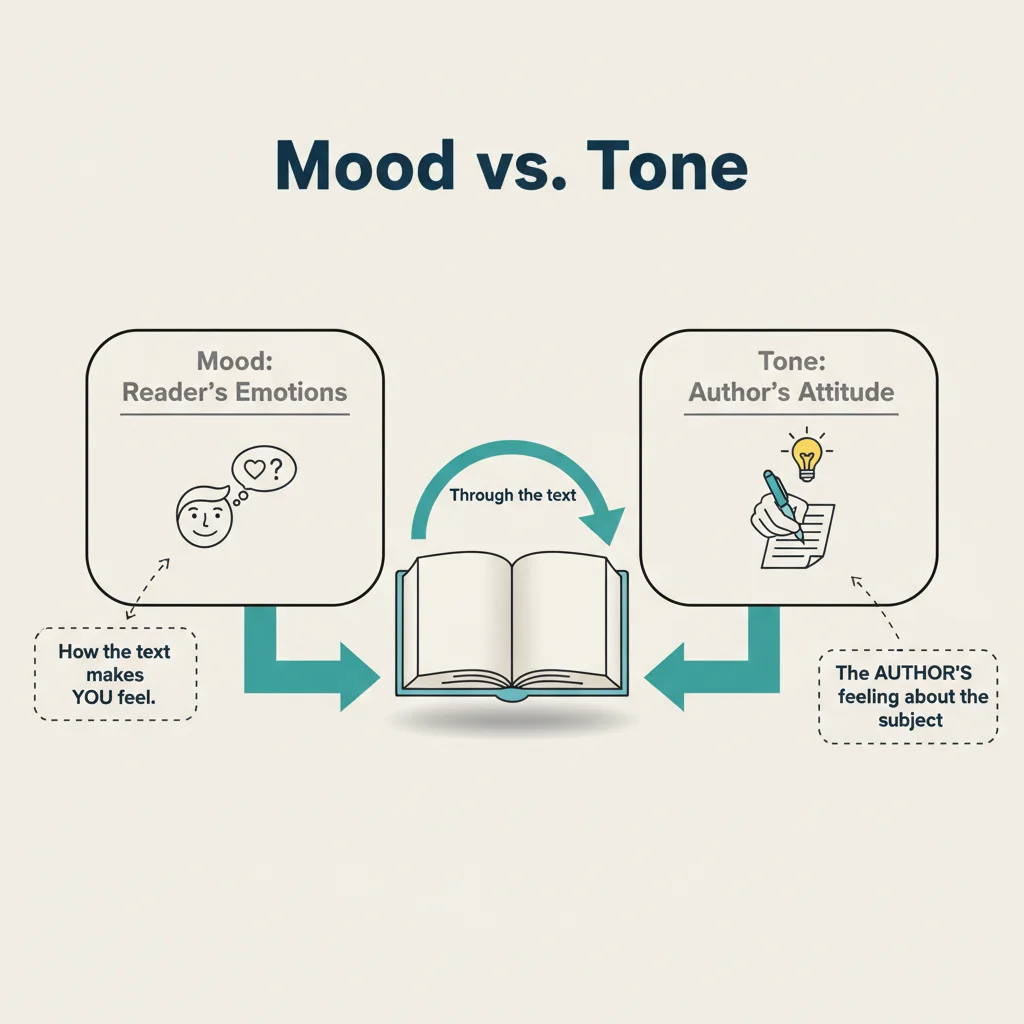
{"left":"MOOD: The feeling the READER gets\nCreated by setting, word choice, imagery\nExamples: scary, peaceful, exciting","right":"TONE: The AUTHOR'S attitude toward the subject\nRevealed through word choice and style\nExamples: sarcastic, serious, humorous"}
Mood Detective Challenge
Read the three text excerpts on your worksheet Circle words that create mood Identify the mood in each passage Explain HOW the author created that mood Work with your partner to compare findings
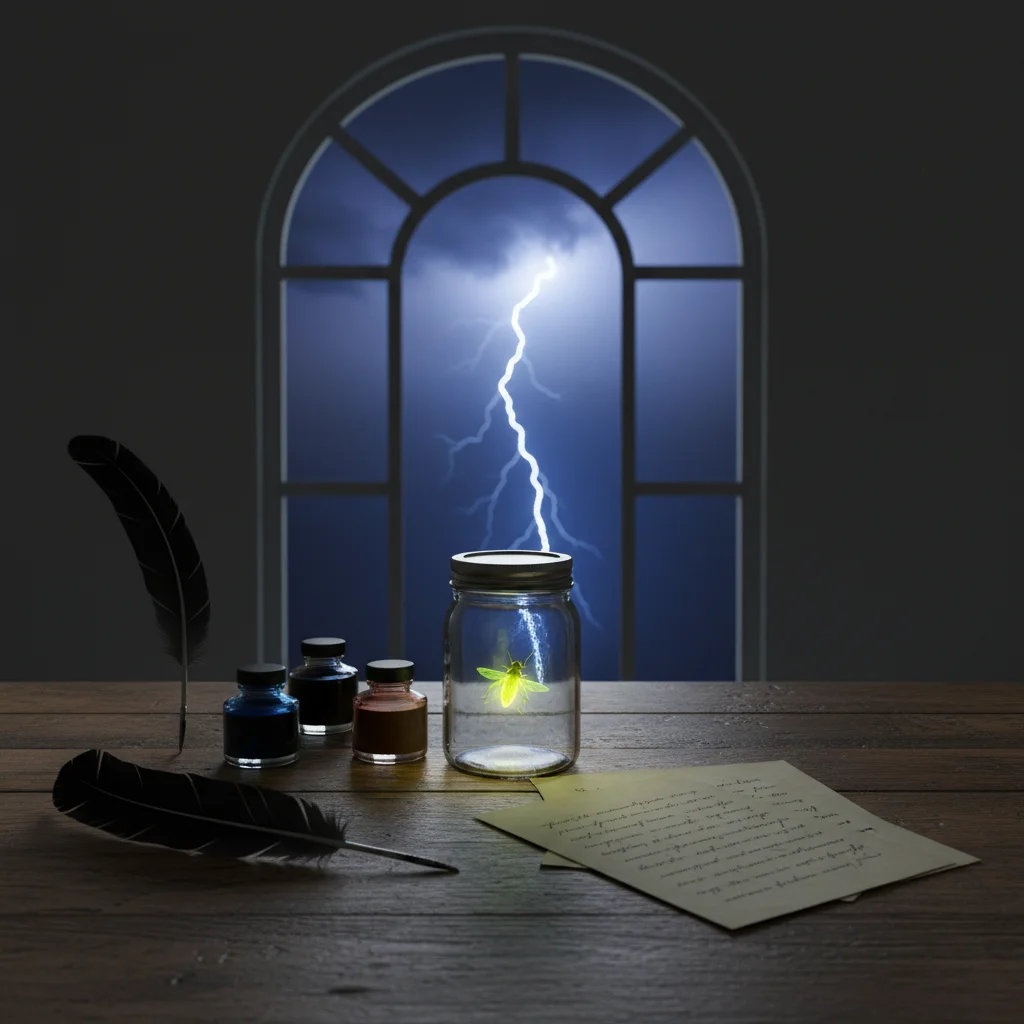
Author's Toolbox
"The difference between the almost right word and the right word is really a large matter—it's the difference between the lightning bug and the lightning." - Mark Twain
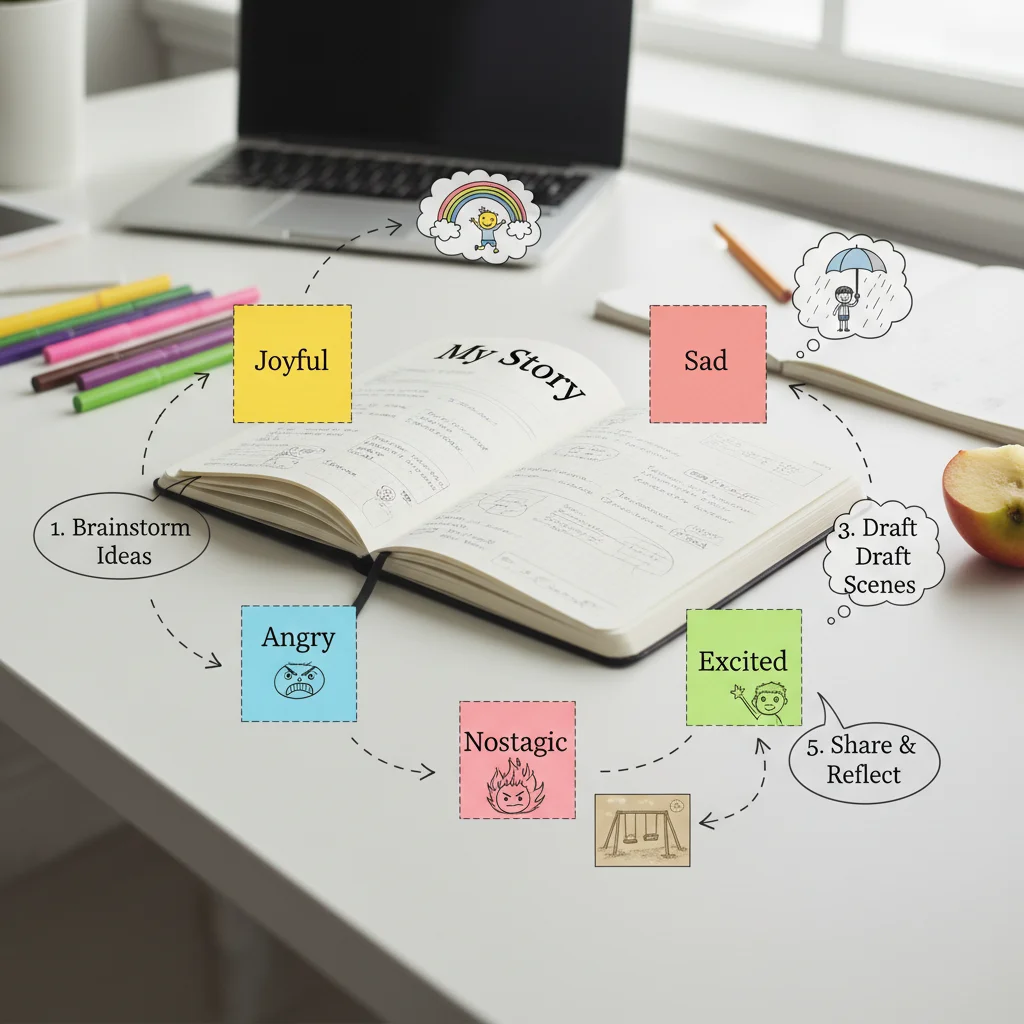
Create Your Own Mood
Choose one mood: Suspenseful, Joyful, Melancholic, or Anxious Write a 4-5 sentence paragraph that creates this mood Use sensory details (what you see, hear, feel, smell) Choose words with strong connotations Exchange with a classmate - can they guess your mood?

Why Does Mood Matter?
Mood helps readers connect emotionally with the story It makes reading more engaging and memorable Authors use mood to influence how we feel about characters and events Understanding mood helps us become better readers and writers Mood is a powerful tool for communication and persuasion