Exploring Nicaragua's Community Places
Los lugares en la comunidad Grade 10 Spanish Entreculturas 2 - Chapter 3

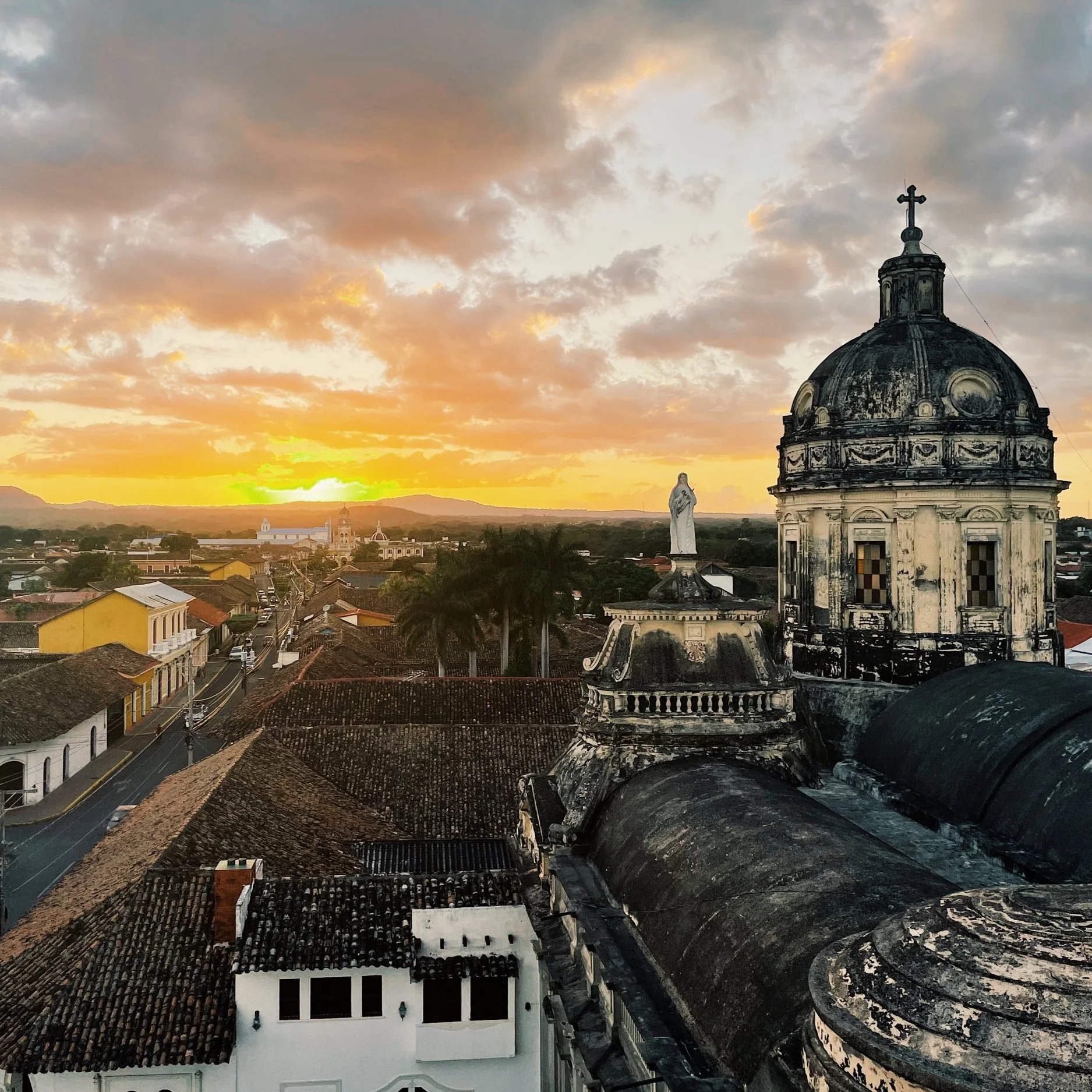
La arquitectura colonial
Buildings from Spanish colonial period (1500s-1800s) Characterized by thick walls, red tile roofs, and courtyards Found throughout Nicaragua, especially in Granada and León
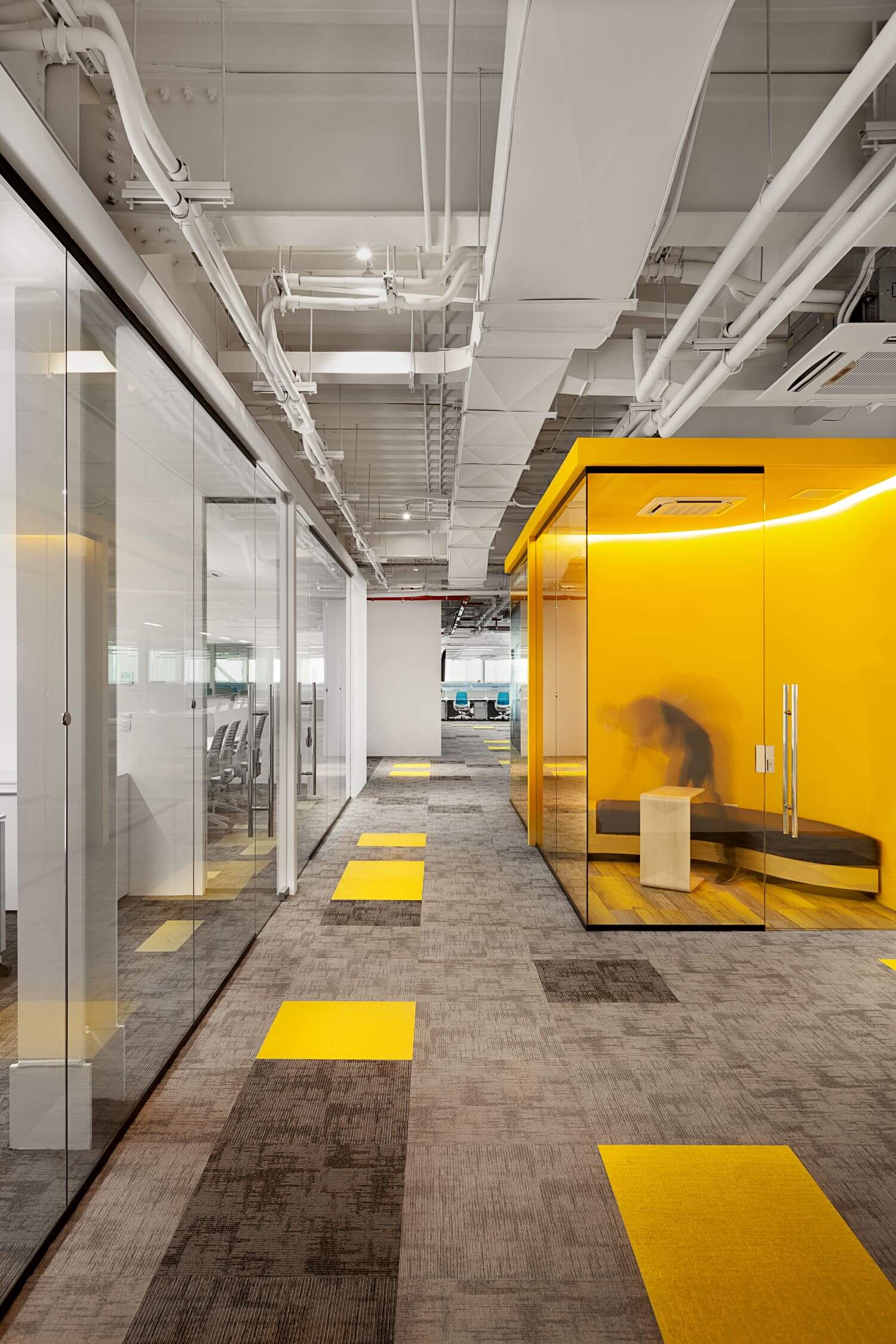
La arquitectura moderna
Contemporary buildings built after 1900s Features glass, steel, and concrete materials Found in Managua and other growing cities

El barrio
A neighborhood or district within a city Each barrio has its own character and community People often identify strongly with their barrio
La catedral
The main church of a city or region Center of religious and community life Often the most impressive building in town

El centro
The downtown or city center Where government, business, and commerce are located Usually the oldest part of the city

La estatua
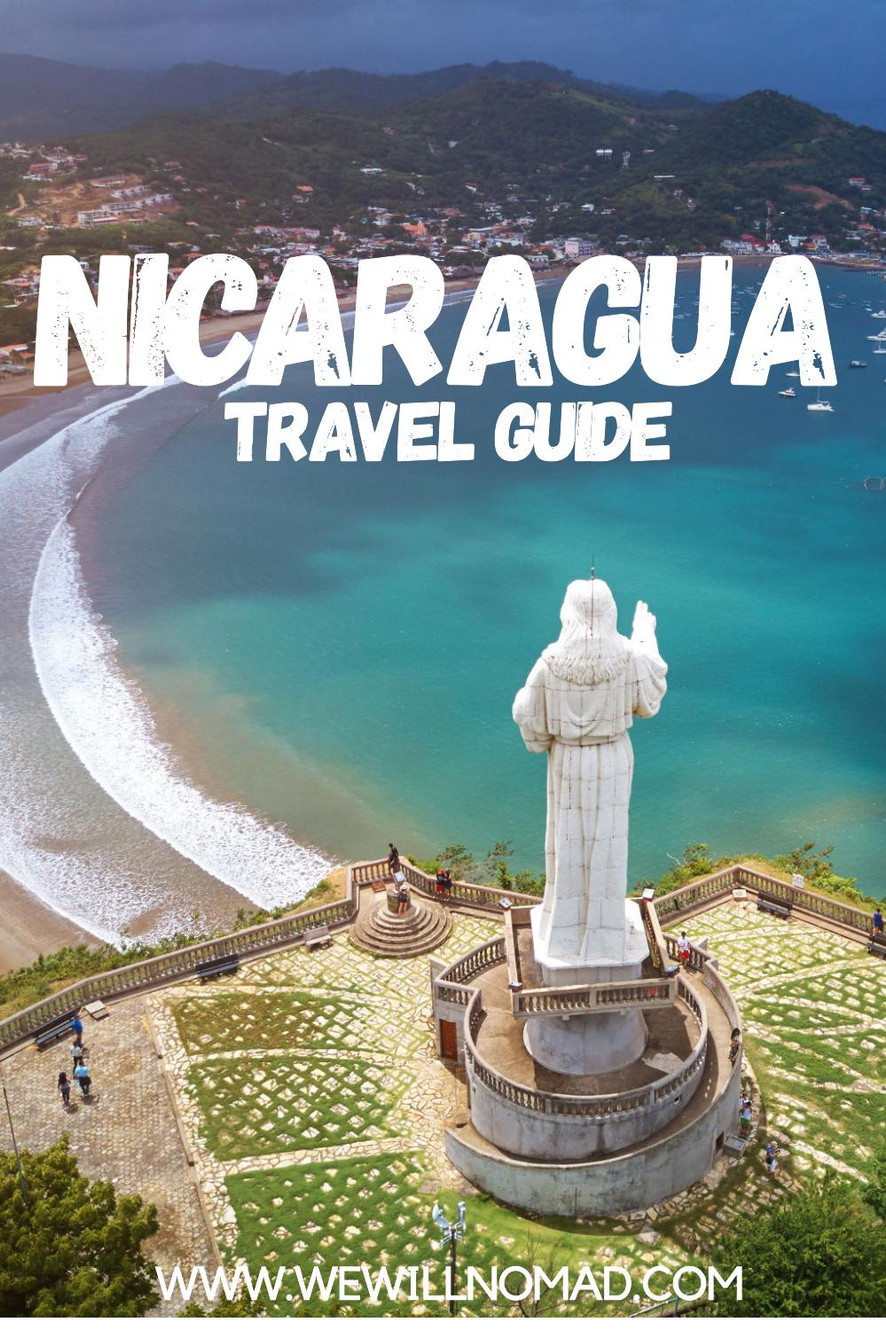
Sculptures honoring important people or events Found in plazas and public spaces Tell stories about Nicaragua's history and heroes

En honor a
"En honor a los héroes de la independencia" - Common inscription on monuments This phrase means 'in honor of' and is used to dedicate monuments and statues to important people or events
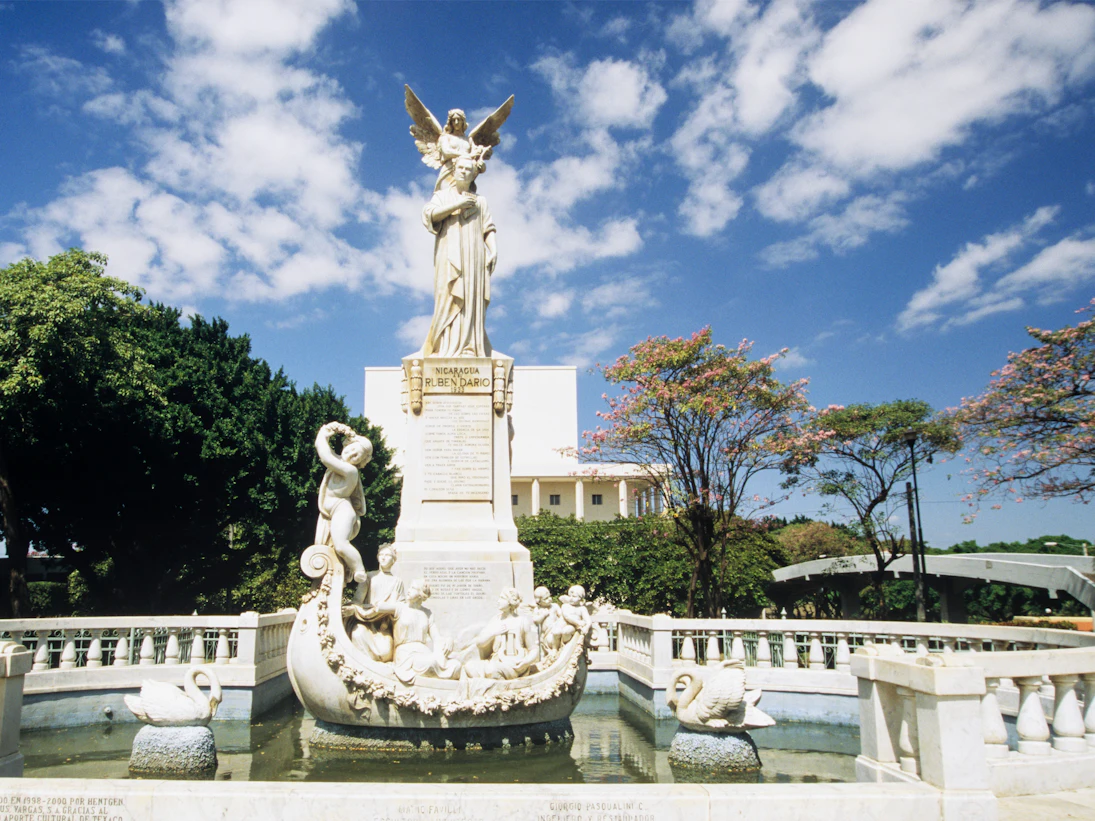
El monumento
Structures built to commemorate important events or people Often found in central plazas Include statues, obelisks, and memorial walls

El pueblo vs. El pueblito
{"left":"El pueblo: A town or village, generally larger\nEl pueblito: A small town or village (diminutive form)","right":"The suffix '-ito' makes things smaller and more endearing\nLike saying 'little town' with affection in English"}
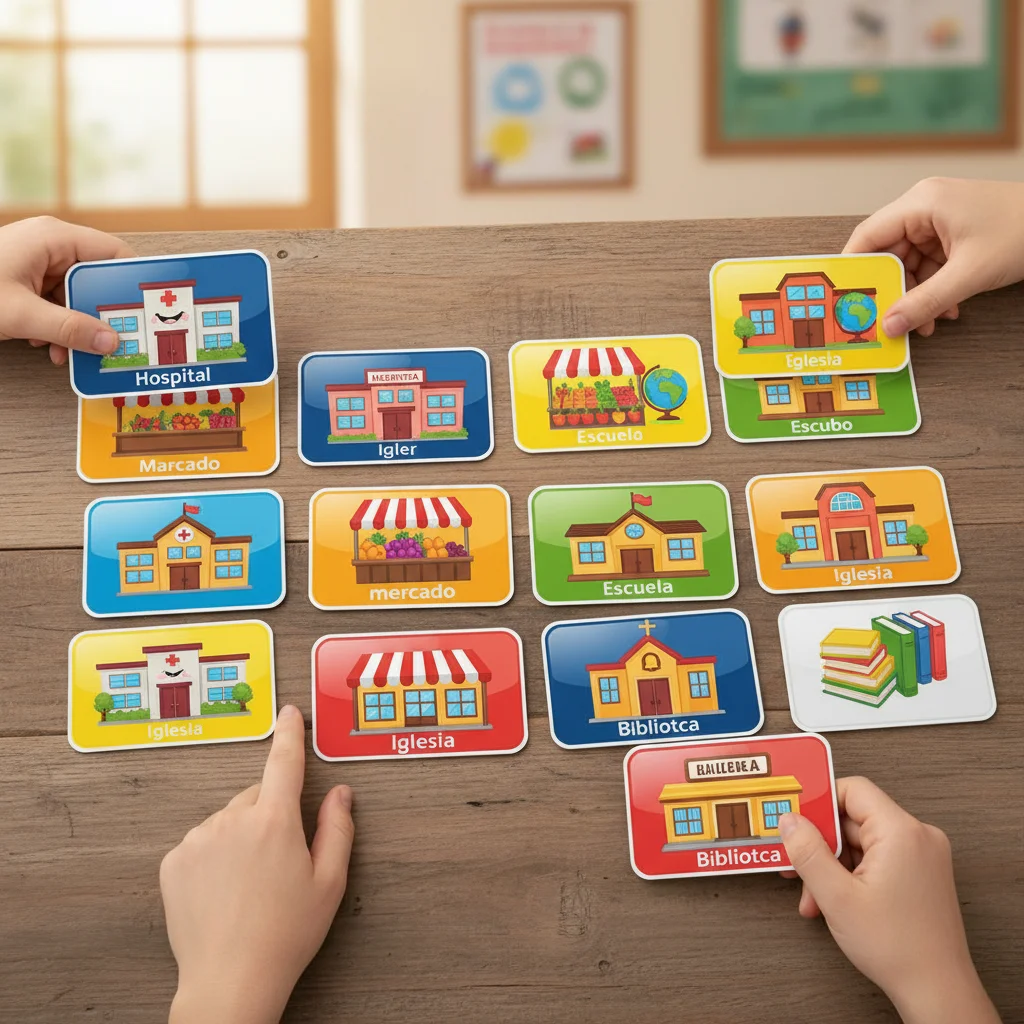
¡Práctica! Match the Places
Match each Spanish term with its English meaning: 1. La catedral - A. Neighborhood 2. El barrio - B. Main church 3. El centro - C. Small town 4. El pueblito - D. Downtown
Resumen - Nicaragua's Community Places
Colonial and modern architecture tell Nicaragua's story Each barrio has its unique character and community Cathedrals and monuments preserve history and culture From large cities to small pueblitos, each place matters