Exploring Our Solar System's Scale
Understanding the Vast Distances and Sizes A Journey Through Space and Time Grade 7 Science Adventure
What Do You Already Know?
How many planets are in our solar system? Which planet is closest to the Sun? Which planet is the largest? What makes Earth special for life?

Meet Our Solar System Family
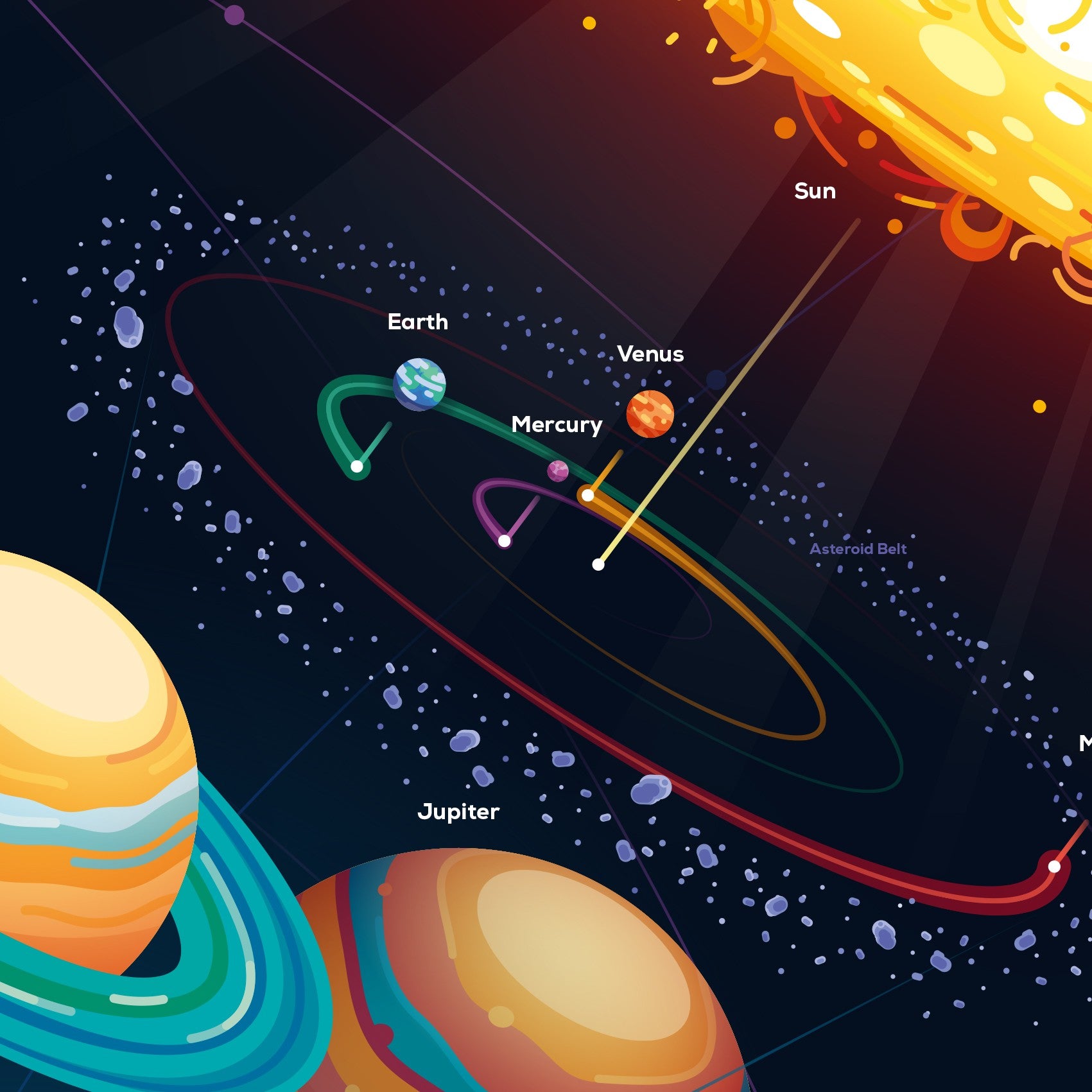
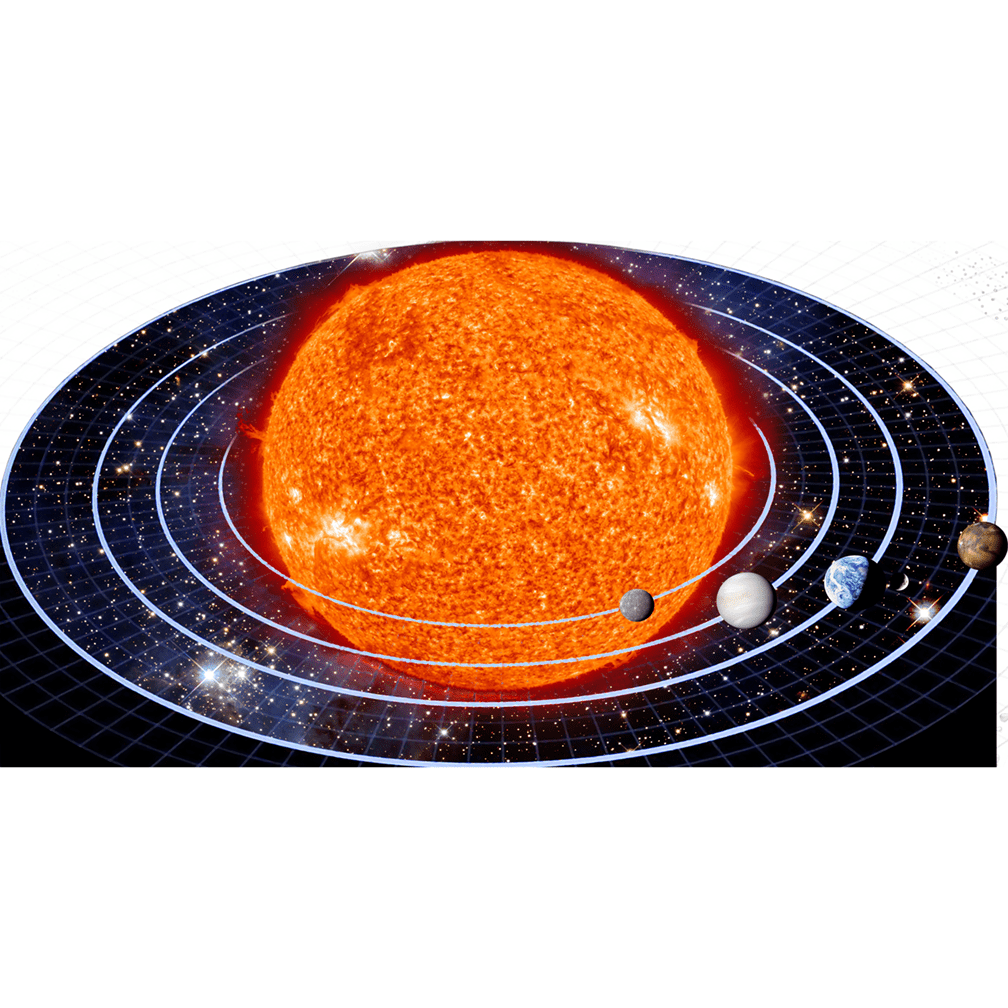
8 planets orbiting our Sun Inner planets: Mercury, Venus, Earth, Mars Outer planets: Jupiter, Saturn, Uranus, Neptune Plus moons, asteroids, and comets! Each world is unique and fascinating
Inner vs Outer Planets
{"left":"Rocky and small\nClose to the Sun\nVery hot or moderate temperatures\nFew or no moons","right":"Made of gas and ice\nFar from the Sun\nVery cold temperatures\nMany moons and rings"}

The Mind-Blowing Scale of Space

Build Your Solar System Model
Work in groups of 3 students Use string and balls to show planet distances Calculate scaled distances for your classroom Place planets at correct relative positions Present your section to the class

Space Puts Everything in Perspective
The universe is not only stranger than we imagine, it is stranger than we can imagine. - J.B.S. Haldane, British scientist

What Have We Discovered?
Our solar system is incredibly vast and mostly empty space Planets vary dramatically in size, composition, and distance Scale models help us understand these huge distances Each planet and moon has unique characteristics There's still so much more to explore and discover!