Exploring Skin Structure and Health
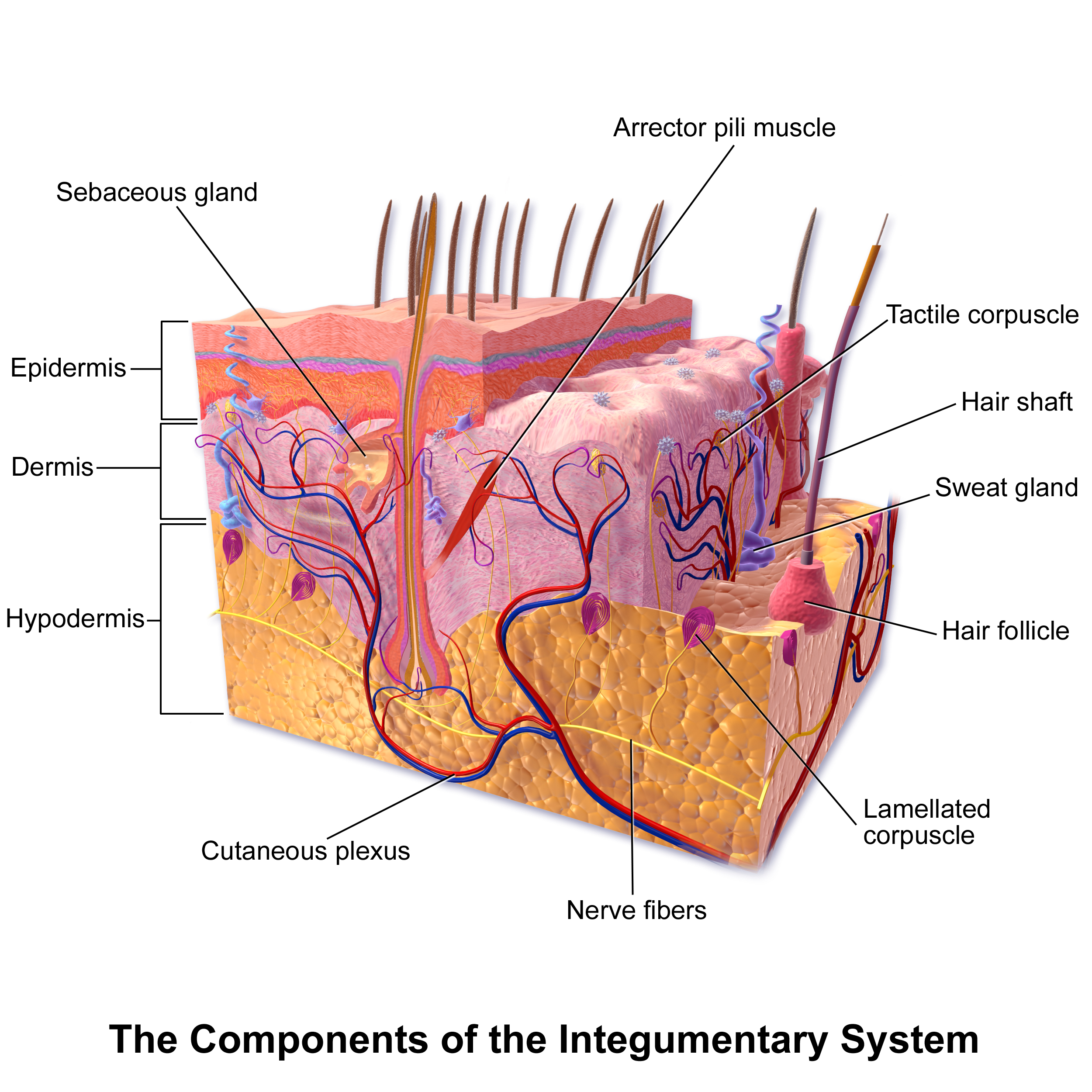
Understanding the Integumentary System
What Makes Skin So Important?
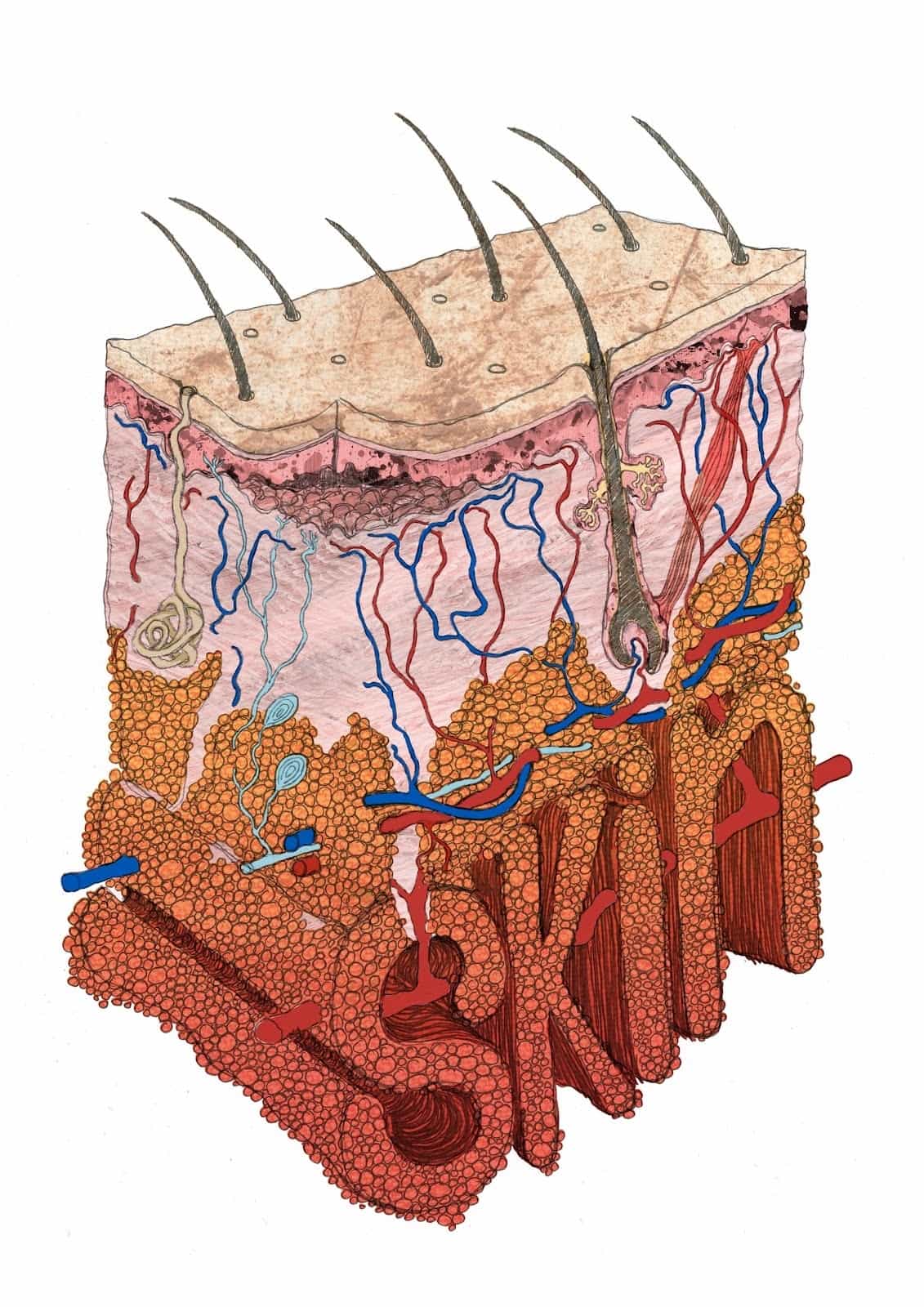
Our body's largest organ First line of defense against pathogens Regulates body temperature Provides sensory information Prevents water loss Produces vitamin D

The Three Layers of Skin

Hands-On: Build Your Skin Model
Work in groups of 3 students Use colored play-dough for each layer Add transparency sheets for epidermis Create hair follicles and sweat glands Use droppers to simulate sweat production Record observations in your notebook
Common Skin Conditions: Case Studies
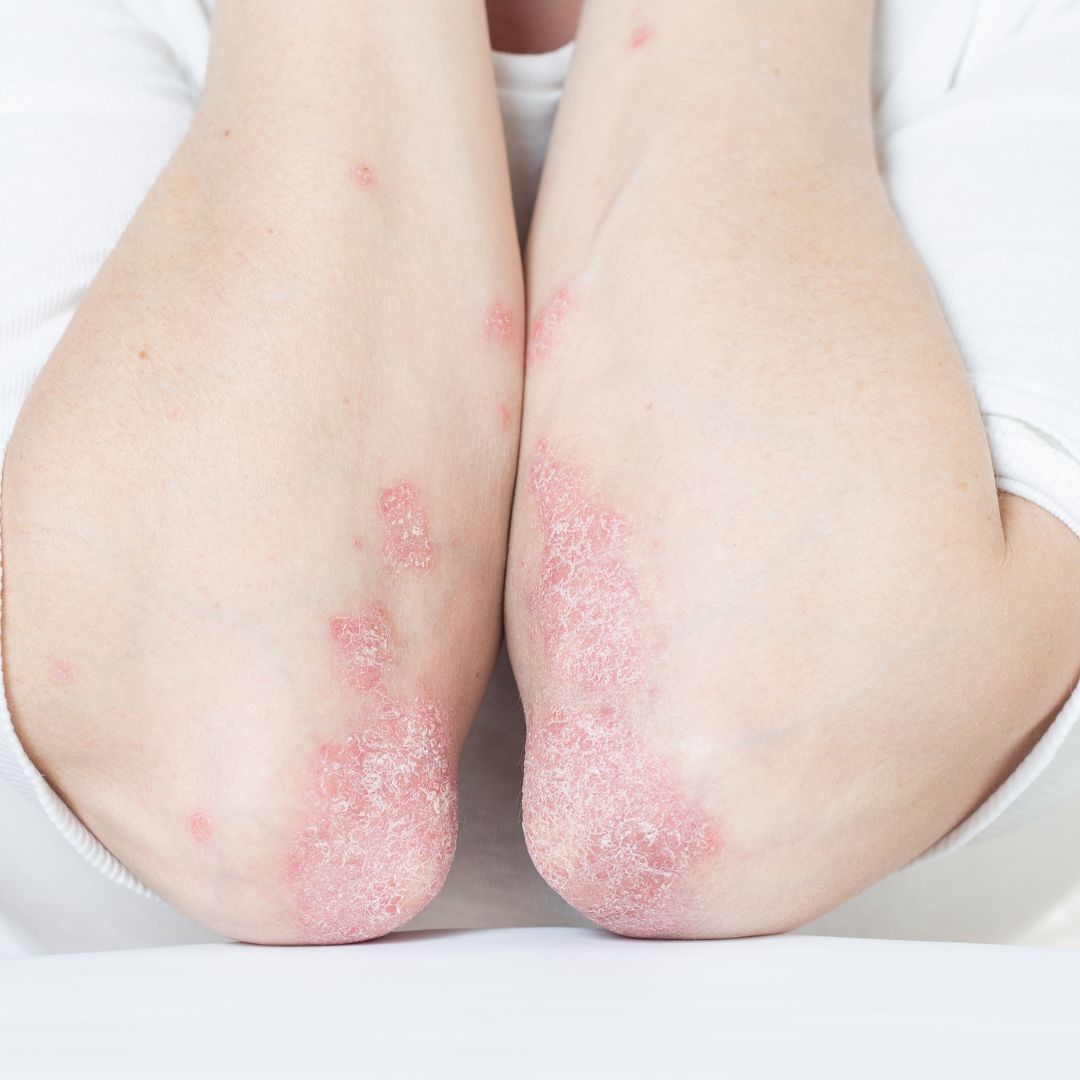
{"left":"Acne: Blocked hair follicles and oil glands\nEczema: Inflammatory skin condition causing itching\nMelanoma: Serious form of skin cancer from UV damage","right":"Psoriasis: Autoimmune condition causing scaly patches\nSunburn: UV radiation damage to skin cells\nContact dermatitis: Allergic reaction to substances"}

Think and Discuss
How does each skin layer contribute to protection? What happens when the skin barrier is damaged? Why is early detection important for skin conditions? How do lifestyle choices affect skin health?

Create Your Health Poster
Include your skin model diagram Summarize your case study findings Add preventative health tips Use clear scientific vocabulary Prepare a 2-minute presentation Make it visually engaging and informative
.jpg)
Key Takeaways: Healthy Skin for Life
Skin has three distinct layers with specific functions Protection, sensation, and regulation are key roles Many skin conditions are preventable Sun protection is crucial for long-term health Good hygiene supports skin barrier function Early detection and treatment improve outcomes