Geometric Shapes and Rigid Transformations
Grade 10 Mathematics Understanding shapes and their properties Exploring transformations in geometry

Precise Geometric Definitions
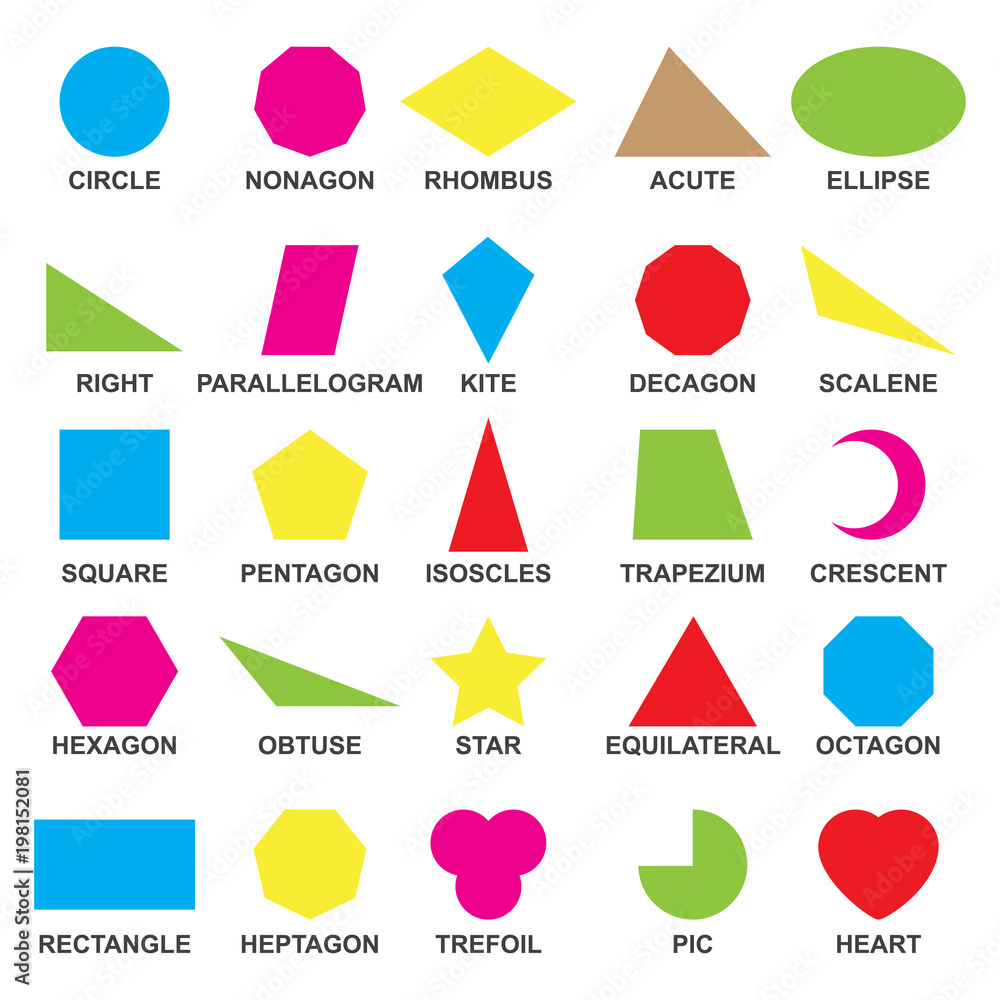
Point: An exact location with no size or dimension Line: Extends infinitely in both directions Line Segment: Part of a line with two endpoints Angle: Formed by two rays sharing a common endpoint Circle: All points equidistant from a center point
Types of Geometric Shapes
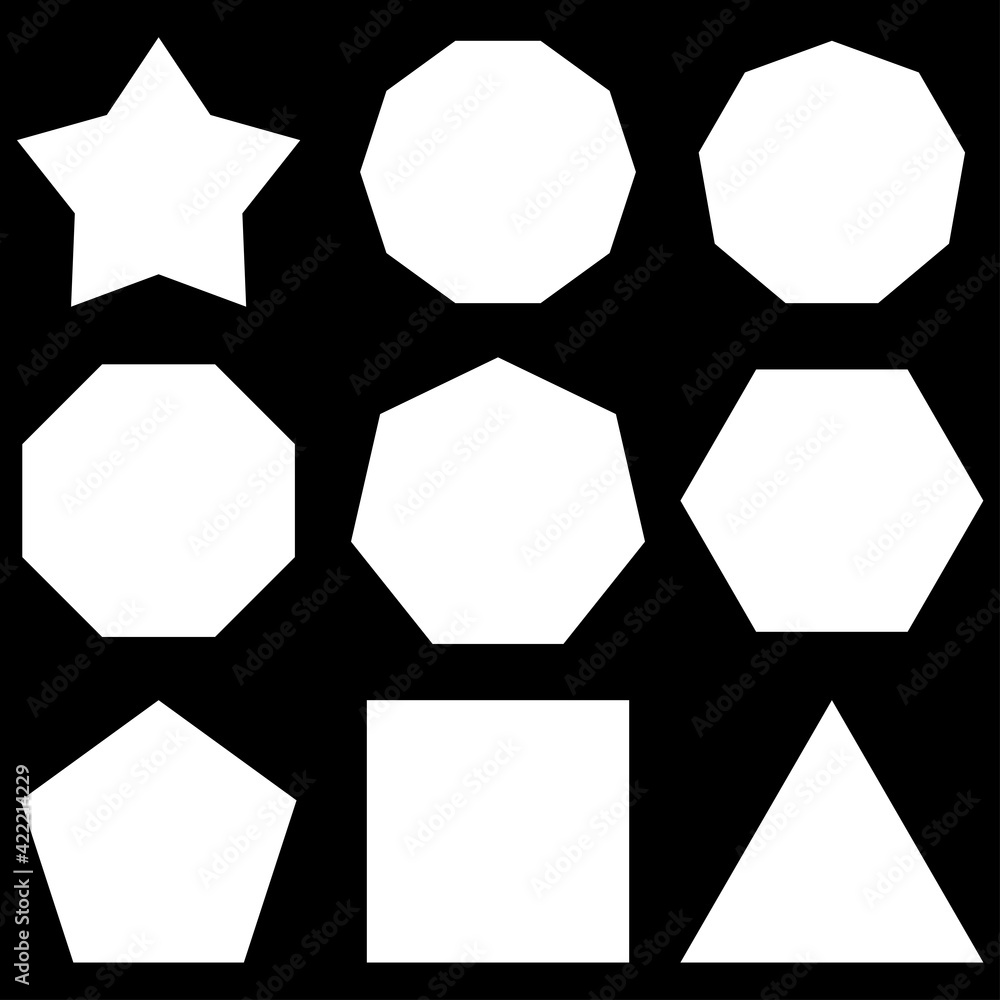
{"left":"Triangles: 3 sides, sum of angles = 180°\nQuadrilaterals: 4 sides, sum of angles = 360°\nPentagons: 5 sides, sum of angles = 540°","right":"Hexagons: 6 sides, sum of angles = 720°\nCircles: Curved shape, 360° around center\nRegular polygons: All sides and angles equal"}
Shape Classification Activity
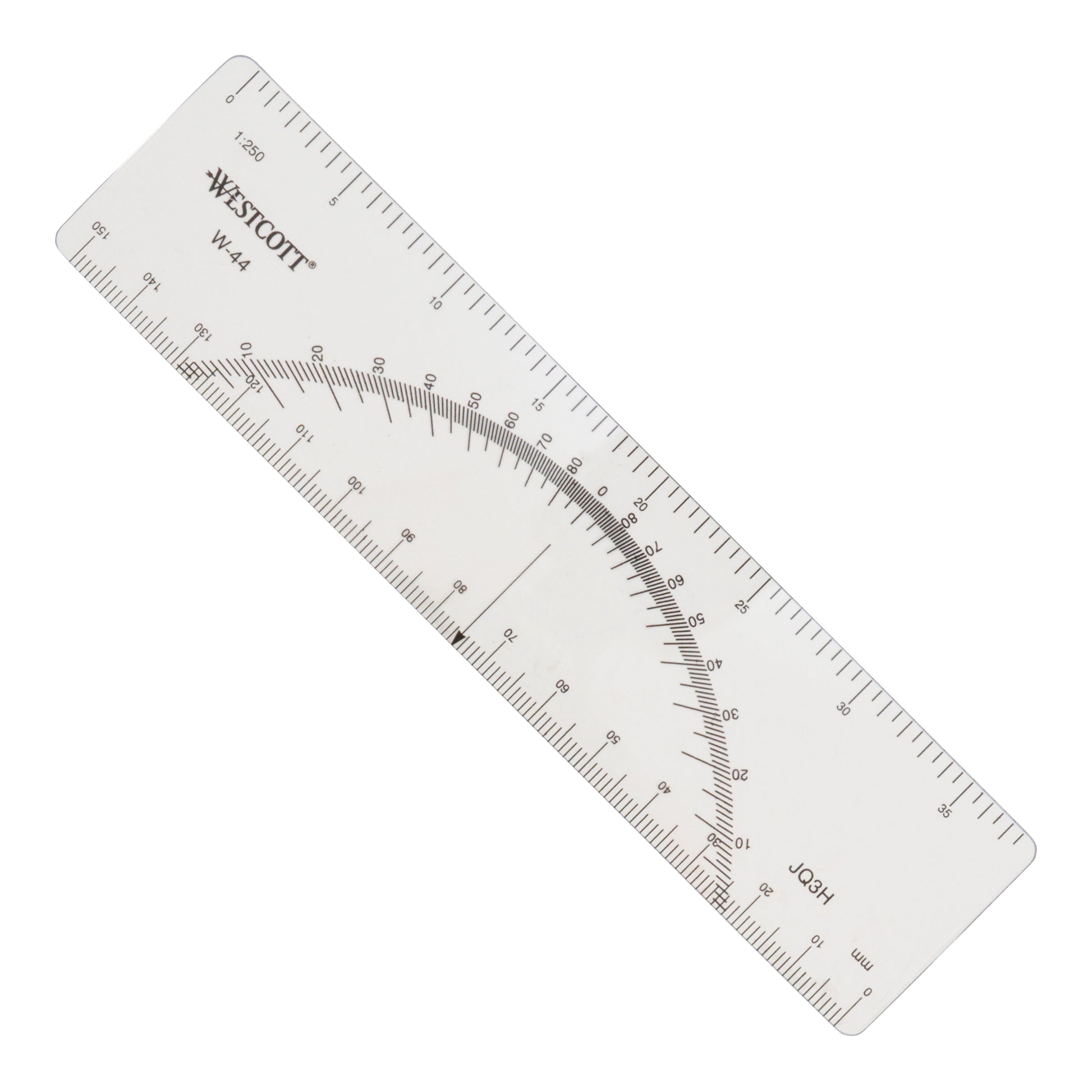
Measure side lengths with rulers Use protractors to find angle measures Record properties on your worksheet Classify shapes by their characteristics Work with your partner to compare findings
Rigid Transformations
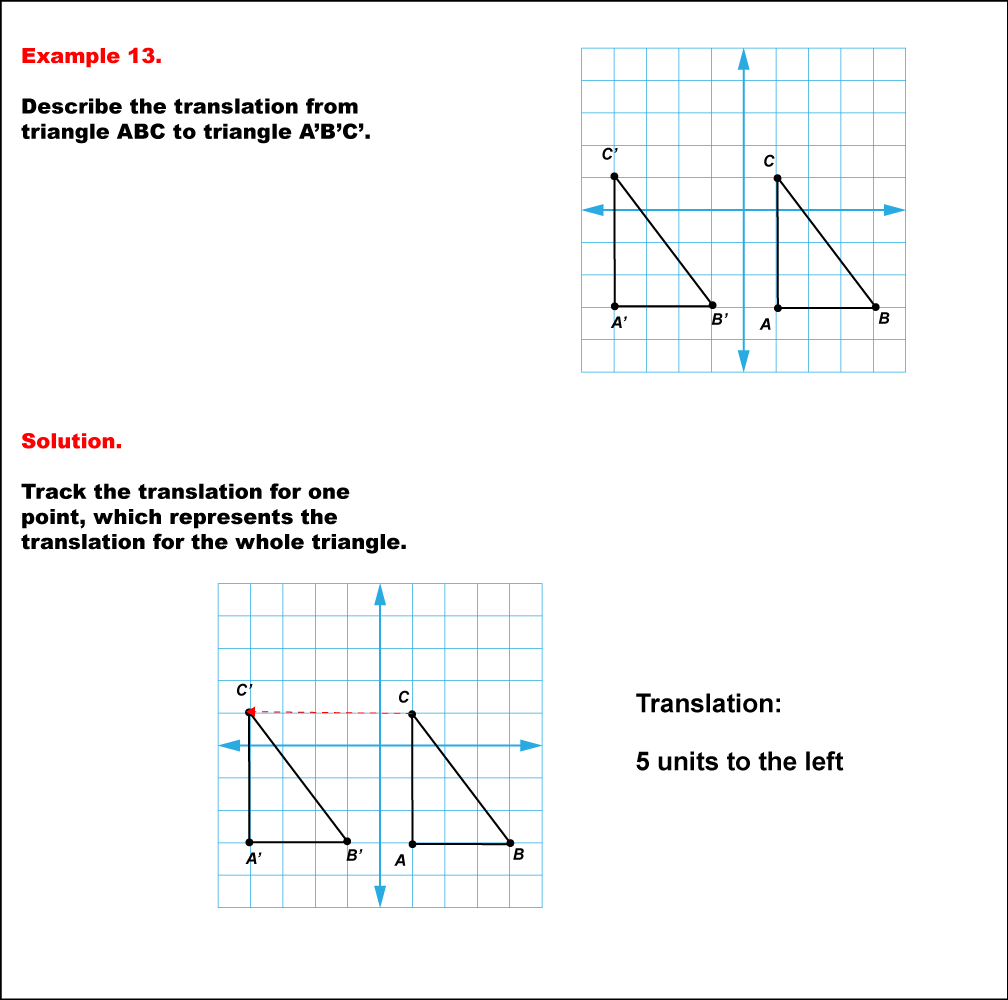
Translation: Sliding a shape to a new position Rotation: Turning a shape around a fixed point Reflection: Flipping a shape over a line Properties preserved: size, shape, and angles Congruent figures result from rigid motions

Transformation Challenge
Look at your shape cut-outs Choose one shape and perform a 90° rotation Predict what properties will stay the same What happens to the position of vertices? Are the original and transformed shapes congruent?

Proving Angle Relationships
Parallel lines cut by a transversal create special angles Corresponding angles are equal Alternate interior angles are equal Same-side interior angles are supplementary These relationships help prove geometric theorems

Key Takeaways
Geometric shapes have precise mathematical definitions Rigid transformations preserve size, shape, and angles Understanding these concepts helps us prove geometric theorems Measurement and observation support mathematical reasoning