
Geometry Meets Home Energy Efficiency
Exploring Foundation Shapes and R-Values Grade 12 Mathematics 40-Minute Interactive Lesson
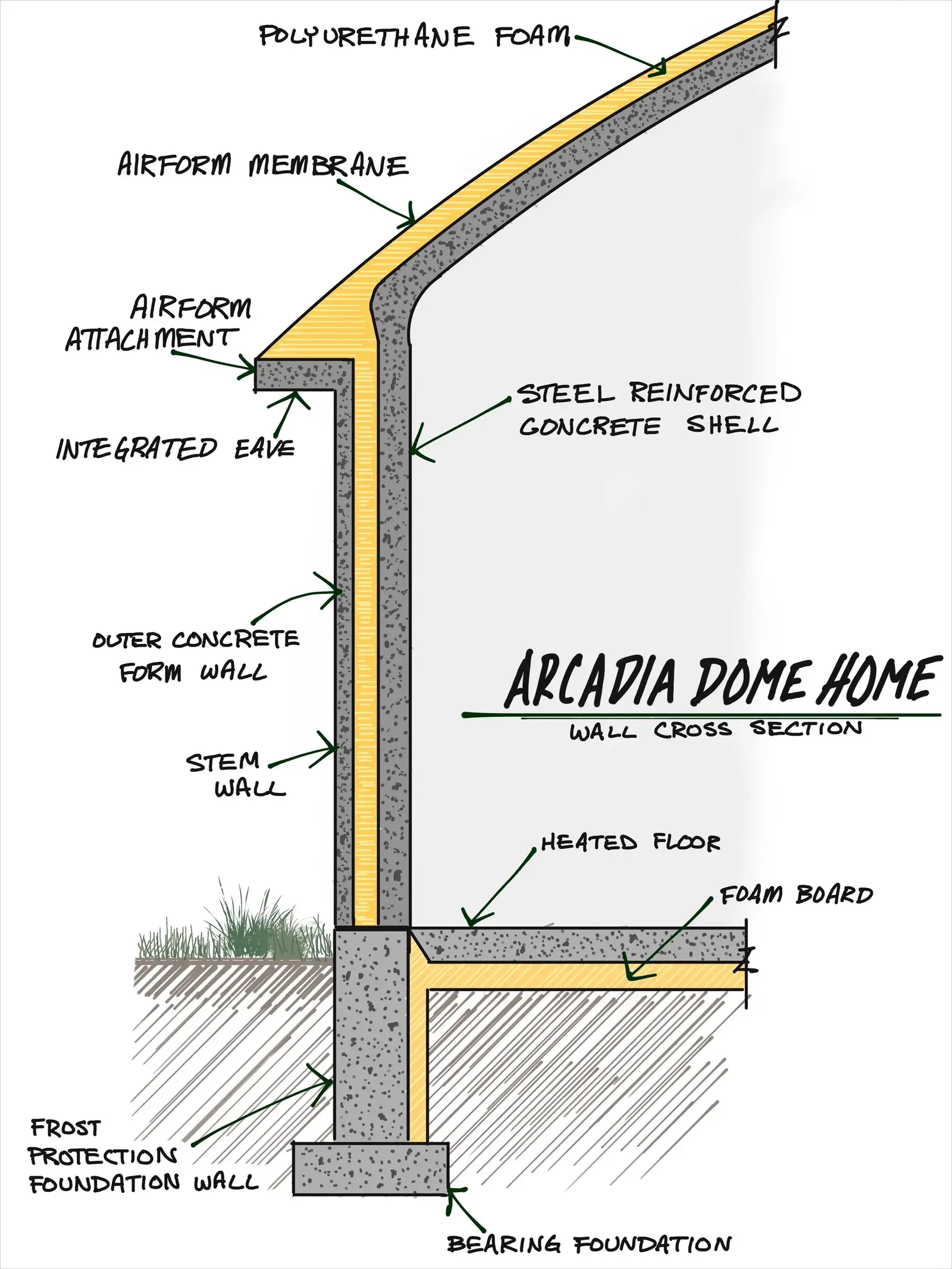
Why Geometry Matters in Home Building
Foundation shape affects heat transfer Surface area determines insulation needs Volume calculations predict energy costs Mathematical precision saves money and energy
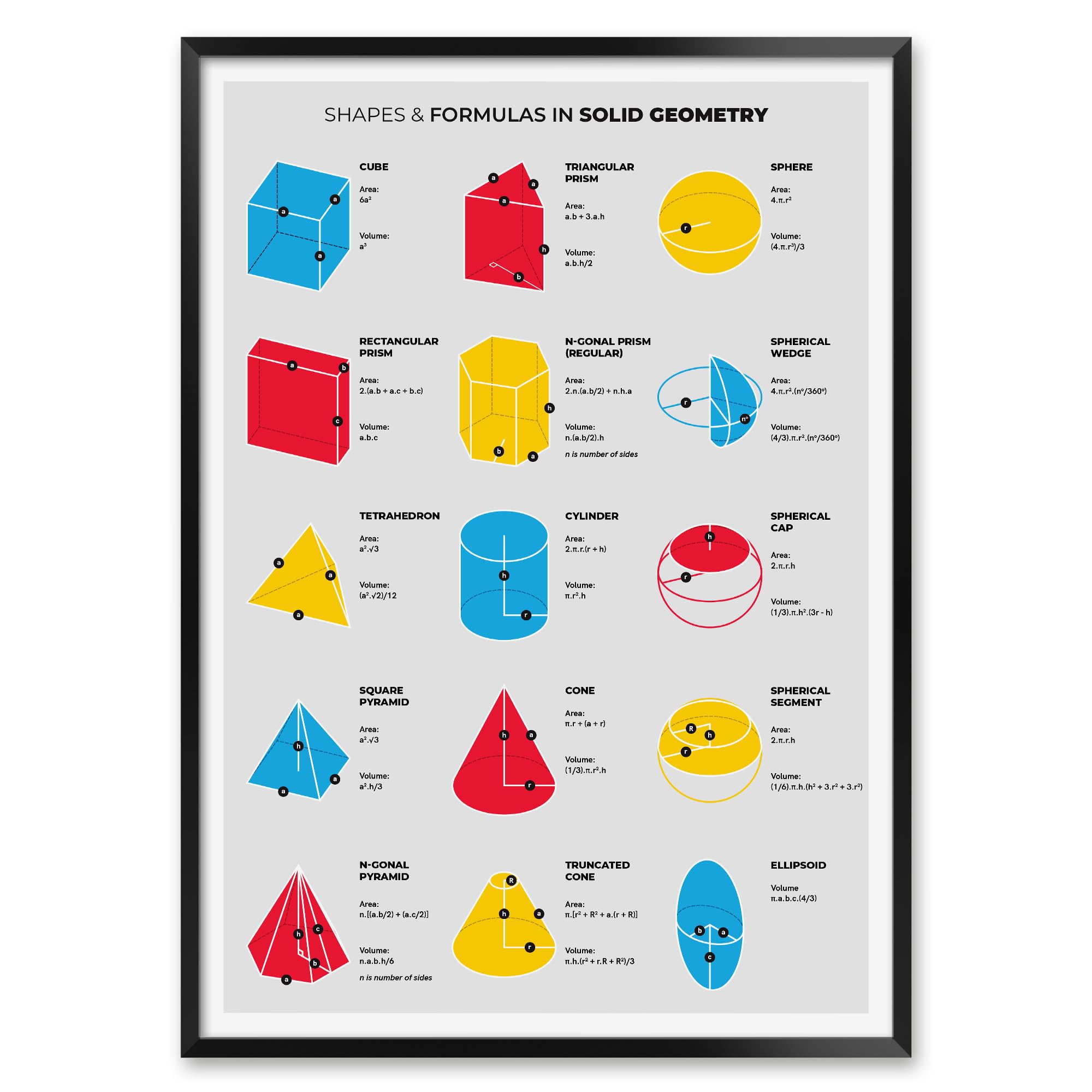
Geometric Foundations: Area and Volume Review
{"left":"Rectangle: A = length × width, V = length × width × height\nCircle: A = πr², V = πr²h (cylinder)","right":"Surface Area = all exposed faces\nVolume = interior space to heat/cool"}

Understanding R-Values: The Science of Insulation
R-value measures resistance to heat flow Higher R-value = better insulation Thickness and material type affect R-value R-value × Surface Area = Total thermal resistance

Foundation Challenge: Calculate and Compare
Groups of 5 students each Different foundation blueprints provided Calculate surface area and volume Determine insulation requirements Prepare group presentations

Critical Thinking: Shape vs. Material
Can energy loss be minimized more effectively through foundation geometry or better insulation materials? How does local climate affect these choices? What other factors influence insulation decisions?
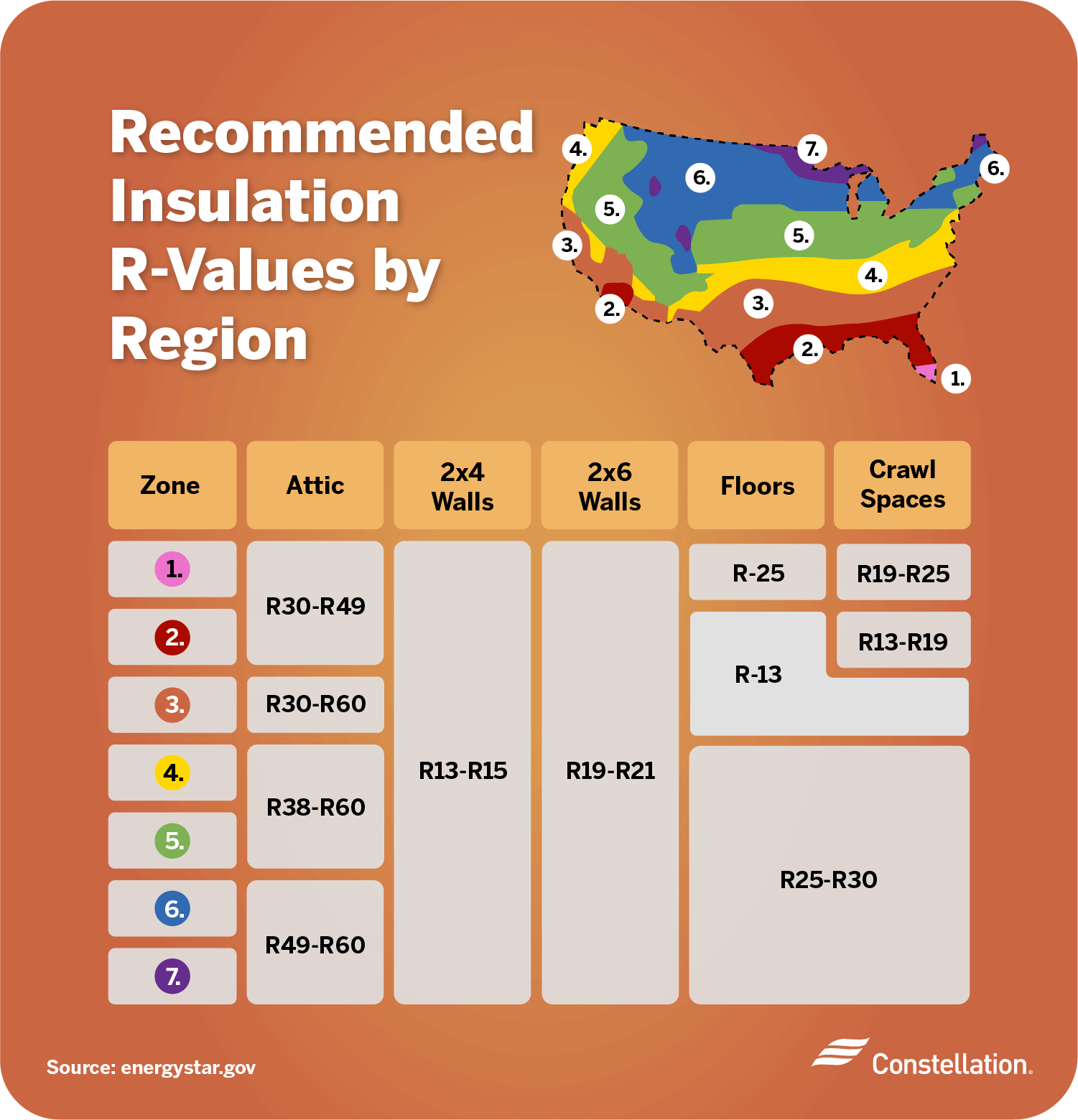
Real-World Application: Energy Efficiency in Practice

Key Takeaways: Math Meets Sustainability
Geometry directly impacts energy efficiency Surface area calculations determine insulation needs R-values provide scientific measurement of thermal resistance Mathematical reasoning guides sustainable building decisions