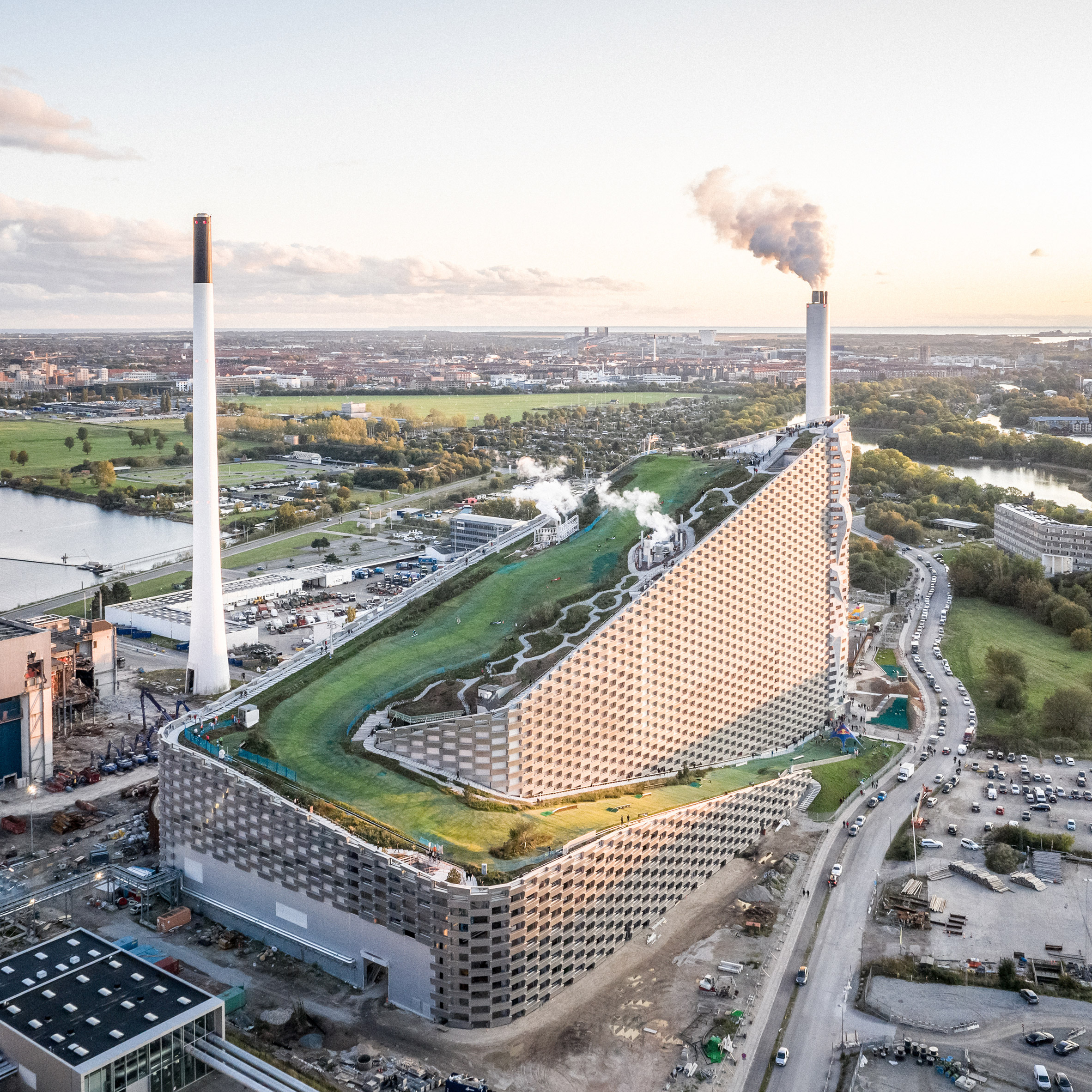
Geometry Meets Sustainable City Design
Grade 9 Mathematics Exploring Urban Planning Through Geometric Concepts 30-Minute Interactive Learning Journey

What Makes a City Sustainable?
Think about your ideal city... What features would make it environmentally friendly? How might mathematics help in planning these features?
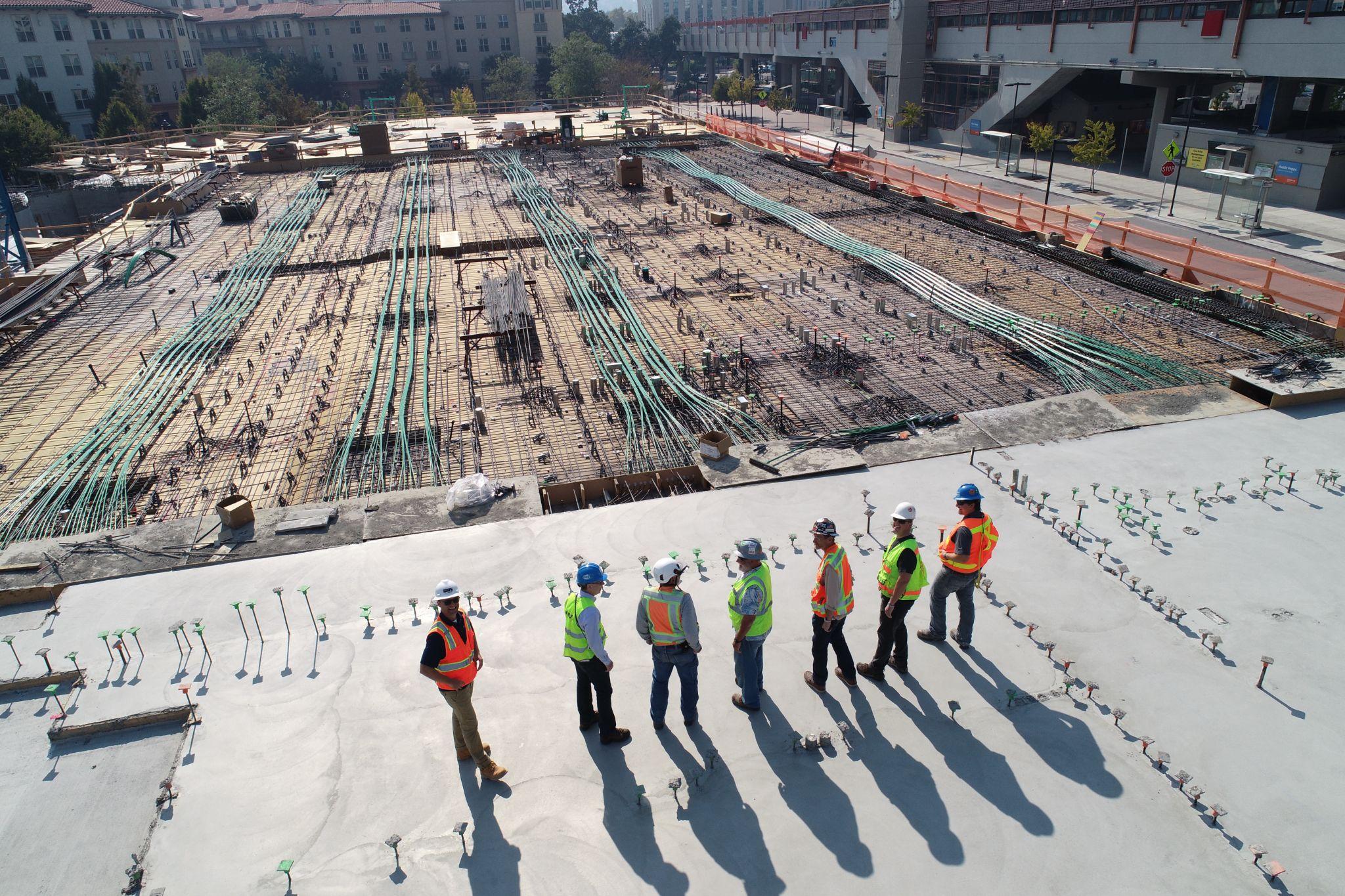
I Can Statements - Learning Objectives
I can identify the role of urban planners and why city design matters I can explain how geometry concepts such as area and perimeter apply to urban planning I can create a mind map connecting urban planning ideas and related geometry concepts
What is Urban Planning?
Urban planners design and organize city spaces They consider transportation, housing, and green spaces Goal: Create livable, sustainable communities Mathematics is essential for measuring and optimizing spaces

Geometry in City Design
{"left":"Area calculations help determine park sizes and building footprints\nPerimeter measurements are crucial for fencing and boundary planning","right":"Geometric shapes optimize traffic flow and pedestrian pathways\nVolume calculations determine water storage and waste management capacity"}

Mind Mapping Activity
Work in groups of 5 students Create connections between urban planning and geometry Include: planner roles, geometric concepts, sustainable features Use graphic organizer templates provided Be ready to share one key connection with the class

Success Criteria Checklist

Extension Challenge for Advanced Learners
Research a famous sustainable city (Copenhagen, Singapore, etc.) Identify specific geometric design features Prepare a short presentation on key design elements Connect geometric concepts to sustainability benefits Due next class - be creative with your presentation format!