
Geometry Reasoning and Proof Fundamentals
Grade Mathematics Exploring Logic and Proof in Geometry 60-minute lesson

Learning Objectives
Grade Mathematics Exploring Logic and Proof in Geometry 60-minute lesson

Two Types of Reasoning
{"left":"Inductive Reasoning: Observing patterns to reach general conclusions\nExample: All triangles I've measured have angles totaling 180°\nNot guaranteed to be true","right":"Deductive Reasoning: Using logic and facts to reach conclusions\nExample: If angles are vertical, then they are congruent\nMust be true if premises are correct"}

Conjecture Challenge
Examine this statement: 'If two angles are adjacent, they are supplementary' Draw diagrams to test this conjecture Can you find a counterexample? Work with a partner for 5 minutes

Conjecture Testing Activity
Examine: All vertical angles are equal Test: If two angles are adjacent, they are supplementary Use diagrams to prove or disprove Create counterexamples when false Practice on individual whiteboards

What Makes a Good Counterexample?
Must satisfy the hypothesis of the conjecture Must show the conclusion is false Should be clearly drawn and labeled Example: Two adjacent angles of 30° and 40° disprove the conjecture
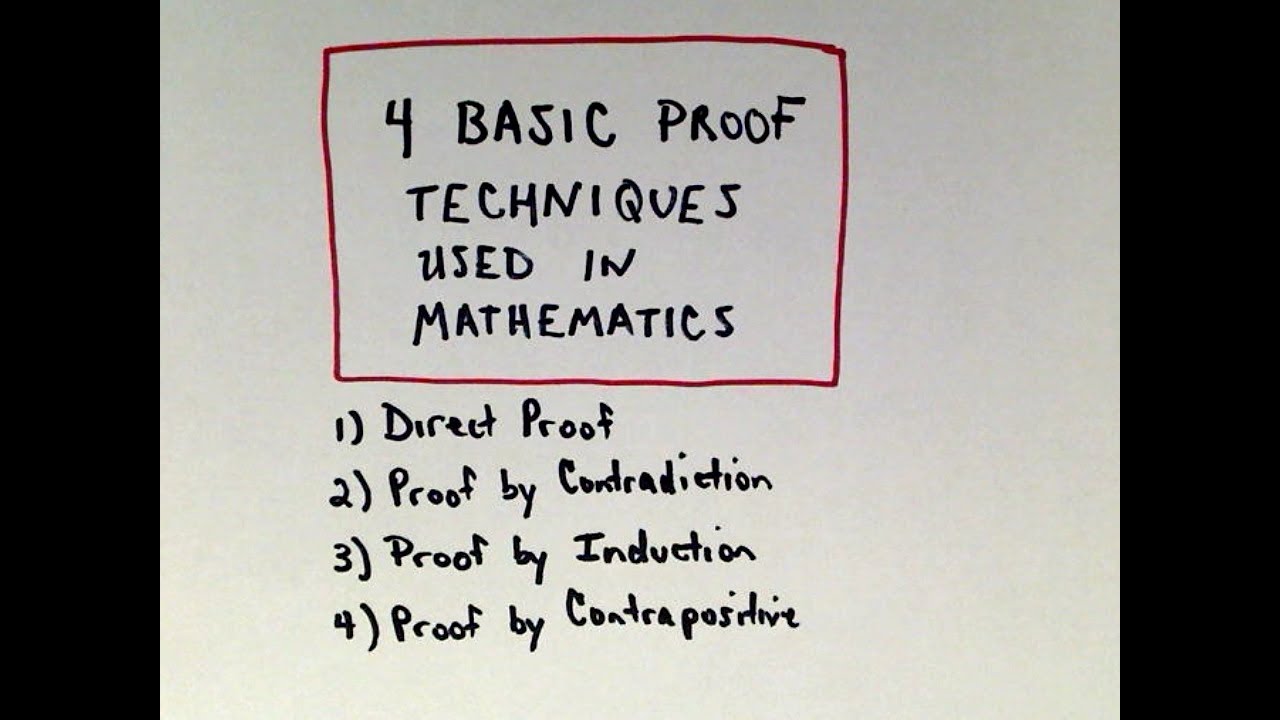
Proof Structure Framework

Vertical Angles Theorem
When two lines intersect, vertical angles are congruent Proof: Use properties of supplementary angles and substitution

Apply Your Knowledge
Exit Ticket Challenge: Give one example each of inductive and deductive reasoning in geometry Explain why counterexamples are important for disproving conjectures Be ready to share your thinking!