
Government Branches Overview
Grade 8 Social Studies Understanding the Three Branches of U.S. Government 60-minute lesson

Learning Objectives
Identify and describe the three branches of the U.S. government Explain the basic functions and responsibilities of each branch Understand the system of checks and balances in broad terms

Warm-Up: Government Brainstorm
Think about what you already know Shout out words or phrases related to government branches No wrong answers - just share your ideas!
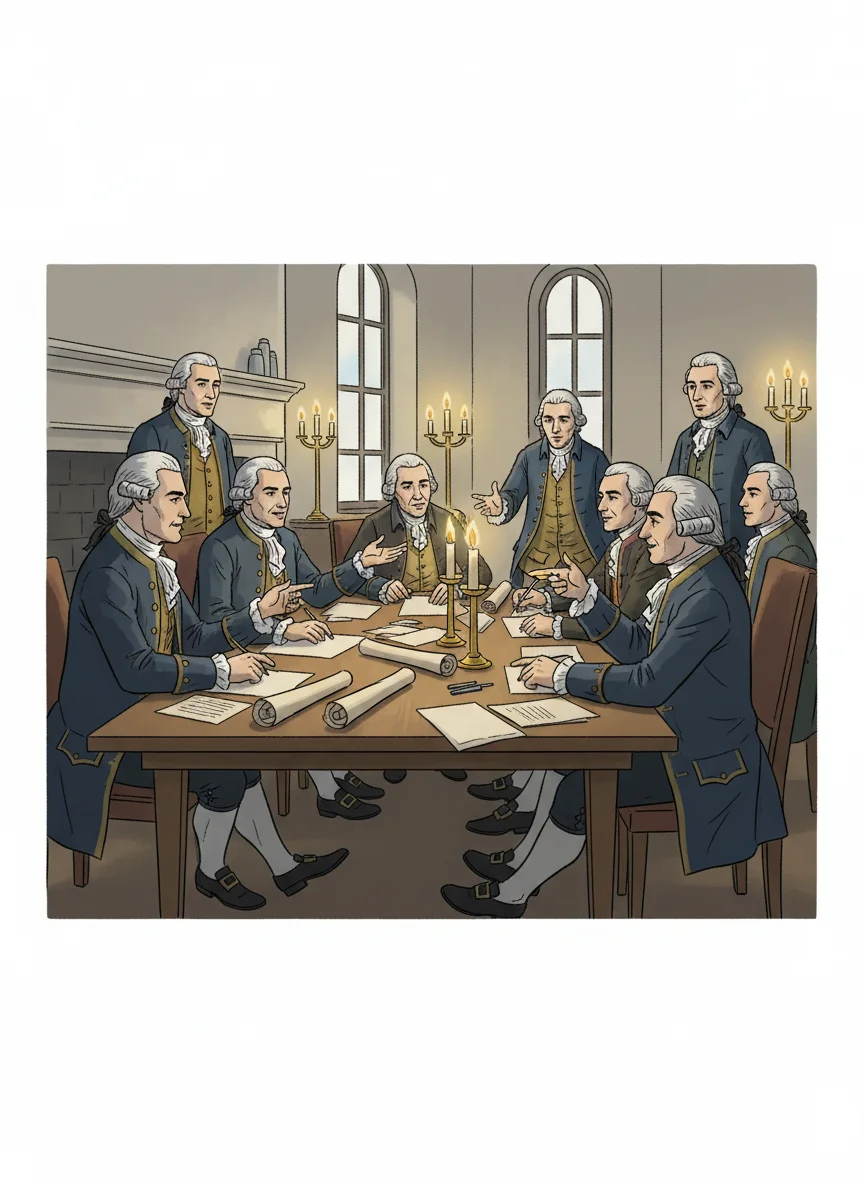
Why Three Branches?
The government is divided into three parts This prevents any one part from becoming too powerful Each branch has different responsibilities They work together to serve the people
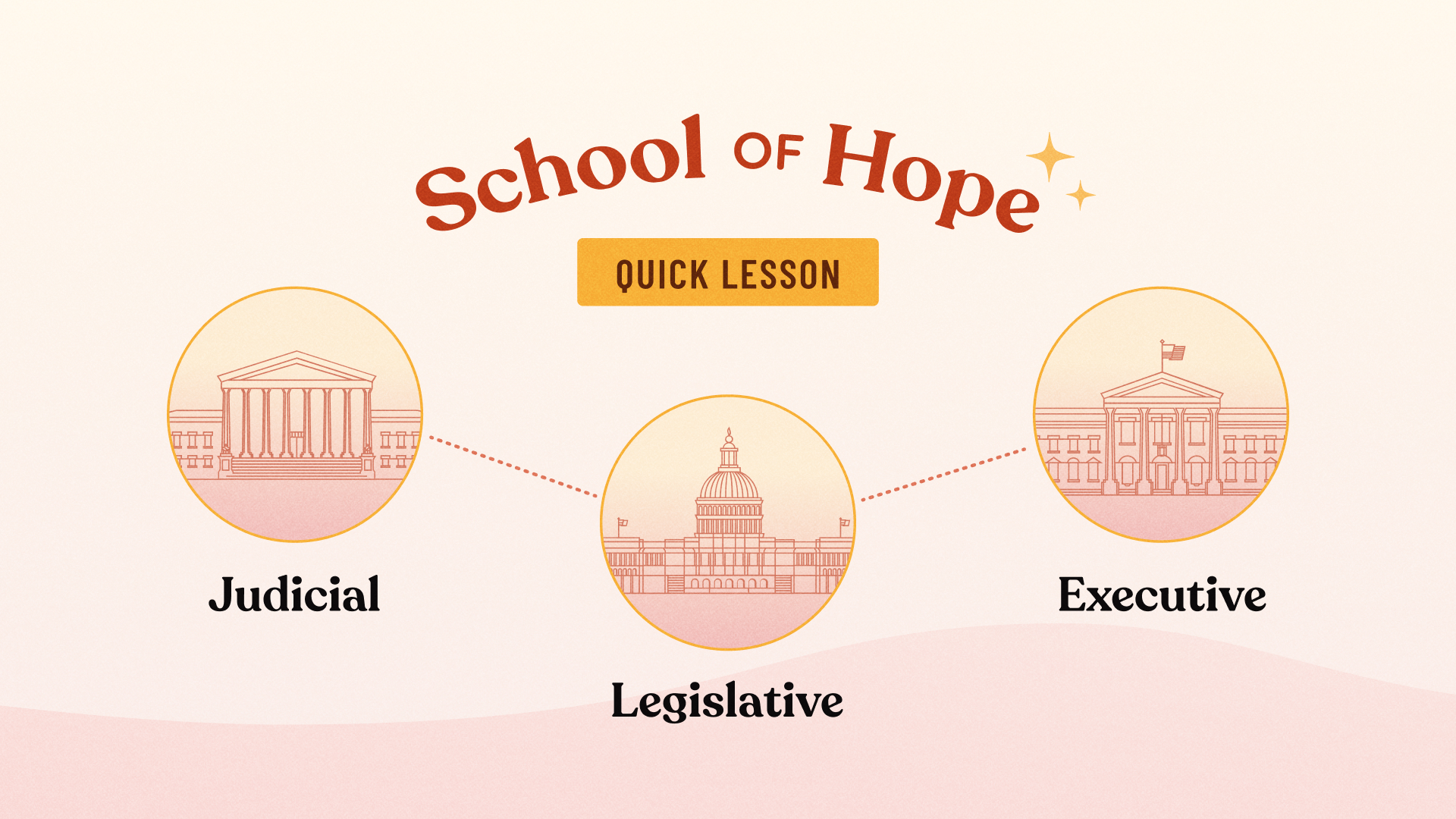
The Three Branches of Government

Legislative Branch: The Law Makers
Congress: Senate and House of Representatives Main function: Make laws 435 Representatives, 100 Senators Example: Laws about school lunch programs

Executive Branch: The Law Enforcers
President, Vice President, and Cabinet Main function: Enforce and carry out laws Commander in Chief of military Example: President's policies on education

Judicial Branch: The Law Interpreters
Supreme Court and federal courts Main function: Interpret laws and Constitution 9 Supreme Court Justices Example: Student rights cases in schools

Branch Match-Up Activity
Work in groups of 5 students Sort your colored cards into the correct branch columns Create a poster showing all three branches One person from each group will explain your choices
Checks and Balances Preview
{"left":"Each branch can limit the others' power\nPresident can veto laws from Congress\nCongress can override presidential vetoes","right":"Supreme Court can declare laws unconstitutional\nPresident appoints judges\nSenate confirms presidential appointments"}
Think-Pair-Share Reflection
THINK: Write down one new fact you learned about the branches PAIR: Share your fact with a partner SHARE: Volunteers share with the class
Exit Ticket & Next Steps
Choose one to write on your exit slip: Name one branch and describe its responsibility Give an example of why three branches are important Next lesson: How branches check each other's power