
Grade 7 Probability Adventures
Exploring Chance and Likelihood A Mathematical Journey into Uncertainty

What is Probability?
Probability measures how likely something is to happen It's always a number between 0 and 1 0 means impossible, 1 means certain 0.5 means equally likely to happen or not happen
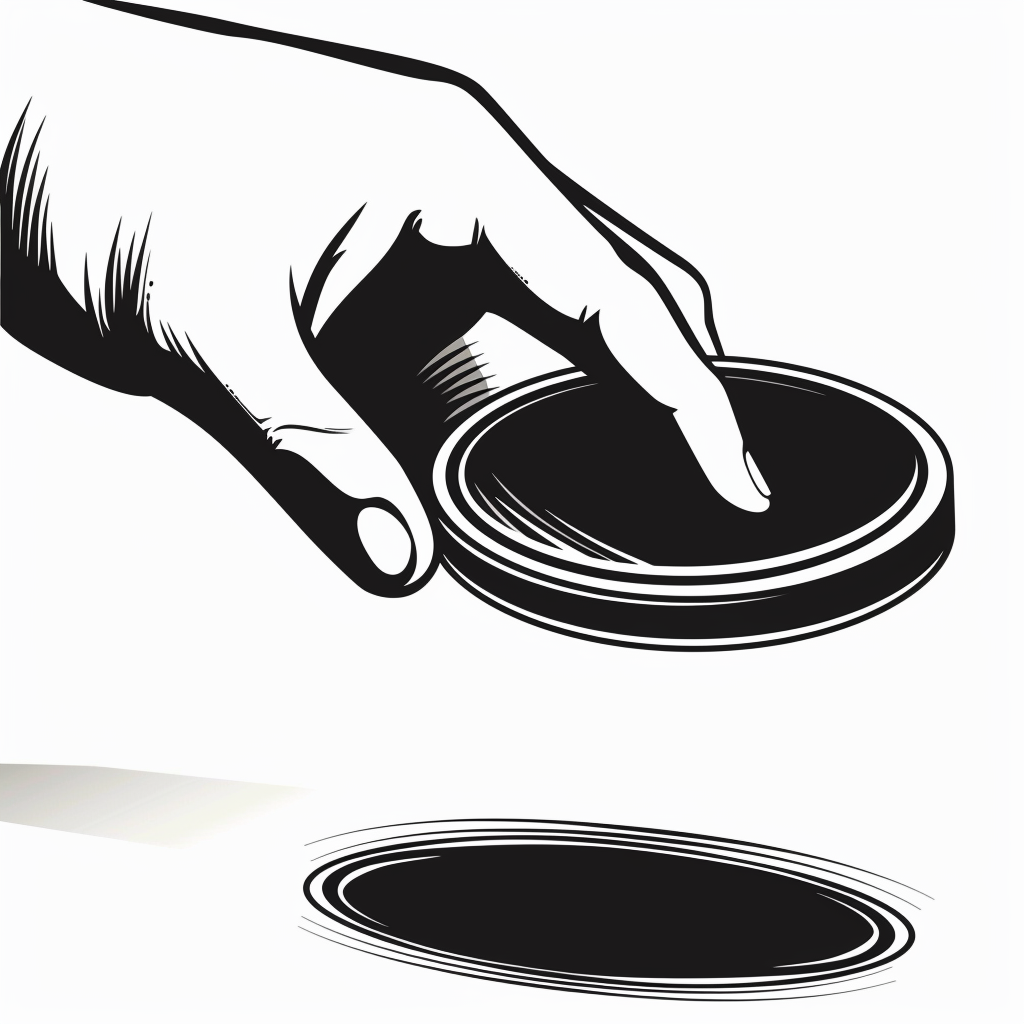
Coin Flip Experiment
Each student flips a coin 10 times Record heads and tails on the board Calculate the fraction of heads Compare results across the class

Outcomes and Sample Space
Outcome: A single result from an experiment Sample Space: All possible outcomes Coin flip sample space: {Heads, Tails} Dice roll sample space: {1, 2, 3, 4, 5, 6}
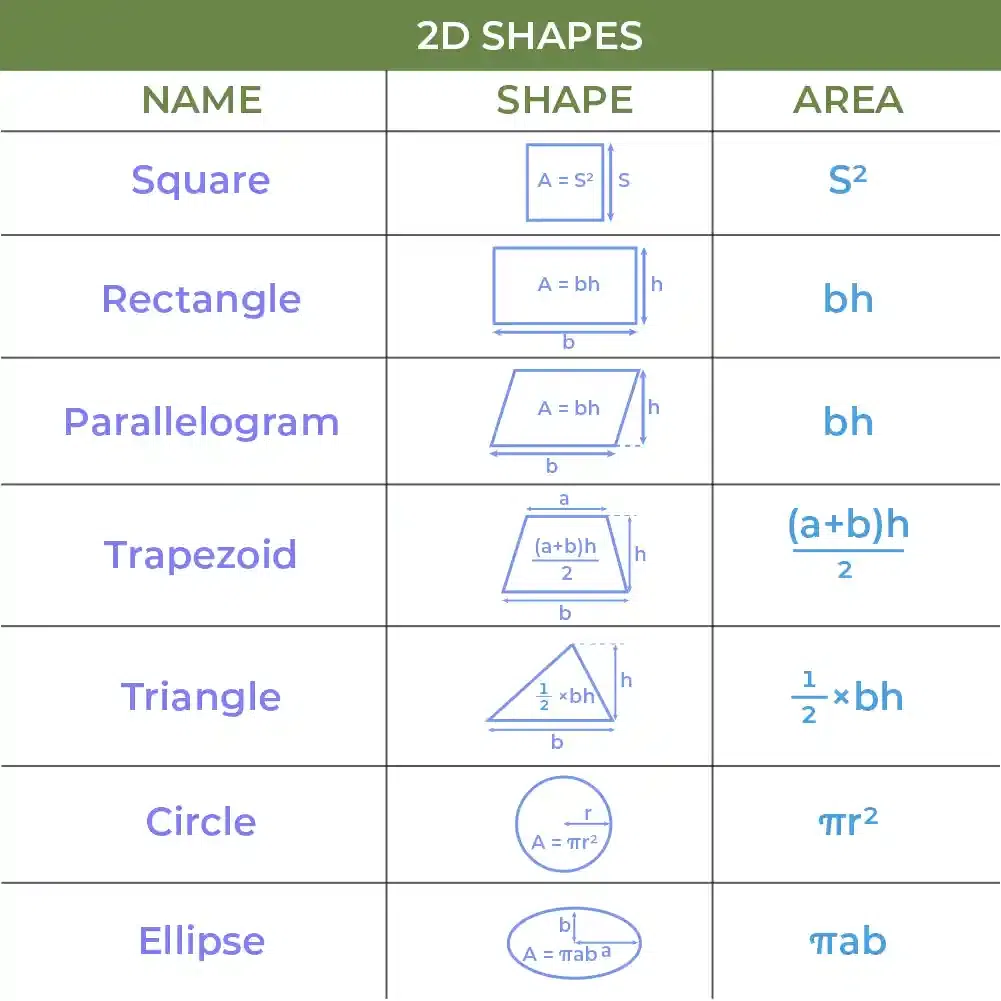
Theoretical vs. Estimated Probability
{"left":"Calculated from known outcomes\nBased on mathematical reasoning\nExample: P(heads) = 1/2\nAlways the same for fair objects","right":"Calculated from actual experiments\nBased on collected data\nExample: 7 heads in 10 flips = 7/10\nChanges with each experiment"}

Quick Check: What's the Probability?
Rolling an even number on a standard die? Drawing a red card from a deck? Spinning blue on a spinner with 3 equal sections (red, blue, green)?

Design Your Own Experiment
Work in pairs to create a probability experiment List your sample space Predict the theoretical probability Conduct 20 trials and calculate estimated probability Compare your results!
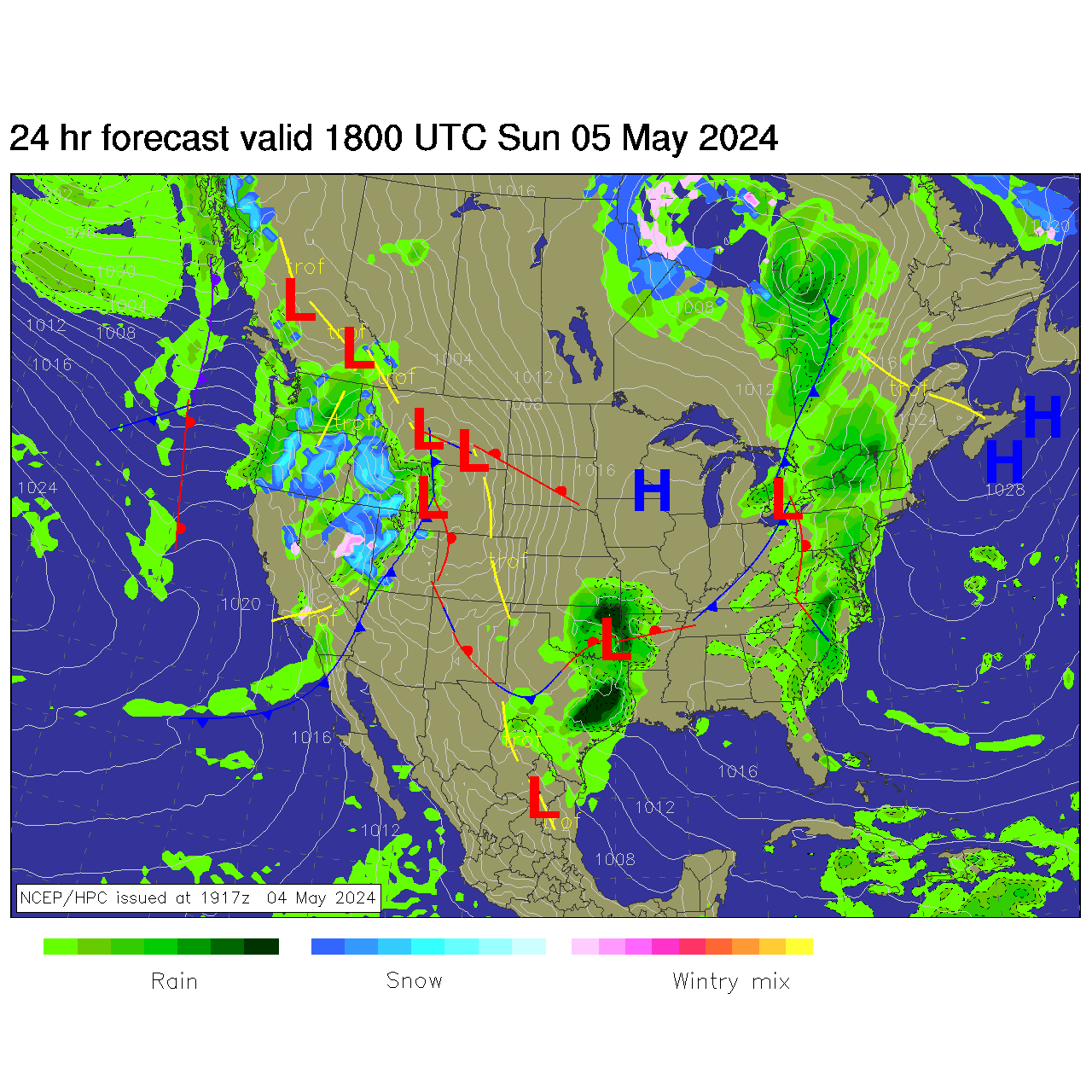
Probability in Real Life
"In God we trust. All others must bring data." - W. Edwards Deming Weather forecasts, sports statistics, medical research, and games all use probability to help us make better decisions.