Human Body Systems Interactions
Regulation, Absorption, Reproduction, and Defense Year 12 Biology Understanding System Integration
Learning Objectives
Analyze interactions among regulatory systems Understand nutrient absorption coordination Explore reproductive system integration Examine defense mechanisms against injury and illness Apply knowledge to real-world scenarios
What is System Integration?
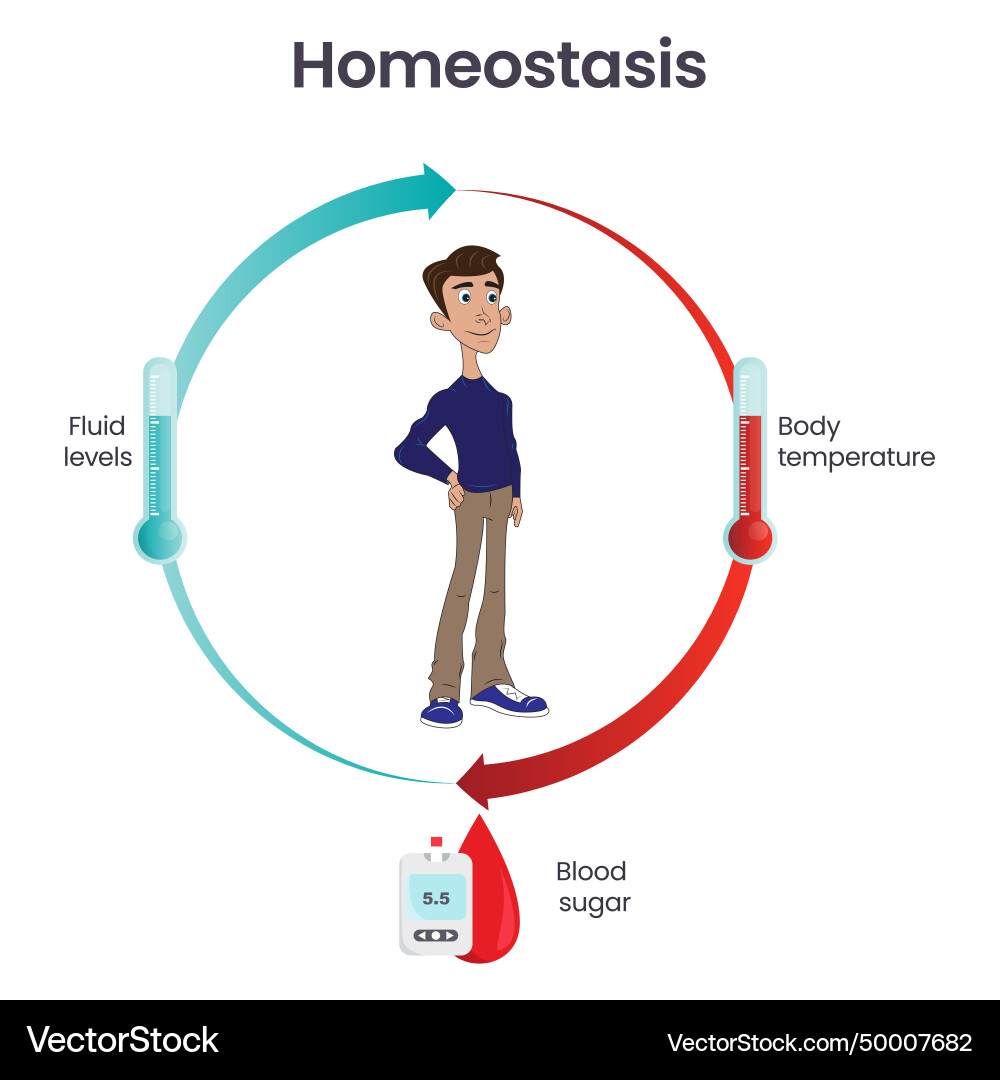
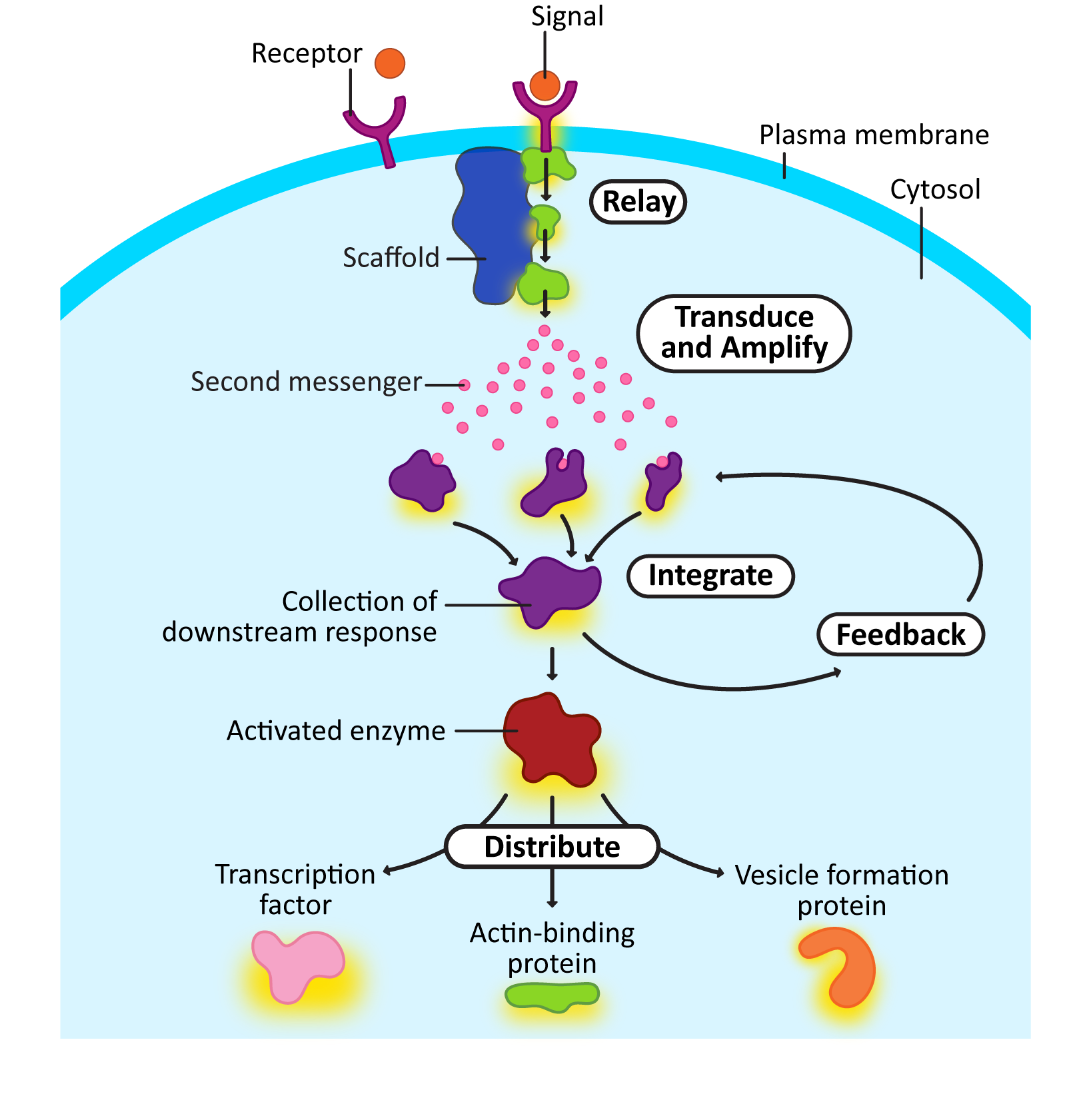
Systems work together, not independently Communication through chemical and electrical signals Coordinated responses to internal and external changes Maintains homeostasis and optimal function

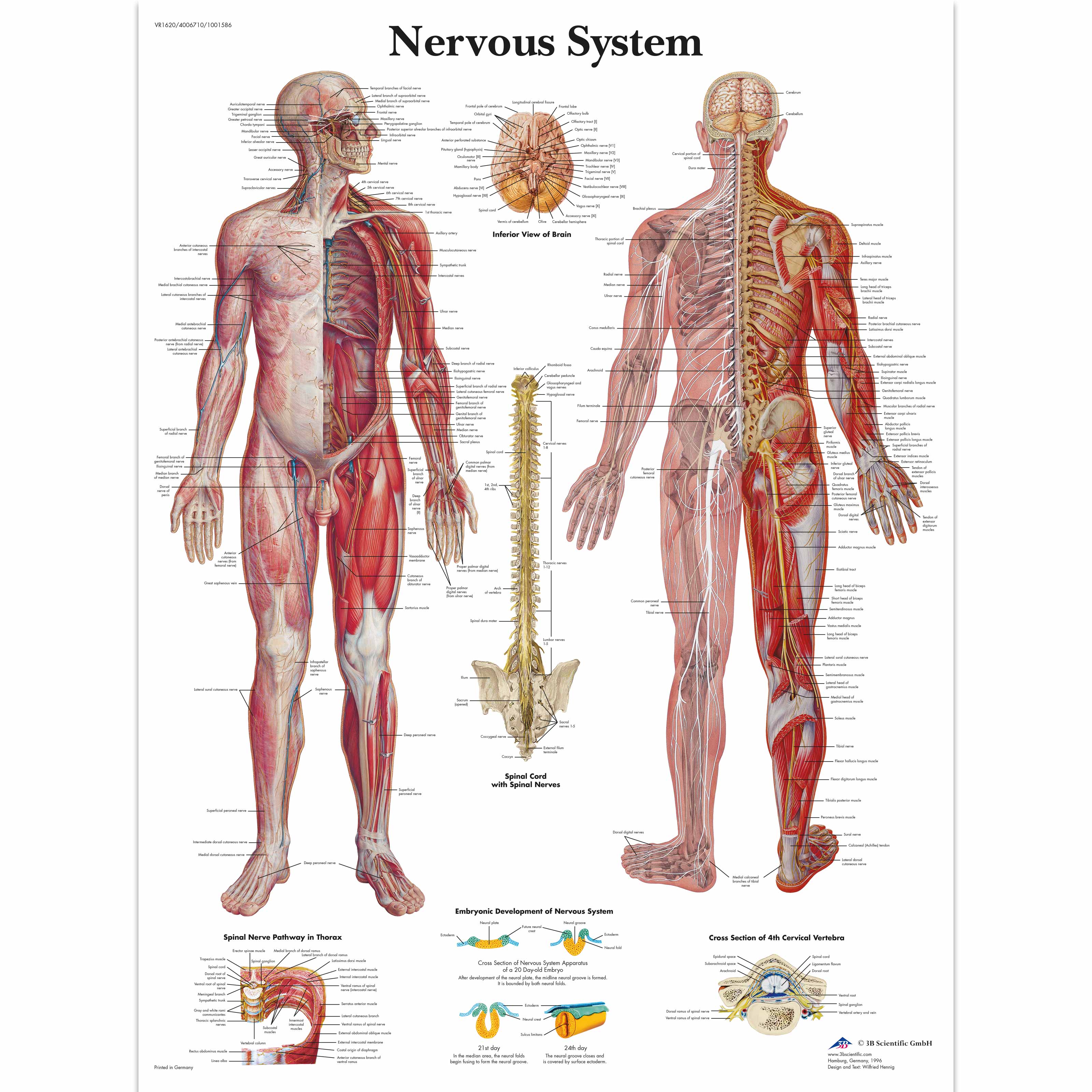
Regulation Systems Overview
{"left":"Nervous System: Electrical signals, rapid responses, controls voluntary and involuntary actions","right":"Endocrine System: Chemical messengers (hormones), slower but longer-lasting effects, regulates growth and metabolism"}

Blood Pressure Regulation Activity
Work in pairs to trace the pathway Scenario: Student stands up quickly from lying down Map the systems involved in preventing dizziness Include: baroreceptors, nervous system, heart, blood vessels
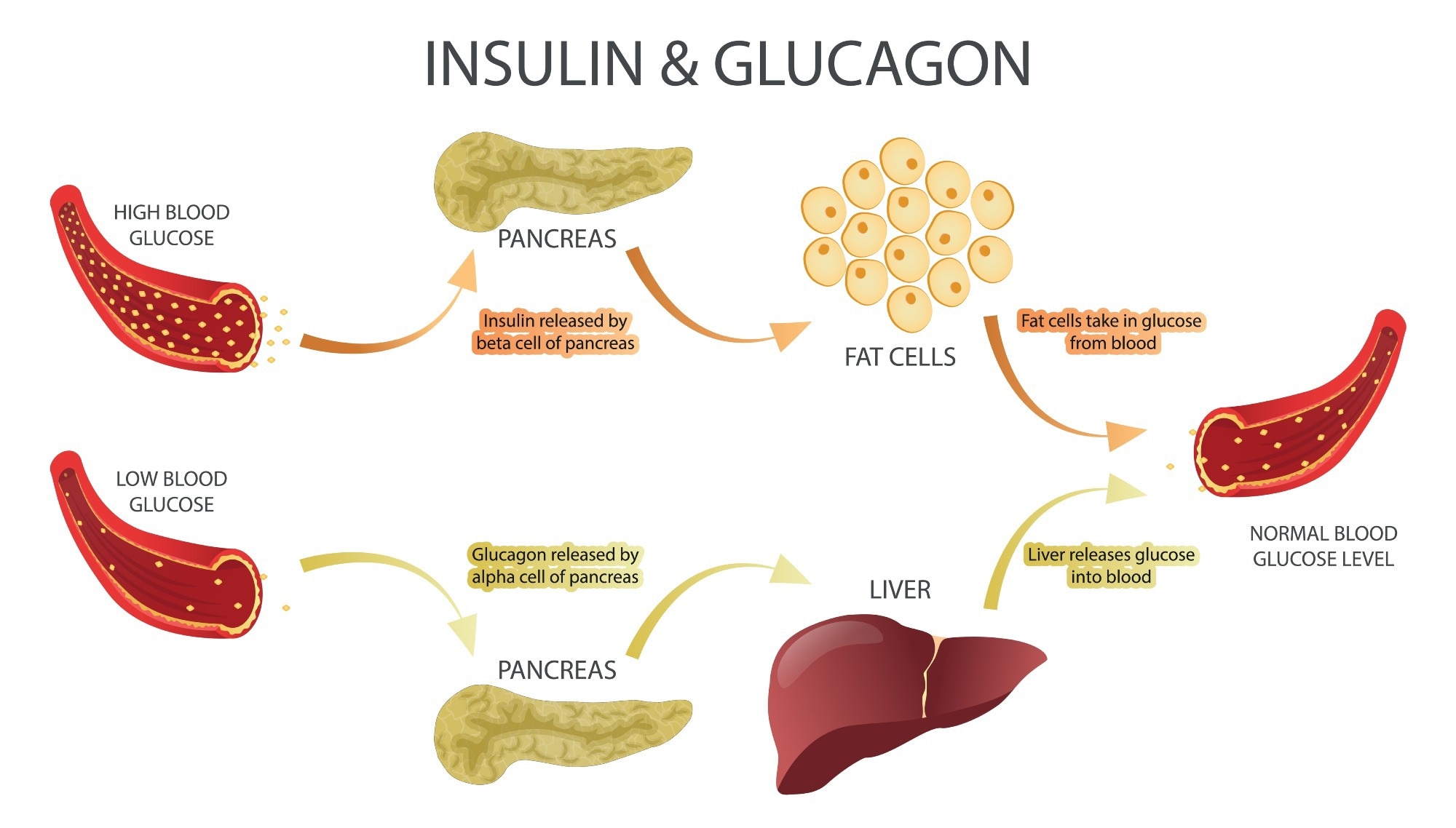
Glucose Homeostasis Pathway

Temperature Regulation Integration
Hypothalamus acts as thermostat Nervous system detects temperature changes Circulatory system redistributes heat Muscular system generates heat through shivering Integumentary system controls heat loss
Critical Thinking Challenge
A person experiences food poisoning Which body systems interact to respond? How do they coordinate the response? What would happen if one system failed?
Defense System Interactions
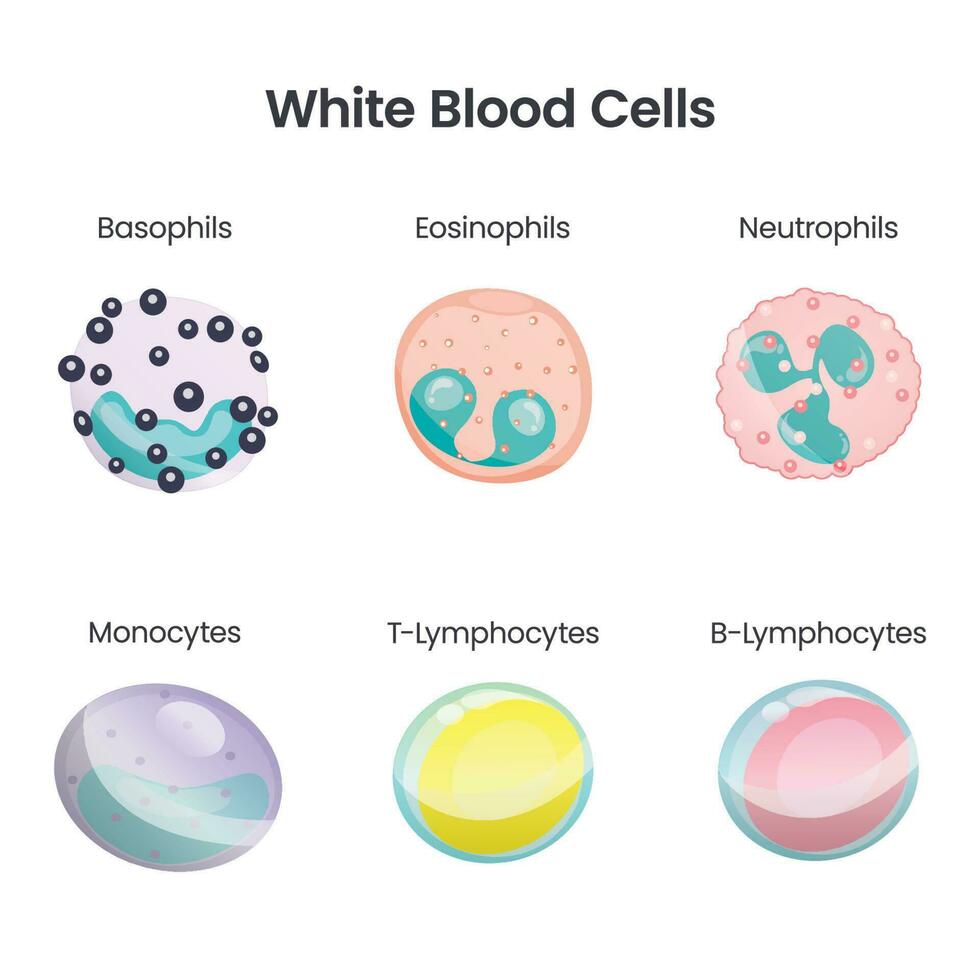
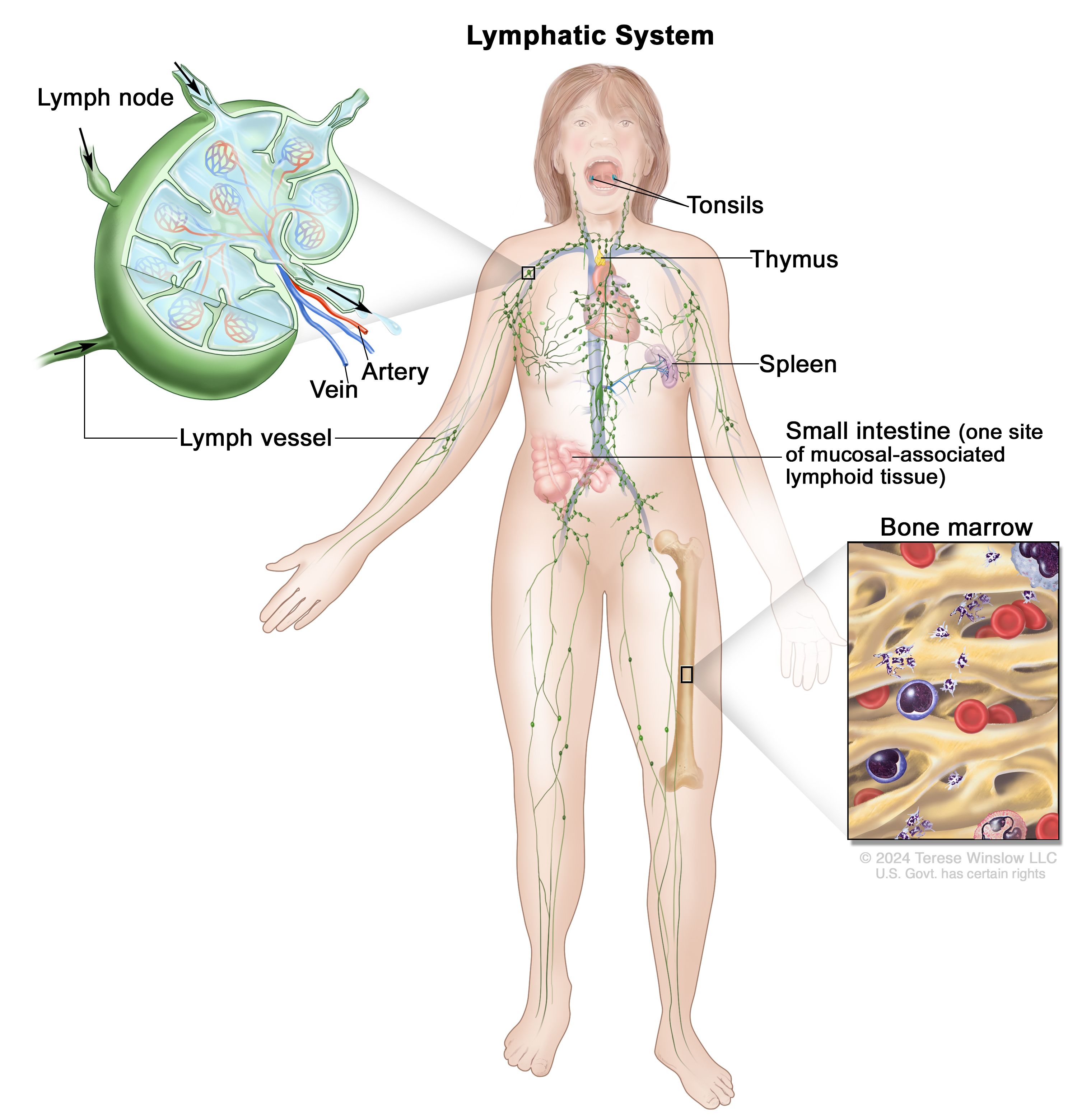
Physical barriers: skin, mucous membranes Chemical barriers: stomach acid, enzymes Cellular responses: white blood cells, inflammation Coordinated by nervous and endocrine systems Memory formation for future protection
Key Takeaways
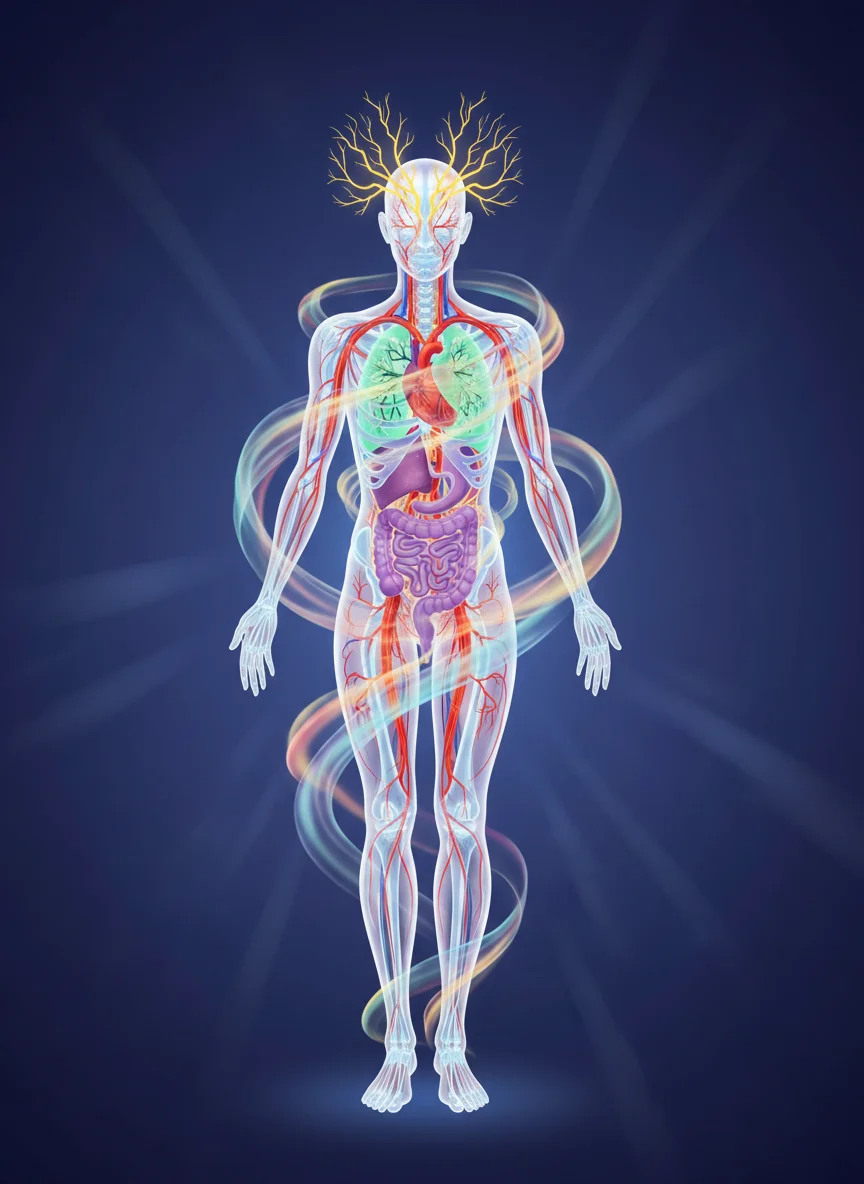
No body system works in isolation Communication is essential for coordination Feedback loops maintain homeostasis System integration enables complex responses Understanding interactions helps explain health and disease