
Identifying Theme and Literary Elements
Grade 7 English Language Arts Understanding the deeper meaning in literature Exploring how authors craft their messages
I Can Identify Theme in Literature
I can determine the theme or central message of a story I can explain how theme is conveyed through story details I can provide an objective summary that includes the theme I can distinguish between theme and plot

Theme Detective Activity
Read the short passage provided Identify one clear theme you notice Find 2-3 specific details that support this theme Be ready to share your findings with the class
:max_bytes(150000):strip_icc()/GettyImages_170955996-56a794ec5f9b58b7d0ebe594.jpg)
Understanding Tone and Mood
Tone: The author's attitude toward the subject Mood: The feeling the reader experiences Word choice creates both tone and mood Figurative language enhances emotional impact
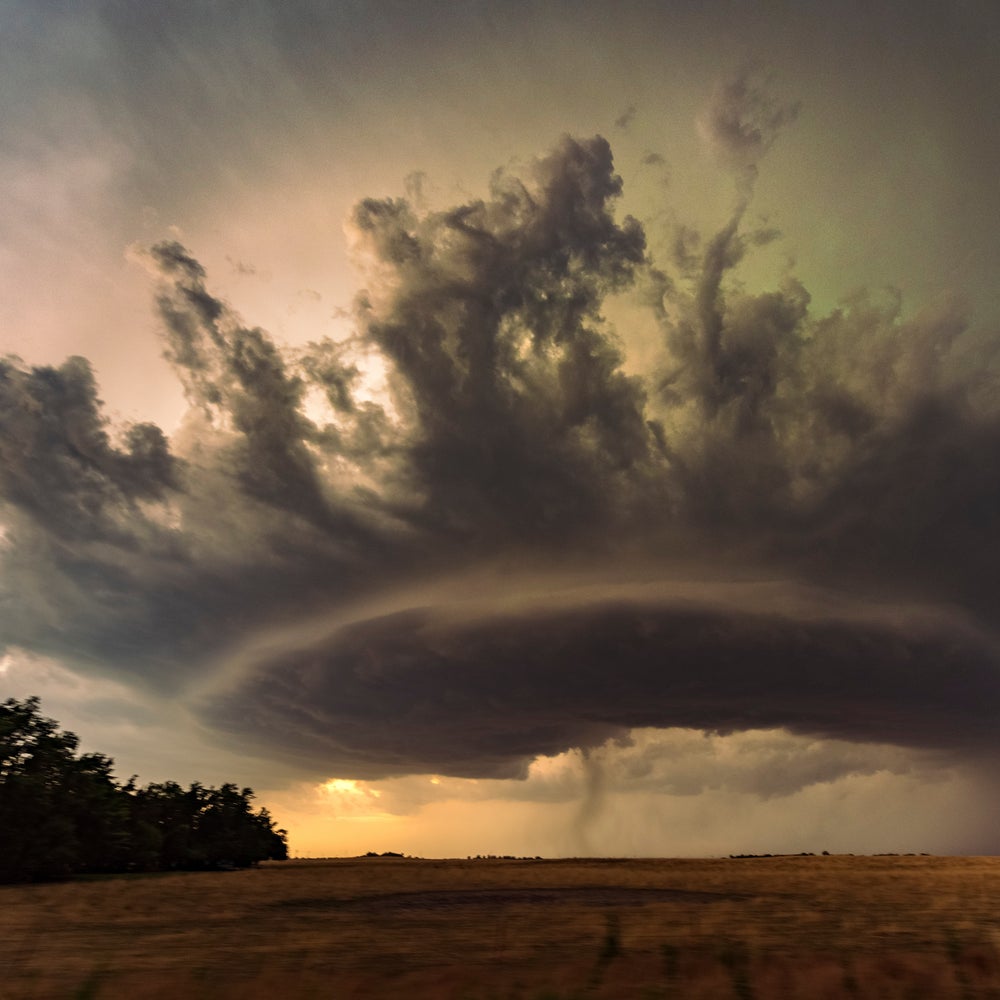
Quick Check: Tone vs. Mood
If an author writes 'The storm clouds gathered ominously overhead,' what tone are they creating? How does this sentence make you feel as a reader? What words create this effect?

Types of Conflict in Stories
{"left":"Internal Conflict: Character vs. Self (inner struggles, decisions, emotions)\nExternal Conflict: Character vs. Character (arguments, fights, disagreements)","right":"Character vs. Nature (storms, animals, natural disasters)\nCharacter vs. Society (fighting unfair rules, standing up for beliefs)"}

Conflict Identification Challenge
Work with a partner to read the story excerpt Identify the main conflict(s) present Determine if it's internal or external conflict Explain how this conflict affects the plot Share one example with the class

Success Criteria & Next Steps
✓ I can identify theme and support it with text evidence ✓ I can recognize author's tone through word choice ✓ I can distinguish between different types of conflict ✓ I can explain how literary elements work together Tomorrow: We'll practice writing about themes using appropriate tone