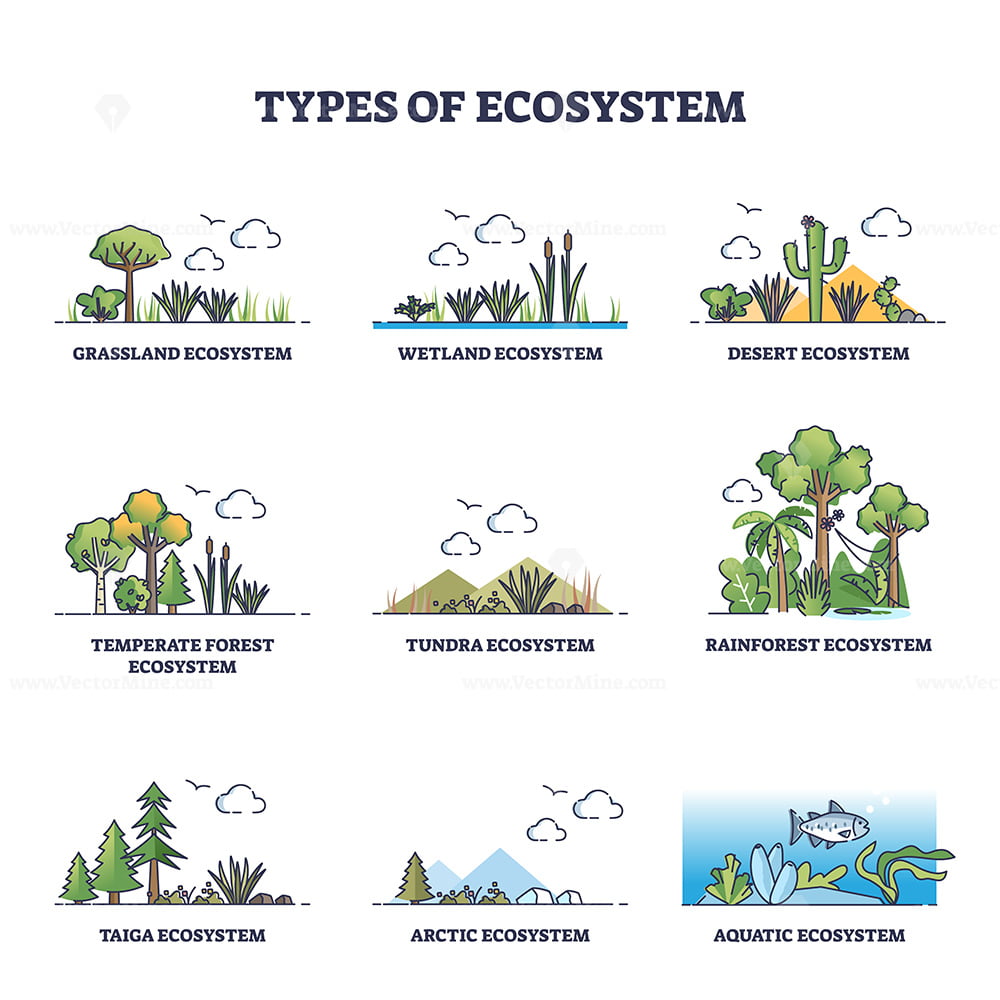
Interdependence: Organisms and Their Environment
Understanding how living things depend on each other Exploring ecosystem connections Grade 9-10 Biology
Think About It
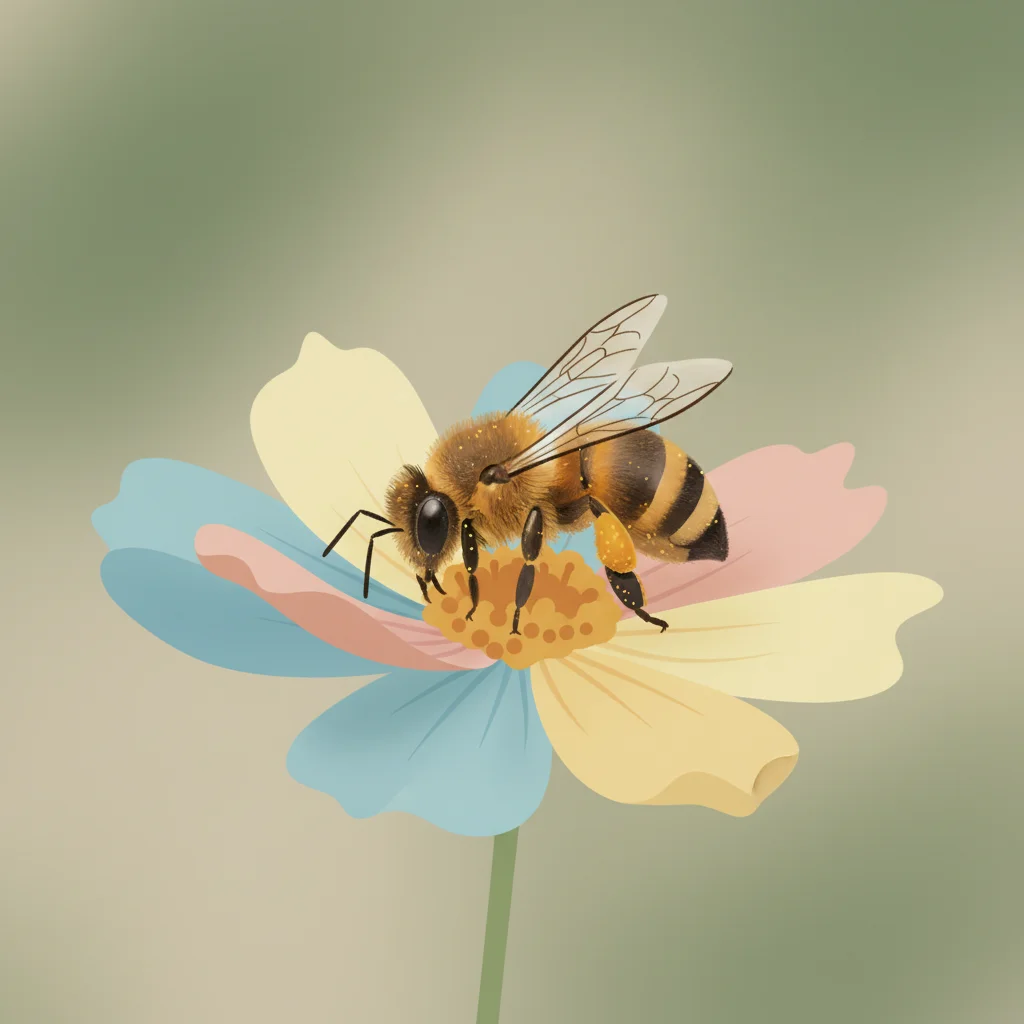
What would happen if all the bees disappeared from Earth? How might this affect other organisms? What connections can you think of?

What is Interdependence?
Mutual reliance between organisms Living things depend on each other for survival Includes relationships with the physical environment Creates complex webs of connection
Types of Interdependence
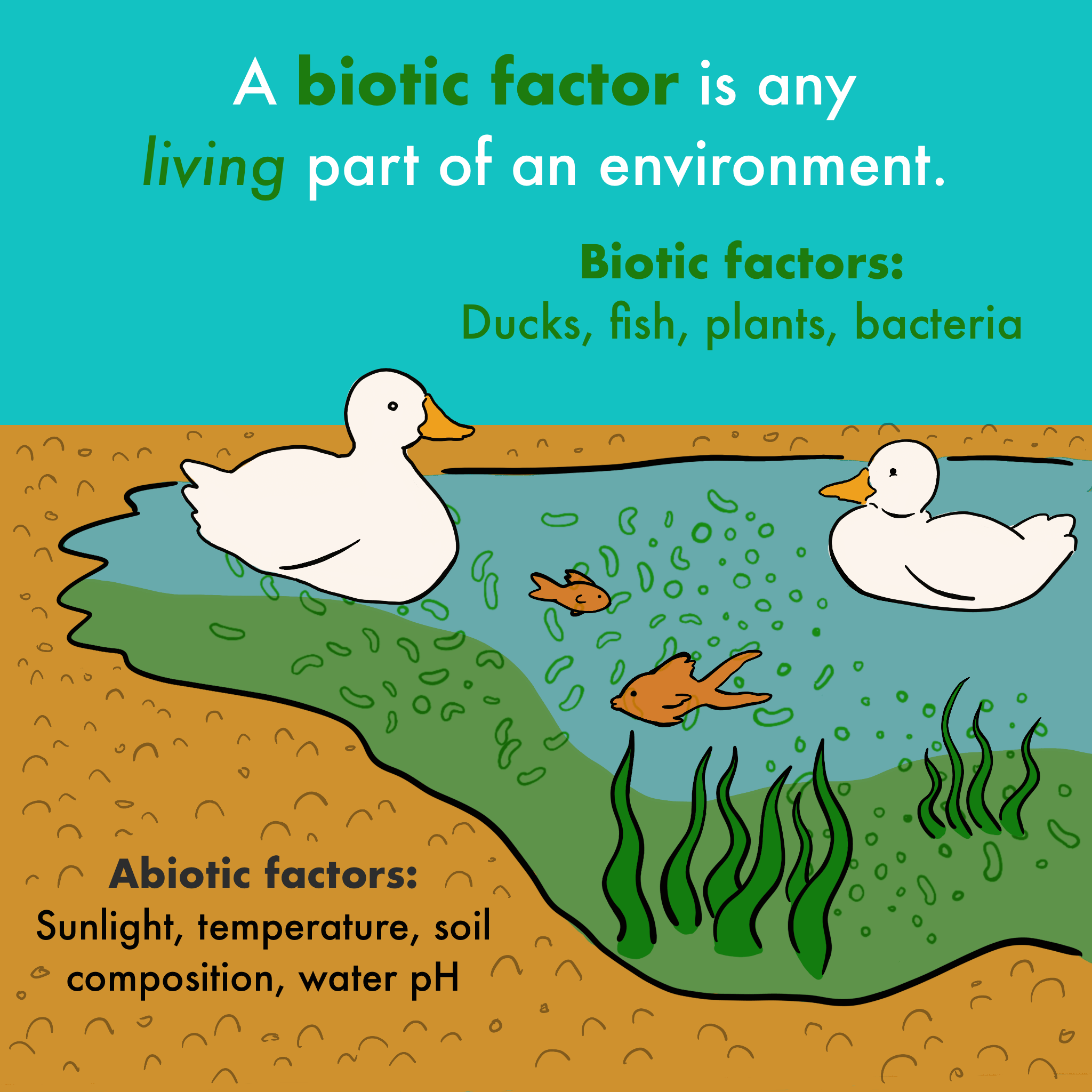
{"left":"Biotic Factors: Living components like plants, animals, bacteria, fungi","right":"Abiotic Factors: Non-living components like water, air, soil, temperature, sunlight"}

Symbiotic Relationships
Mutualism: Both organisms benefit Commensalism: One benefits, other unaffected Parasitism: One benefits, other is harmed Examples found throughout nature
Food Web Construction
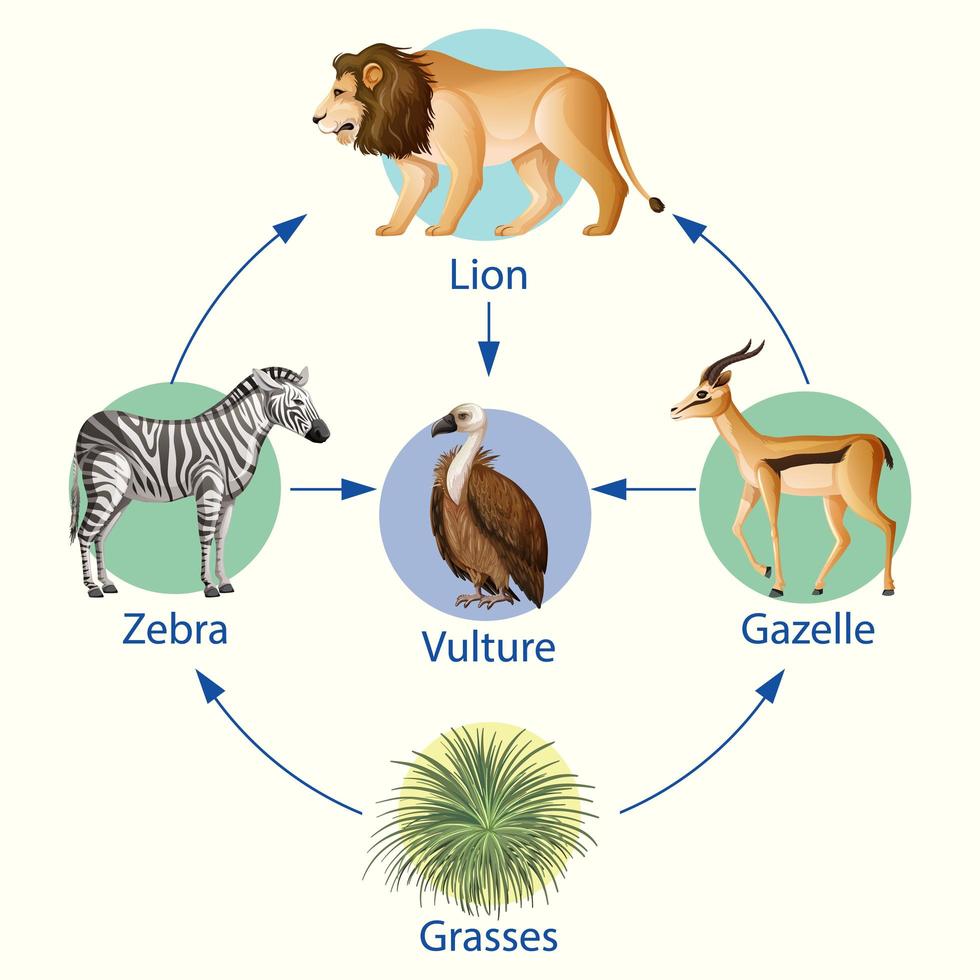
Work in groups of 3-4 Choose an ecosystem (forest, ocean, grassland) Identify 8-10 organisms in your ecosystem Draw arrows showing energy flow Present your food web to the class
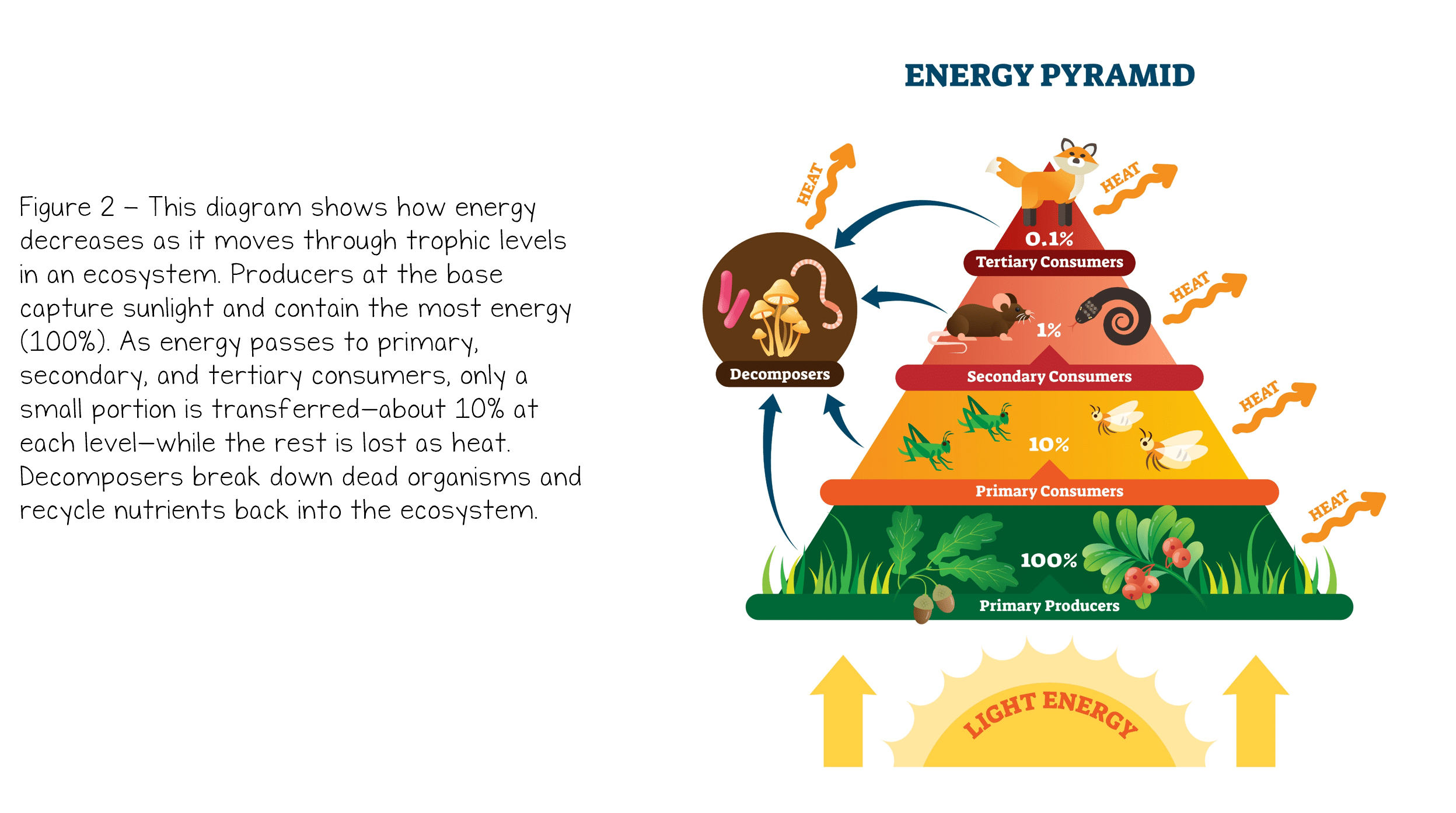
Energy Flow in Ecosystems
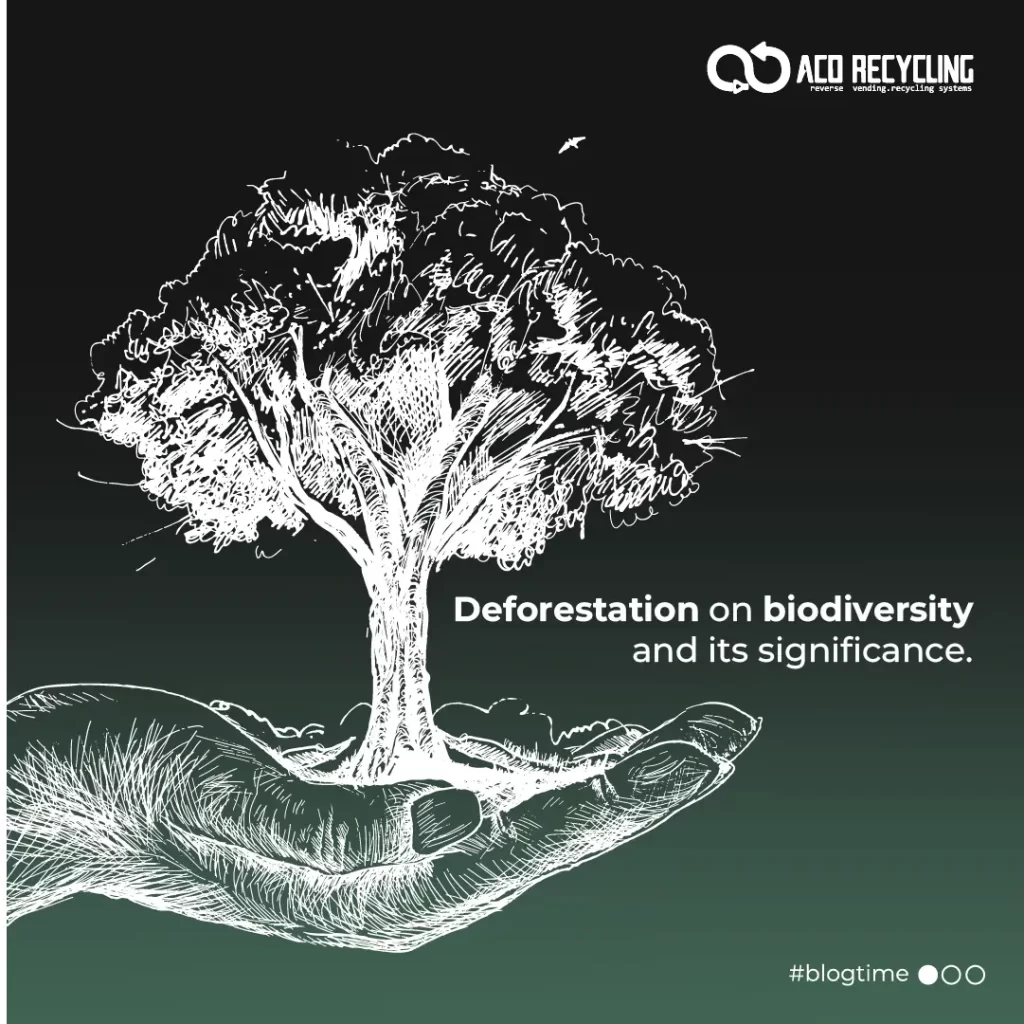
Human Impact on Interdependence
Habitat destruction breaks food webs Pollution affects multiple species Climate change alters relationships Invasive species disrupt balance Conservation efforts can restore connections
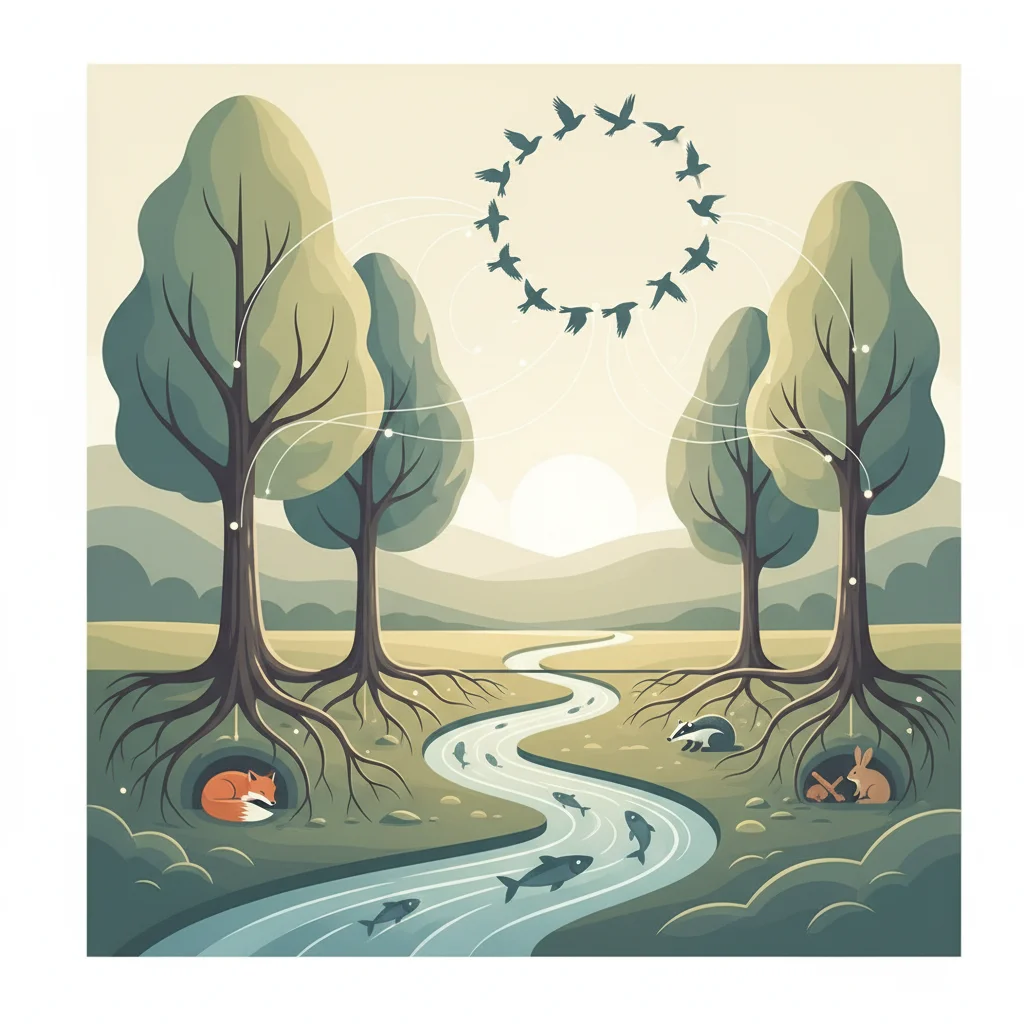
Ecosystem Thinking
"In every walk with nature, one receives far more than they seek. Everything is connected to everything else." - John Muir, adapted
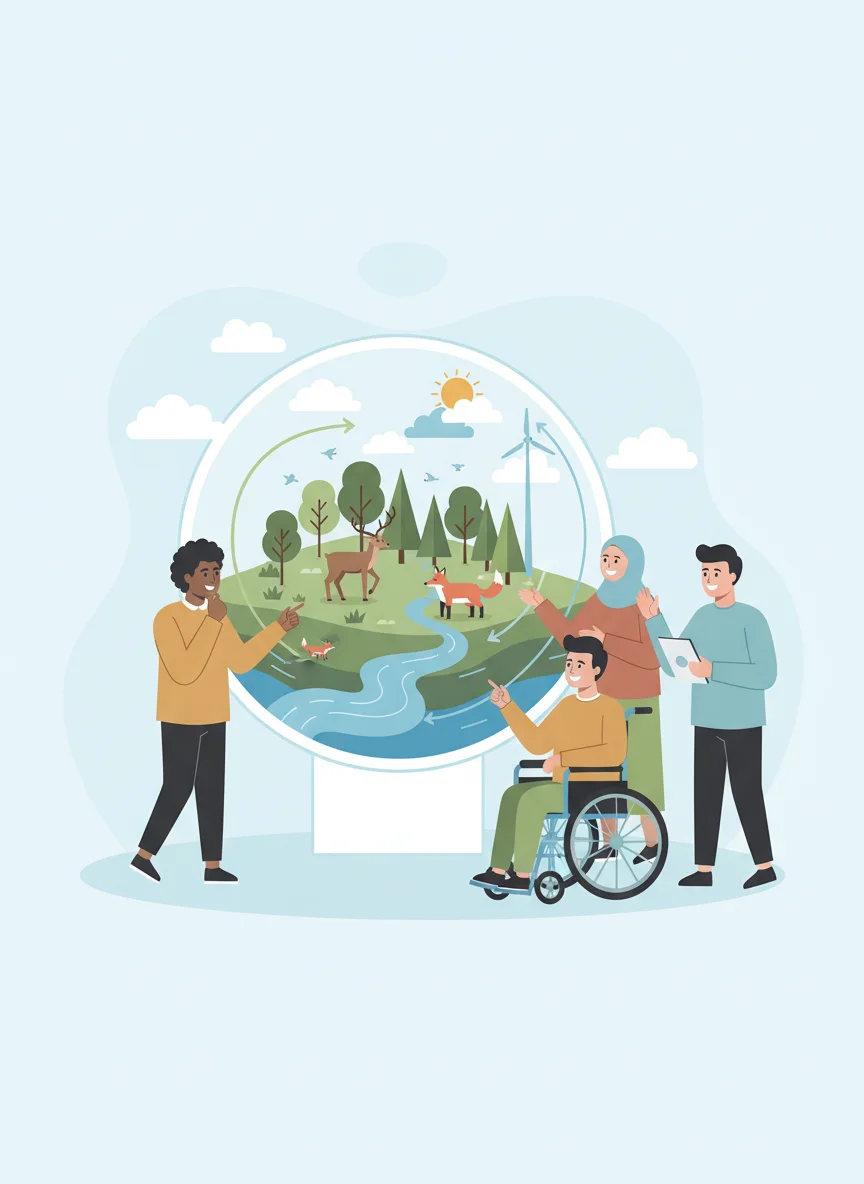
Key Takeaways
All organisms depend on each other for survival Changes to one species affect the entire ecosystem Humans are part of these interconnected systems Understanding interdependence helps us make better environmental decisions Small actions can have big ecological impacts