Topic: Understanding Collective Action for Change Lesson 1 of 10 Teacher Mr. M. Moore
History/ Social Studies Teacher Mr. M. Moore

Think About It
Have you ever wanted to change something important but felt powerless? How do you think people in history organized to make change happen?
What is a Social Movement?
A social movement is an organized, collective effort by a group of people to bring about social, political, or cultural change Key characteristics: organized, sustained over time, involves many people, aims for specific change Examples: Civil Rights Movement, Women's Suffrage, Labor Movement
Types of Social Movements

Group Classification Activity
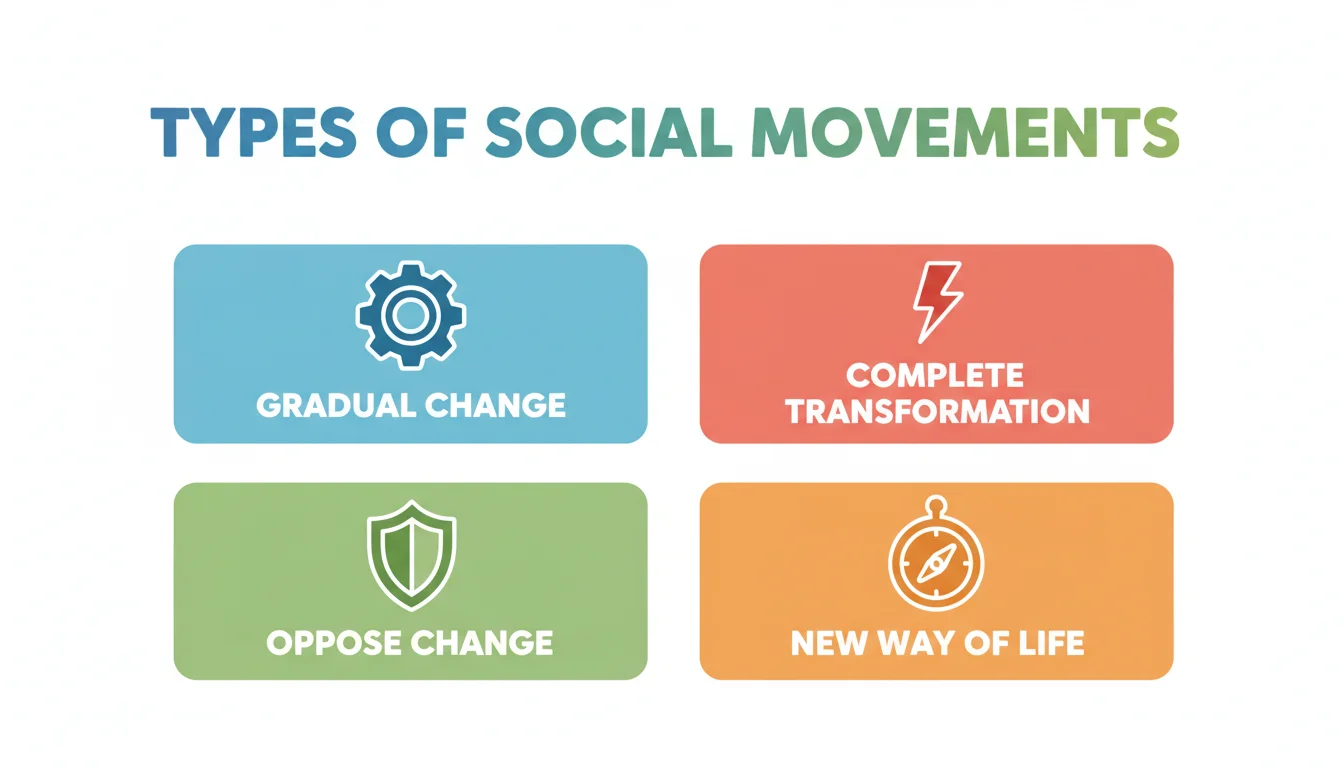
Work in groups of 2-3 students Each group receives excerpts about different social movements Classify your movements by type: Reform, Revolutionary, Resistance, or Alternative Create a chart showing: Movement name, Type, Goals, and Impact
Historical Impact of Social Movements
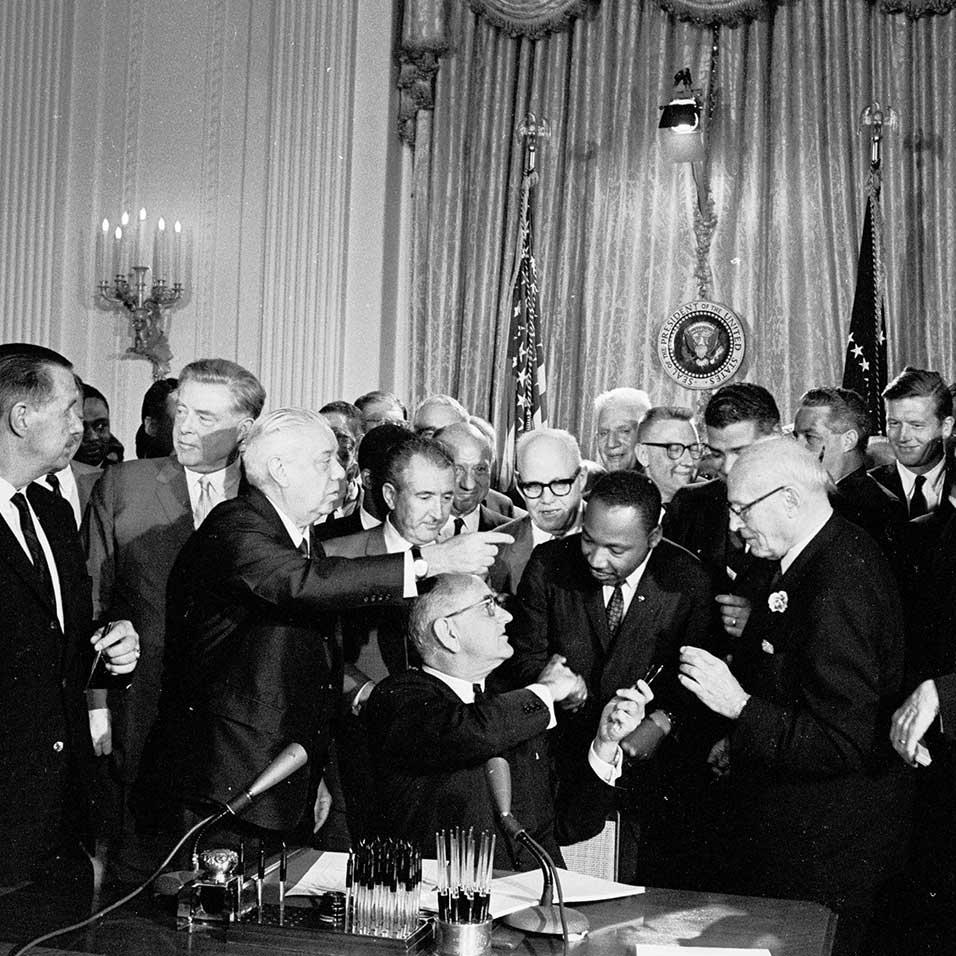
{"left":"Changed laws and policies\nExpanded voting rights\nImproved working conditions\nAdvanced civil rights","right":"Influenced culture and values\nInspired future movements\nCreated lasting institutions\nShifted public opinion"}

Critical Thinking- Write It Out
How do social movements impact laws, culture, and individual rights? What evidence from today's readings supports your answer? Are the changes from social movements always permanent? Why or why not?
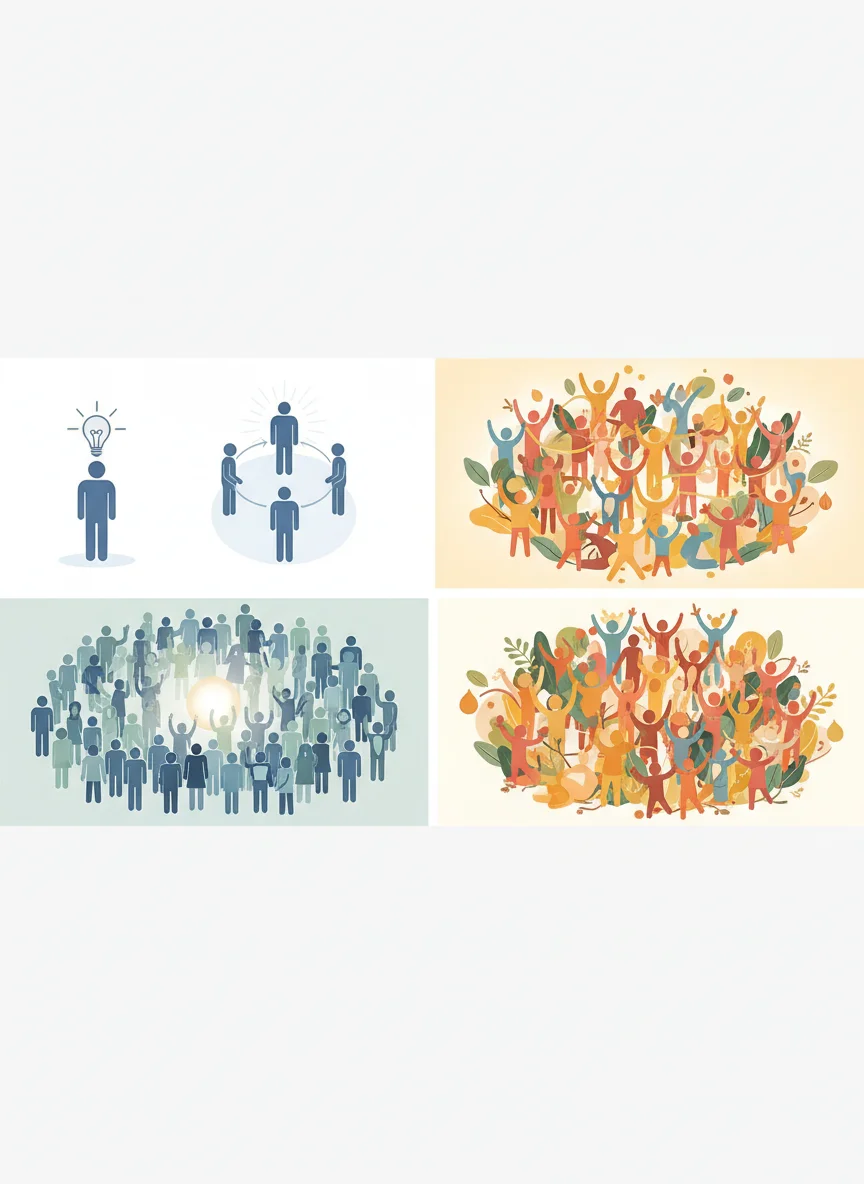
Why Social Movements Matter
Democracy depends on citizen participation They give voice to marginalized groups Create pathways for peaceful change Prevent social stagnation Inspire individual action and civic engagement

Homework Assignment
Research one social movement from the 20th century Create a one-page summary with key facts Include: goals, methods, leaders, and outcomes Examples: Civil Rights, Women's Suffrage, Labor Rights Due next class - be ready to share findings