Israel-Hezbollah Conflict: U.S. Foreign Policy
Understanding Modern International Relations Critical Analysis of Foreign Policy Decisions

Learning Objectives
Analyze primary and secondary sources about the conflict Evaluate multiple perspectives on causes and impacts Synthesize information into evidence-based arguments Present findings using historical reasoning
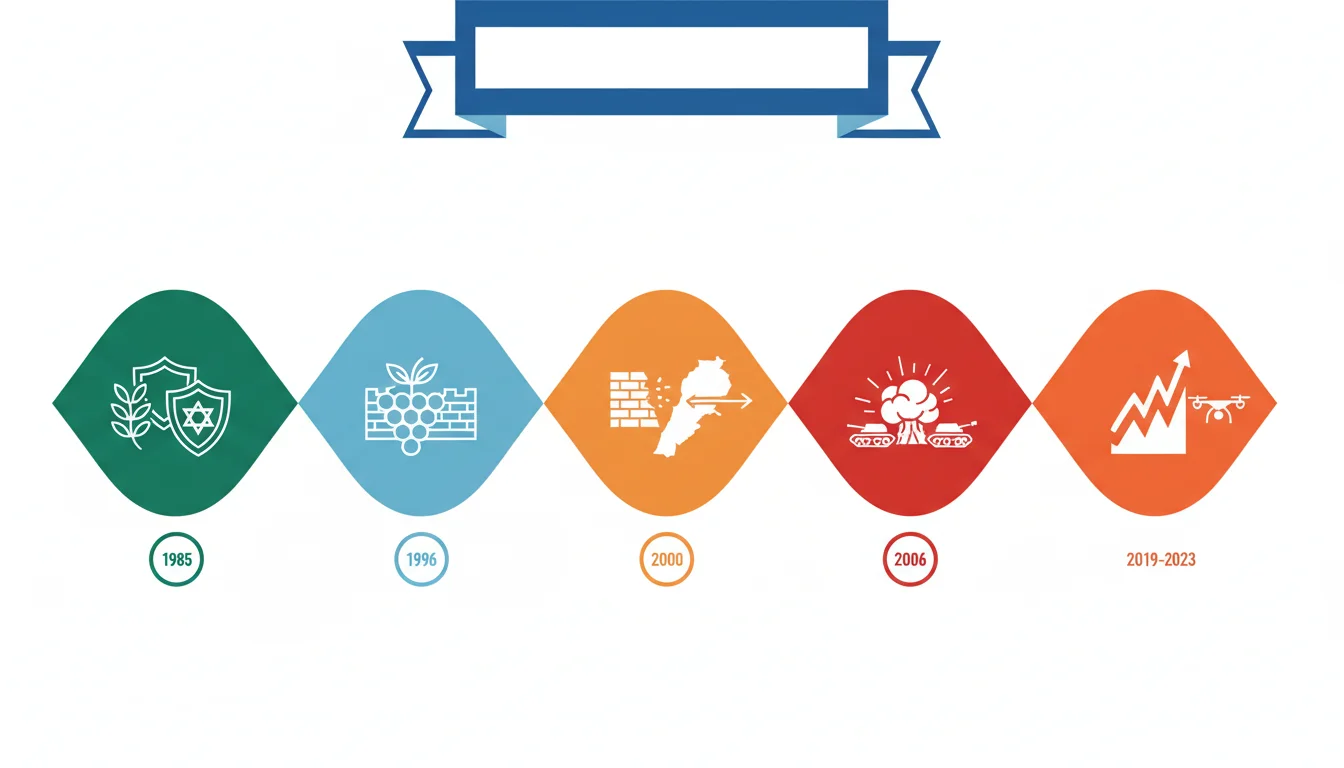
Historical Timeline: Israel-Hezbollah Relations

Key Players and Perspectives
{"left":"Israel: Democratic state seeking security from terrorist threats\nHezbollah: Shia militant organization and political party\nLebanon: Sovereign state with limited control over territory","right":"United States: Strategic ally supporting Israeli security\nIran: Regional power backing Hezbollah\nUnited Nations: International peacekeeping efforts"}

Document Analysis Activity
Work in pairs to analyze primary sources Identify author perspective and bias Extract main arguments and evidence Assess reliability and credibility

Critical Thinking Question
How do different perspectives on the Israel-Hezbollah conflict reflect broader challenges in U.S. Middle East foreign policy?
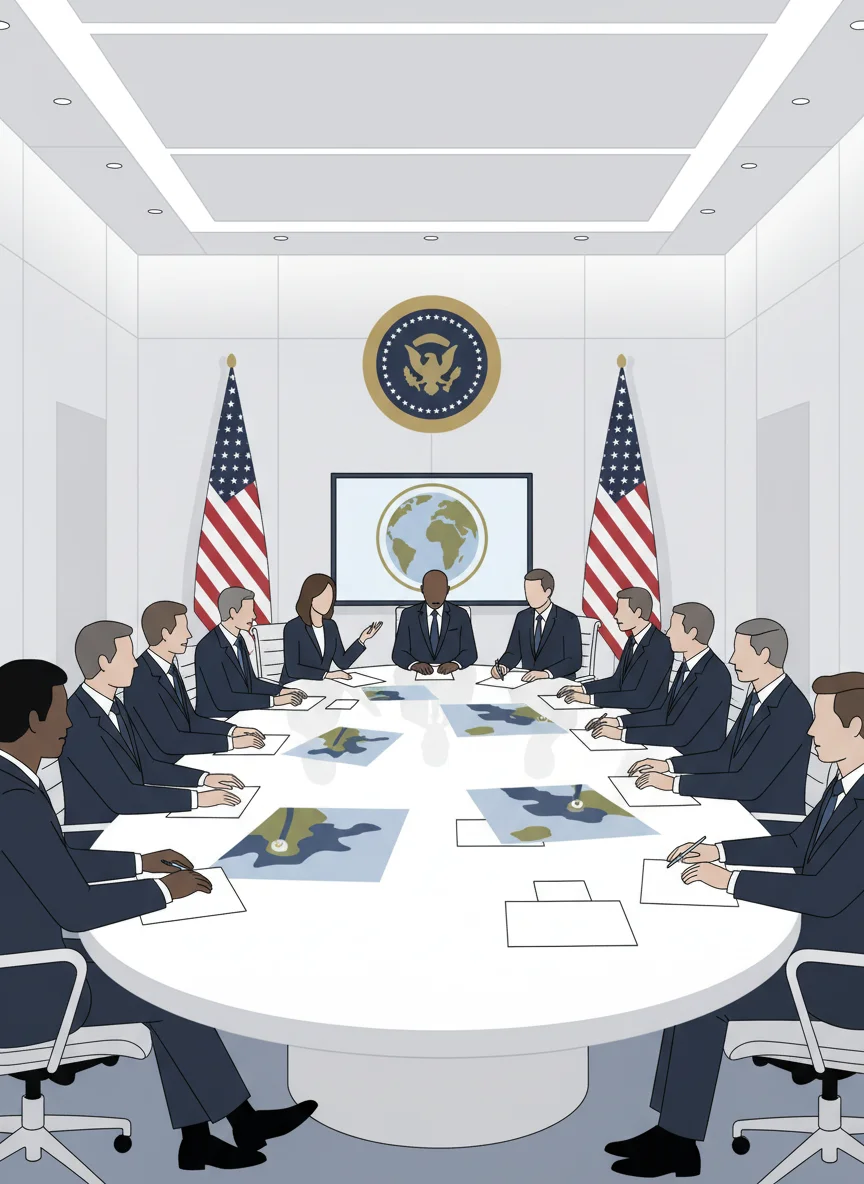
U.S. Foreign Policy Options
Continued military and diplomatic support for Israel Increased diplomatic engagement with Lebanon and regional actors Neutral humanitarian-focused approach Multilateral peacekeeping initiatives Economic sanctions and incentives
Interactive Policy Debate
Form three groups representing different policy positions Research and prepare evidence-based arguments Present opening statements and rebuttals Use peer assessment rubrics Focus on evidence, clarity, and reasoning

Writing Task: Policy Brief
Recommend a specific U.S. policy approach Cite at least three sources from today's materials Include introduction, evidence, counterarguments, conclusion Focus on clear organization and persuasive reasoning 1-2 pages, individual work

Reflection and Looking Forward
"Understanding complex international conflicts requires examining multiple perspectives and considering the human costs of policy decisions."
More US History slide decks
Other ready-to-teach us history decks for US classrooms.

Economics and Scarcity in Texas
Economics and Scarcity in Texas

Multiple Perspectives Shape Historical Understanding
Multiple Perspectives Shape Historical Understanding

Multiple Historical Views: Different Perspectives
Multiple Historical Views: Different Perspectives