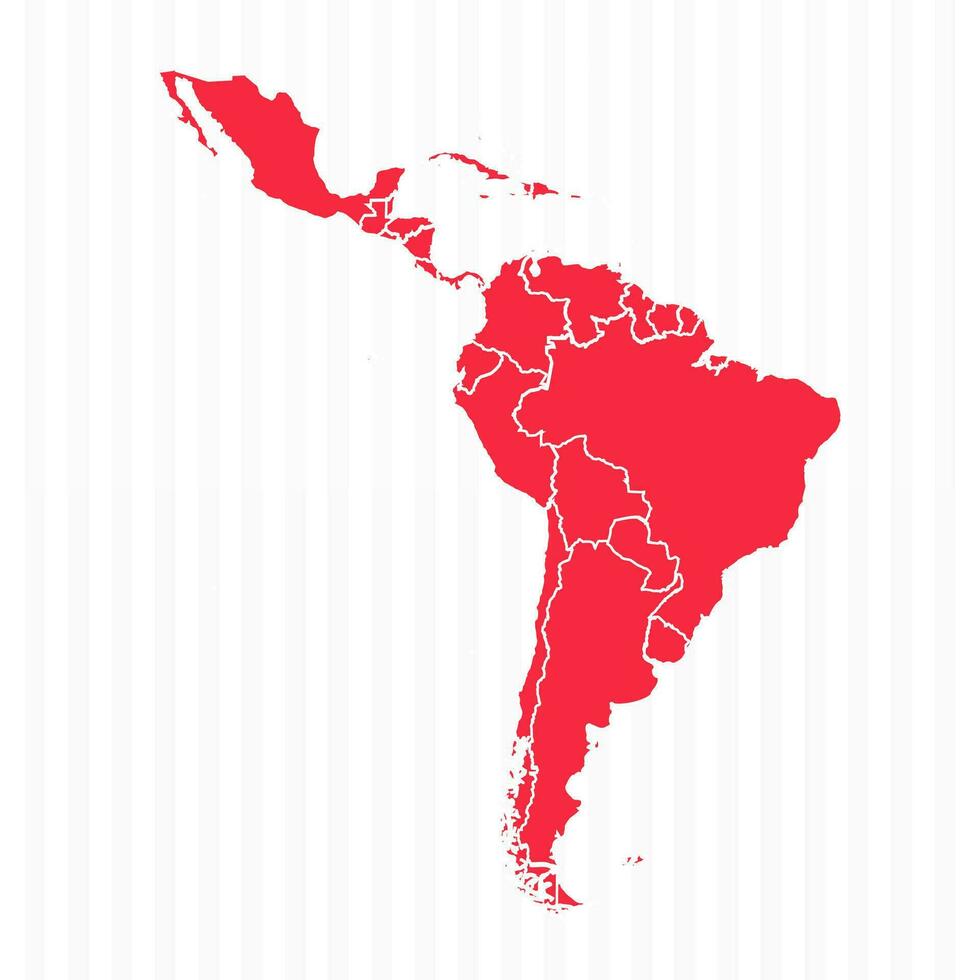
Latin American Cultural Blending Exploration
Understanding the Mix of Indigenous, African, and European Cultures Grade 9 Social Studies
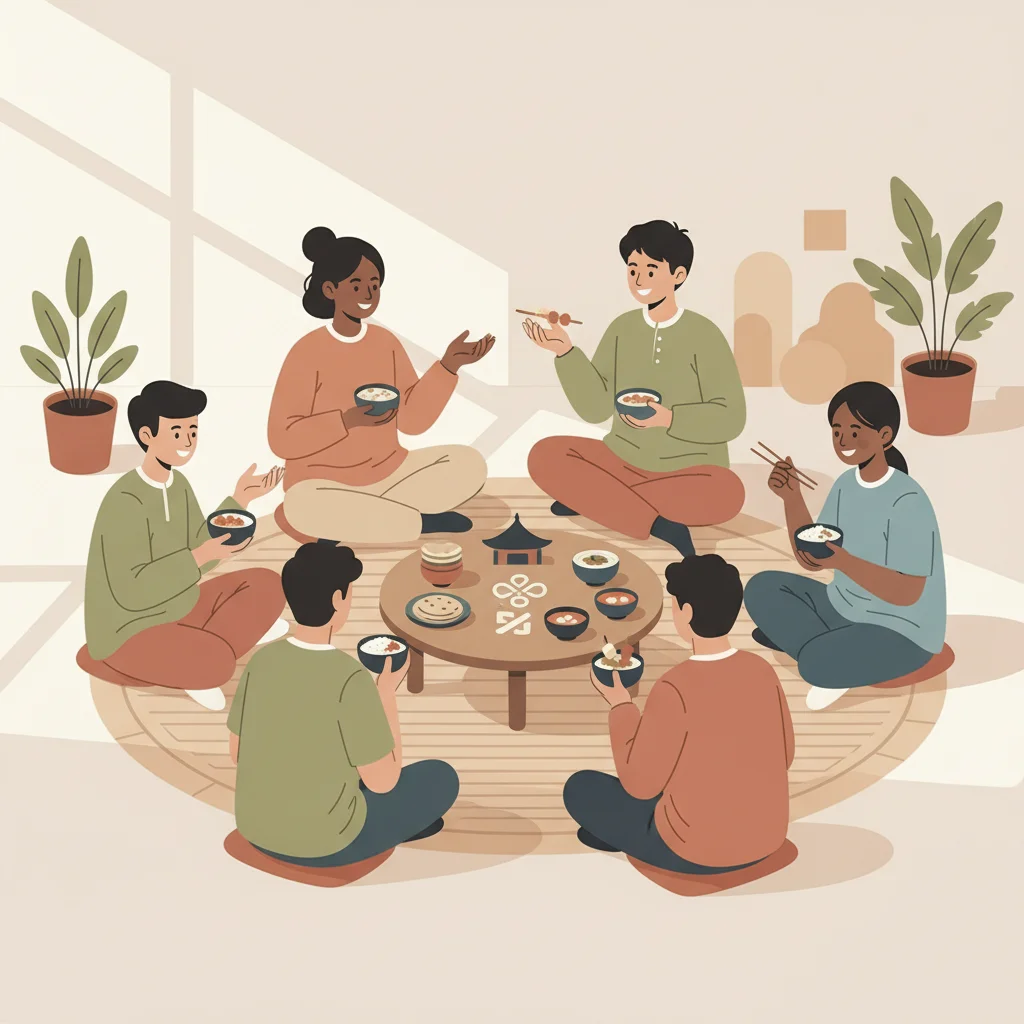
What Happens When Cultures Meet?
Think about your own family or community What traditions do you practice that might come from different cultures? How do cultures influence each other?
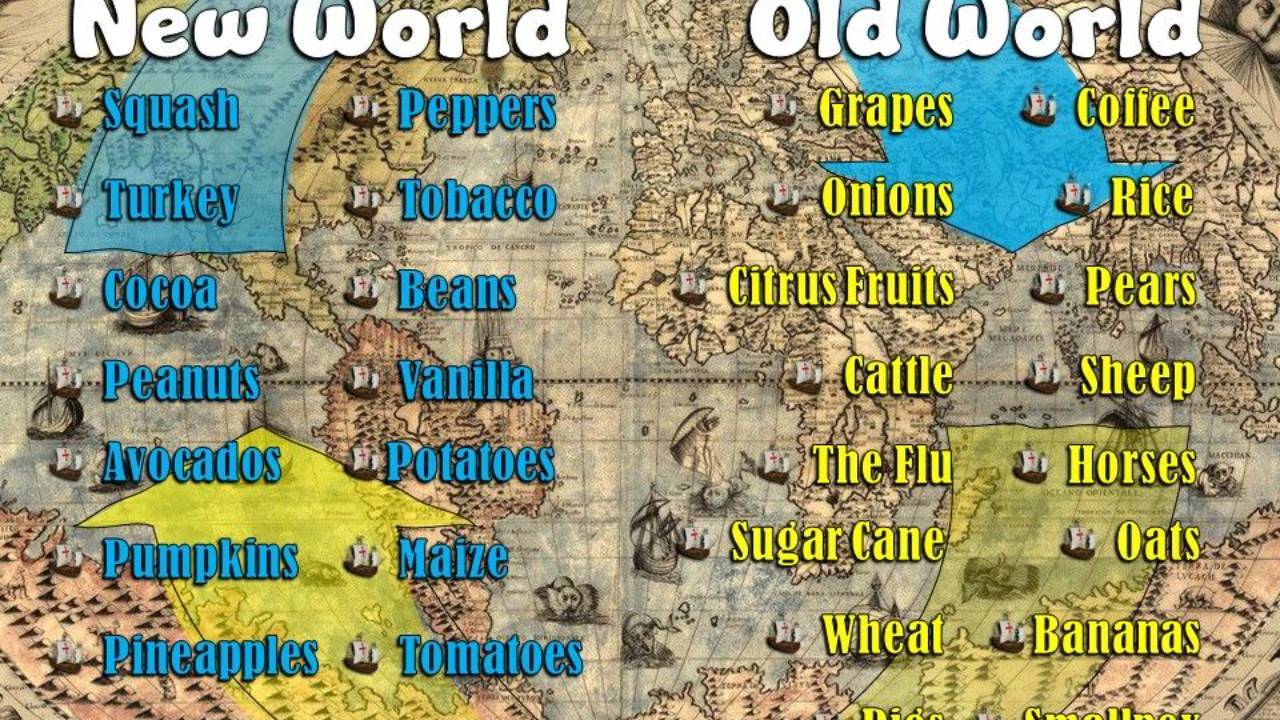
The Columbian Exchange: A Cultural Meeting Point

Indigenous Contributions: The Foundation
Original inhabitants with thousands of years of history Contributed languages (Quechua, Nahuatl, Guarani) Agricultural knowledge: corn, potatoes, tomatoes Religious and spiritual practices connected to nature Art, music, and storytelling traditions

African Influences: Strength Through Struggle
Brought through the tragic Atlantic slave trade Rich musical traditions: drums, rhythms, call-and-response Religious practices that blended with Christianity Culinary contributions: spices, cooking methods Oral traditions and storytelling Resistance and resilience in the face of oppression

European Impact: Language, Religion, and Government
Spanish and Portuguese became dominant languages Catholic Christianity spread throughout the region European architectural styles in cities and churches Legal and governmental systems European artistic and literary traditions Introduction of horses, cattle, and new crops
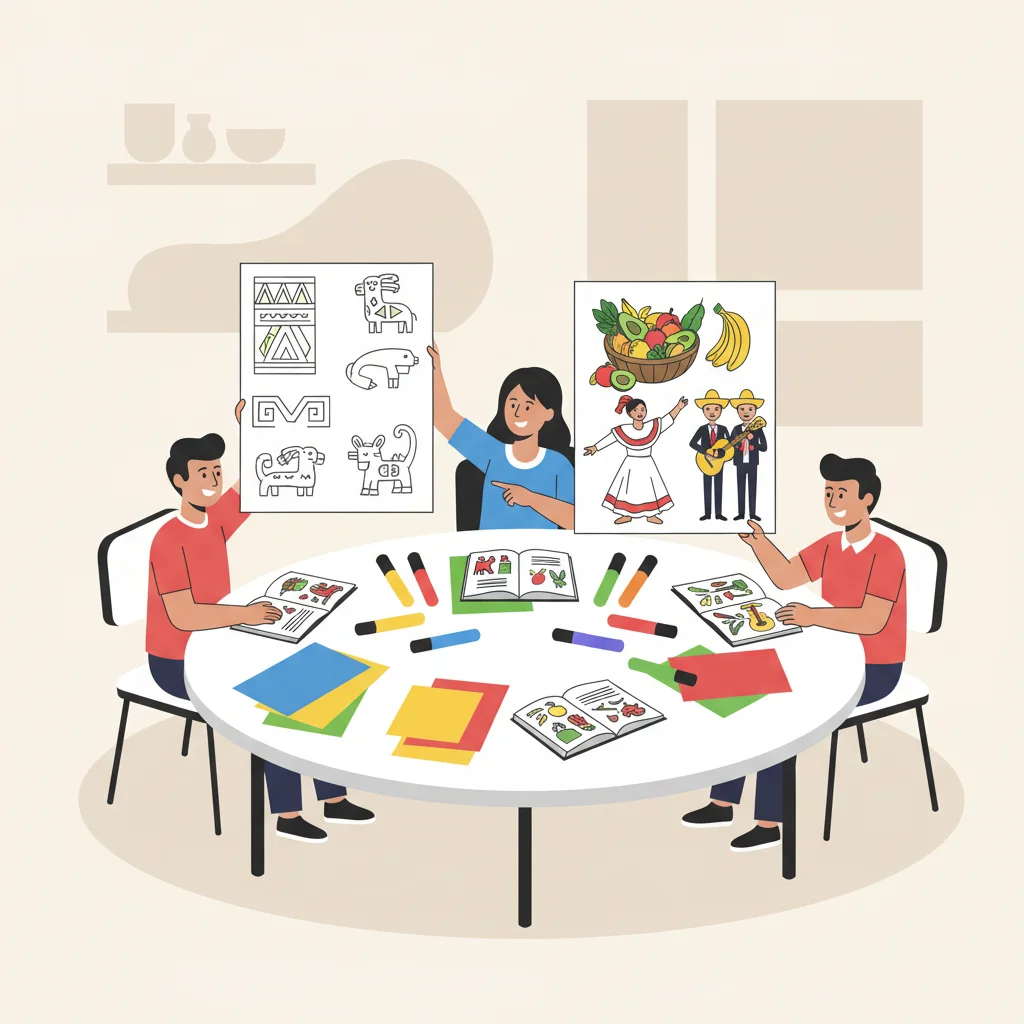
Cultural Blending in Action
Work in groups of 4-5 students Choose one aspect: Language, Religion, Music, or Food Create a poster showing how all three cultures contributed Include modern examples from Latin America Prepare a 2-minute presentation for the class

Cultural Blending Creates Something New
'Culture is not about one pure tradition, but about the creative mixing of different influences to create something uniquely beautiful.' - Modern Latin America shows us this every day