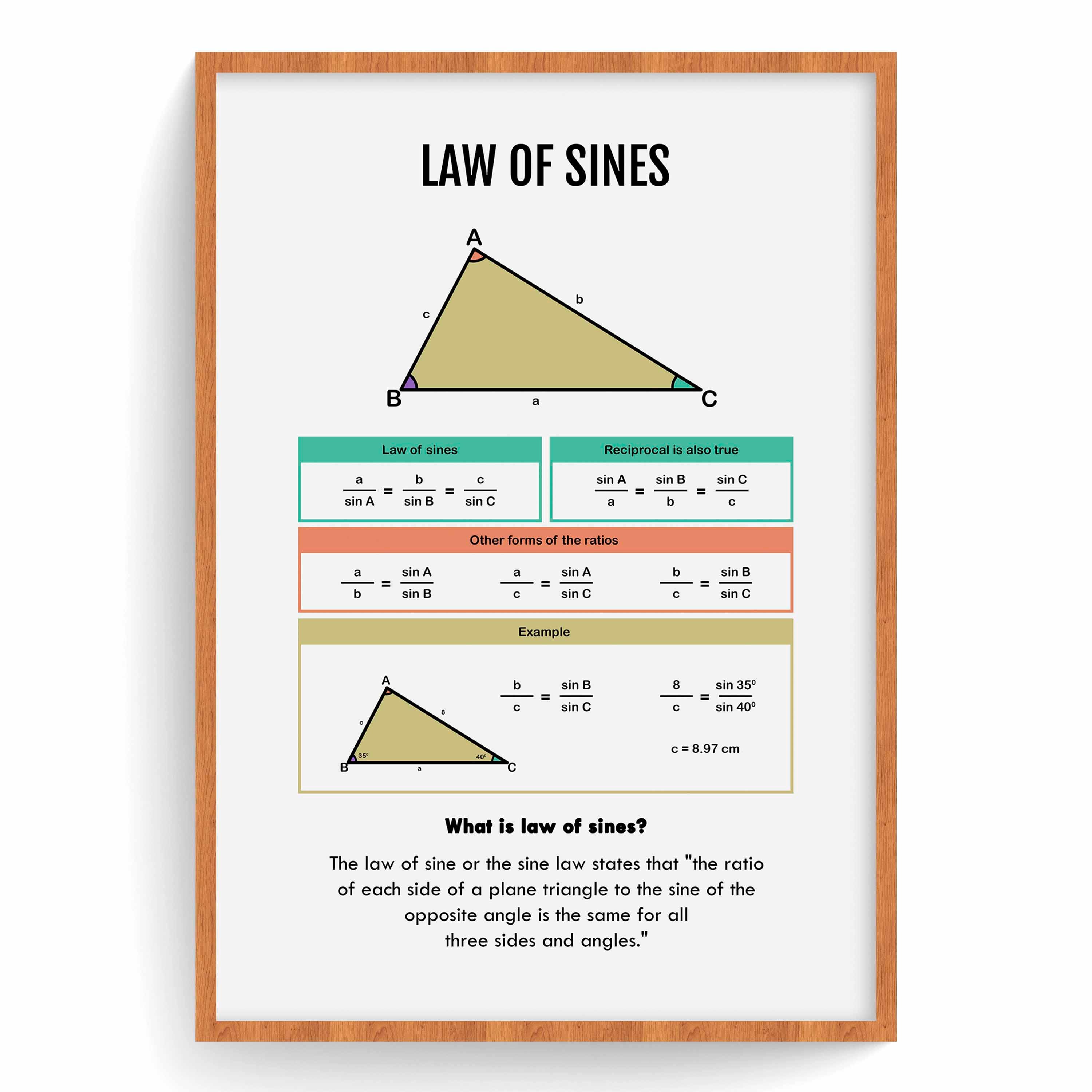
Law of Sines Triangle Solutions
Grade 9 Mathematics Solving Non-Right Triangles 60-Minute Lesson
Why Do We Need the Law of Sines?
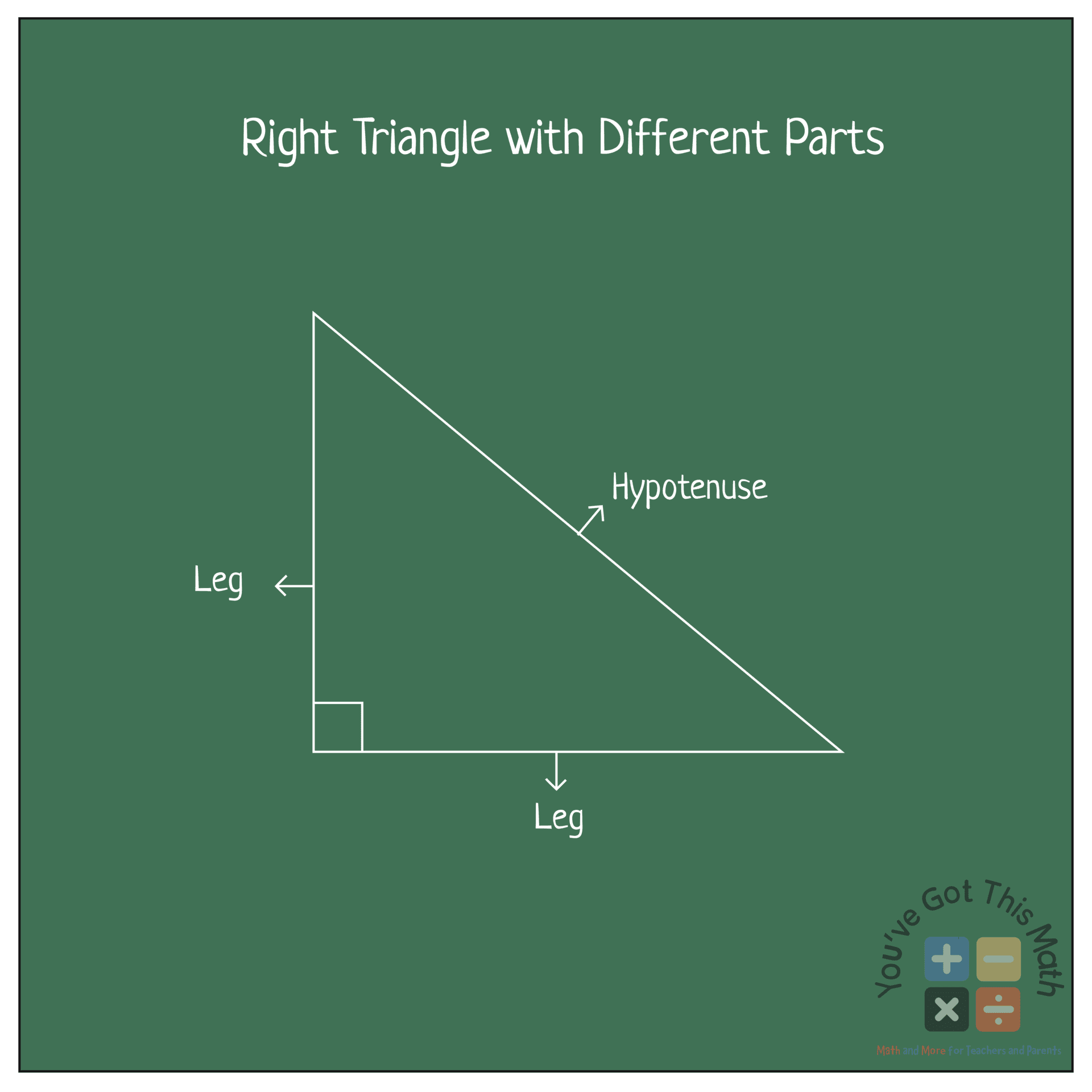
Right triangle methods only work for 90° angles Many real-world triangles are oblique (no right angles) Pythagorean theorem insufficient for oblique triangles Need new tools for surveying, navigation, and construction
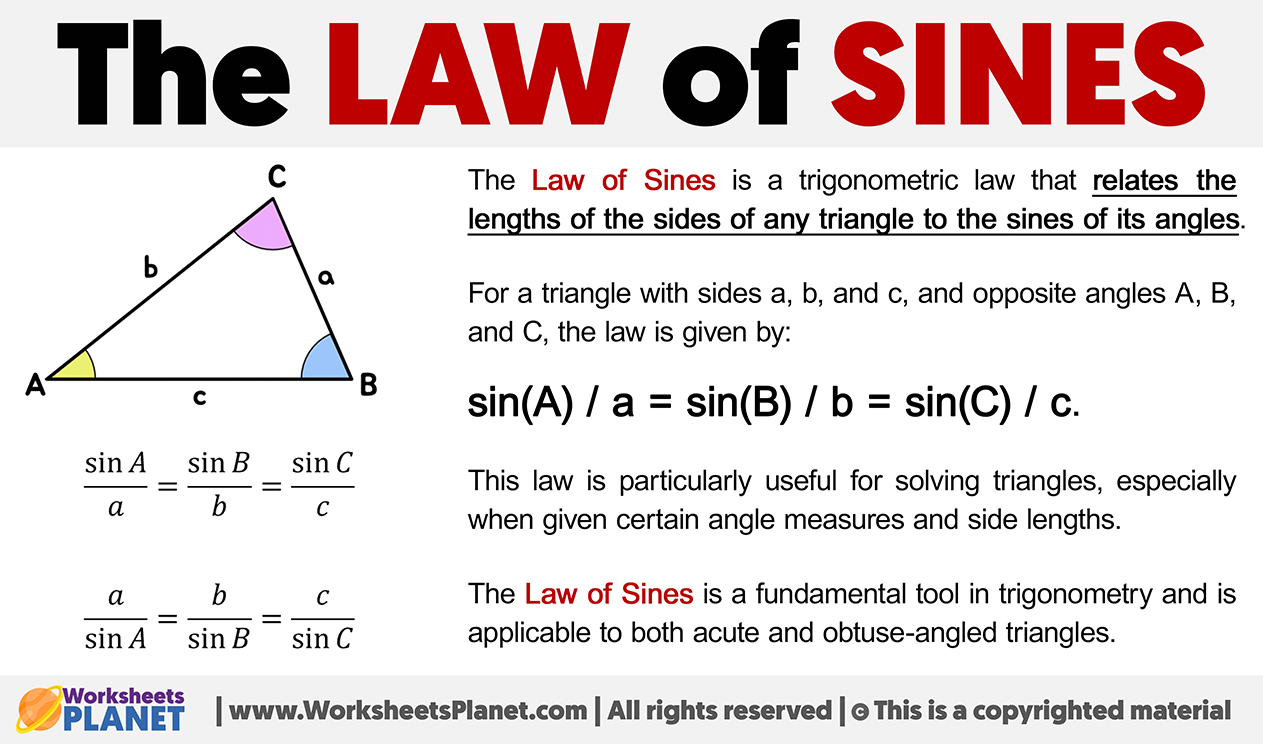
The Law of Sines Formula

Understanding the Components
Each angle has an opposite side Angle A is opposite side a Angle B is opposite side b Angle C is opposite side c The ratio of side to sine of opposite angle is constant

Guided Practice: Example 1
Given: Triangle with angles A = 40°, B = 60°, side a = 8 cm Find: side b Step 1: Find angle C = 180° - 40° - 60° = 80° Step 2: Set up Law of Sines: a/sin A = b/sin B Step 3: Substitute: 8/sin 40° = b/sin 60° Step 4: Solve: b = 8 × sin 60° / sin 40° ≈ 10.8 cm
Real-World Application: Surveying
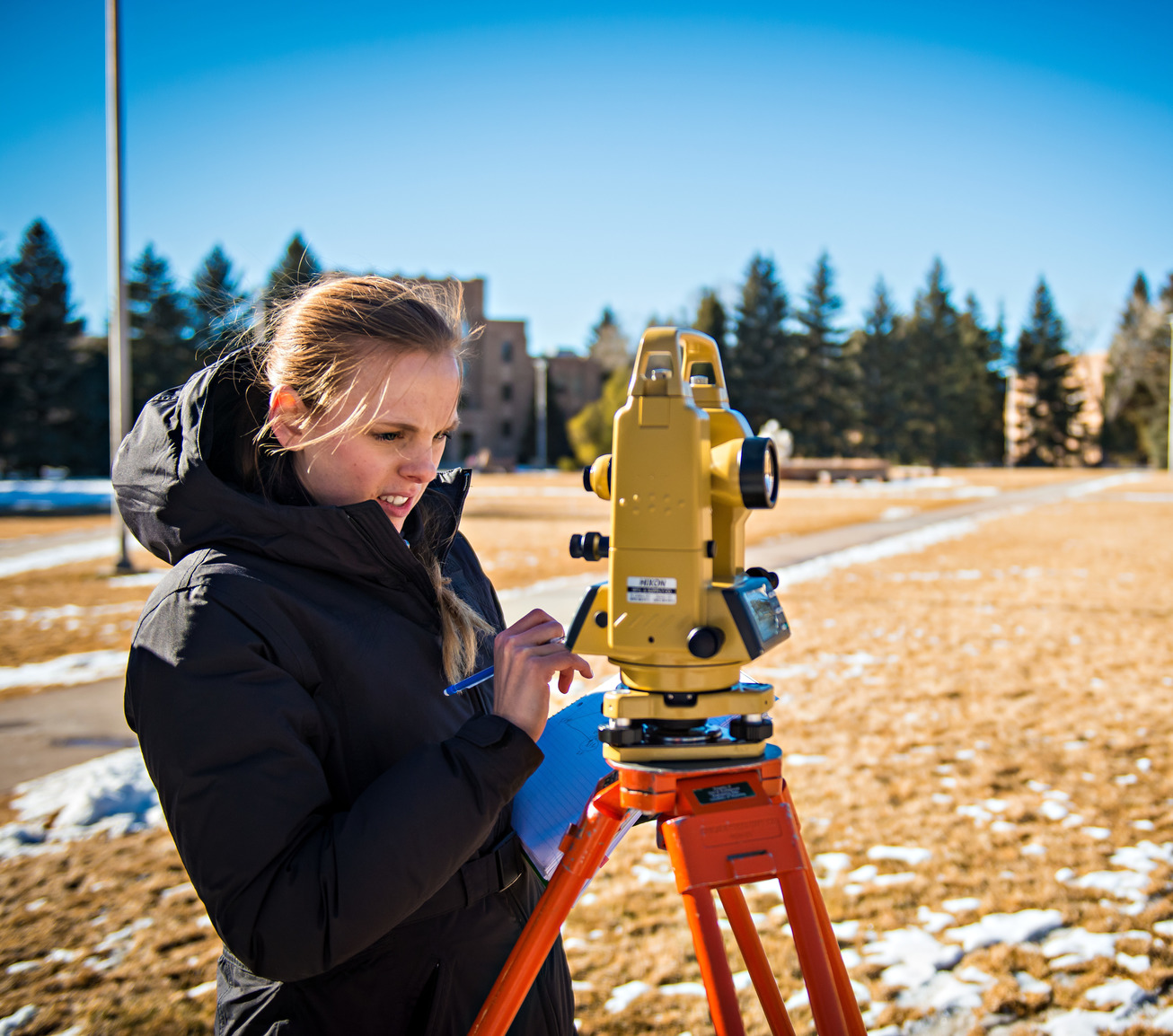
Surveyors need to measure distances between landmarks Sometimes direct measurement is impossible Use triangulation with known angles and one side Law of Sines provides the missing distances
Check Your Understanding
A triangle has angles of 50° and 70°, with the side opposite the 50° angle measuring 12 units. What is the length of the side opposite the 70° angle? Think about which steps you need to take first! Discuss your approach with a partner.

Key Takeaways & Next Steps
Law of Sines works for any triangle, not just right triangles Always find the third angle first (angles sum to 180°) Set up ratios carefully: side over sine of opposite angle Check calculator is in degree mode Real applications in surveying, navigation, and engineering Next: We'll explore the Law of Cosines for different triangle scenarios