
Mastering Credible Sources and Research
Grade 9 English Language Arts Building Essential Research Skills

What Makes a Source Credible?
Authority: Who wrote it and what are their qualifications? Accuracy: Is the information correct and well-supported? Currency: How recent is the information? Purpose: Why was this source created? Relevance: Does it relate to your research question?

Credible vs. Non-Credible Sources
{"left":"Peer-reviewed academic journals\nGovernment websites (.gov)\nEstablished news organizations\nEducational institutions (.edu)\nExpert interviews and testimonials","right":"Personal blogs without credentials\nSocial media posts\nWikipedia (as starting point only)\nWebsites with obvious bias\nSources without author information"}

The CRAAP Test in Action
Work in pairs to evaluate a source Use the CRAAP Test checklist Currency - When was it published? Relevance - Does it answer your question? Authority - Who is the author? Accuracy - Is it well-researched? Purpose - Why was it created?
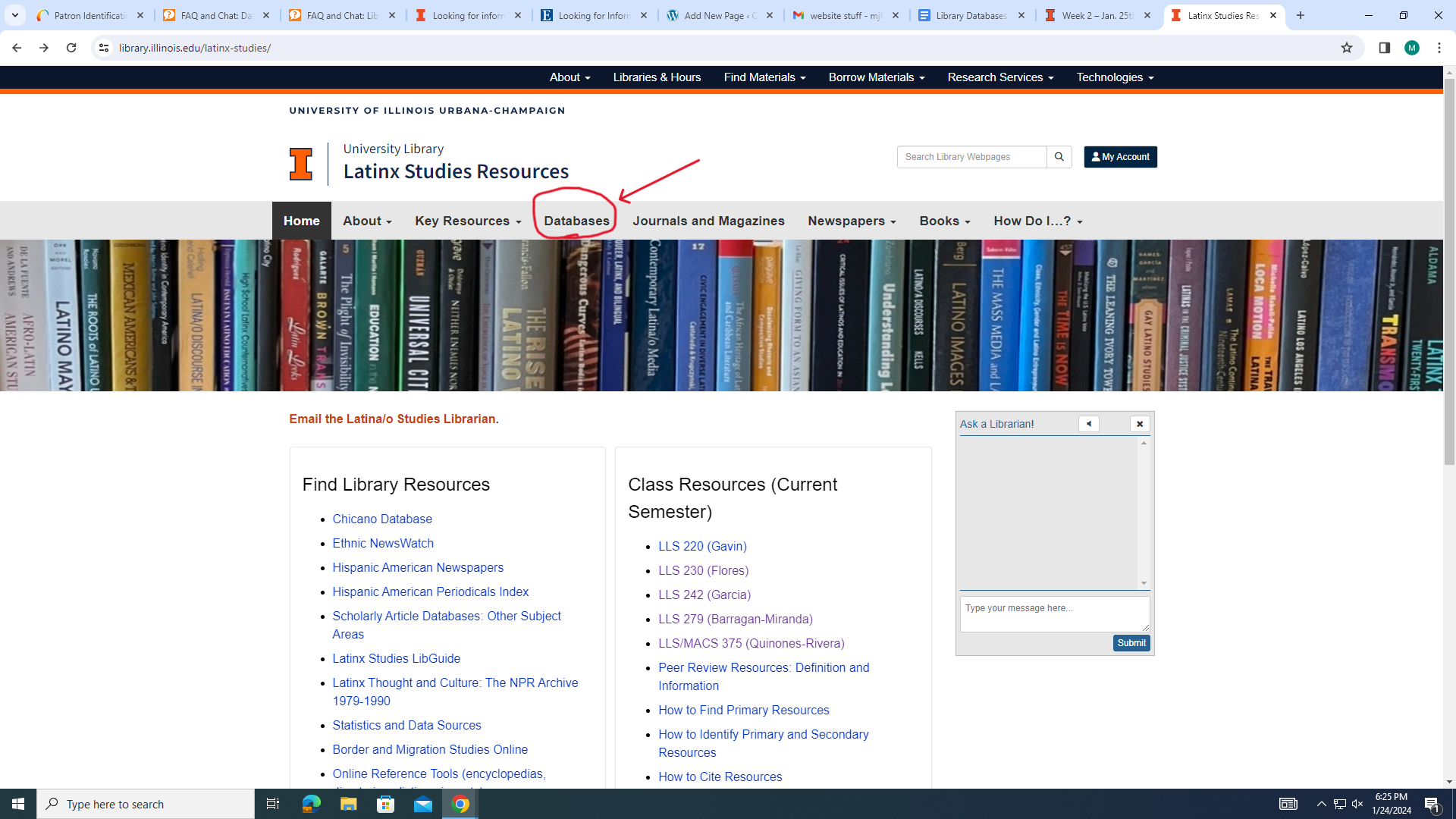
Navigating Library Databases

Quick Check: Source Evaluation
A blog post by a high school student about climate change A 2023 article from National Geographic about renewable energy A Wikipedia entry on solar power A research study from MIT published last year
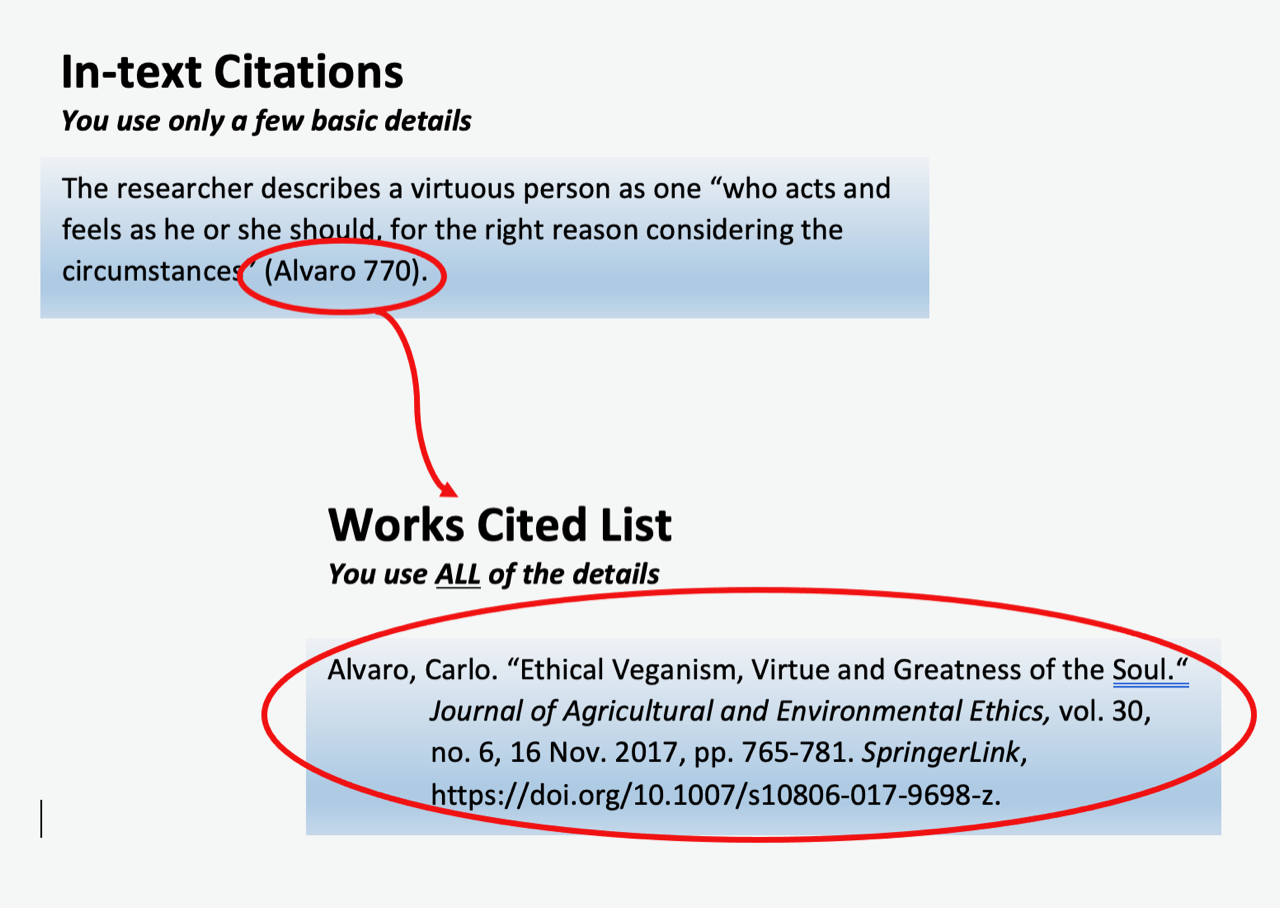
Avoiding Plagiarism: Ethical Research
Always cite your sources properly Use quotation marks for direct quotes Paraphrase in your own words Give credit for ideas, even when paraphrased When in doubt, cite it out!
Remember
"Good research is about finding credible sources that support your argument and giving proper credit to the experts who came before you."