
Mastering Figurative Language in Writing
Grade 6 English Language Arts Common Core Standards Aligned 70-Minute Interactive Lesson

What is Figurative Language?
Language that goes beyond literal meaning Creates vivid pictures in readers' minds Makes writing more interesting and expressive Helps readers connect emotionally with text

Similes: Comparing with 'Like' or 'As'
Compares two different things using 'like' or 'as' Example: 'She runs like the wind' Example: 'His voice is as smooth as silk' Helps readers understand by comparing to familiar things
Metaphors: Direct Comparisons
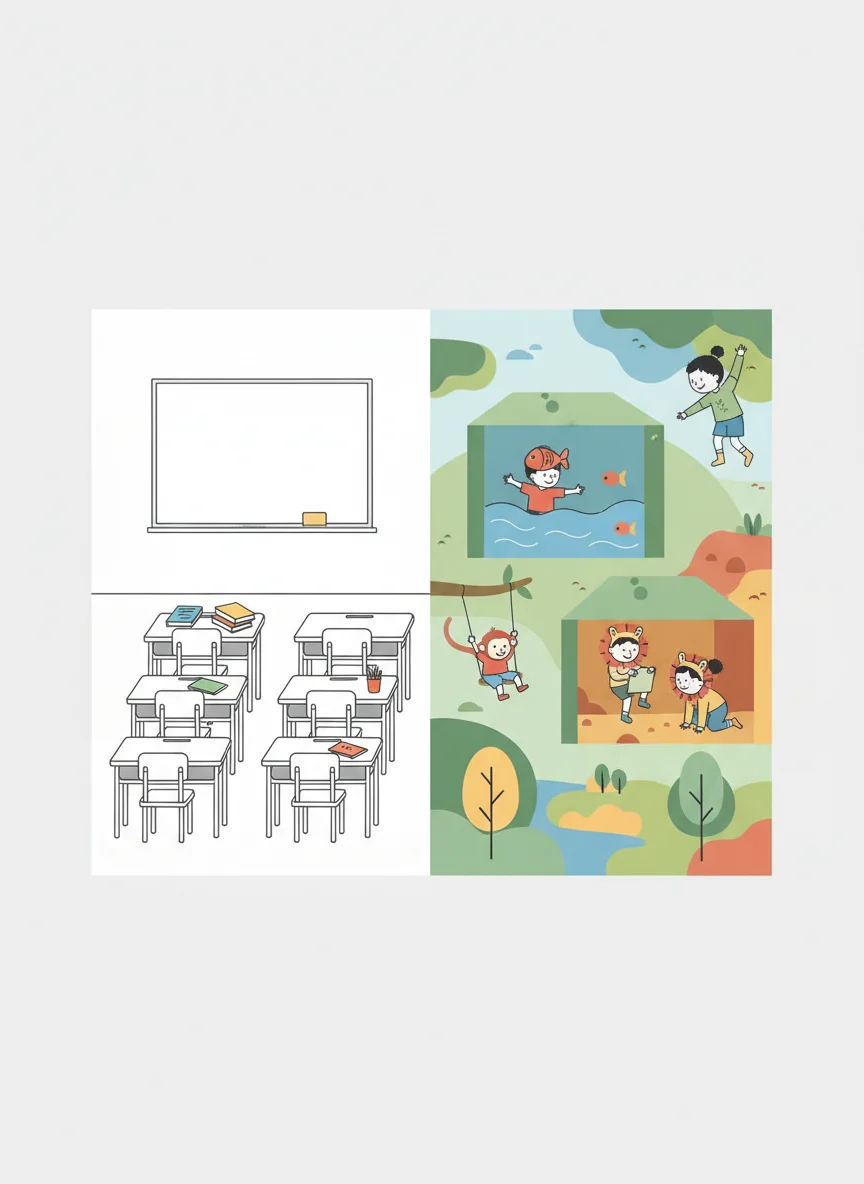
Says one thing IS another thing No 'like' or 'as' needed Example: 'Time is money' Example: 'The classroom was a zoo' Creates stronger, more direct images

Personification: Giving Life to Objects
Gives human qualities to non-human things Makes objects, animals, or ideas seem alive Example: 'The wind whispered through the trees' Example: 'The sun smiled down on us' Helps readers connect emotionally with descriptions
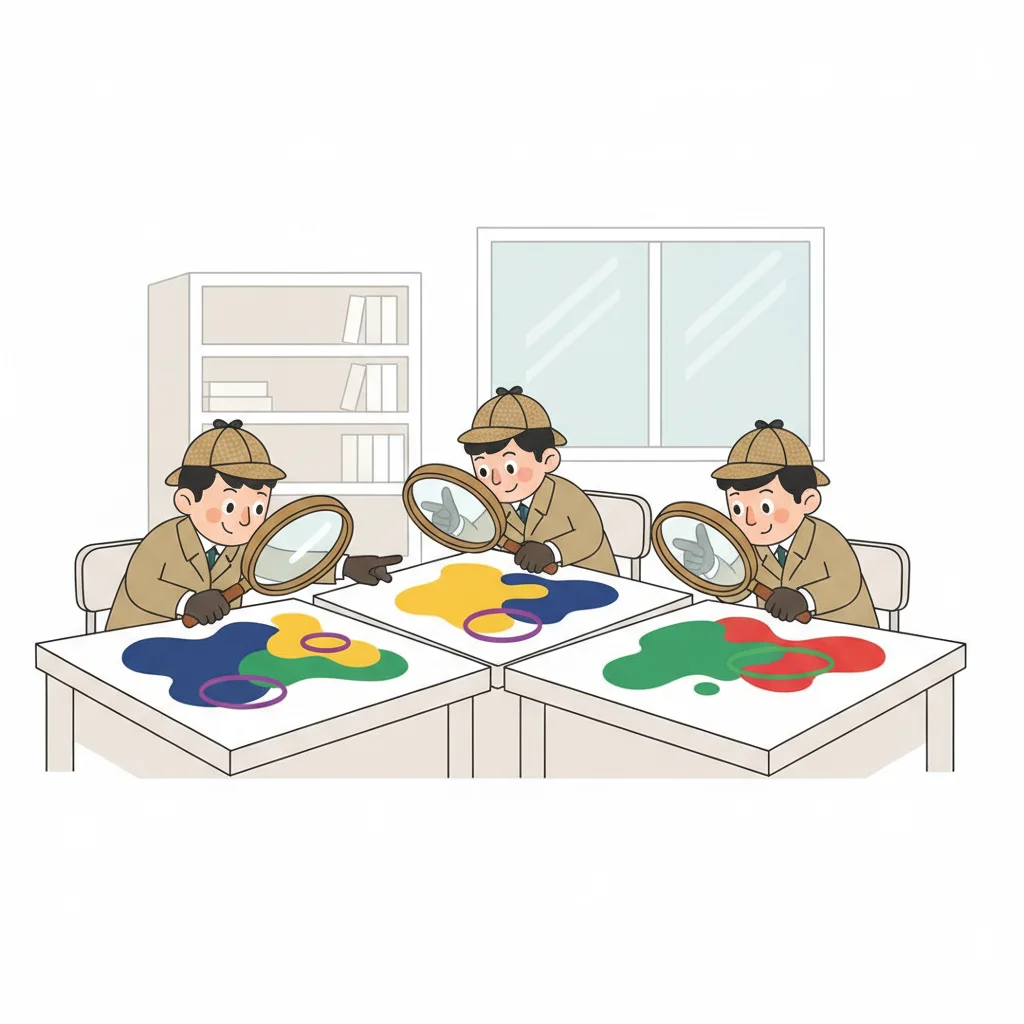
Figurative Language Detective
Read the passage on your worksheet Circle similes in blue Underline metaphors in red Highlight personification in yellow Discuss your findings with a partner
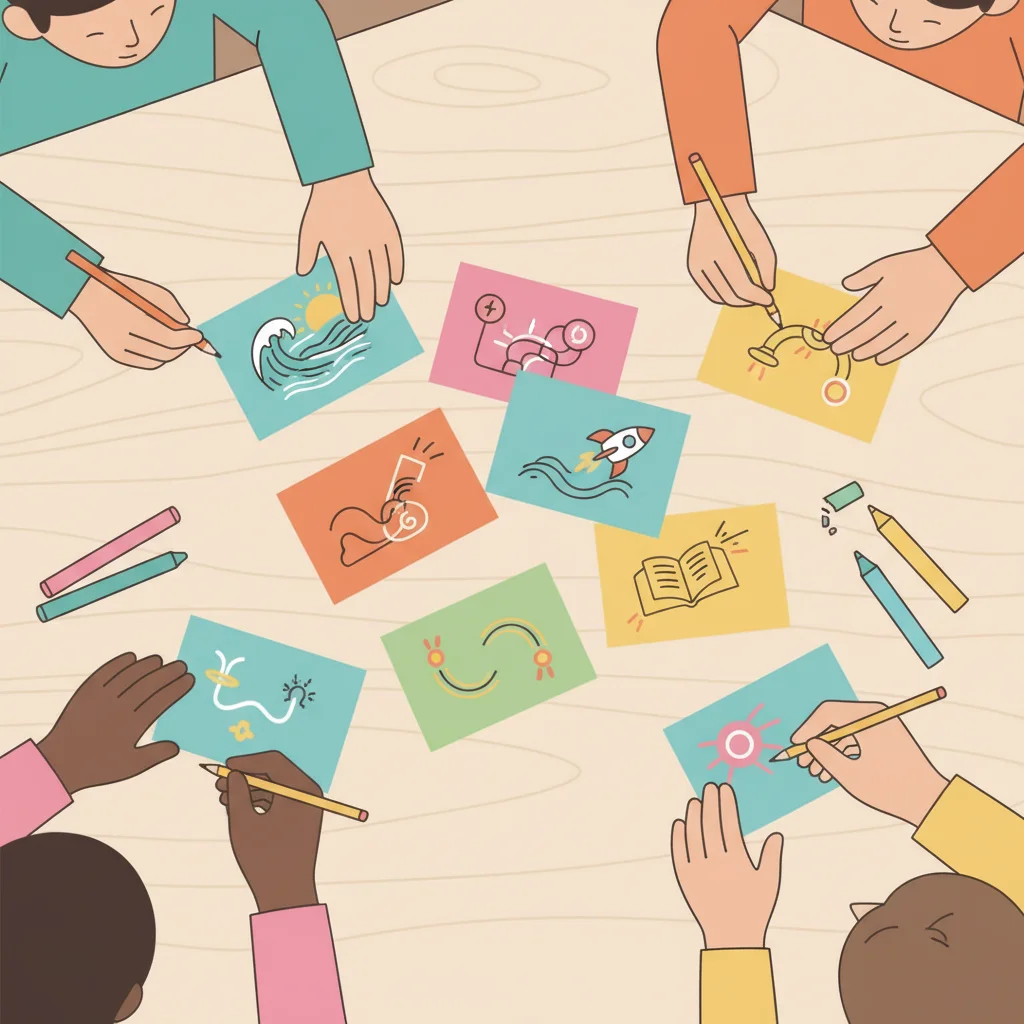
Create Your Own Figurative Language
Use index cards to write original examples Create one simile, one metaphor, and one personification Decorate your cards with colorful drawings Share with your group and explain your choices
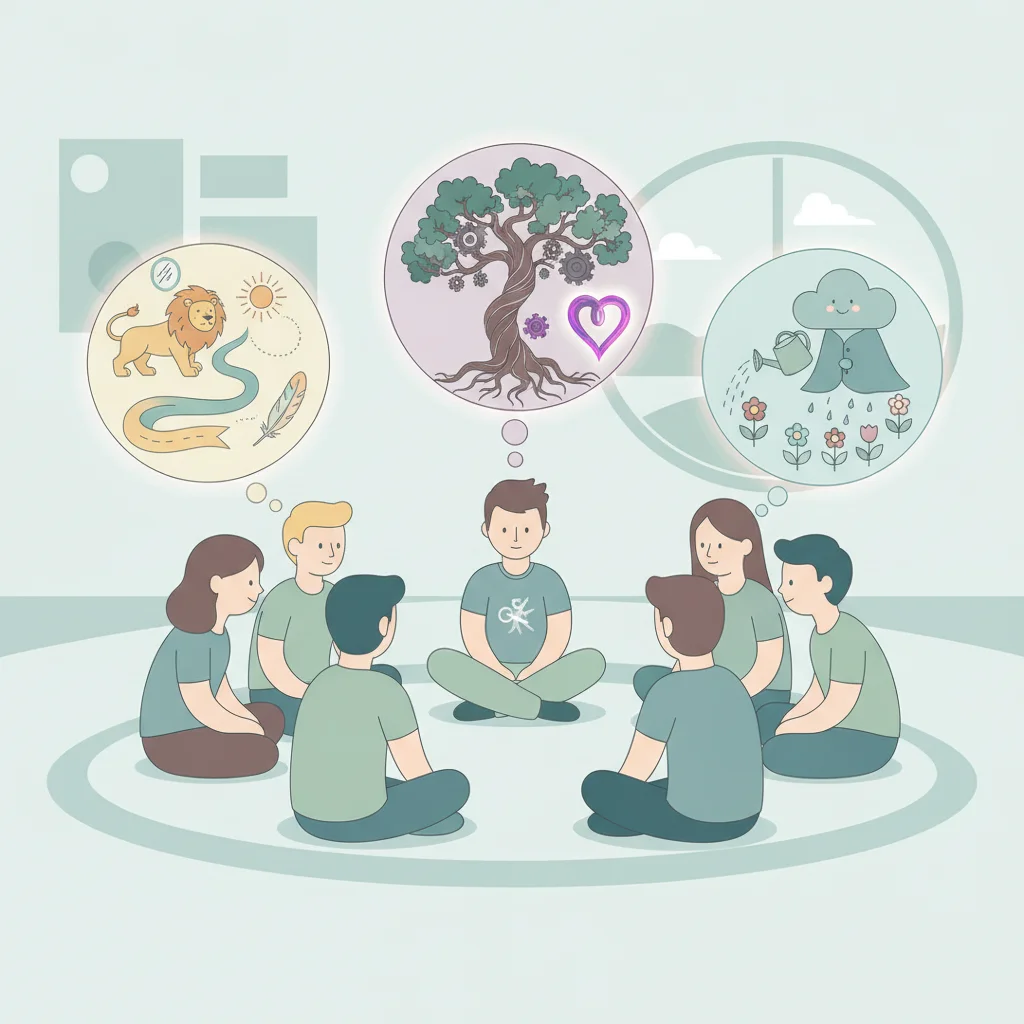
Reflection and Review
Which type of figurative language was easiest to understand? Why? How can figurative language improve your writing? What's your favorite example from today's lesson?