Mastering Language: Voice, Mood, Metaphors
Grade 8 English Language Arts Building Strong Writing Skills I can identify and use figurative language effectively

Similes: Making Comparisons with 'Like' and 'As'
I can identify similes in sentences Similes use 'like' or 'as' to compare two different things Example: 'School feels like a marathon' Success criteria: Define simile correctly and identify with 80% accuracy

Rally Robin: Simile & Metaphor Practice
Partner A shares a simile Partner B shares a metaphor Take turns for 3 minutes Listen for 'like' and 'as' in similes
Similes vs. Metaphors: Spot the Difference
{"left":"Her voice was like velvet\nTime is money\nHe runs as fast as lightning","right":"The classroom was a zoo\nShe's as brave as a lion\nLife is a journey"}
How Figurative Language Creates Mood
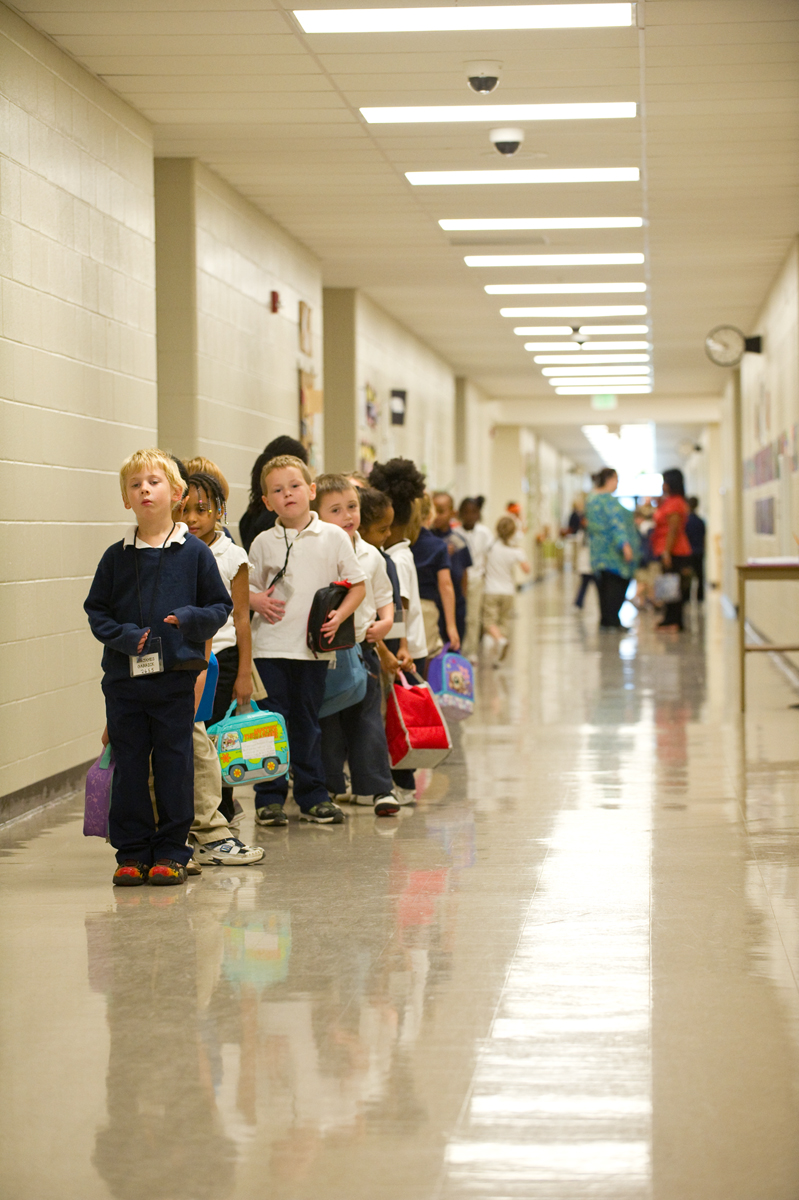
I can explain how figurative language affects mood Mood is the feeling a reader gets from the text Compare: 'The hallway was a zoo' vs. 'The hallway was quiet and calm' Success criteria: Connect figurative language to appropriate moods with 80% accuracy

Voice Check: Active or Passive?
Look at these sentences: 'The dog chased the cat' vs. 'The cat was chased by the dog' Which sounds stronger and more direct? Can you identify who is doing the action in each sentence?

Understanding Verb Moods
I can identify indicative, conditional, and subjunctive moods Indicative: states facts ('I am here') Conditional: depends on something ('If I were rich...') Subjunctive: wishes/imaginary ('I wish I were taller')

Language Mastery Challenge
Identify: simile, metaphor, or neither Determine: active or passive voice Recognize: indicative, conditional, or subjunctive mood Exit ticket: Apply all skills to new sentences