
Mastering the 50/30/20 Budget Rule
Personal Finance for Smart Decisions Grade 9 Business Building Your Financial Future

Think About It: Money Challenges
Have you ever run out of money before your next allowance or paycheck? What happens when you want something but can't afford it? How do successful people manage their money differently?
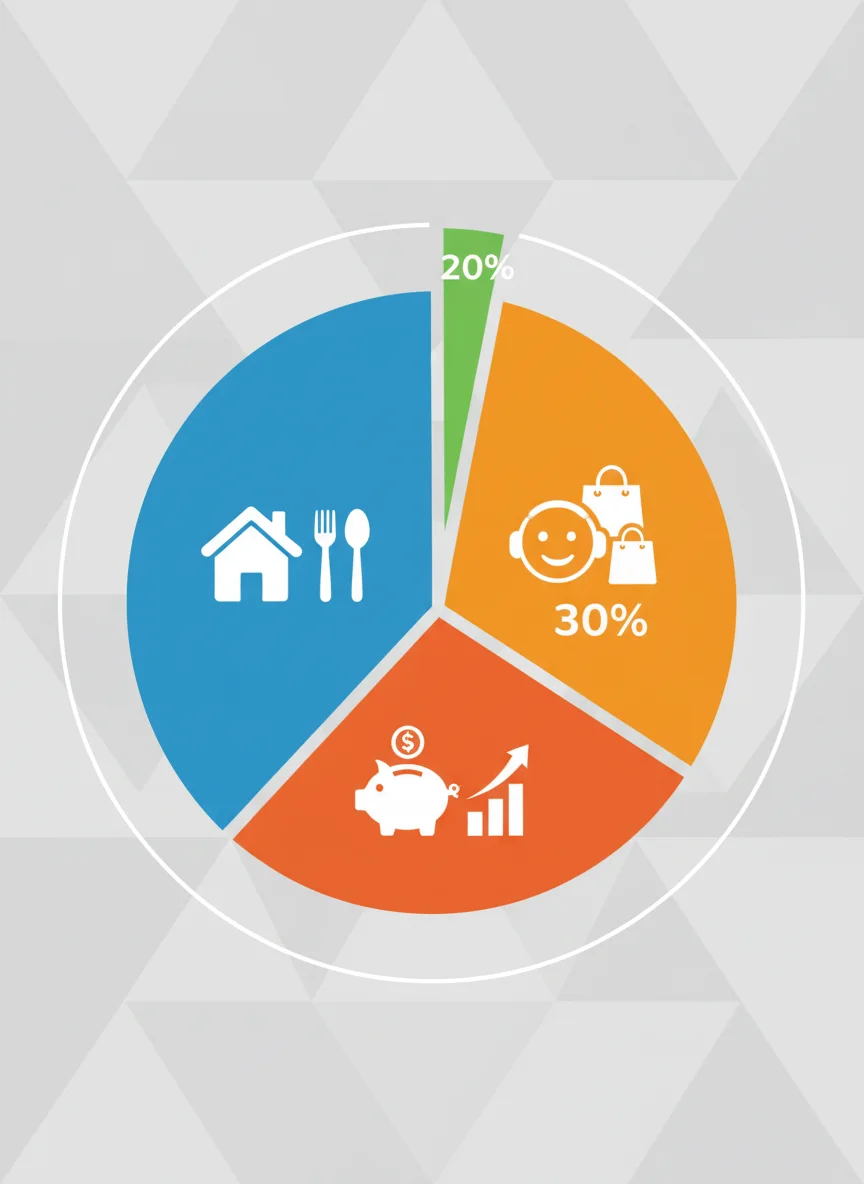
What is the 50/30/20 Budget Rule?
A simple framework for dividing your income 50% for NEEDS (essentials you can't live without) 30% for WANTS (things you enjoy but don't need) 20% for SAVINGS & DEBT (building your future)

Needs vs. Wants: Can You Tell the Difference?
{"left":"Rent or housing costs\nGroceries and basic food\nTransportation to work/school\nMinimum debt payments\nBasic clothing\nUtilities (electricity, water)","right":"Designer clothes and accessories\nEating out at restaurants\nEntertainment subscriptions\nLatest smartphone upgrade\nConcert tickets\nExpensive hobbies"}

Practice Time: Calculate Your Budget
Monthly Income: $2,000 Step 1: Calculate 50% for needs = $_____ Step 2: Calculate 30% for wants = $_____ Step 3: Calculate 20% for savings = $_____ Work with a partner to check your math!

Benefits of the 50/30/20 Rule
Simple and easy to remember Automatically builds savings habits Prevents overspending on wants Creates financial balance and flexibility Good starting point for beginners Helps prioritize essential expenses first

Potential Limitations to Consider
May not work for very low incomes (needs exceed 50%) High-cost areas might require more than 50% for housing Doesn't account for irregular income Emergency situations may require flexibility Individual circumstances vary greatly
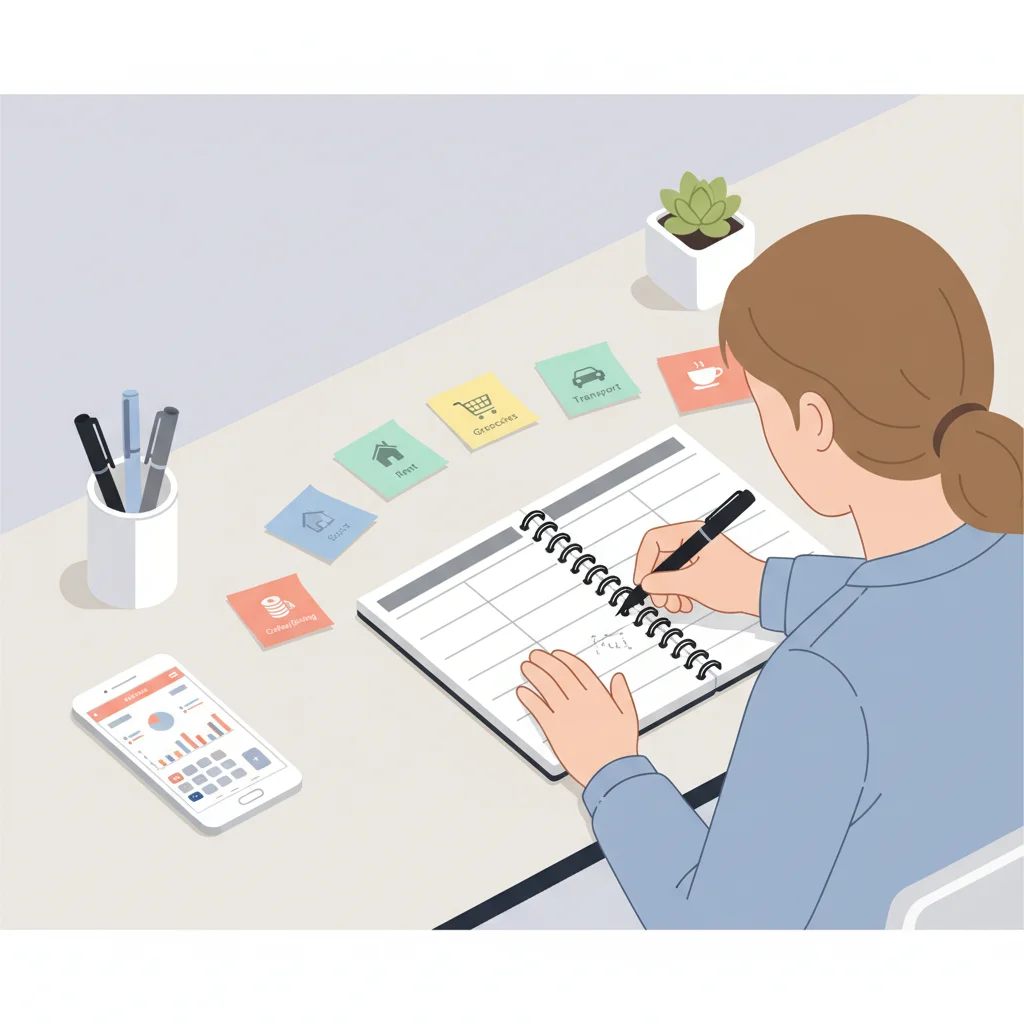
Create Your Personal Budget Plan
Choose a realistic monthly income for your situation Apply the 50/30/20 rule to your chosen income List specific examples for each category Consider: What would you do if your wants exceeded 30%? Prepare to present your budget in 2 minutes

Budget Presentation & Peer Feedback
Present your budget plan to the class Explain your reasoning for each category Share any adaptations you made to the 50/30/20 rule Peers: Give one positive comment and one constructive suggestion

Key Takeaways: Your Financial Future
The 50/30/20 rule is a helpful starting framework Adjust percentages based on your unique situation Always pay for needs first, then wants Saving 20% builds long-term financial security Practice makes budgeting easier over time Start building these habits now!
More Business slide decks
Other ready-to-teach business decks for US classrooms.

Comparing Multiple Budget Methods
Comparing Multiple Budget Methods

Pay-Yourself-First: Smart Budgeting Strategy
Pay-Yourself-First: Smart Budgeting Strategy

Exploring Four Essential Budgeting Methods
Exploring Four Essential Budgeting Methods