Math Meets Money: Budget Basics
Grade 9 Mathematics Financial Literacy Through Real-World Problem Solving

Why Does Money Management Matter?
Think about your future goals What happens when expenses exceed income? How can mathematics help solve money problems?

Key Budgeting Terms
Income: Money you earn (job, allowance) Fixed Expenses: Same amount each month (rent, phone) Variable Expenses: Changes monthly (food, entertainment) Savings: Money set aside for future goals
Budget Challenge: The $800 Month
Monthly Income: $800 from part-time work Rent: $400 Food: $150 Transportation: $75 Entertainment: $50 Savings Goal: $50
Calculating Percentages in Budgets
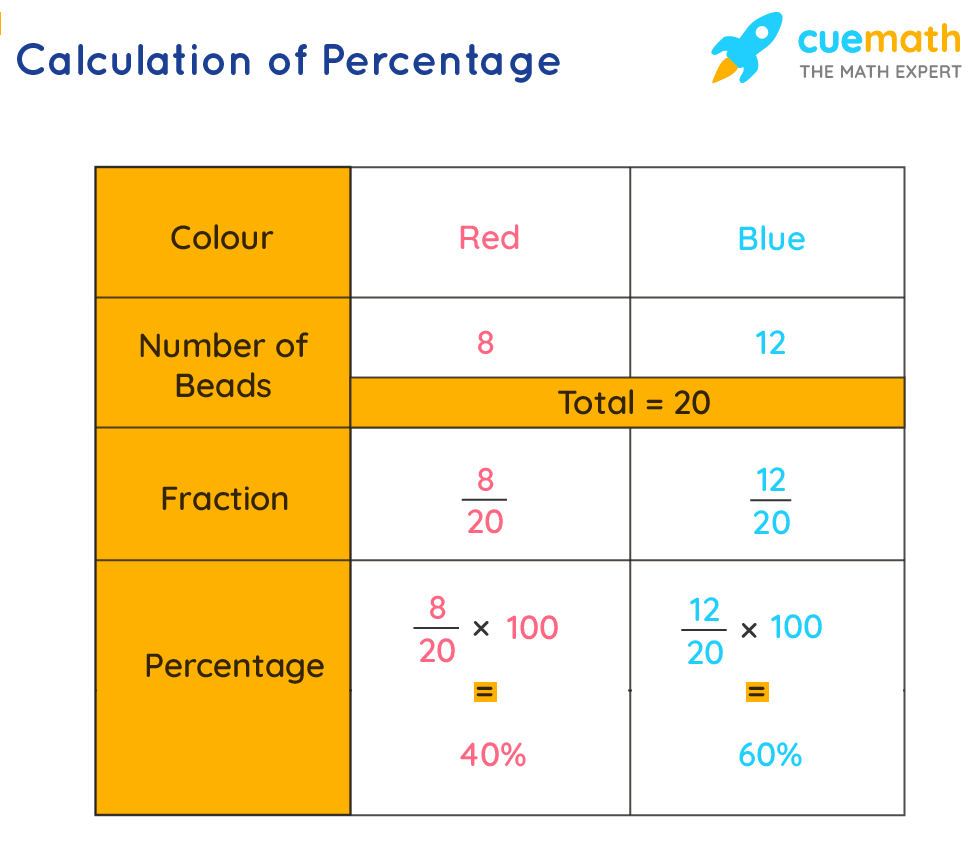
Formula: (Expense ÷ Total Income) × 100 Example: Transportation = $75 ÷ $800 × 100 = 9.375% Rent takes the largest percentage at 50% This helps prioritize where to cut expenses if needed

Balanced vs. Unbalanced Budgets
{"left":"Income: $800, Expenses: $725, Result: +$75 surplus","right":"Income: $800, Expenses: $850, Result: -$50 deficit"}

Your Turn: Fix This Budget
New Scenario - Monthly Income: $600 Rent: $350 Food: $120 Transportation: $80 Entertainment: $75 Savings: $40 Total Expenses: $665 (Over budget by $65!)

Budget Balancing Strategies
"A budget is telling your money where to go instead of wondering where it went." Cut variable expenses first Look for the highest percentages Always prioritize needs over wants