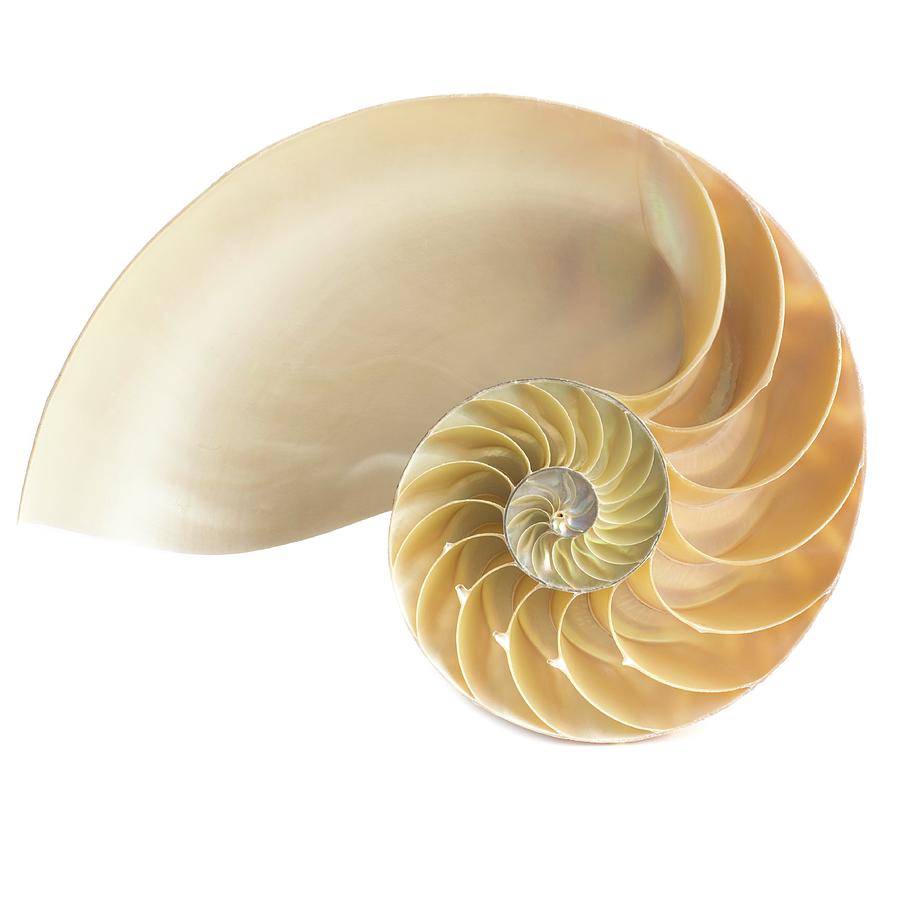
Mathematics in Nature's Patterns
Discovering Geometry, Symmetry, and Proportions Grades 9-12 Mathematics An Inquiry-Based Exploration

What Are We Looking For?
Geometric shapes in natural objects Types of symmetry (line and rotational) Proportional relationships and ratios Repeated patterns and structures

Types of Symmetry in Nature
{"left":"Line Symmetry (Reflectional): Objects that can be folded along a line to match perfectly\nExamples: butterfly wings, leaf shapes, flower petals","right":"Rotational Symmetry: Objects that look the same when rotated around a center point\nExamples: starfish, daisies, snowflakes"}

Outdoor Exploration Mission
Work in pairs to collect natural objects Use observation sheets to sketch and measure Document shapes, symmetry, and proportions Look for repeated patterns within objects Calculate ratios between different parts
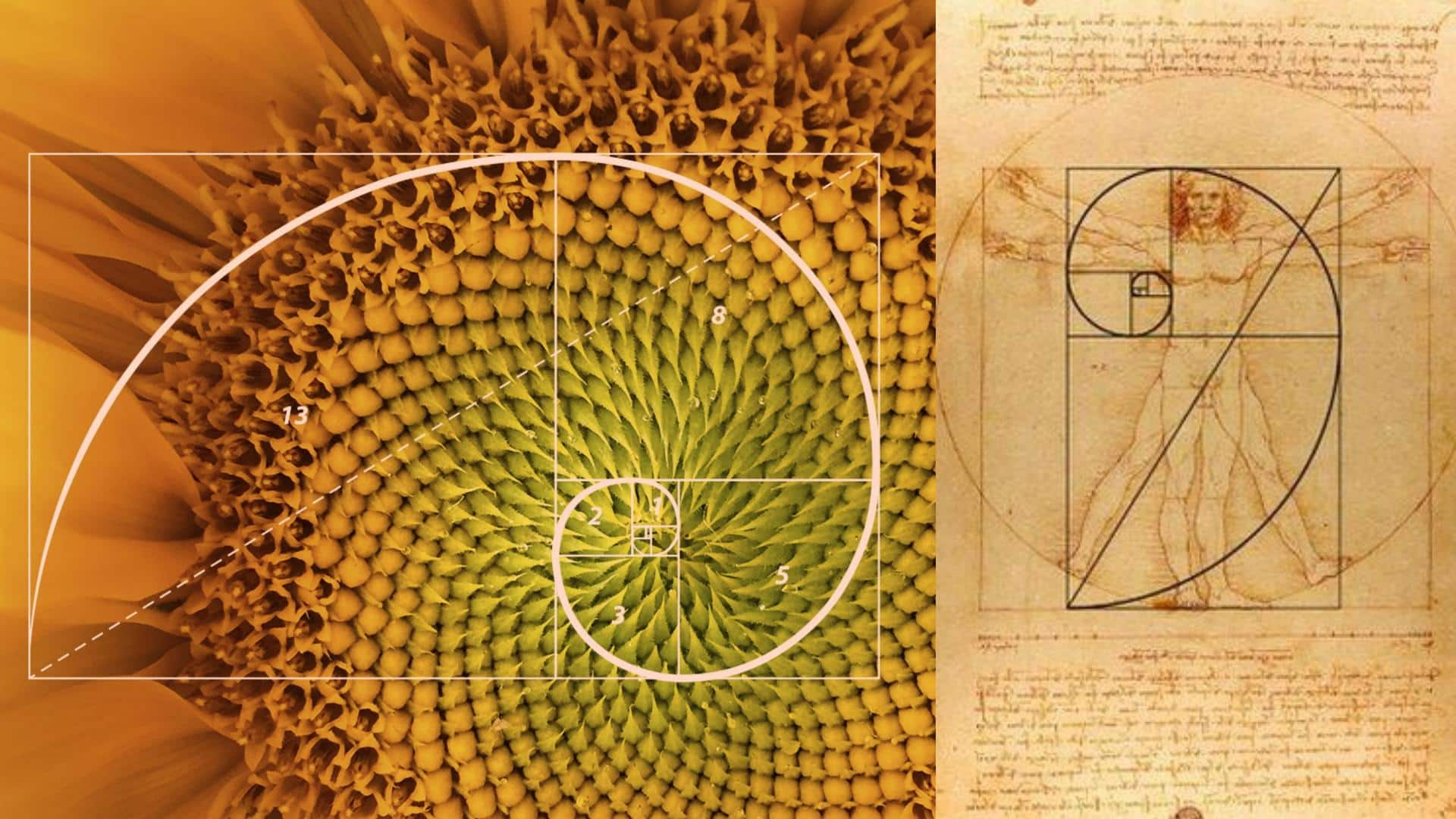
Common Patterns in Nature
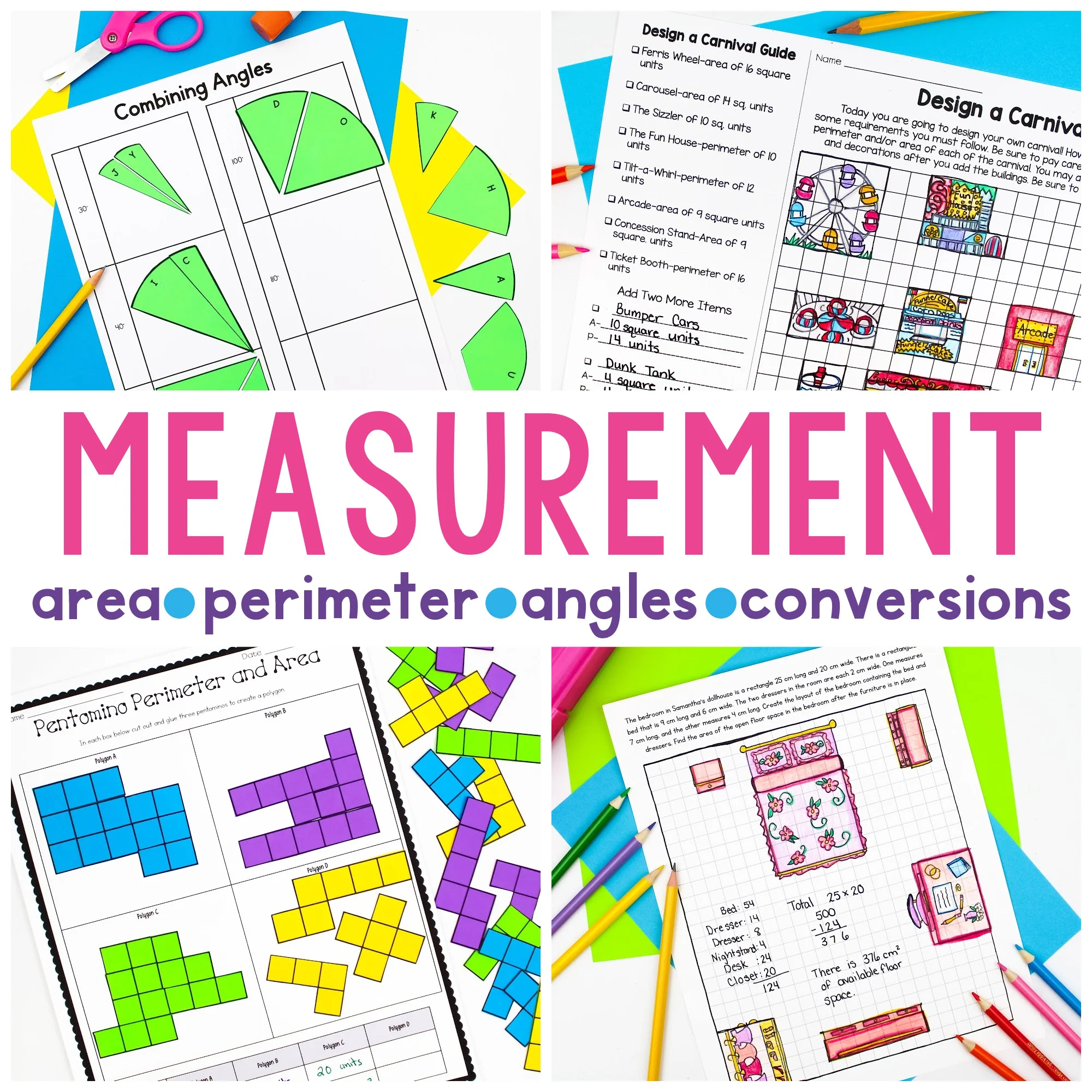
Analyzing Your Discoveries
Calculate ratios and proportions from measurements Identify congruent shapes within your object Note angles and geometric relationships Use mathematical vocabulary to describe patterns Prepare clear documentation for the group visual
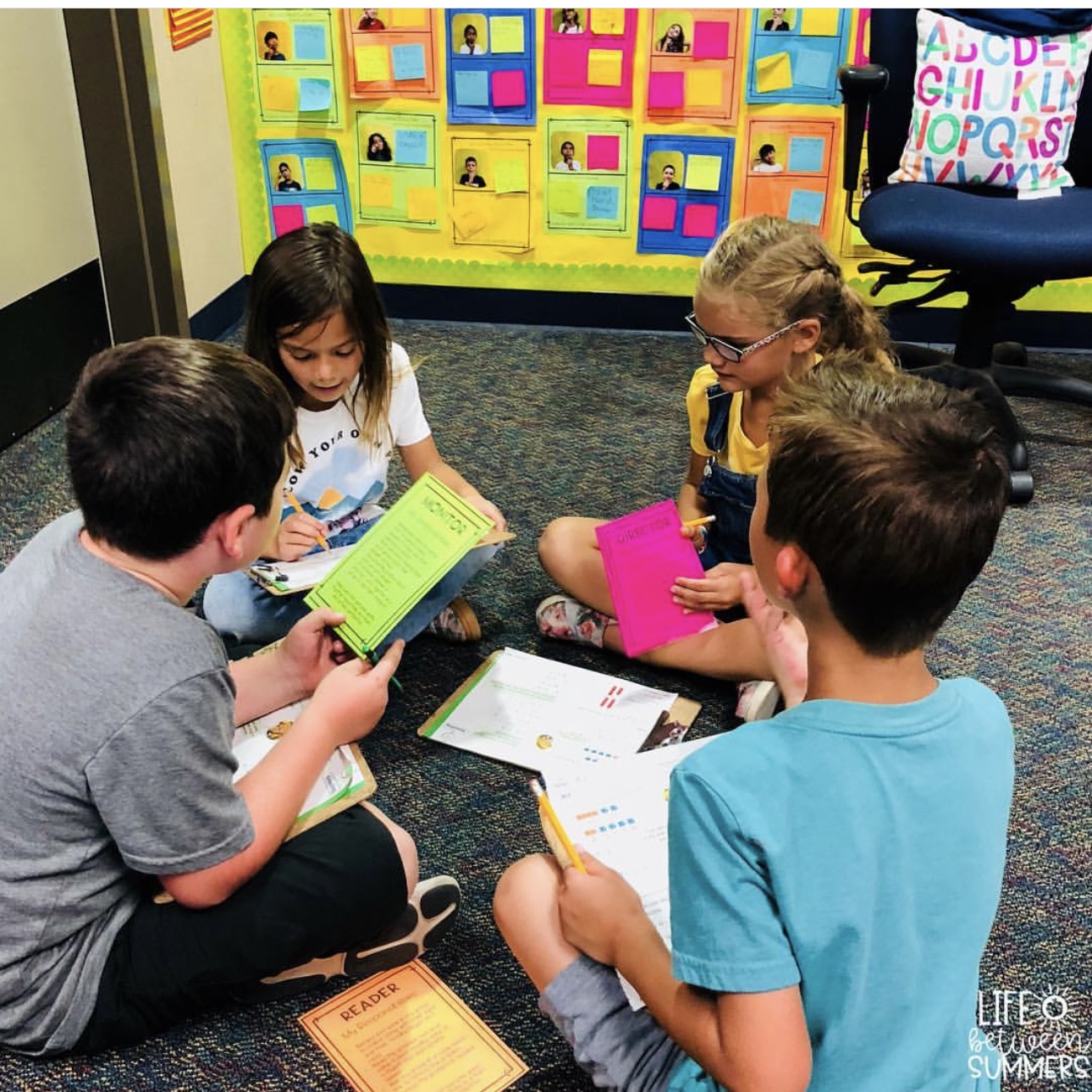
Create Your Giant Visual Model
Combine all discoveries on large chart paper Arrange objects to highlight mathematical patterns Use string and markers to show symmetry lines Create a legend explaining patterns and ratios Prepare to present your findings
Reflection & Connection
How did this activity deepen your understanding of geometry? Why do you think these mathematical patterns appear so frequently in nature? What connections can you make between algebra and geometry through these natural patterns?