Measuring Mass: Grams and Comparisons
Grade 3 Science Exploring Mass as a Physical Property Learning to Measure and Compare
What is Mass?
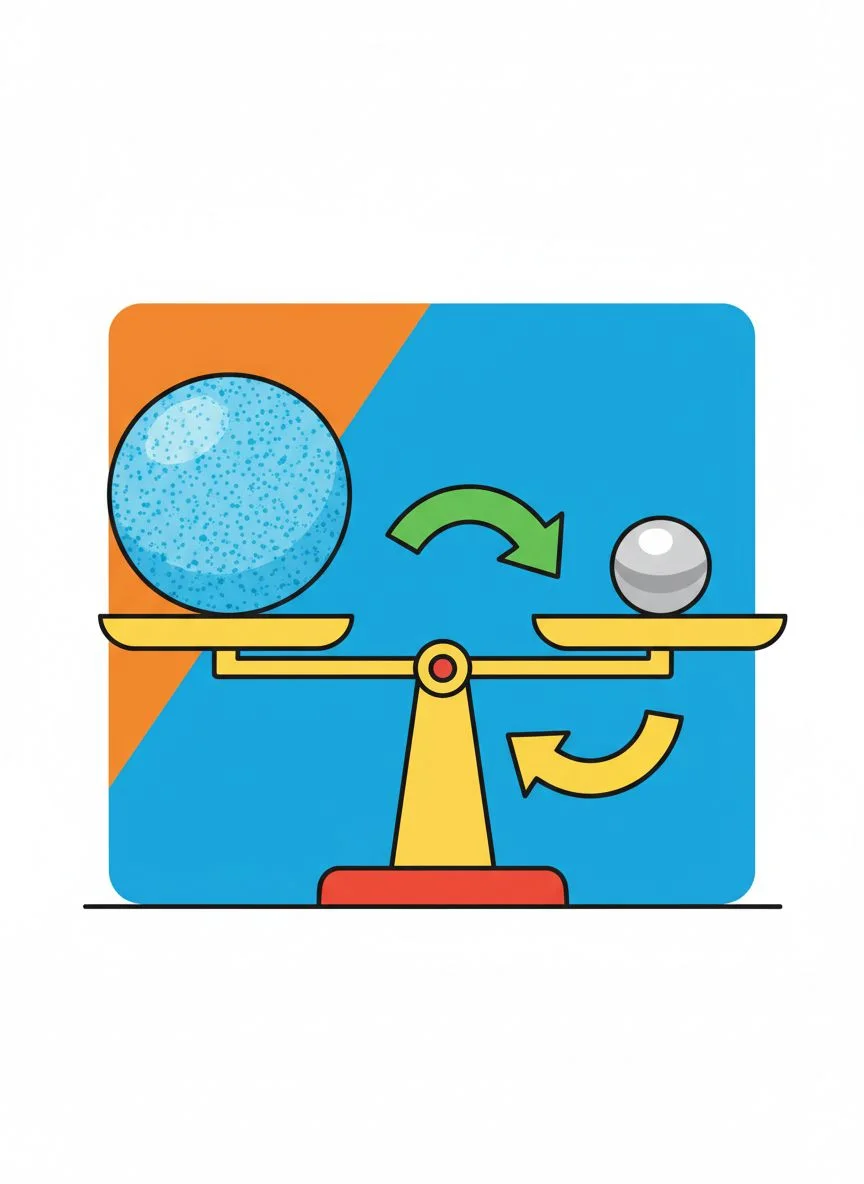
Mass is how much matter is in an object Mass stays the same no matter where you go We measure mass to compare objects Mass is different from size!
I Can Statement
I can measure the mass of objects using a digital scale I can record mass measurements in grams I can compare the masses of different objects I can explain what mass means
Meet the Gram!
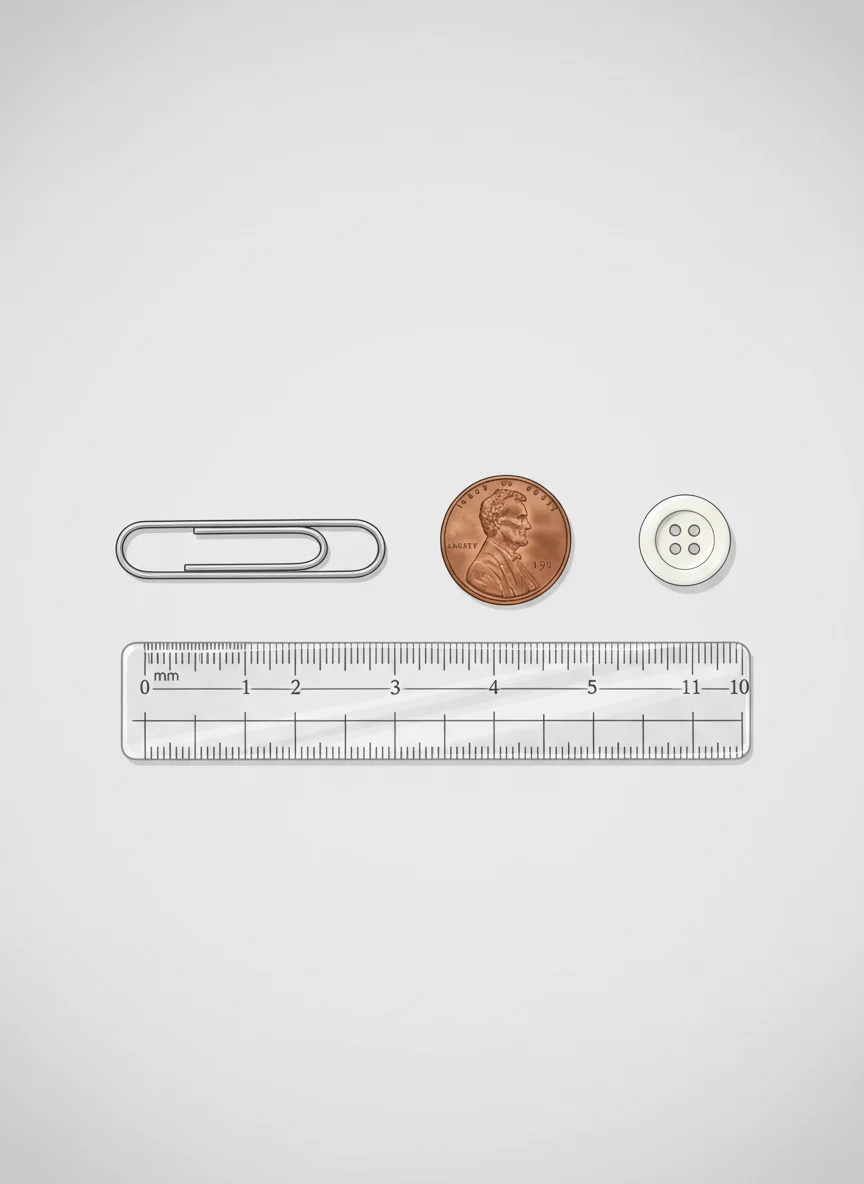
A gram (g) is our unit for measuring mass A paperclip weighs about 1 gram A penny weighs about 2.5 grams We use grams for small, everyday objects
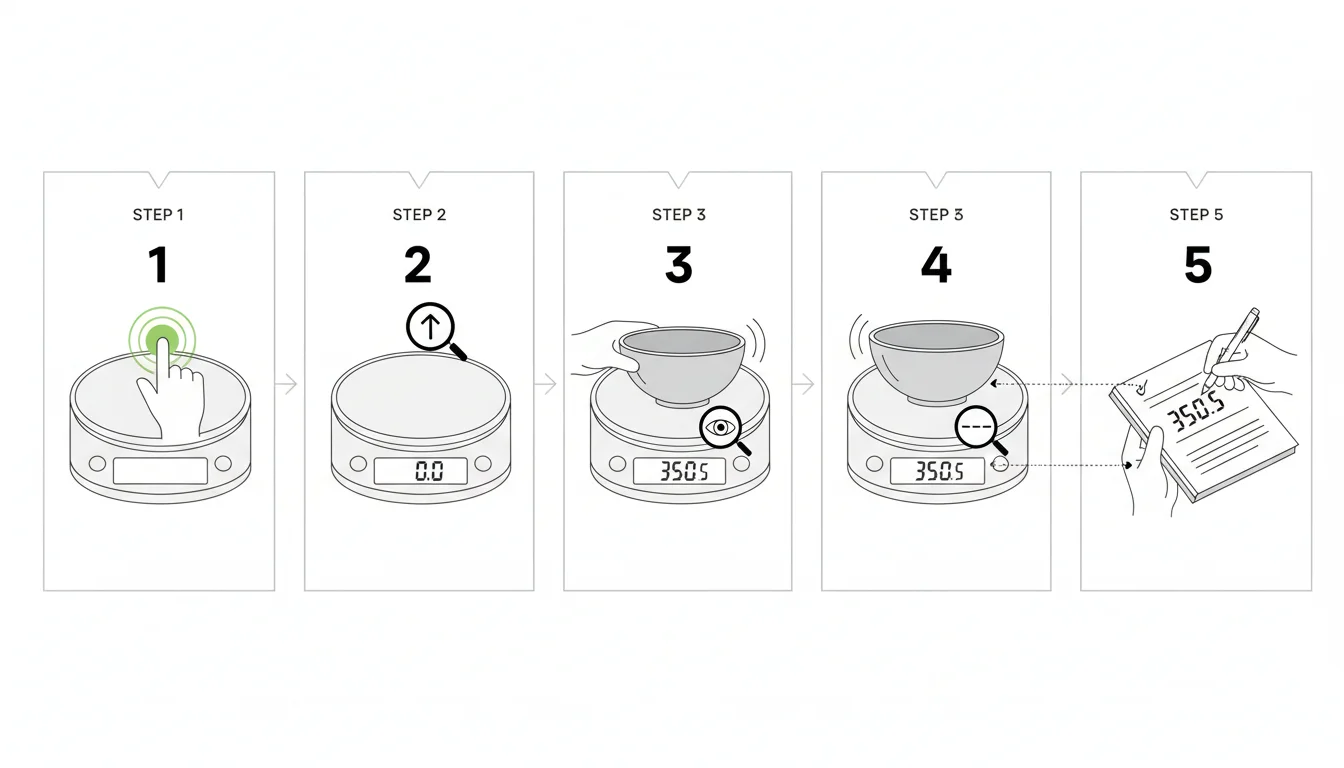
How to Use a Digital Scale
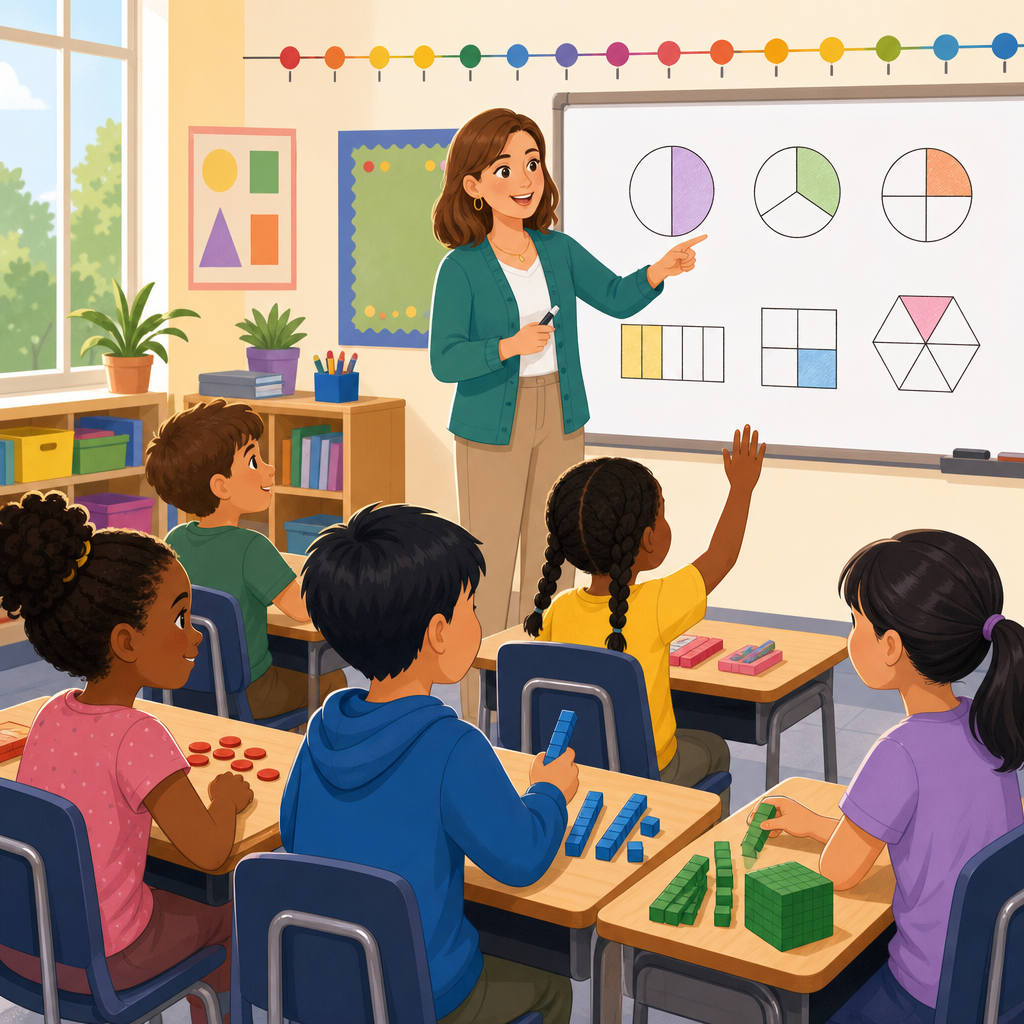
Hands-On Measuring
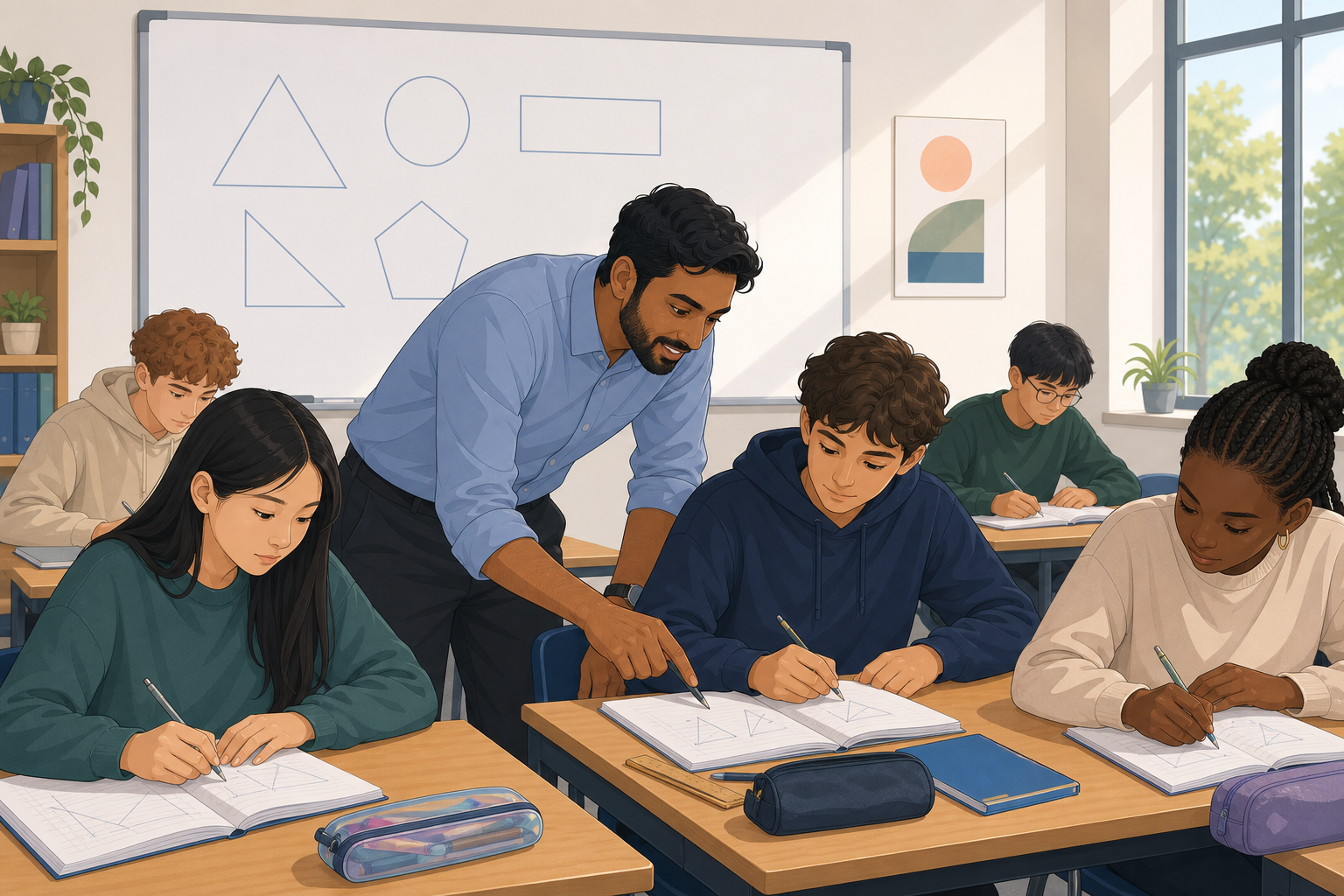
Work in pairs to measure 5 classroom objects Record your measurements on the data sheet Remember to use grams (g) in your answers Take turns being the measurer and recorder
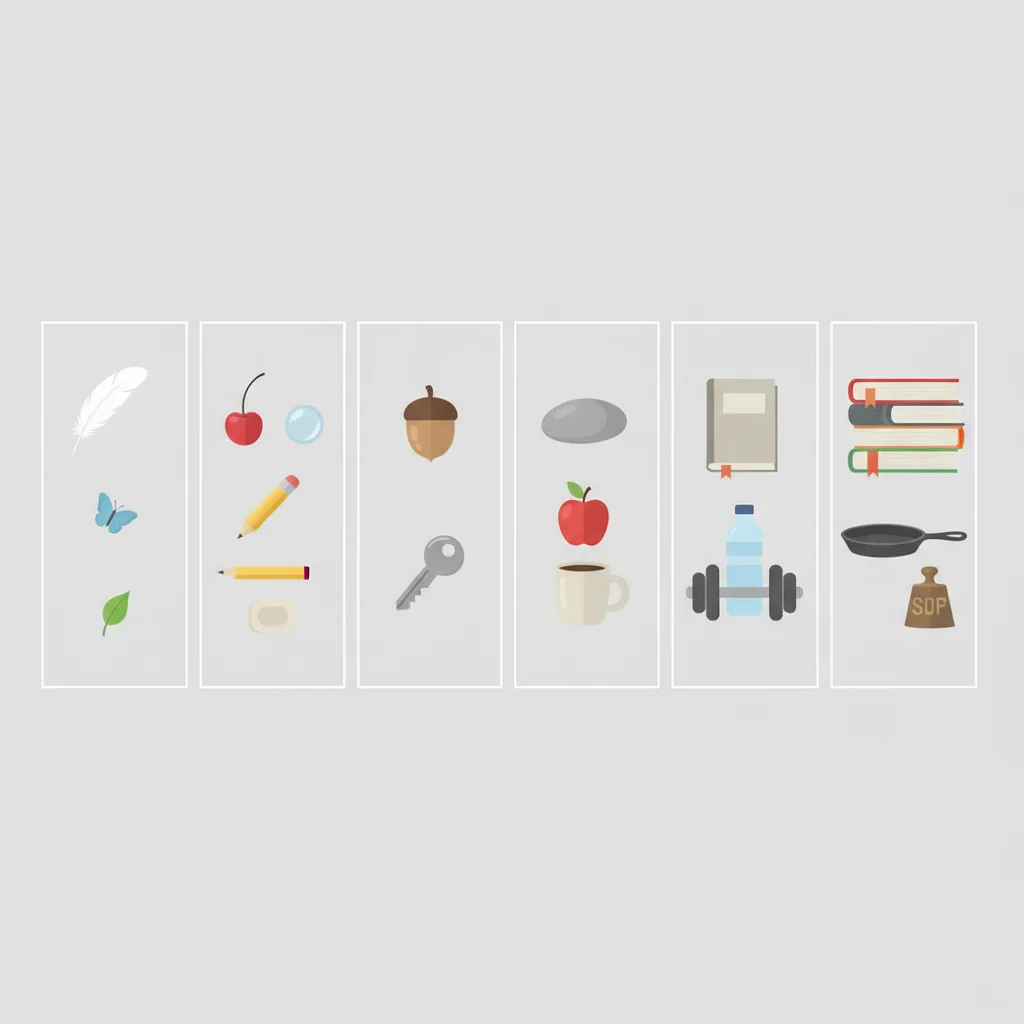
Comparing Our Results
{"left":"Which object had the most mass?\nWhich object had the least mass?","right":"Were you surprised by any results?\nDid size always match mass?"}
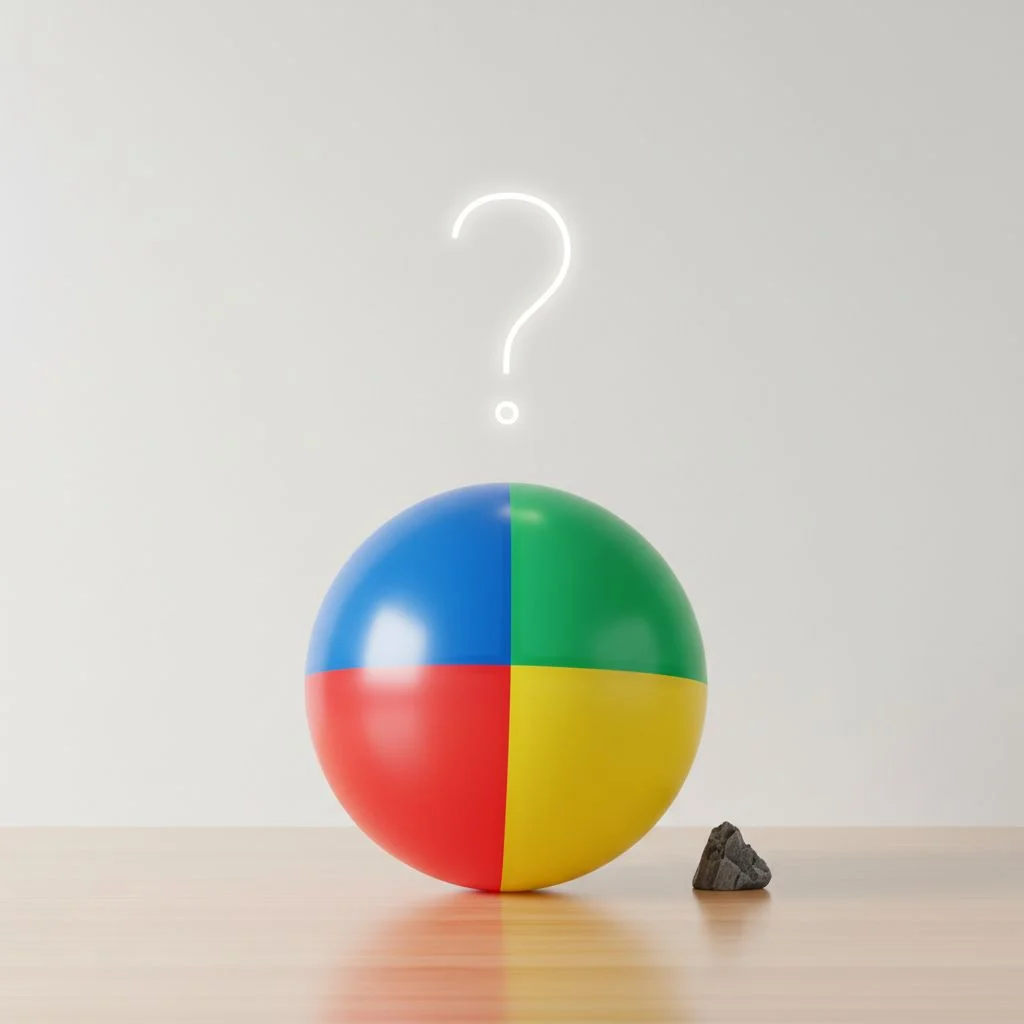
Think and Discuss
If you had a big balloon and a small rock, which would have more mass? Why might this surprise some people? How can we find out for sure?
Success Criteria Check
Can you use a digital scale safely? Can you read mass measurements in grams? Can you compare which objects have more or less mass? Can you explain that mass is the amount of matter?
Extension Activities & Support
Advanced: Predict masses before measuring Support: Use picture cards with mass words Home connection: Find 3 objects heavier than 50g Dyslexia-friendly: Audio recordings of instructions available