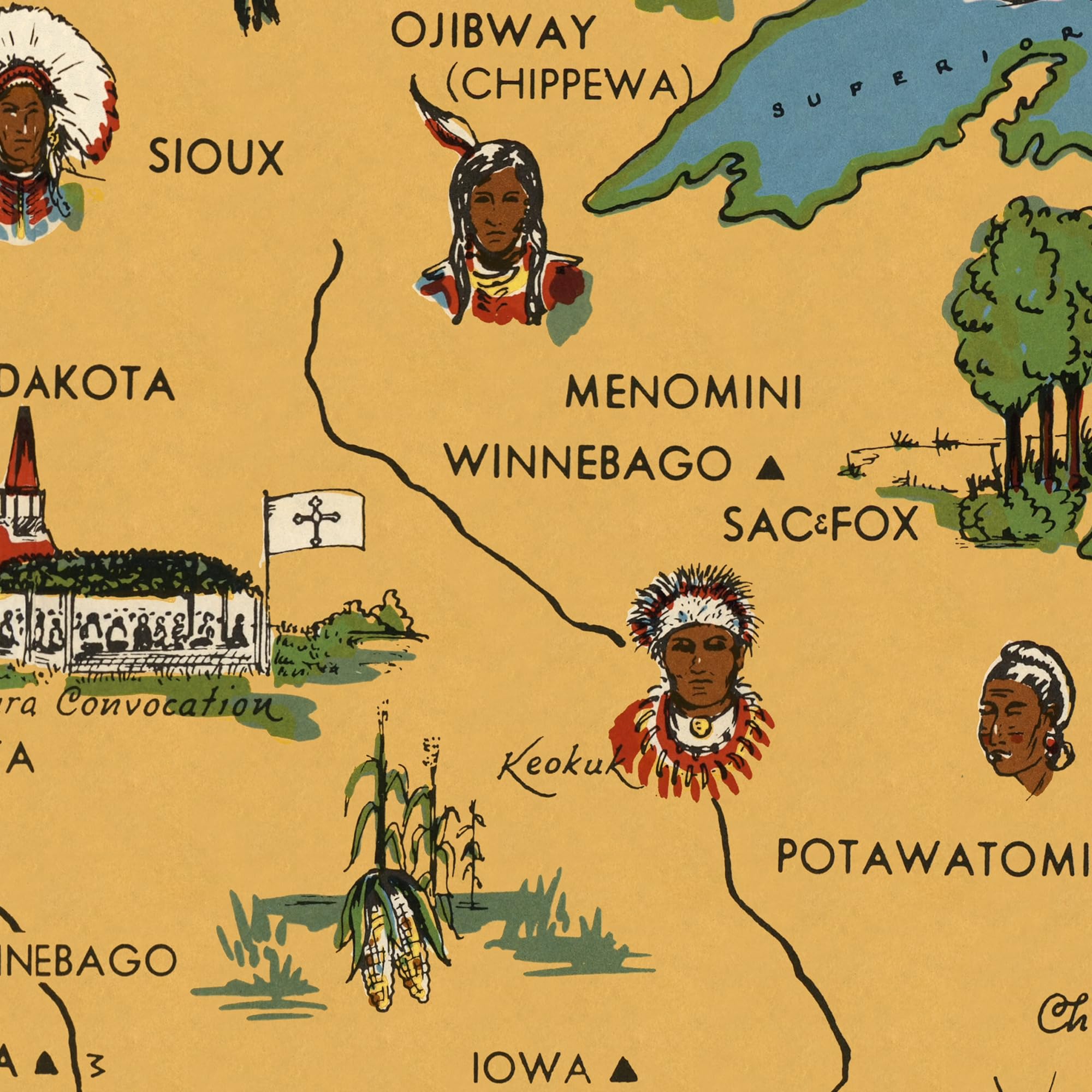
Native American Tribes: Cultures Compared
Exploring the Rich Diversity of Indigenous Cultures Grade 5 Social Studies

Think About This...
How might the place where you live affect: • The type of home you build? • The food you eat? • The clothes you wear? • How you organize your community?
Three Tribes, Three Regions
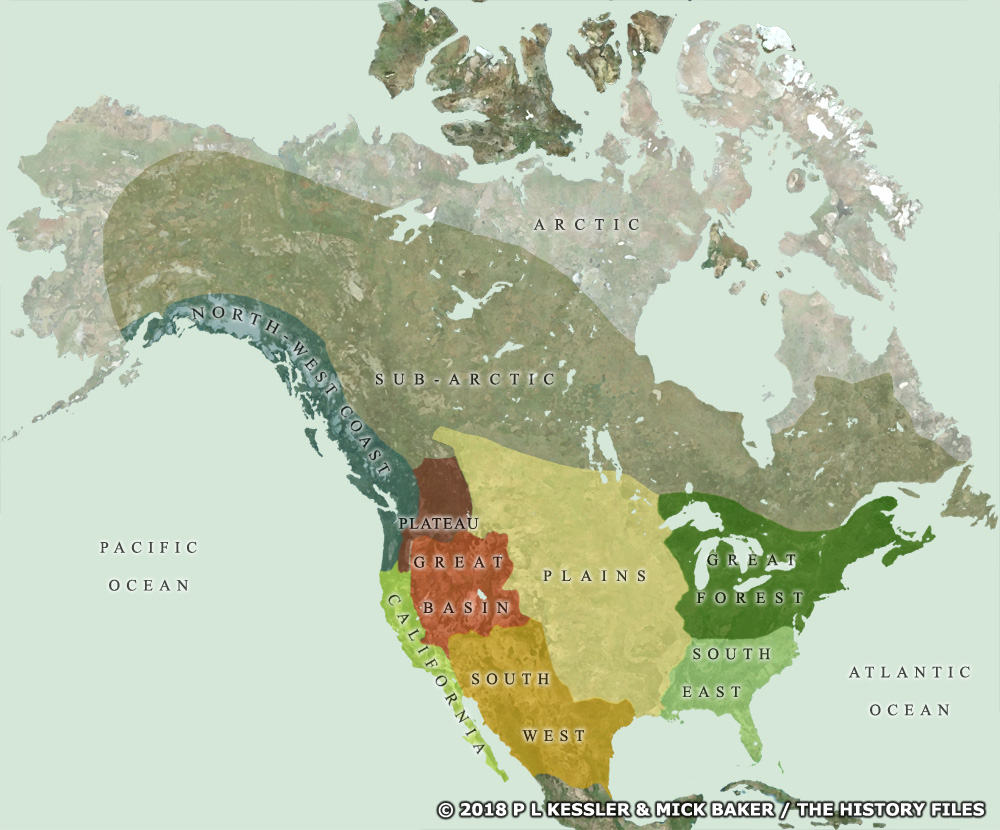
Today we'll compare three Native American tribes: • Iroquois - Northeast Woodlands • Lakota - Great Plains • Navajo (Diné) - Southwest Desert Each adapted to their unique environment
The Iroquois - People of the Longhouse
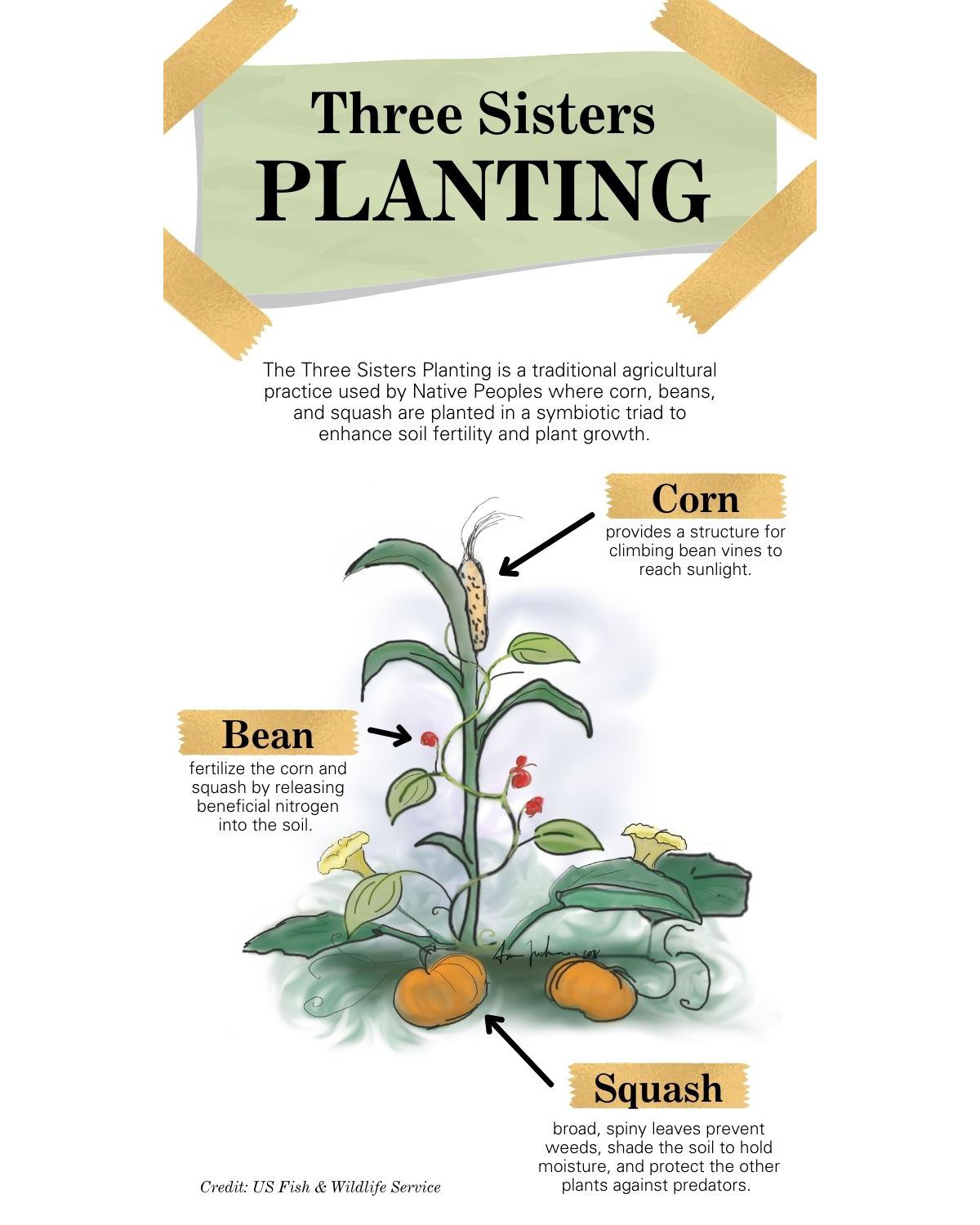
Northeast Woodlands (New York region) • Lived in longhouses made of wood and bark • Women chose the leaders (matrilineal society) • Grew corn, beans, and squash ('Three Sisters') • Six Nations Confederacy - early democracy
The Lakota - Riders of the Plains
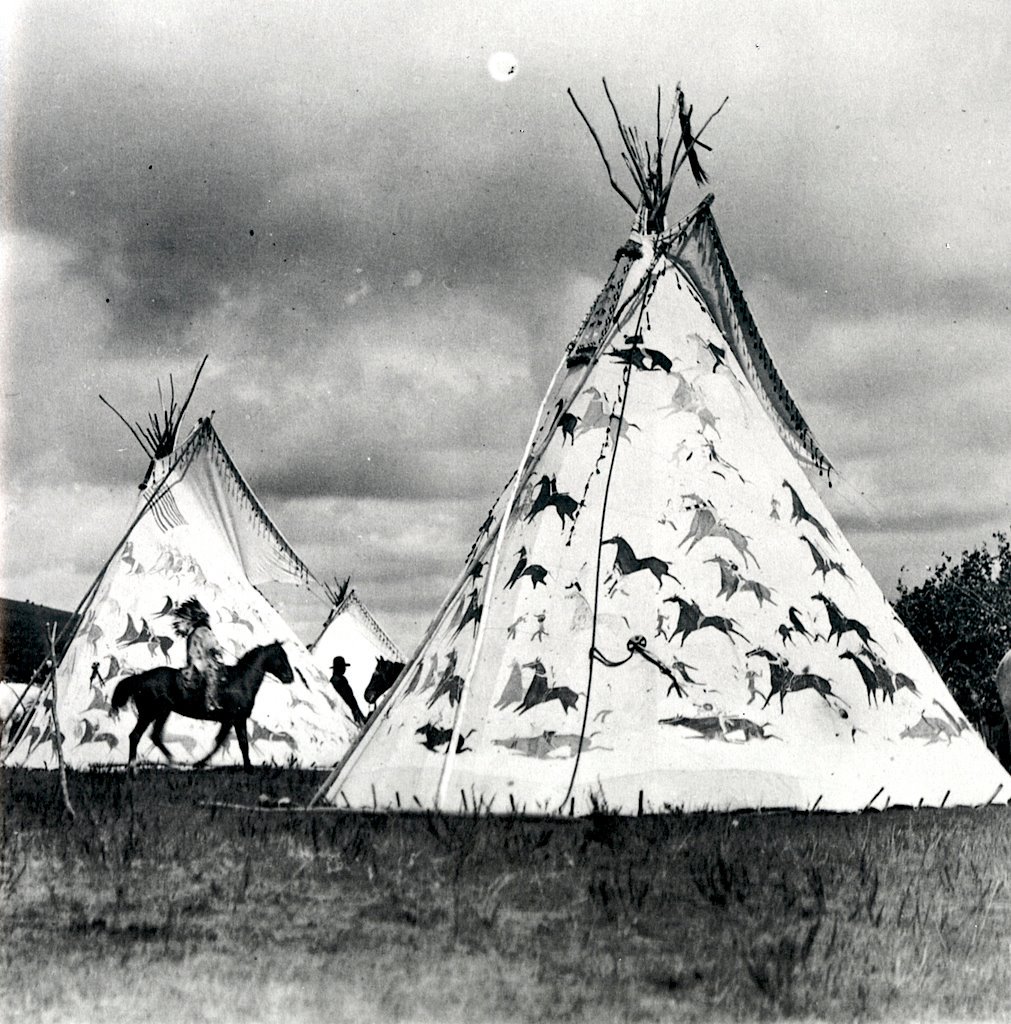
Great Plains (Midwest region) • Lived in portable teepees made of buffalo hide • Men were warriors and hunters, women managed the home • Followed buffalo herds for food and materials • Chiefs chosen for wisdom and bravery

The Navajo (Diné) - Weavers of the Desert
Southwest Desert (Arizona/New Mexico region) • Lived in hogans - round homes facing east • Both men and women could be leaders • Raised sheep and grew corn in the desert • Famous for beautiful woven rugs and jewelry

Compare and Contrast Activity
Work with a partner to complete your Venn diagram Choose one category to focus on: • Gender roles • Religion and values • Cultural practices • Political systems Find similarities and differences between the tribes
Key Learning
'Native American tribes developed unique cultures based on their environment, but they all valued community, respect for nature, and passing traditions to the next generation.'